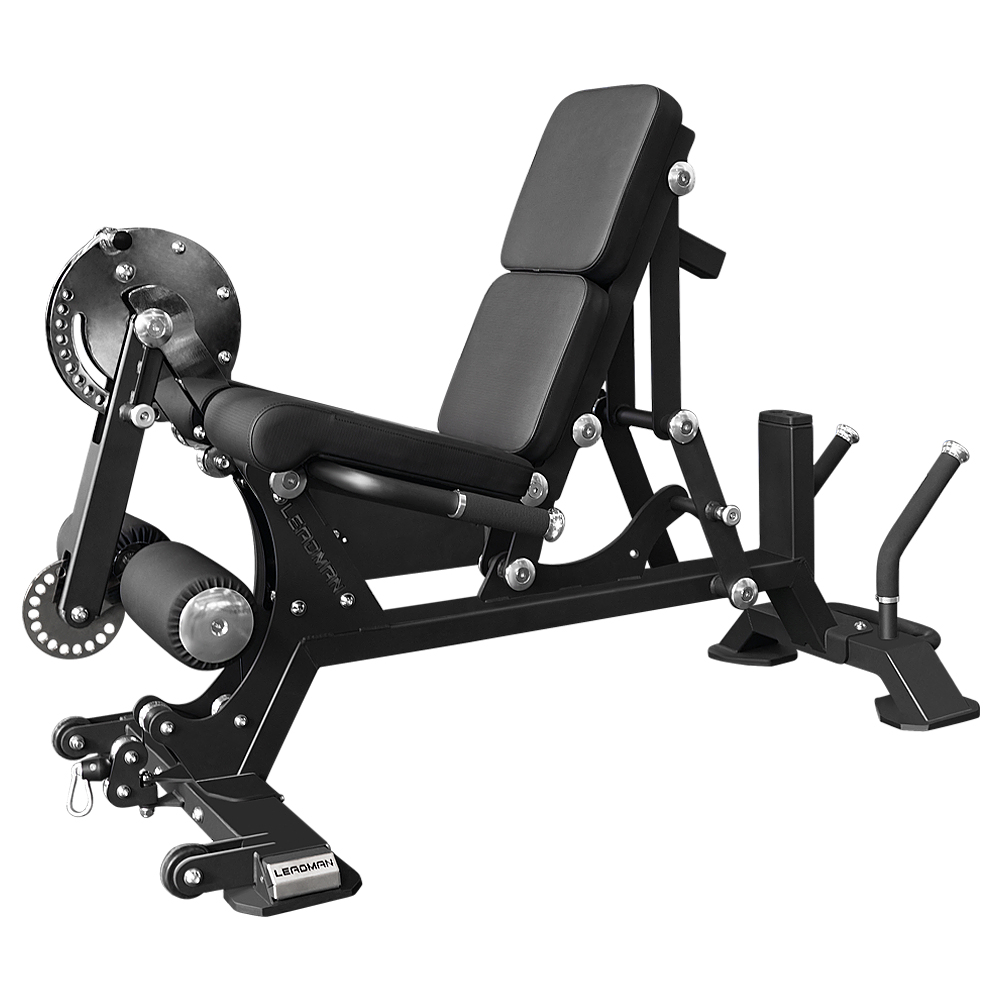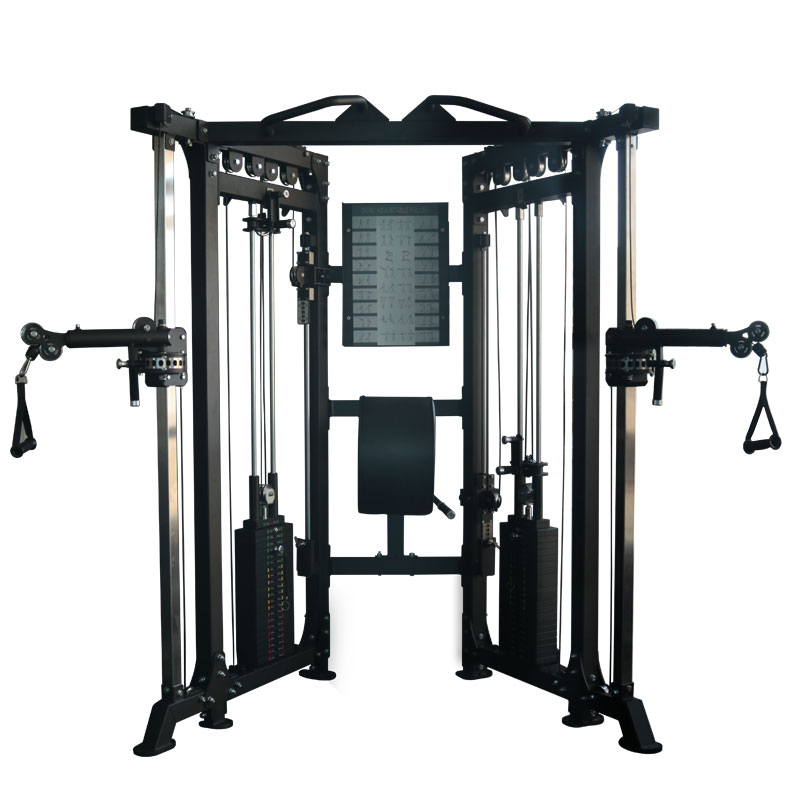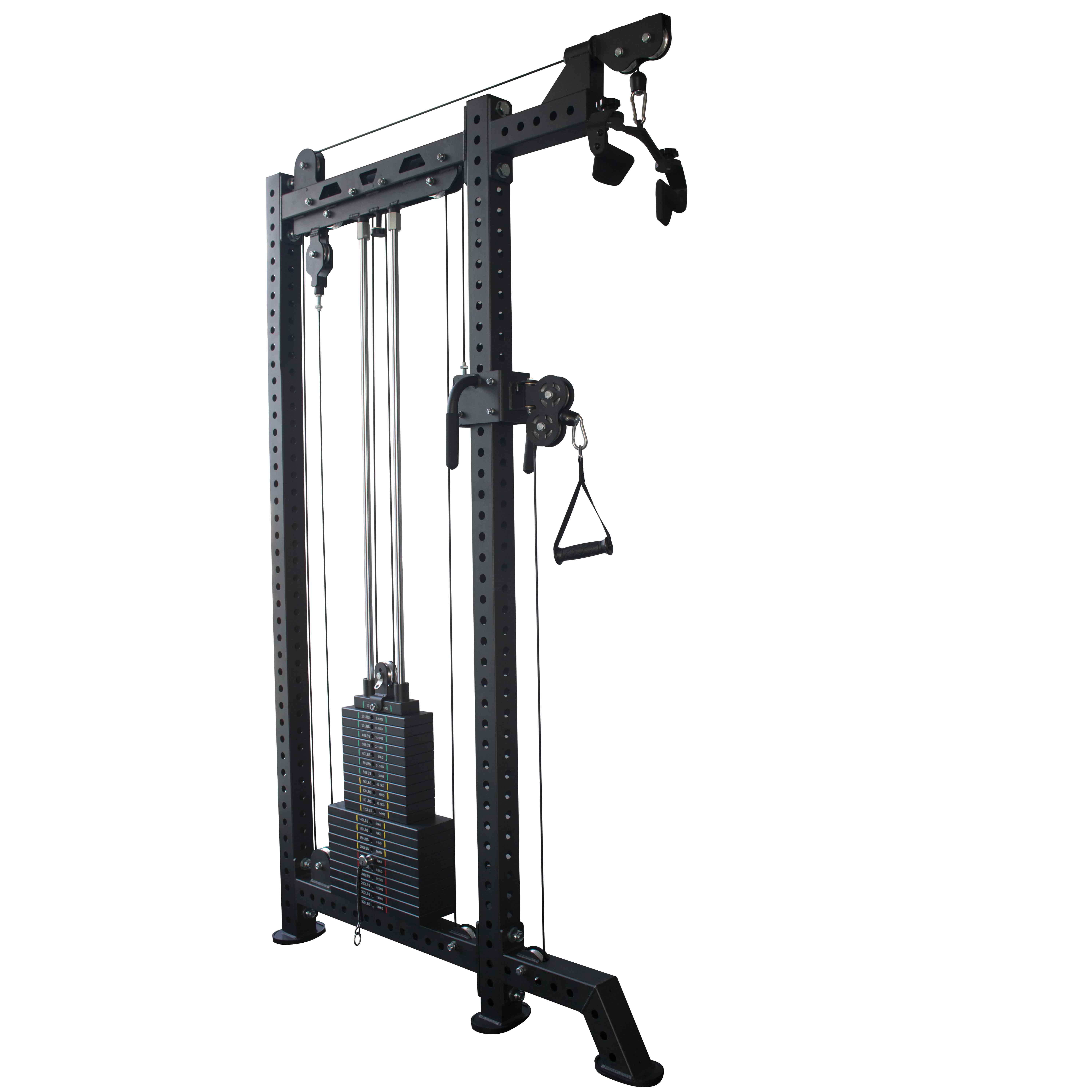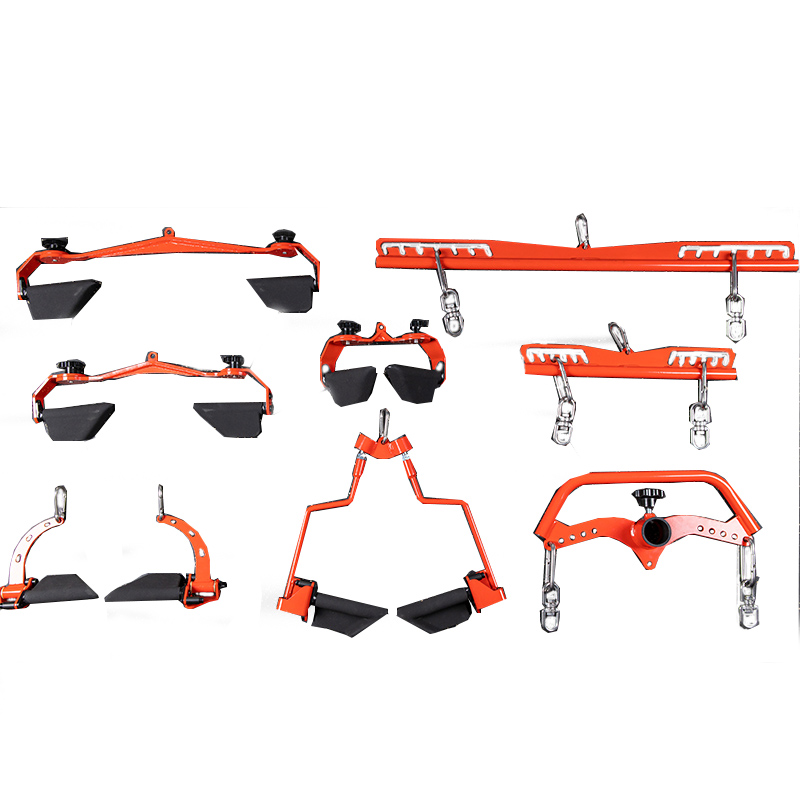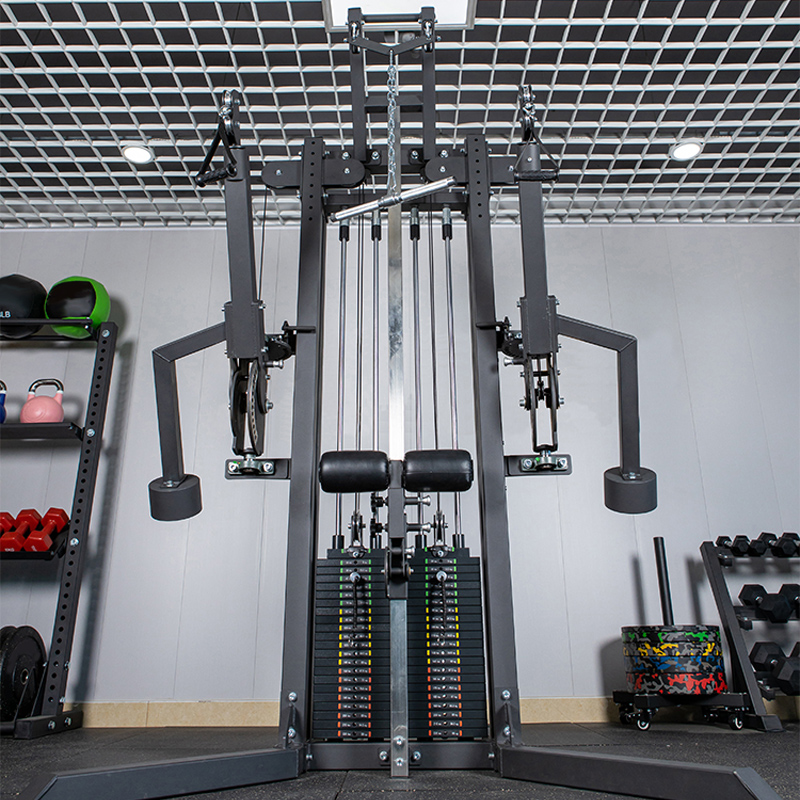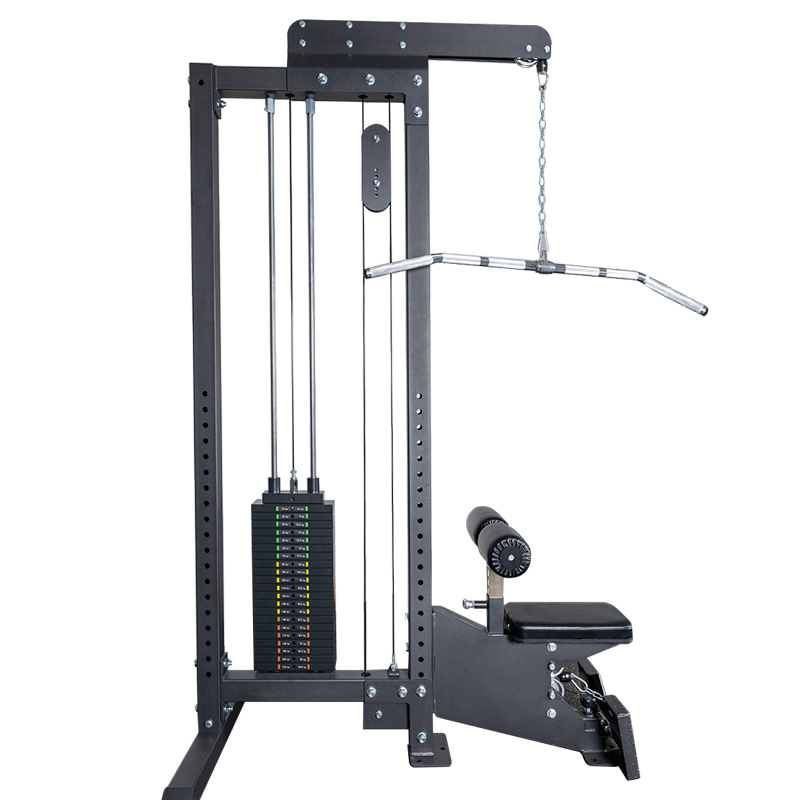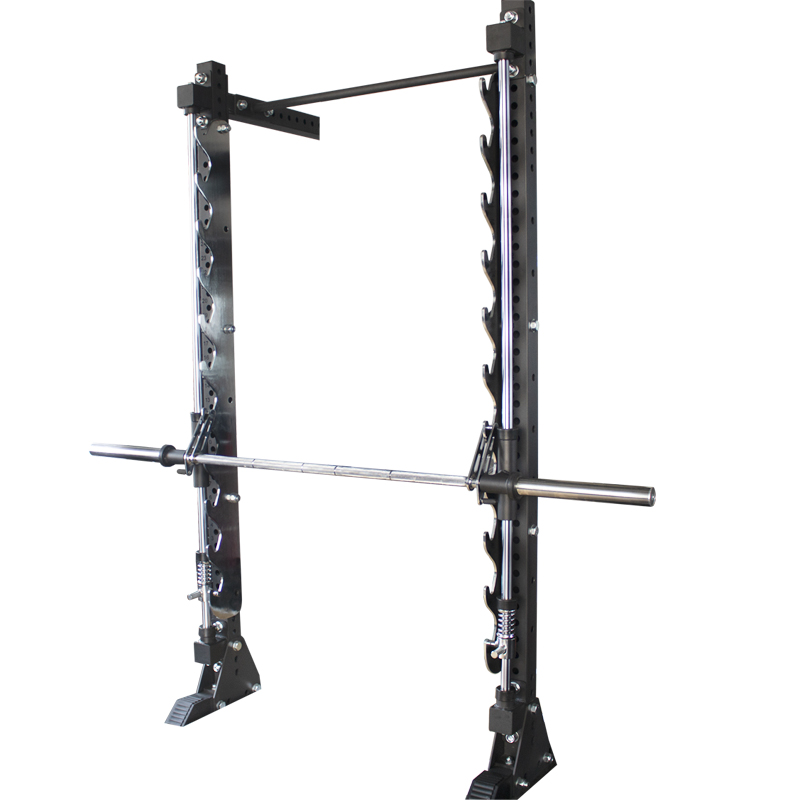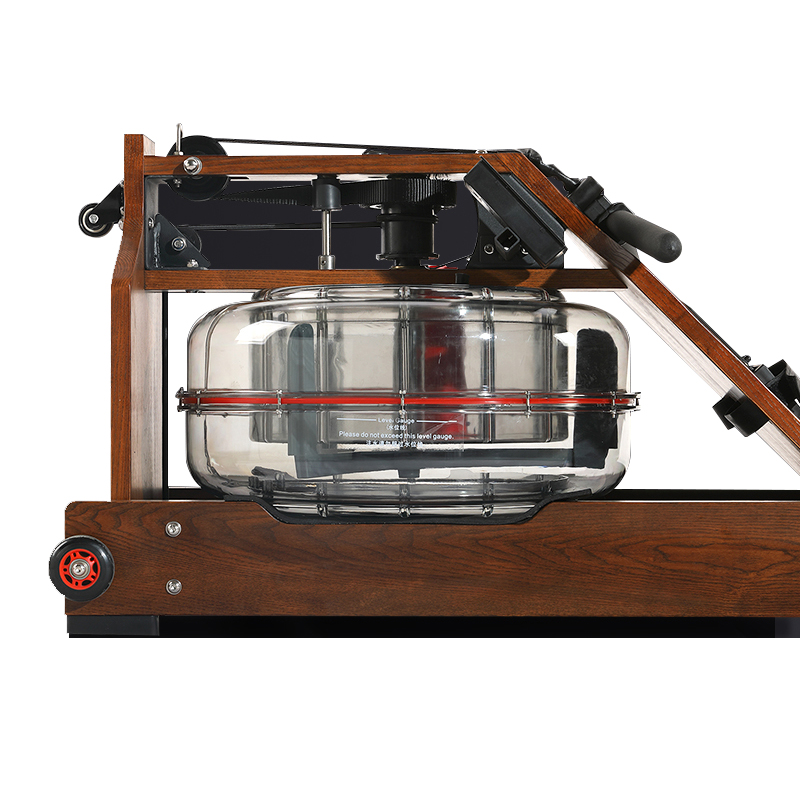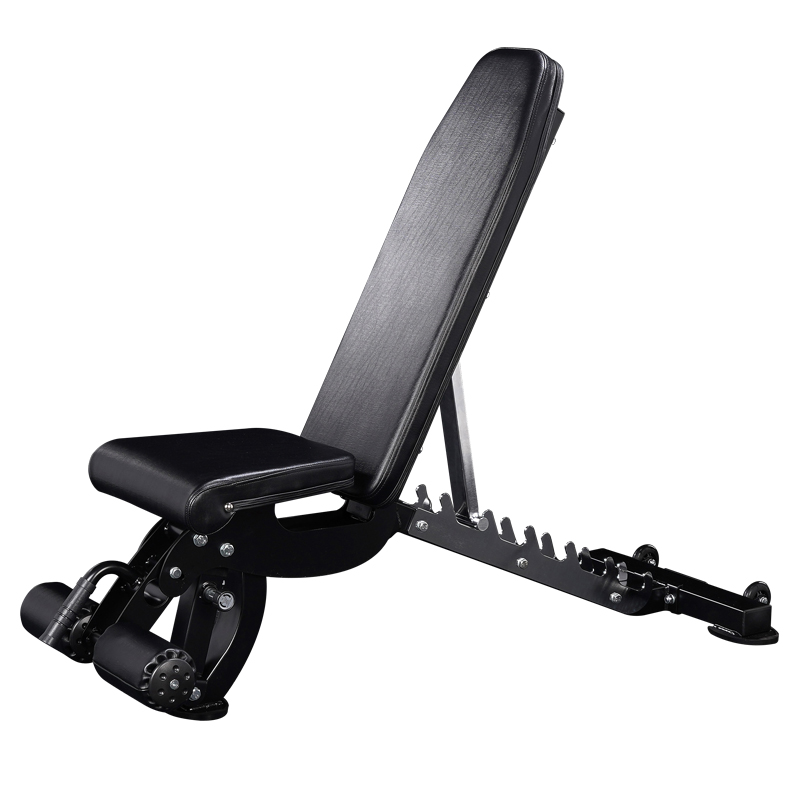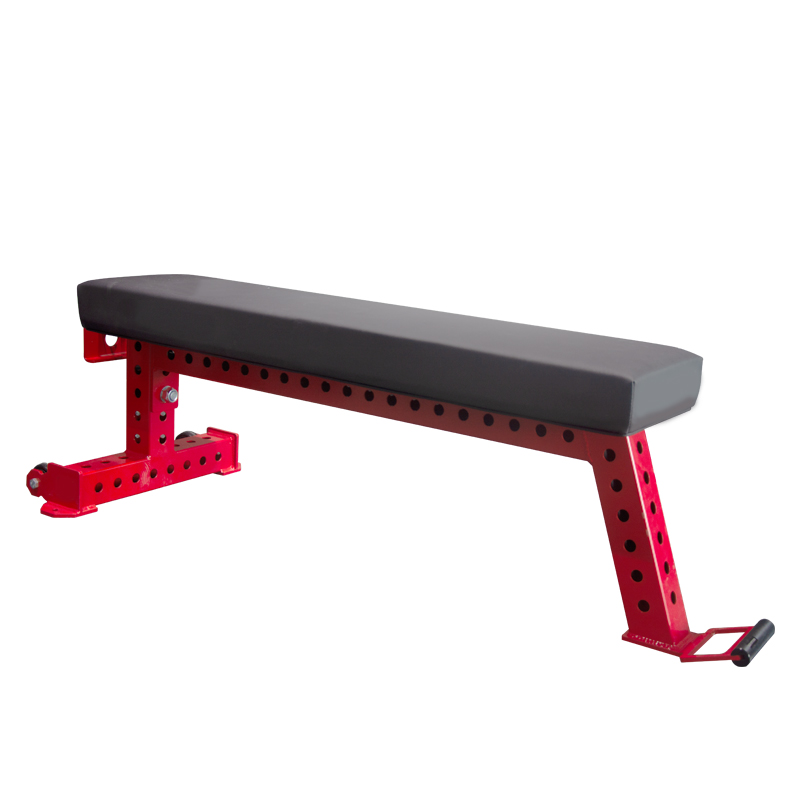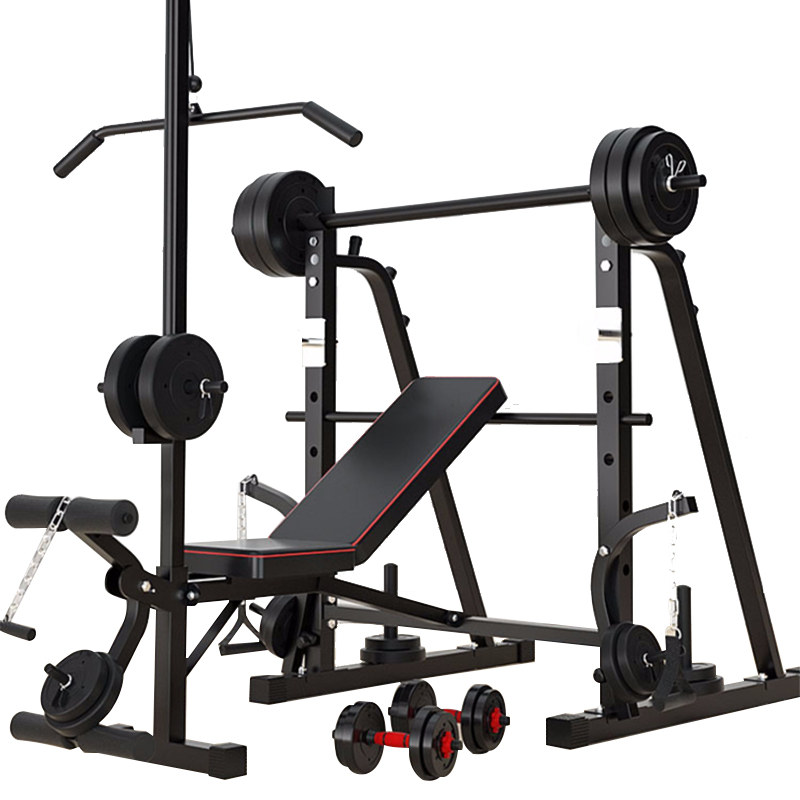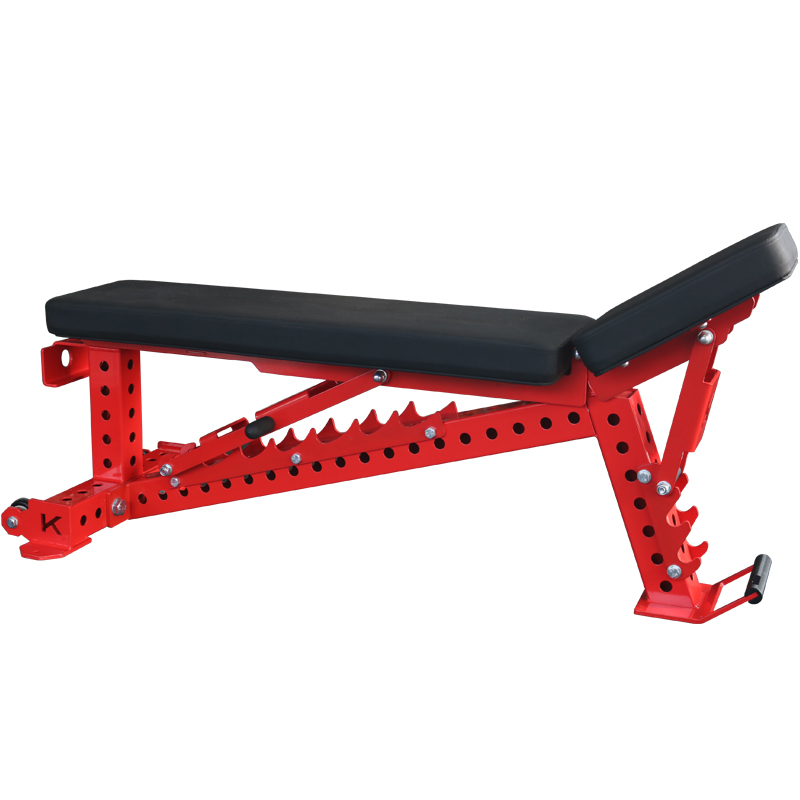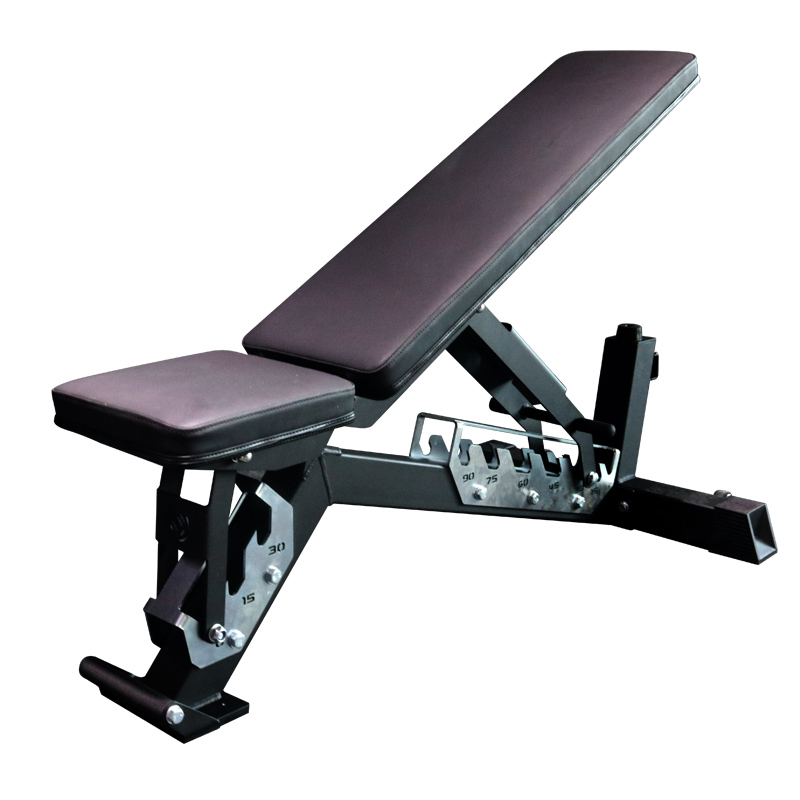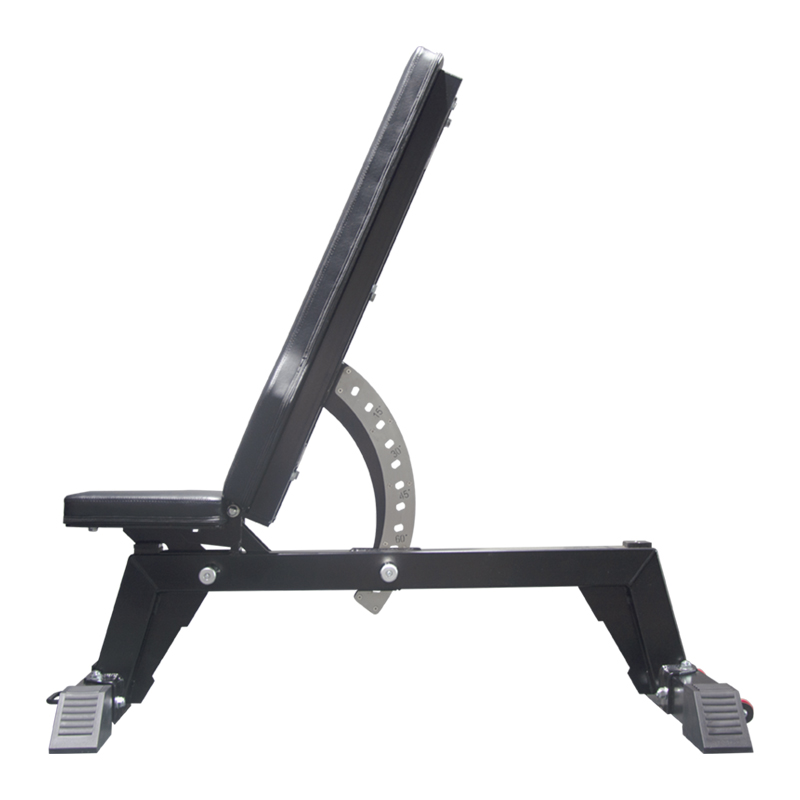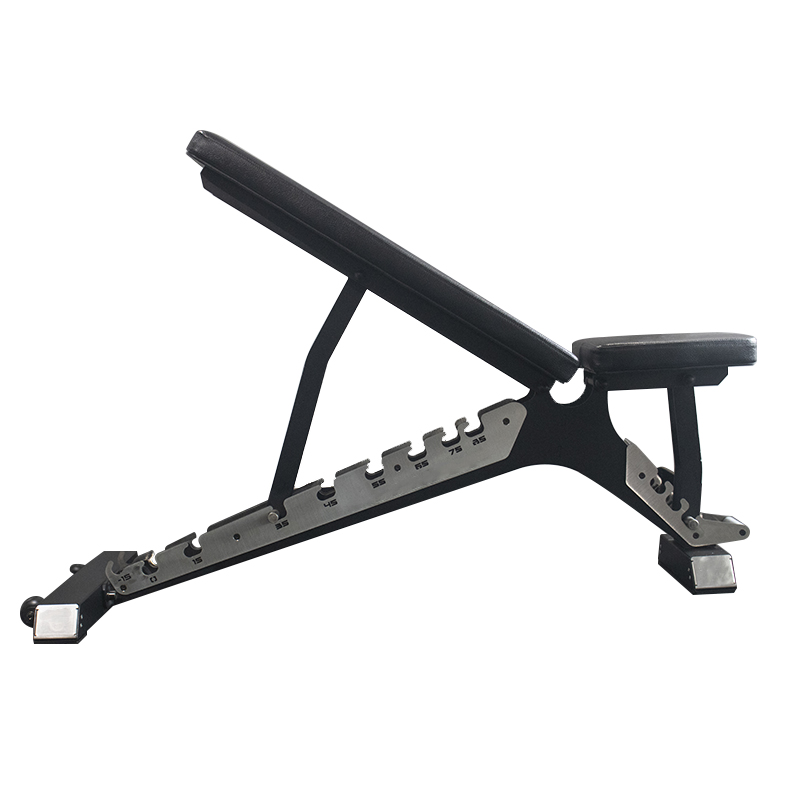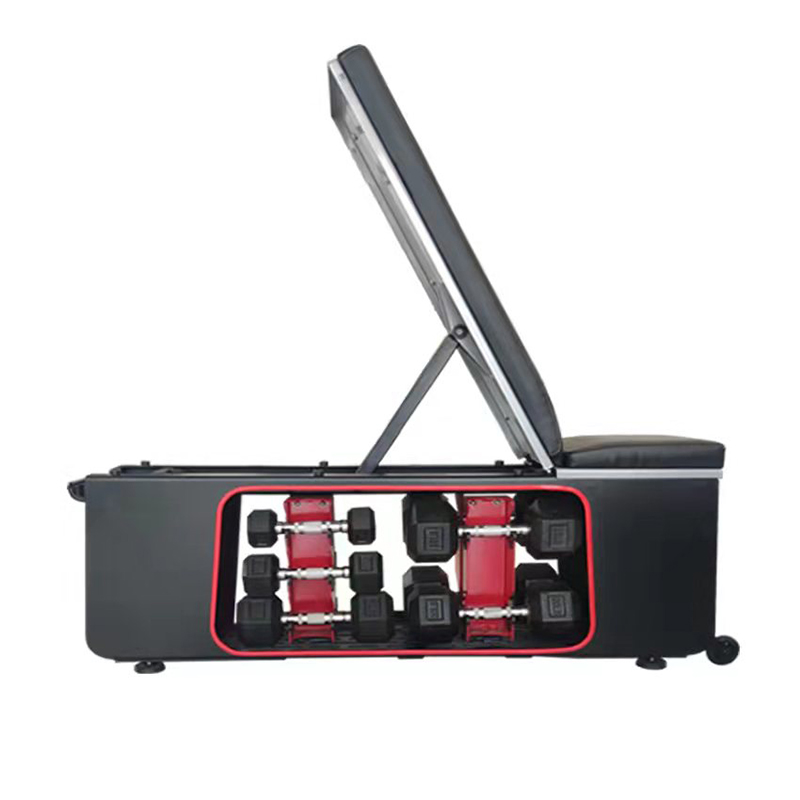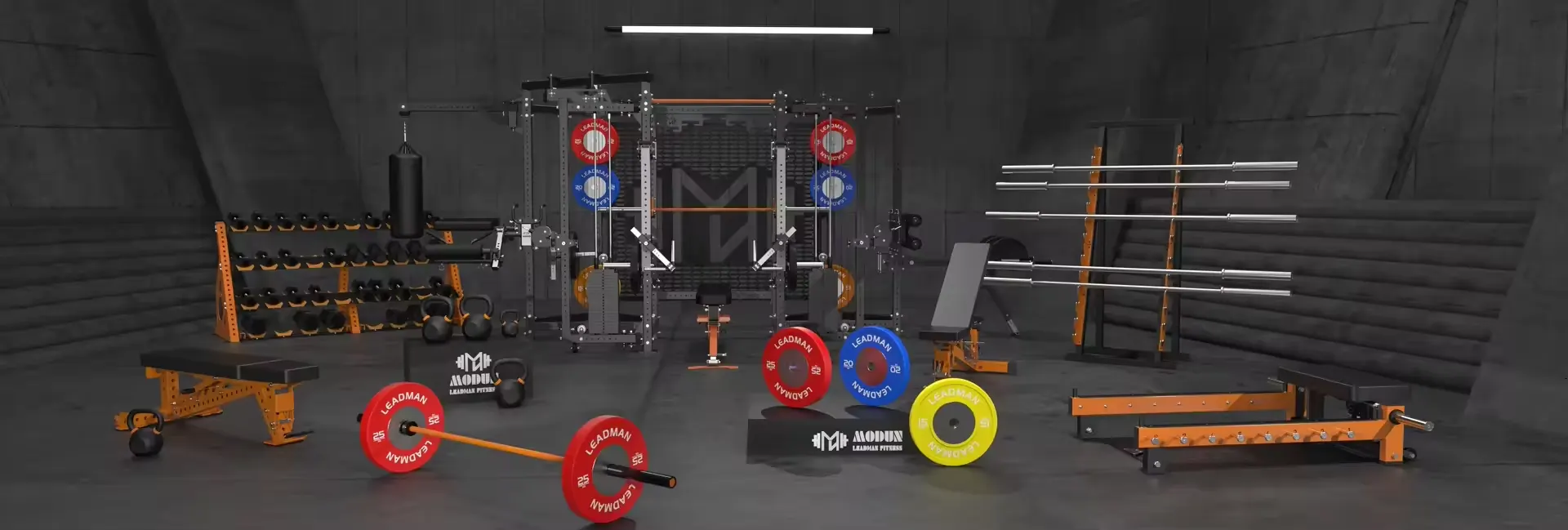
In an increasingly competitive fitness landscape, the demand for custom built gym equipment has surged as facility operators seek to differentiate their spaces through bespoke design, optimised functionality, and brand-specific visual identity. Customisation transcends superficial aesthetics—it enables operators to engineer equipment that addresses specific user demographics, adapts to unconventional floor plans, and integrates proprietary training methodologies that become signature elements of their facility. While off-the-shelf solutions offer convenience and cost-effectiveness, custom equipment delivers competitive advantage through precise alignment with operational requirements, member expectations, and architectural constraints that standard products cannot satisfy.
The custom engineering process typically begins with a comprehensive needs assessment, where manufacturers collaborate with facility operators to define custom fitness equipment specifications encompassing frame dimensions, weight increments, resistance curves, and ergonomic adaptations. CAD modelling translates functional requirements into manufacturable designs, incorporating adjustments such as modified seat heights for specific populations, extended cable travel for tall users, or reinforced structural zones for high-intensity protocols. Biomechanical validation ensures motion paths align with intended muscle activation patterns, reducing injury risk and enhancing training efficacy. Design iteration cycles—often 3–5 rounds of refinement—produce prototypes that undergo load testing and user trials before final manufacturing approval.
Material selection in custom equipment production mirrors commercial-grade standards, with 11-gauge (3mm) steel tubing, robotic welding, and electrostatic powder coating (60–80µm) as baseline specifications. However, customisation introduces additional variables: powder-coat colour matching to brand Pantone references, laser-engraved or debossed logos on frame elements, proprietary grip textures for handles, and specialised upholstery with custom stitching patterns. These aesthetic enhancements carry incremental costs—typically 15–30% above standard equivalents—but deliver brand cohesion and premium visual appeal that justify premium member pricing. Custom gym equipment manufacturers often require minimum order quantities of 5–50 units per design to amortise tooling investments, with per-unit costs declining as order volumes increase.
From a procurement perspective, custom equipment projects demand extended planning horizons and rigorous quality assurance protocols. Manufacturing lead times typically span 8–14 weeks from final design approval to shipment, with an additional 2–3 weeks for pre-production sampling and validation. Detailed technical drawings, material certifications, and inspection frameworks must be established before manufacturing begins. After installation, many manufacturers offer on-site commissioning support, staff training sessions, and documentation of proprietary components. Custom built gym equipment represents a significant capital investment, yet its ability to embed brand identity, optimise operational efficiency, and deliver a unique member experience makes it a strategic differentiator that justifies elevated investment in competitive markets.
Let our experts design the perfect gym solution for your business. Get a free consultation and quote today.