

Navigating Minimum Order Quantities for Custom Gym Plates
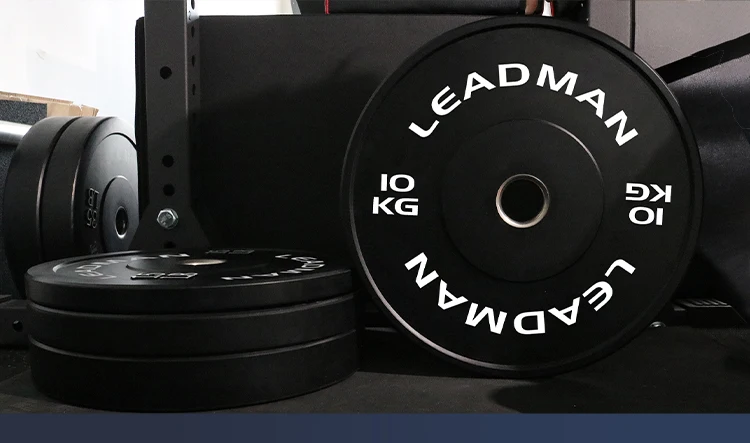
The Hidden Logic of Minimum Order Quantities for Custom Gym Plates
When a gym owner or procurement manager transitions from purchasing off-the-shelf stock to commissioning branded or specialized weightlifting equipment, they hit a wall: the Minimum Order Quantity (MOQ). In the manufacturing sector, MOQs are not arbitrary numbers designed to inflate prices; they are strictly dictated by the economic realities of production line setups, tooling costs, and material throughput. For custom gym plates, these thresholds represent the break-even point where a manufacturer can absorb the cost of custom mold creation or high-precision engraving without losing margin.
A common mistake is treating the MOQ as a negotiable suggestion rather than a structural constraint. If you attempt to place a custom order for 20 units when the factory threshold is 100, you will likely face a rejection or a prohibitive 'small-batch surcharge' that destroys your ROI. Understanding this threshold is the first step in transitioning from a buyer to a strategic partner. Once you grasp why these numbers exist, you can begin to evaluate how different plate types—from high-density urethane to cast iron—influence these quantities.
Why Production Thresholds Vary by Material
The material substrate significantly dictates the baseline MOQ. High-volume materials like standard cast iron often have lower thresholds because the casting process is a continuous stream. In contrast, advanced polymers or high-density urethane require specialized injection or molding processes that demand a longer 'warm-up' period for the machinery, often resulting in higher MOQs.
| Material Type | Typical MOQ Impact | Primary Driver of Quantity |
|---|---|---|
| Cast Iron | Low to Moderate | Casting mold uniformity |
| Rubber Coated | Moderate | Secondary coating/dipping processes |
| Urethane (High-Density) | High | Injection molding cycle times |
| Bumper Plates (Vinyl/Poly) | Moderate to High | Multi-layer material extrusion |
Understanding these material-driven constraints allows you to align your procurement timeline with the reality of the manufacturing cycle. This alignment is critical before you even begin discussing design aesthetics, as the design itself can further influence the production threshold.
How Design Customization Influences the Minimum Order Threshold
Moving beyond the material substrate, the actual level of detail in your custom gym plates creates another layer of complexity. A simple embossed logo on a cast iron plate is relatively inexpensive to produce, but a highly intricate, recessed 3D design or a multi-colored inlay significantly raises the stakes. As a procurement expert, I have seen many buyers lose their budget because they failed to realize that 'customization' is a spectrum with varying cost-to-complexity ratios.
When you increase the design complexity, you are essentially asking the manufacturer to perform more non-standard operations. This might involve specialized CNC machining, advanced paint application, or custom tooling. These specialized steps increase the risk of production errors, leading manufacturers to set higher MOQs to mitigate the financial exposure of a failed batch.
The Hierarchy of Customization Costs
- Level 1: Branding Only (Lowest MOQ) - Basic embossed or debossed logos that are part of the original mold.
- Level 2: Color and Finish (Moderate MOQ) - Painting or powder coating after the plate is formed.
- Level 3: Multi-Component/Inlay (Highest MOQ) - Combining different materials (e.g., a metal center with a polymer rim) or complex 3D textures.
Before finalizing your design, you must verify whether your chosen aesthetic detail necessitates a dedicated production line or a specialized finishing tool. Failing to do so can lead to a situation where your design is technically possible but economically unfeasible for the volume you require. This brings us to the critical task of selecting the right type of plate for your specific business model.
Strategic Plate Selection Based on Volume Requirements
Once the relationship between design complexity and MOQ is established, the next logical step is selecting the specific plate category that fits your operational needs. If your business model relies on rapid turnover and high-volume sales, you might favor products with lower, more predictable MOQs. If you are building a premium boutique brand, you might accept higher MOQs to ensure high-end, high-complexity aesthetics.
A significant failure mode occurs when buyers assume all custom plates follow the same procurement logic. For instance, custom bumper plates—which are highly specialized for Olympic lifting—often carry different MOQ rules than standard weight plates because the physical characteristics (thickness and weight distribution) are more difficult to standardize during the molding process.
Comparison of Procurement Profiles
| Business Model | Preferred Plate Type | MOQ Strategy |
|---|---|---|
| Commercial Gym Chain | Durable Cast Iron/Rubber | High volume, low design complexity |
| Boutique Fitness Studio | High-End Urethane | Lower volume, high aesthetic customization |
| Retail/Equipment Distributor | Standard Bumper Plates | High volume, predictable standard branding |
With your procurement profile in mind, you are now equipped to handle the actual negotiation. However, negotiation is not just about the number of units; it is about understanding the technical specification sheets that justify those numbers.
Explore the complete technical specifications:
Minimum Order Quantities for Custom Fitness Equipment | Guide
Verifying Technical Specifications and Tolerances
After you have identified a realistic MOQ, the focus must shift to verification. A common pitfall in custom procurement is agreeing on a quantity and a design but failing to define the allowable margin of error. In the world of weightlifting, 'close enough' is not an acceptable standard. If your custom plates have a weight tolerance of +/- 5%, your professional lifters will notice the imbalance immediately.
When a manufacturer agrees to a custom order, they are committing to a specific production run. You must demand a Technical Specification Sheet (TSS) that explicitly states the weight tolerances, diameter accuracy, and thickness uniformity. If the manufacturer claims they can meet a low MOQ with high precision, you must verify their testing protocols.
The Precision Verification Checklist
- Weight Tolerance: Ensure it is within +/- 1% to 2% for professional use.
- Diameter Precision: Verify the outer diameter to ensure it fits standard barbells. - Color Consistency: Request a physical sample (Golden Sample) to compare against the production batch.
- Surface Hardness: For urethane/rubber plates, check the durometer to ensure durability.
Verification is your only defense against receiving a batch of non-compliant equipment. Once you have established these quality thresholds, you must prepare for the logistics of receiving and inspecting the order.
Inspection and Quality Control Protocols Upon Receipt
Even with a strict TSS and a verified MOQ, the transition from the factory floor to your facility is a high-risk period. Many operators assume that once the shipping document is signed, the job is done. This is a mistake. You must implement a formal receiving protocol to ensure that the quantity and quality promised in the contract actually match what is in the crates.
A systematic failure in the inspection process often stems from 'batch sampling error,' where an inspector only checks the first five plates of a hundred-unit order. If the manufacturing process was drifting toward the end of the run, the last twenty plates might be significantly off-spec. A professional inspection must be both randomized and systematic.
Recommended Receiving Protocol
- Count Verification: Match the total weight of the shipment against the bill of lading to ensure quantity accuracy.
- The 'Random Ten' Rule: Pull 10% of the custom plates from random positions in the pallet (top, middle, and bottom) for weight testing.
- Visual Audit: Check for edge chipping, paint flaking, or branding misalignment on the sampled units.
- Tolerance Check: Use a high-precision scale to ensure the weight delta is within the agreed-upon +/- percentage.
If a discrepancy is found, you must have a pre-negotiated 'Defect Ratio' in your contract. This defines what percentage of deviation is acceptable before a full batch rejection is triggered. Mastering these inspection steps leads directly to long-term maintenance and cost-control strategies.
Longevity and Maintenance of Custom-Branded Equipment
A successful procurement process doesn't end with a successful inspection. Custom gym plates, especially those with specialized coatings or intricate designs, require specific maintenance routines to preserve their aesthetic and functional value. If you have invested in a high-MOQ custom order for a premium brand image, you cannot afford to see that image degraded by poor upkeep.
The failure mode here is often neglect of surface integrity. For example, urethane plates can become brittle if exposed to extreme temperature shifts, and painted cast iron plates can rust if the coating is compromised. Maintenance is not just about cleaning; it is about preserving the capital investment you made through your strategic procurement.
Maintenance Guidelines by Plate Type
| Plate Type | Routine Action | Avoid This |
|---|---|---|
| Urethane Plates | Wipe with damp cloth | Harsh chemical solvents |
| Painted Cast Iron | Inspect for chip/rust | Direct sunlight/moisture exposure |
| Rubber/Vinyl Bumpers | Dust removal | High-heat drying methods |
By integrating these maintenance-driven insights into your operational manual, you ensure that the high-quality equipment you procured via strict MOQ management remains a high-performing asset for years.
Future-Proofing Your Custom Procurement Strategies
As you become more proficient in managing Minimum Order Quantities for Custom Gym Plates, your focus will naturally shift from immediate procurement to long-term lifecycle management. The goal is to move from a reactive buyer to a proactive brand owner who understands the entire supply chain ecosystem.
Future-proofing involves building a relationship with a supplier that can scale with you. As your gym or brand grows, you will eventually need to move from a low-volume/high-complexity model to a high-volume/low-complexity model. Having a supplier who understands your technical requirements now will make that transition seamless when your order volumes inevitably increase.
Strategic Growth Milestones
- Phase 1: Small-batch testing (Focus on design and branding validation).
- Phase 2: Scale to standard MOQs (Focus on price-per-unit and weight tolerance).
- Phase 3: Volume Optimization (Focus on logistics, bulk shipping, and global supply chain stability).
Whether you are ordering 50 plates for a local launch or 5,000 for a global expansion, the fundamentals of MOQ, design complexity, and quality verification remain the same. Apply these professional standards, and you will avoid the most common pitfalls in the custom fitness equipment market.