

Mastering Bulk Pricing and Discounts for Wholesale Weight Plates Procurement
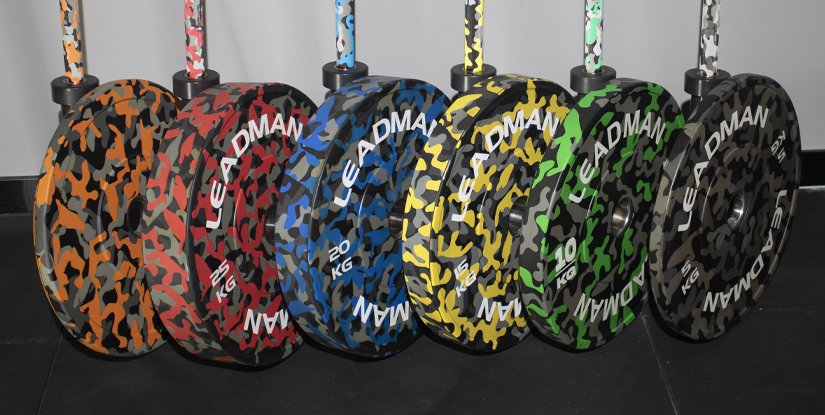
In the high-stakes environment of commercial gym setup or large-scale fitness distribution, the procurement of weight plates is rarely a simple transaction. For many purchasing managers, the primary frustration lies in the discrepancy between the quoted "wholesale price" and the actual total cost of ownership (TCO). You might secure a low unit price, only to be blindsided by excessive shipping surcharges, inconsistent weight tolerances, or hidden material surcharges. Understanding the mechanics of Bulk Pricing and Discounts for Wholesale Weight Plates is essential to ensuring that your capital expenditure yields long-term durability rather than a quick, low-quality fix.
Deconstructing the Architecture of Wholesale Pricing Tiers
Before engaging with a supplier, it is vital to understand that wholesale discounts are not arbitrary; they are driven by production efficiencies and logistical economies of scale. A supplier's willingness to drop the unit price is often tied to the ability to run a single production batch for a single client, rather than splitting resources across multiple small orders.
Volume-Based Discounting vs. Fixed Tier Pricing
Most procurement professionals encounter two distinct models: tiered pricing, where the price drops at specific quantity milestones, and customized volume pricing, which is negotiated based on a specific, large-scale contract. The former is rigid and predictable, while the latter allows for more strategic leverage during high-value negotiations.
| Pricing Model | Primary Driver | Best Use Case | Potential Risk |
|---|---|---|---|
| Standard Tiered Pricing | Preset Quantity Milestones | Small to Mid-sized Gyms | Lack of flexibility for custom needs |
| Custom Contract Pricing | Total Contract Value/Volume | Large-scale Distributors | Higher upfront negotiation complexity |
| Seasonal Discounting | Inventory Turnover Cycles | Just-in-Time Replenishment | Inconsistent supply chain reliability |
Identifying which model your current supplier utilizes will help you determine if there is untapped room for negotiation. Once you understand these baseline structures, the next critical step is evaluating the technical specifications that these discounts are actually applied to.
Material Composition and Its Impact on Bulk Unit Costs
A common mistake made when chasing the lowest possible price is failing to account for the raw material variability. A "discounted" iron plate might be significantly cheaper simply because the iron grade is substandard or the coating process is simplified, leading to premature oxidation or chipping.
The Relationship Between Casting Methods and Price
The method used to create the plate—whether it is centrifugal casting, sand casting, or injection molding for rubber-encased plates—dictates the base manufacturing cost. When negotiating Bulk Pricing and Discounts for Wholesale Weight Plates, you must explicitly state the required material standard to avoid receiving a lower-grade substitute.
- Cast Iron: Generally the most cost-effective for high-volume orders but requires high-quality powder coating to prevent rust.
- Rubber-Coated (Bumper Plates): Higher material cost due to the polymer layer, but offers better floor protection and durability.
- Steel-Core Plates: Often used in premium commercial settings; the price reflects the precision and impact resistance.
If a quote seems too good to be true, the material quality is likely the variable that has been sacrificed. Verifying the material specification sheet before signing a purchase order is the only way to mitigate this risk. This leads us directly to the most contentious aspect of bulk orders: weight tolerance and precision.
Explore the complete technical specifications:
50kg Steel Plates: Heavy-Duty Weight Plates for Professional Training
Weight Tolerance Standards in High-Volume Manufacturing
The biggest failure mode in wholesale procurement is the "tolerance gap." You might purchase 1,000 units of 20kg plates, only to find that the deviation is ±2% or even ±5%. While this might be acceptable for home use, it is a disaster for commercial gym standards where precision is paramount.
Defining Acceptable Deviation Ranges
When negotiating a bulk contract, you must demand a documented weight tolerance. A professional-grade wholesale order should ideally adhere to stricter standards than a retail-grade order. If the supplier cannot guarantee a specific range, the discount they are offering is effectively a penalty on your precision requirements.
| Plate Type | Standard Tolerance (Commercial) | Common Deviation (Budget Wholesale) | Verification Method |
|---|---|---|---|
| Cast Iron Plate | ±1% to 1.5% | ±3% to 5% | Precision Digital Scale |
| Rubber Bumper Plate | ±1% | ±2.5% | Calibrated Mass Measurement |
| Steel/Precision Plate | <0.5% | ±1% | Certified Laboratory Scale |
Always insist that the tolerance level is written into the contract. An unverified discount is often just an unverified weight deficit. Once you have established the technical requirements, you must turn your attention to the logistical costs that often erode your savings.
Explore the complete technical specifications:
Weight Wholesalers | Bulk Olympic Plates & Kettlebells for Gyms
Mitigating Logistical Surcharges and Shipping Variables
The true cost of a wholesale order is rarely the invoice price from the factory; it is the landed cost. Because weight plates are extremely dense and heavy, shipping and freight can easily exceed the value of the product itself if not handled with a strategic approach.
The Hidden Cost of LCL vs. FCL Shipping
When ordering in bulk, you must decide between Less than Container Load (LCL) and Full Container Load (FCL). While LCL allows for smaller, more frequent orders, the per-unit shipping cost is significantly higher, and the risk of damage during handling increases. FCL is the standard for maximizing Bulk Pricing and Discounts for Wholesale Weight Plates efficiency.
Common Pitfall: Many buyers focus solely on the manufacturer's discount and forget to negotiate the FOB (Free On Board) or CIF (Cost, Insurance, and Freight) terms. A low FOB price might look great, but high port fees and ocean freight can negate any savings achieved through volume discounts.
To avoid this, always request a "Landed Cost Estimate" that includes all freight, customs duties, and local delivery fees. Only after comparing the total landed cost can you truly judge if the discount is beneficial. With the logistics secured, the final hurdle is ensuring the quality remains consistent throughout the entire shipment.
Ensuring Quality Consistency Across Large Batches
A significant problem with bulk orders is "batch drift," where the first 100 plates are perfect, but the subsequent 900 suffer from declining quality. This is often caused by changing raw material sources or rushing the production line to meet a large order deadline.
Implementing a Multi-Stage Inspection Protocol
To protect your investment, you should not rely on a single inspection at the end of the production run. Instead, implement a staggered verification process that covers the entire manufacturing cycle.
- Pre-Production Material Check: Verify the grade of iron or rubber being used before casting begins.
- Mid-Batch Sampling: Request high-resolution photos and weight verification of random samples once 25% of the order is complete.
- Pre-Shipment Inspection (PSI): Hire a third-party inspector to visit the facility and check the final 5% of the order for finish, tolerance, and packaging integrity.
By establishing these checkpoints, you move from a position of reactive complaint to proactive management. This oversight is what distinguishes a professional procurement specialist from a casual buyer.
Optimizing ROI through Lifecycle and Maintenance Planning
The final stage of a successful procurement strategy is moving beyond the purchase and into the operational phase. A discount is only a win if the product lasts through its intended lifecycle without requiring costly replacement or repair. High-quality procurement requires looking at the long-term durability of the equipment rather than the immediate savings on a single invoice.
Calculating Long-Term Value vs. Initial Savings
When comparing two wholesale quotes, do not look at the price per kilo alone. Look at the expected replacement frequency. A cheaper plate with a poor coating might need to be replaced every 3 years due to rust, whereas a slightly more expensive plate with premium powder coating might last 10 years.
Verification Checklist for Procurement Managers:
- Does the discount include a warranty for surface finish durability?
- Is the weight tolerance documented and verifiable via a third-party lab?
- What are the exact shipping terms (FOB, CIF, DDP) to ensure total cost visibility?
- Has a sample been vetted for material density and impact resistance?
- Does the supplier provide a material consistency guarantee for the entire batch?
Successful bulk purchasing is a blend of technical scrutiny and financial strategy. By focusing on these granular details, you can confidently leverage volume to drive down costs without compromising the integrity of your facility's equipment.