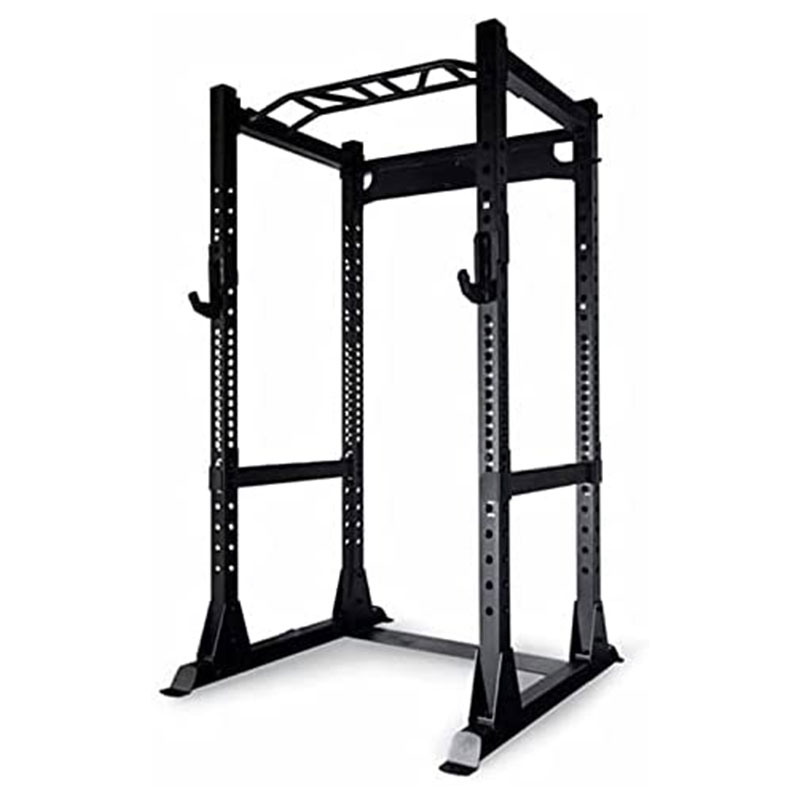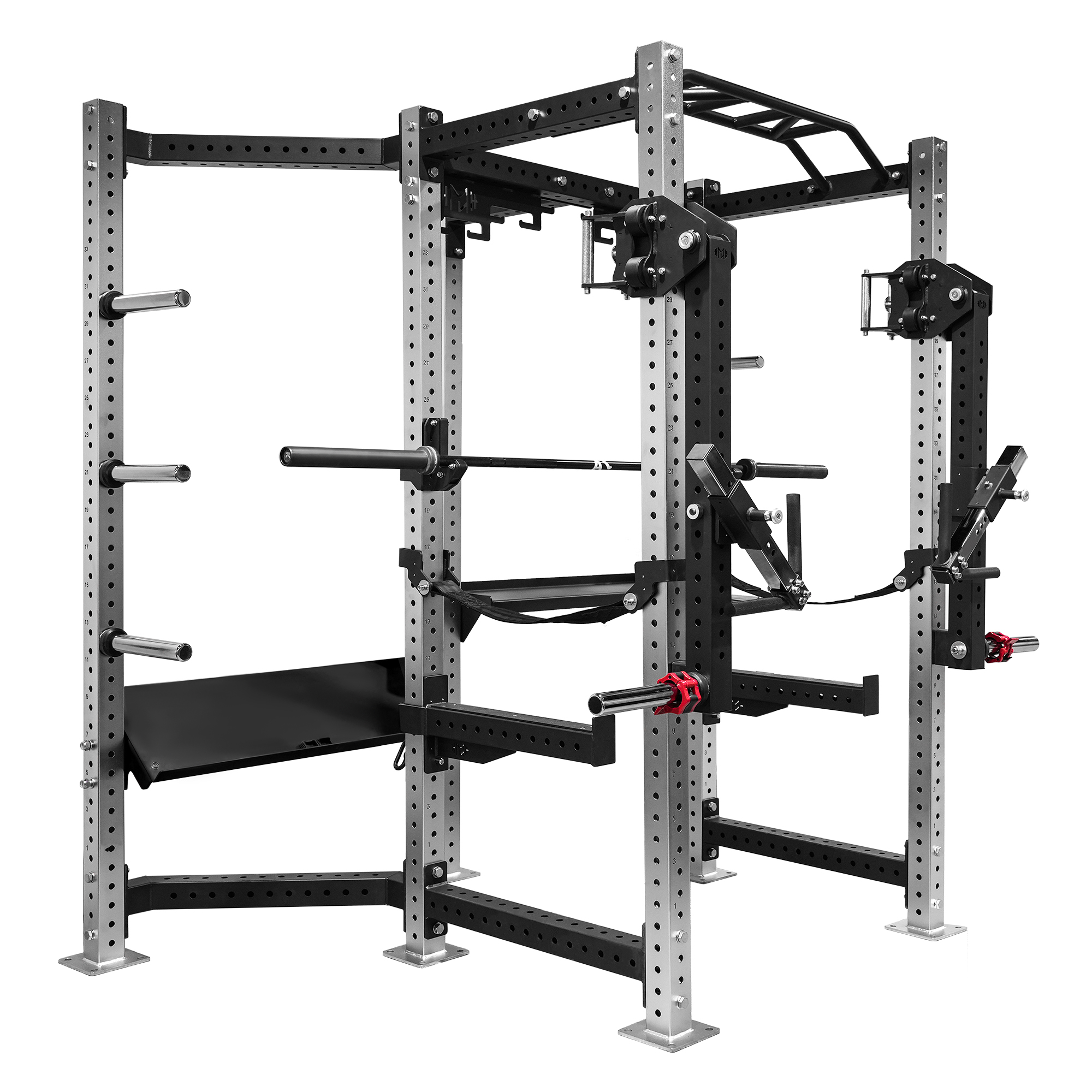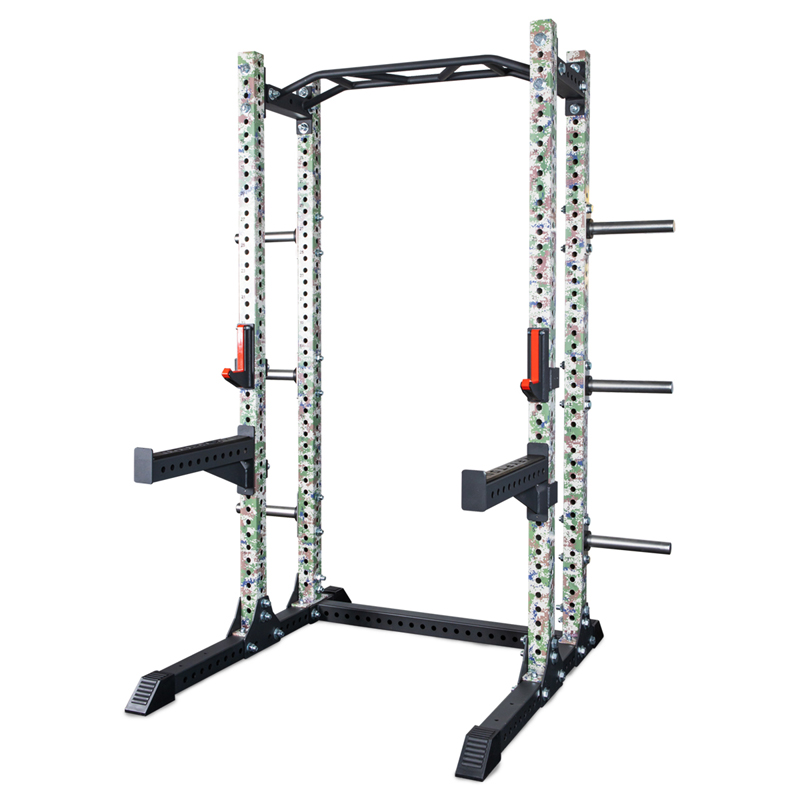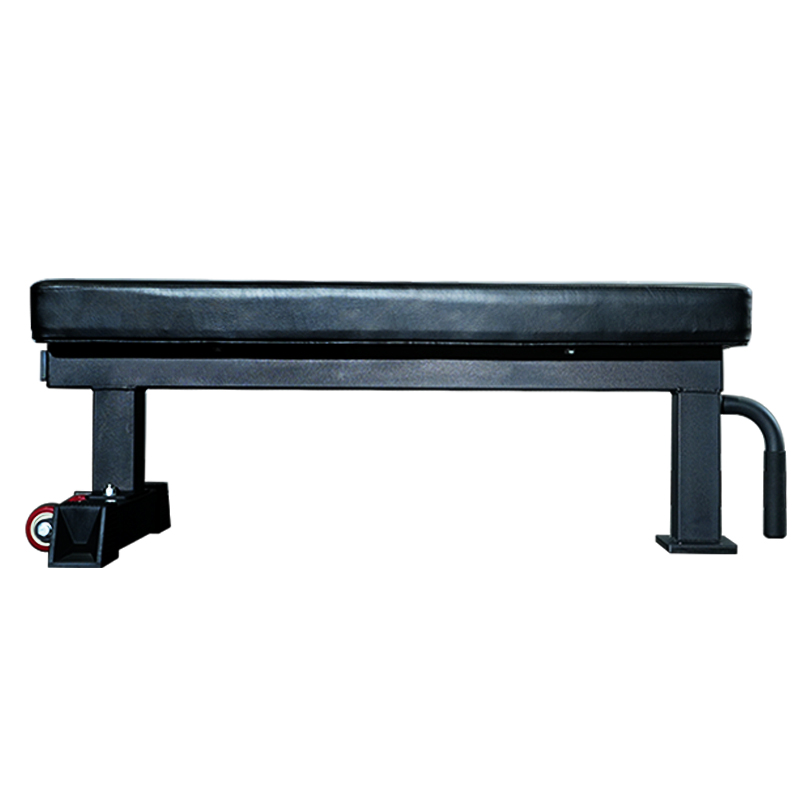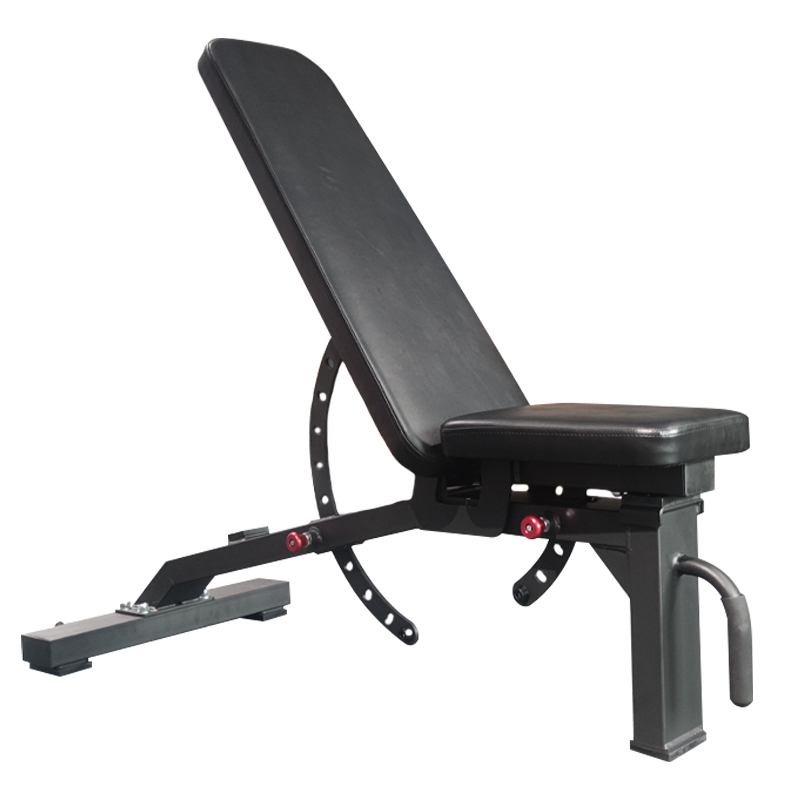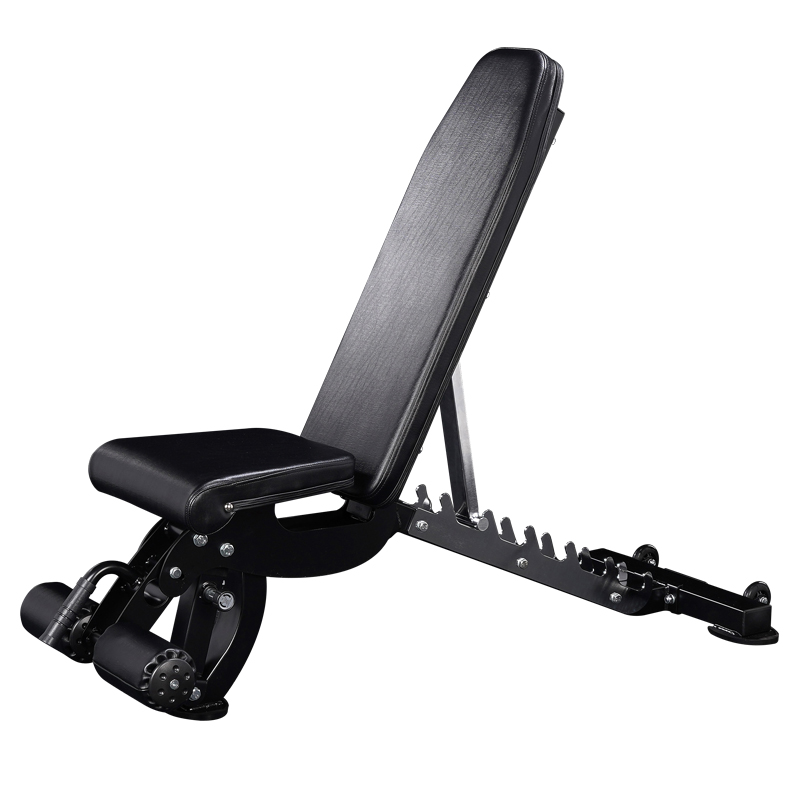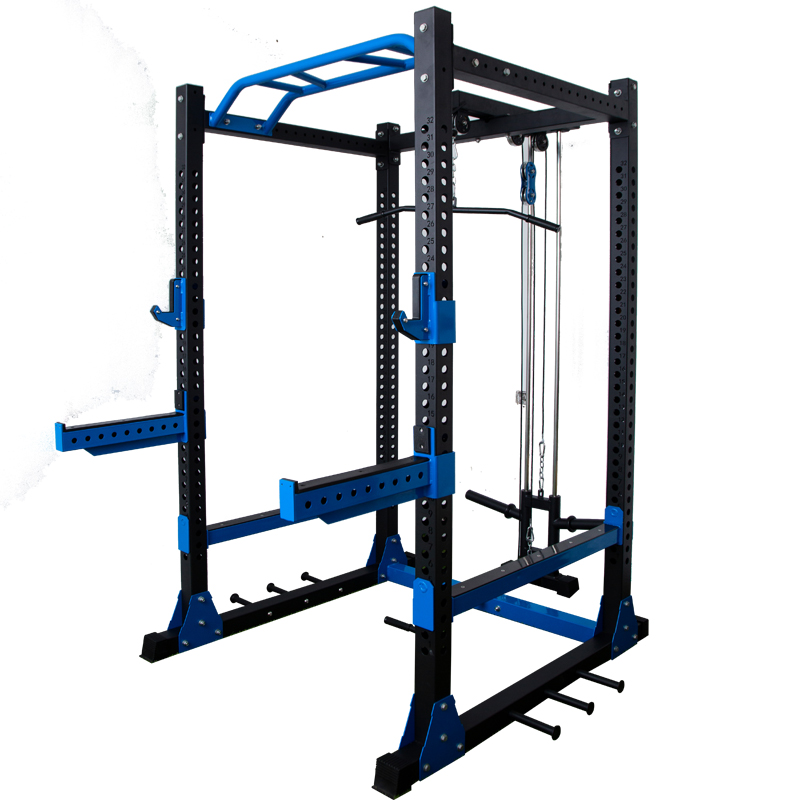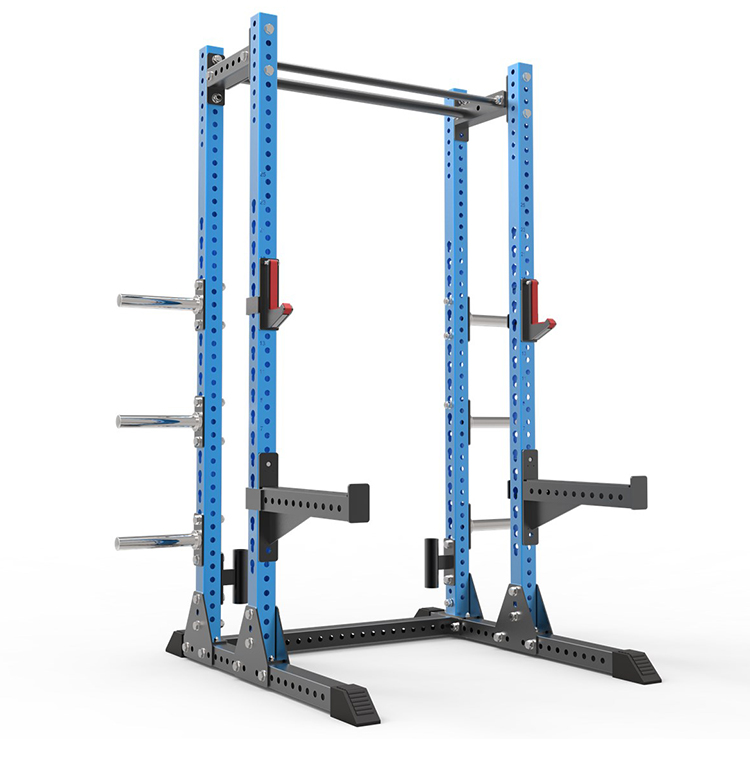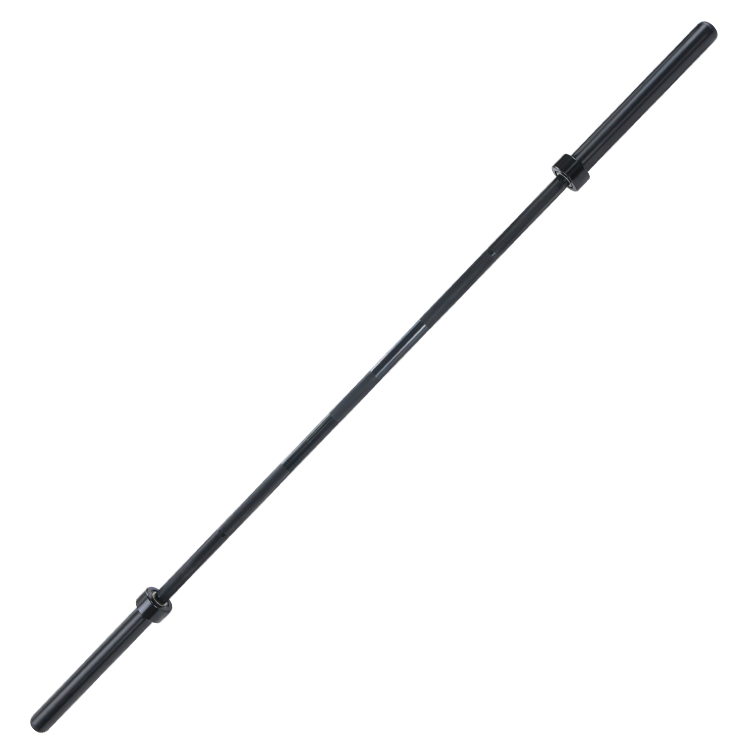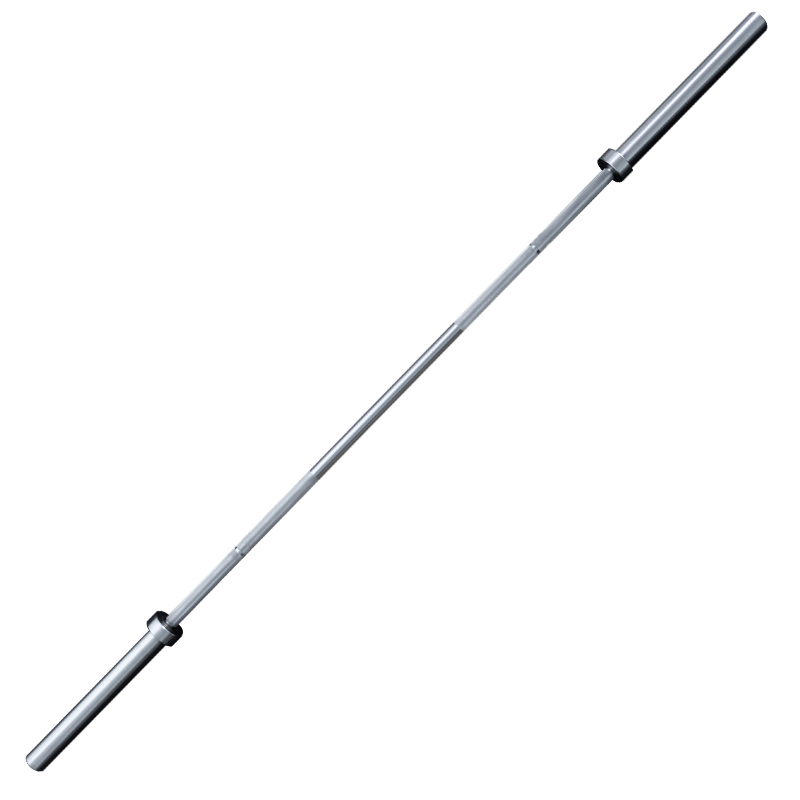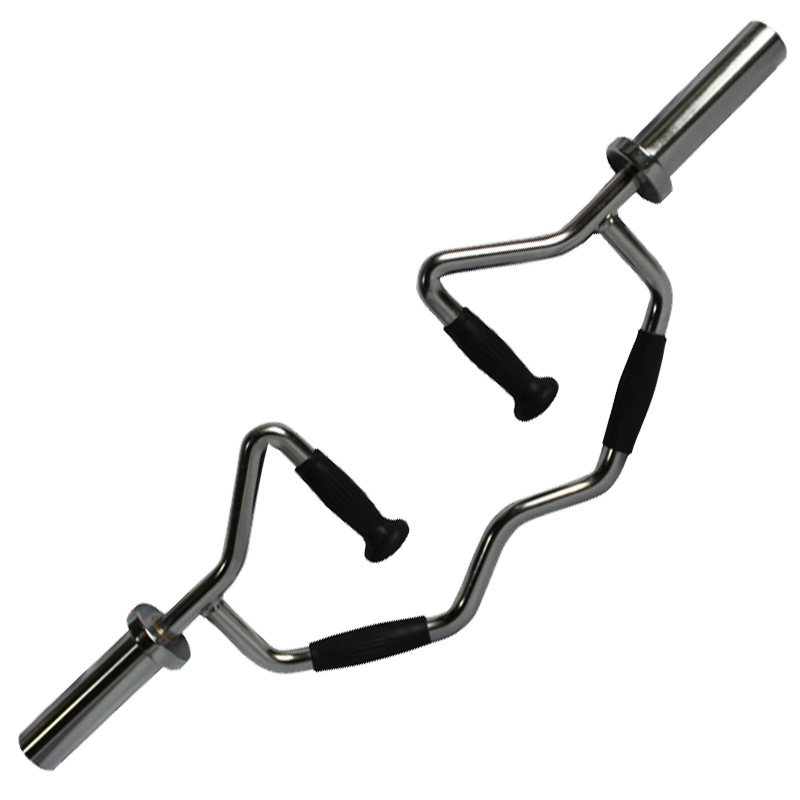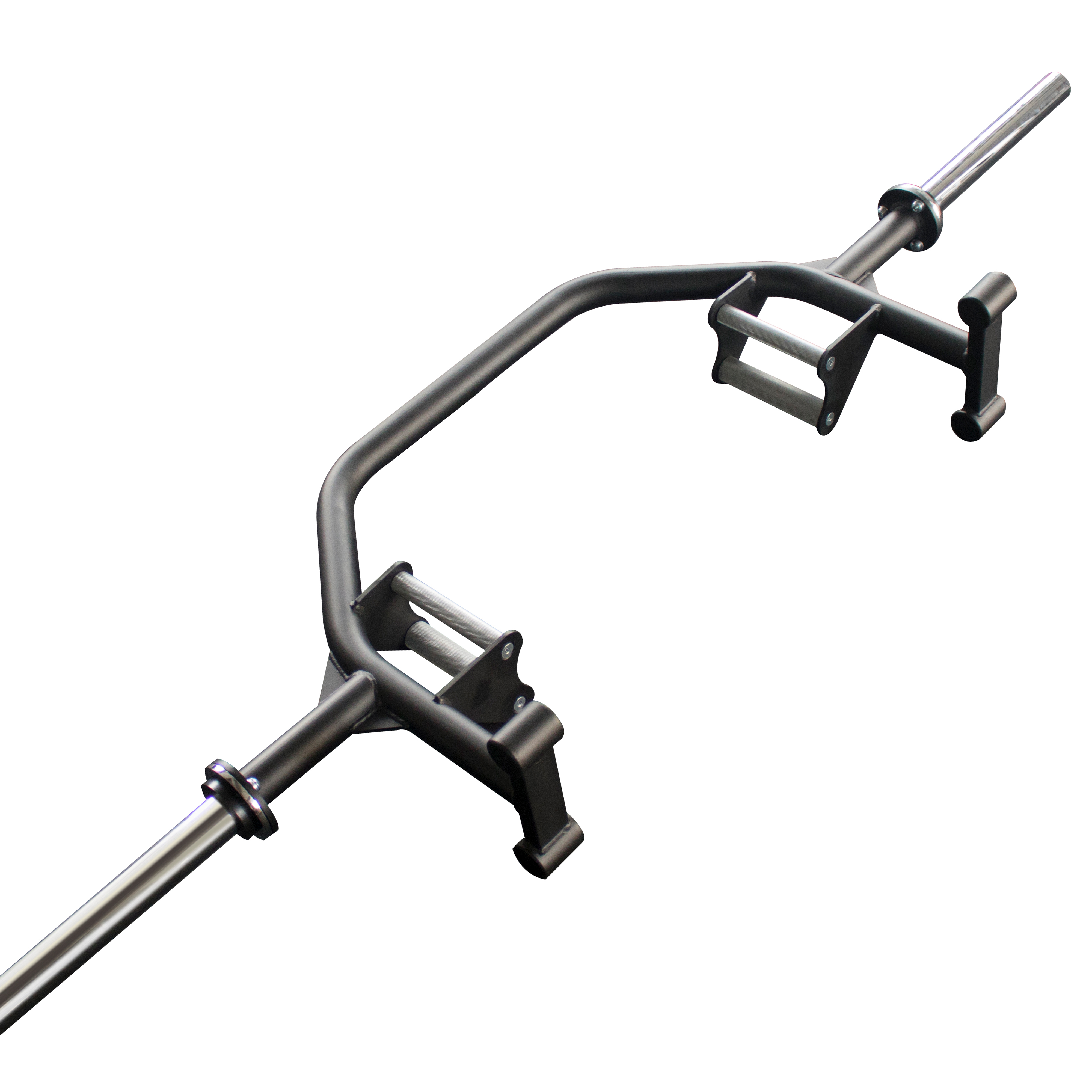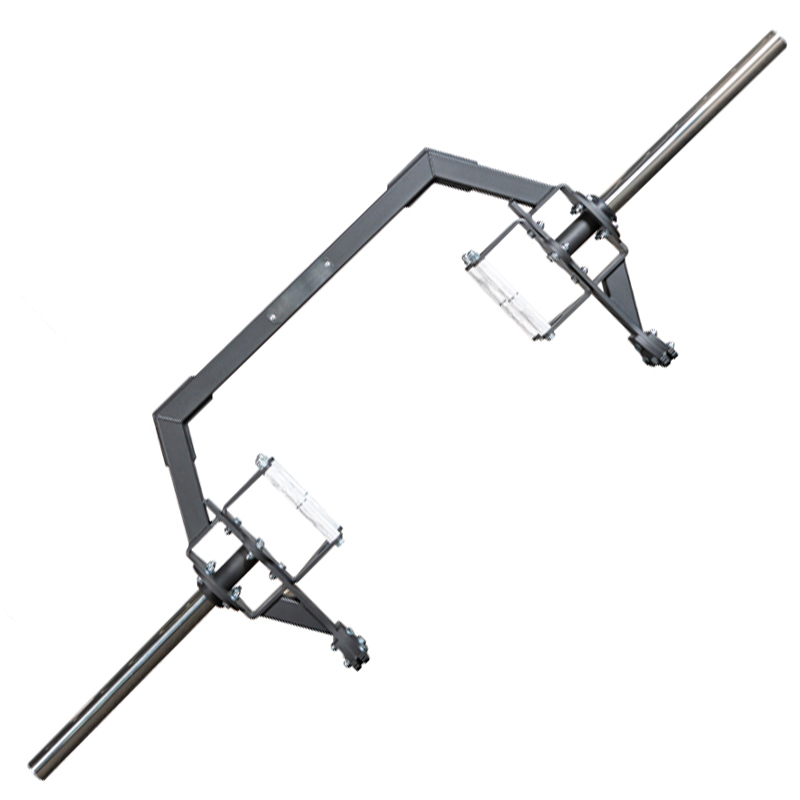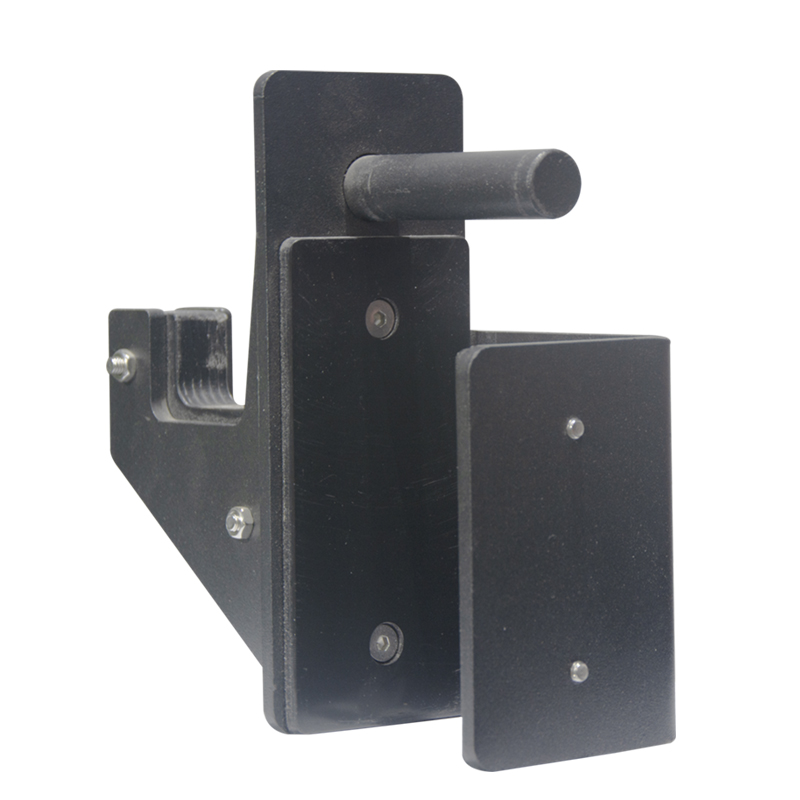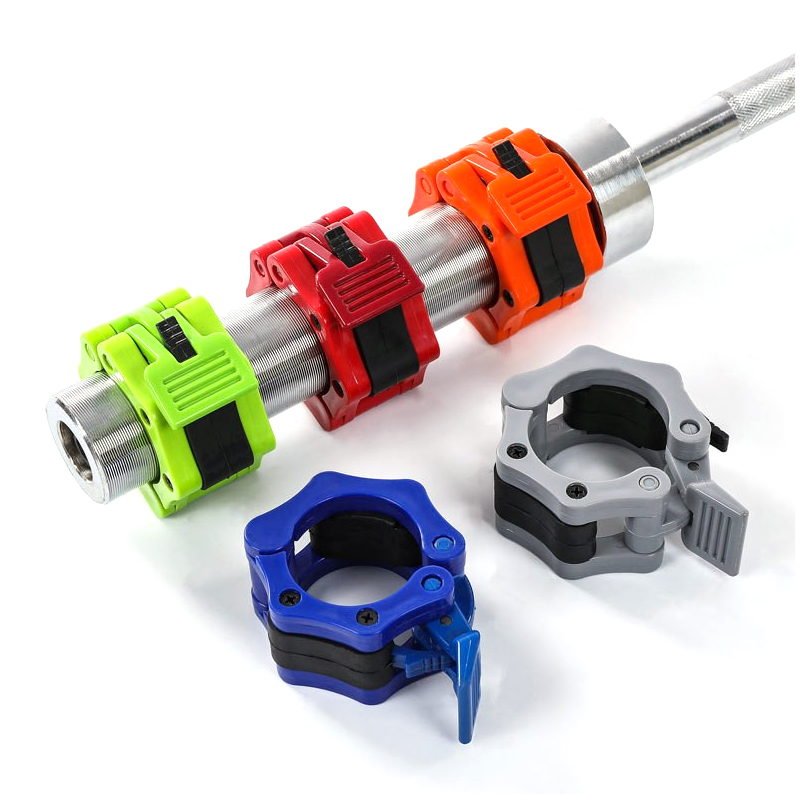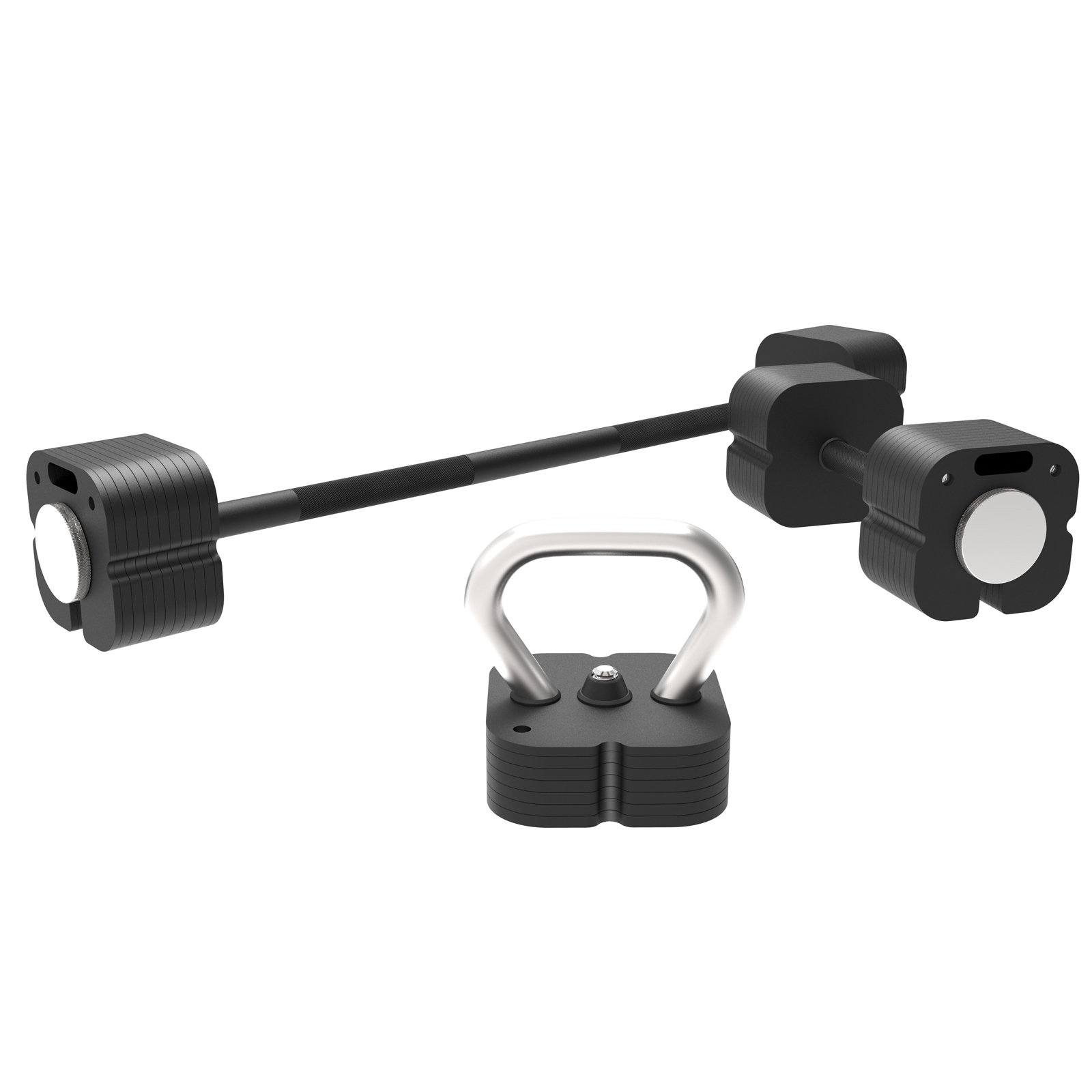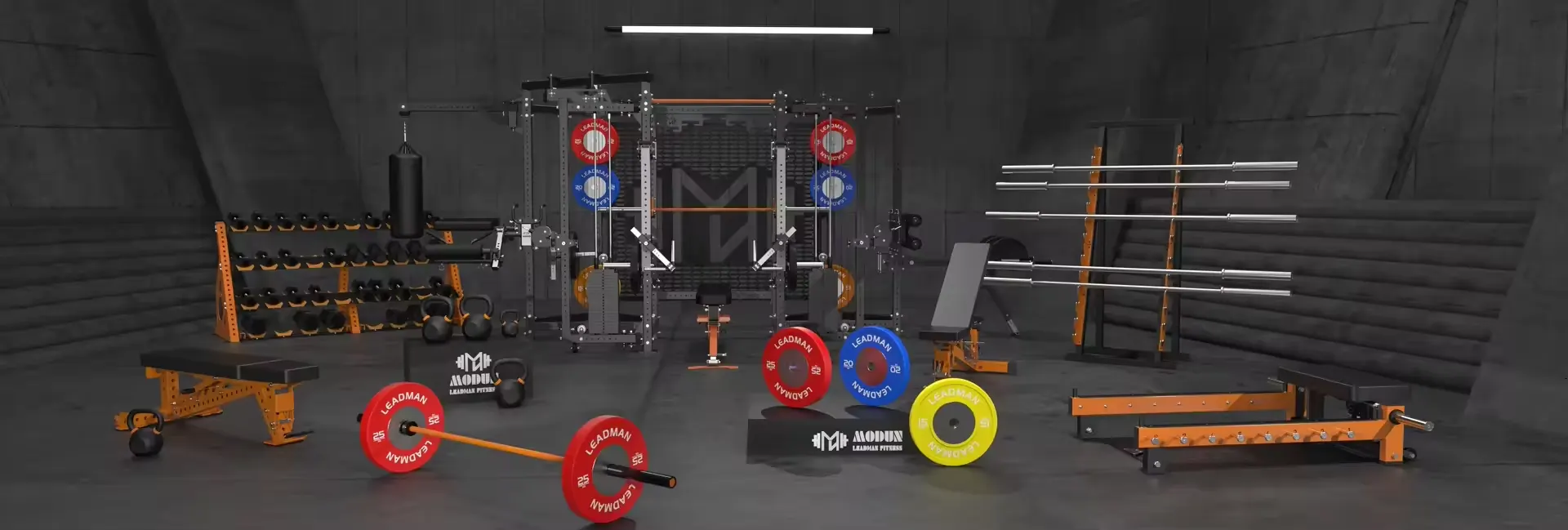
A adjustable bench and squat rack combo unit integrates a full squat stand with a multi-angle weight bench, creating a compact strength station for home and commercial gyms. The rack features height-adjustable J-hooks and safety spotters, typically accommodating 50mm Olympic bars. The bench offers 3-7 back pad angles (flat, incline, decline) and a removable leg developer option. Combined footprints range from 48″ x 48″ to 72″ x 60″, supporting user weights up to 600+ lbs. Unlike separate purchases, combo systems reduce cost and space but require welded 11-gauge steel frames for stability during heavy squats. Buyers should verify the rack’s hole spacing (1-inch for precise J-hook positioning) and the bench’s pop-pin adjustment mechanism for secure angle locking.
The most critical performance factor is the rack’s base stability. Inadequate footplates or missing rear stabilizers allow forward tipping when re-racking 300+ lbs. Top designs use 3x3-inch uprights with 1-inch hole spacing and 15-inch deep feet. The bench’s back pad must lock without wobble at incline angles; gas-assist models reduce effort during changes. For home gyms, a detachable bench that stores under the rack saves floor space. Weight capacity ratings combine bench (600+ lbs) plus rack (800+ lbs for squat catches). Entry-level combos use 14-gauge steel (2mm) which flexes under heavy loads; commercial-grade units use 11-gauge (3mm). Accessory options include dip bars, landmine posts, and plate storage pegs. When choosing between bolt-together or welded designs, welded frames eliminate bolt-loosening over time but are harder to move. Always check that the bench’s rear wheel placement does not interfere with squat foot positioning.

Let our experts design the perfect gym solution for your business. Get a free consultation and quote today.