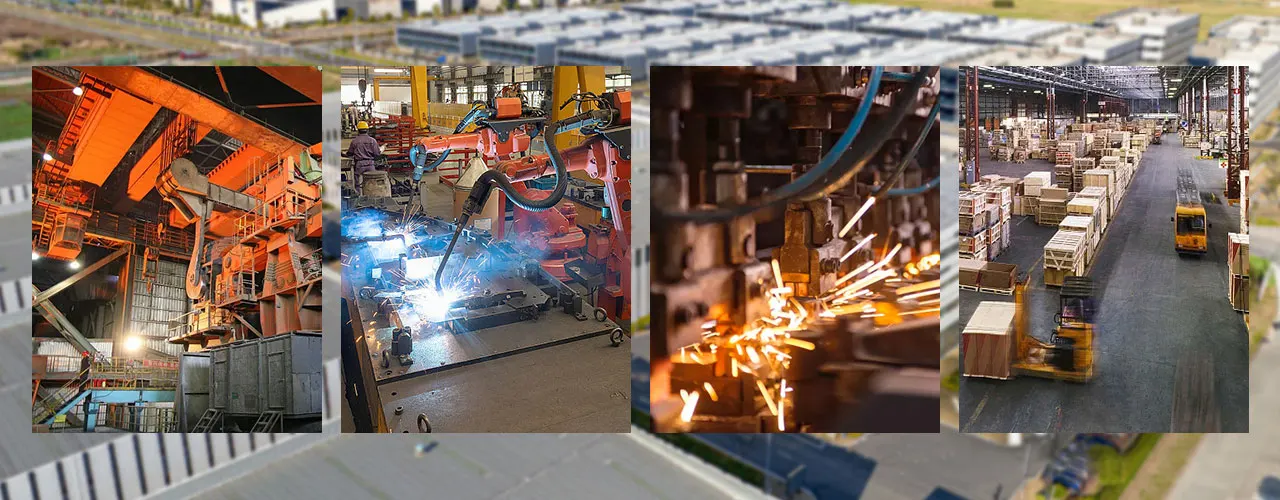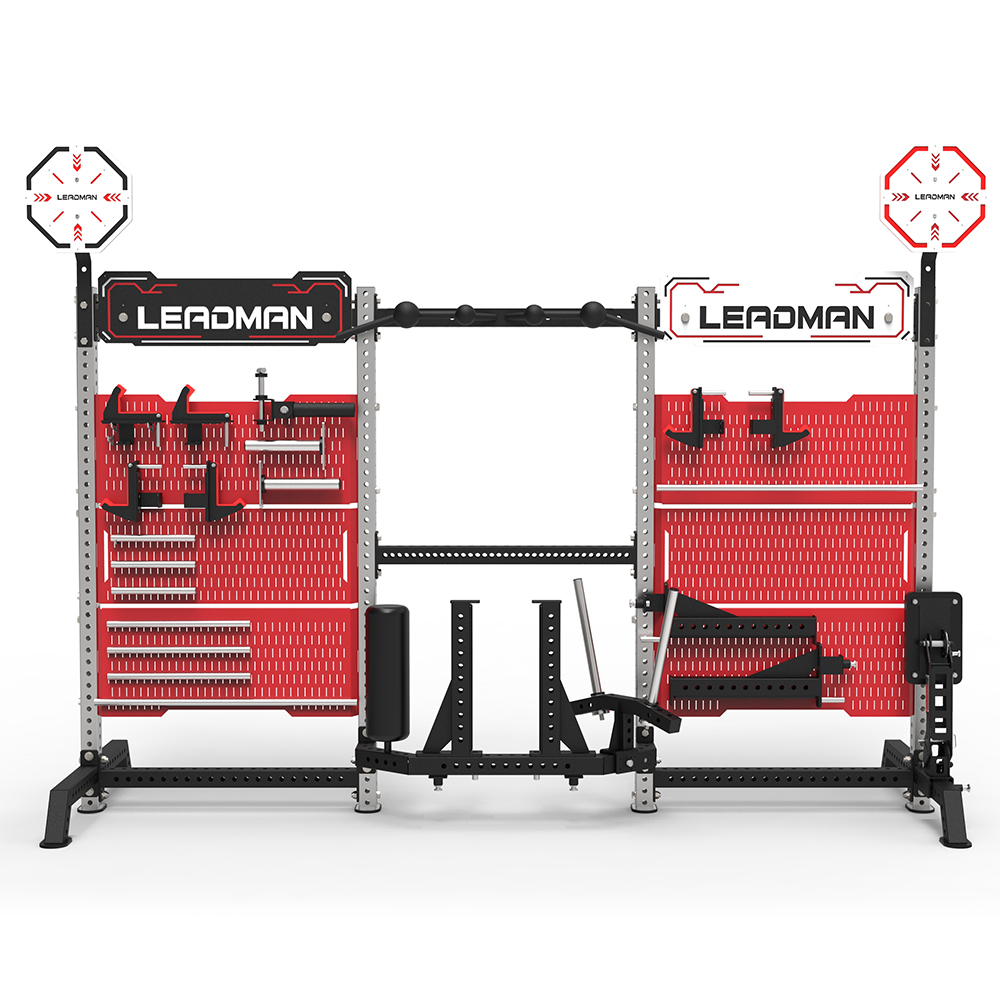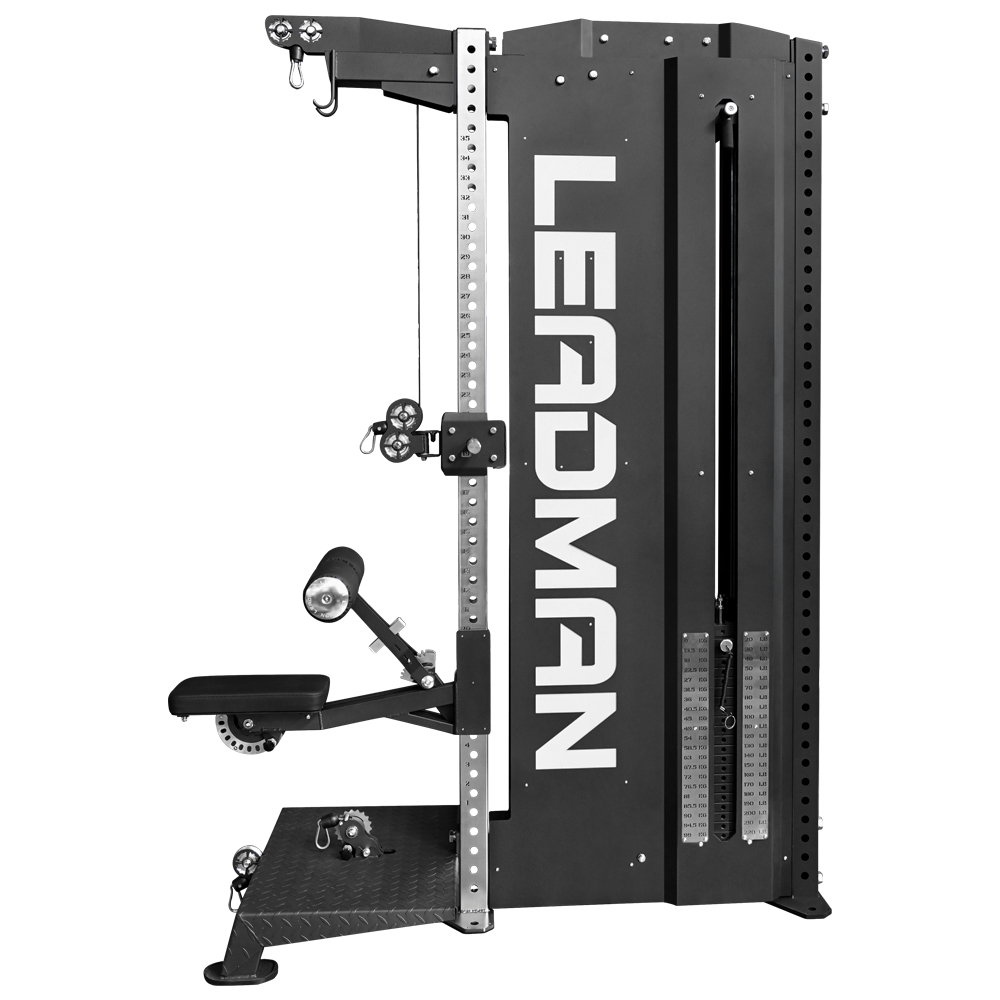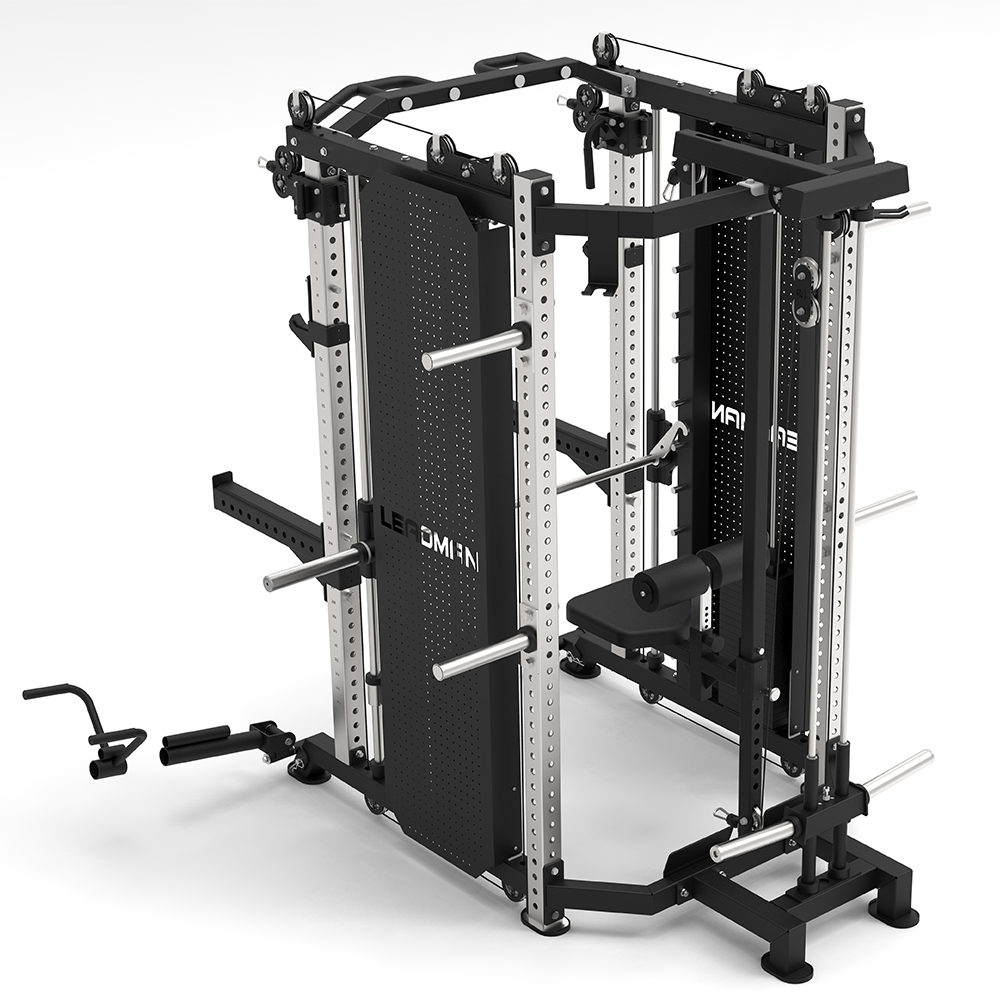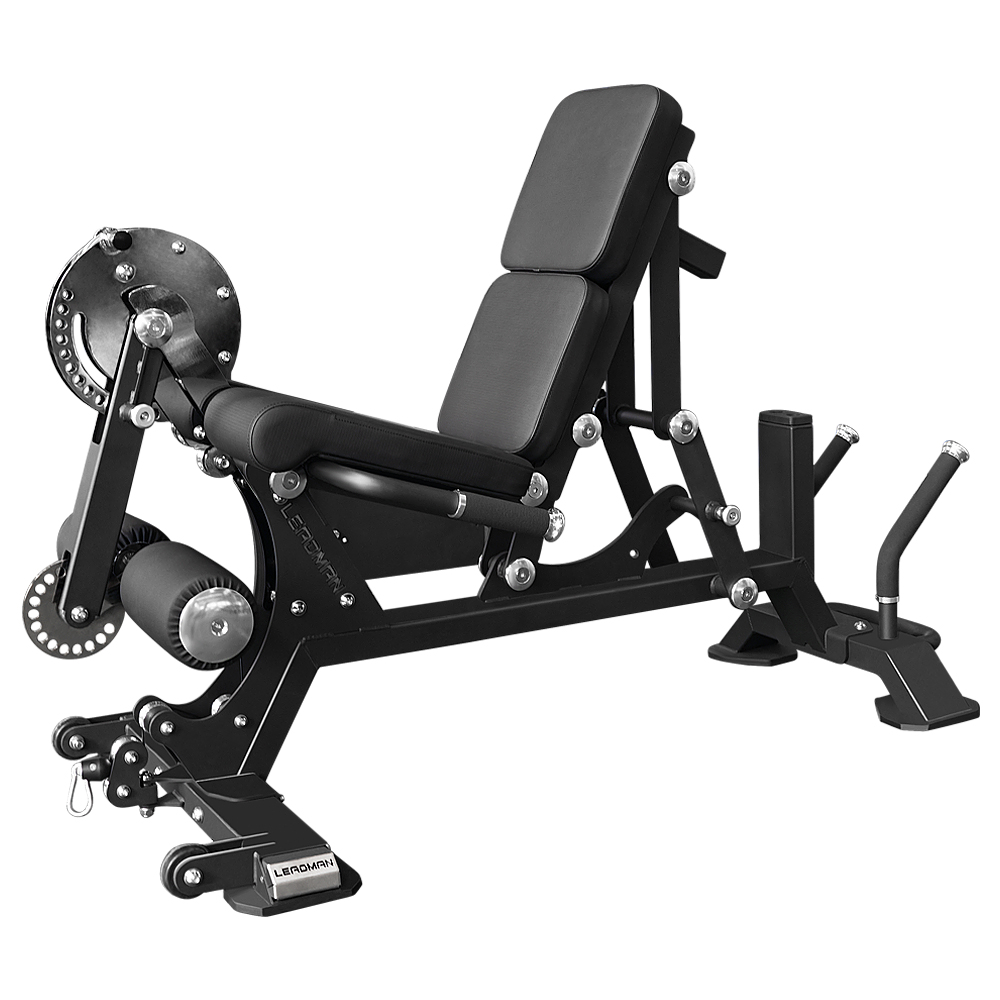
A Strength Training Equipment Manufacturer is a production entity focused on selectorized machines, plate-loaded equipment, power racks, and benches. Unlike a complete-set manufacturer, the core of this position is not product line breadth but control depth over load-bearing structure, welded joints, and assembly precision. The failure modes of strength equipment are entirely different from cardio equipment: the core of cardio is motor and belt durability, while the core of strength is the structural integrity of welded joints under long-term fatigue loading.
Load-bearing joints do not carry a one-time static load — they carry tens of thousands of repeated loads. Joint performance under these cycles determines whether the equipment is still safe three years later, and this cannot be judged from weld bead appearance. Robotic weld beads are naturally even, and after fixture wear the appearance does not change while penetration drops. What actually reflects process control is fixture maintenance records, welding parameters recorded by batch, and post-weld structural sampling on load-bearing joints. A qualified Commercial Gym Equipment Manufacturer can produce specific records on these points, not just a statement that “our quality is good.”
Selectorized machine cables endure repeated bending, and multi-strand fine-wire construction suits this working condition better than fewer-strand coarse-wire construction — this is about bending fatigue life, not breaking strength. Cable coating material (nylon or PVC) determines wear resistance and internal corrosion risk. At the assembly stage, pulley alignment, guide rod parallelism, and whether cable routing is positioned with tooling determine pull smoothness and cable wear. These variables are completely invisible from the outside and can only be confirmed through specification questions and assembly records. The production line configuration that supports assembly precision is explained more specifically in the line structure section of the Commercial Gym Equipment Factory topic.
Look at process records, not sample performance. Samples are selected; bulk is run by the production line. Ask for shipping records across three consecutive batches and compare parameter fluctuation, ask whether welding parameters and fixtures are re-validated when switching batches, and ask about cable strand construction and coating material. The quality of these answers says more about the manufacturer’s real level than any statement about “twenty years focused on strength equipment.” When screening strength equipment suppliers among Gym Equipment Manufacturer China operations, record completeness is a more reliable predictor than equipment age.