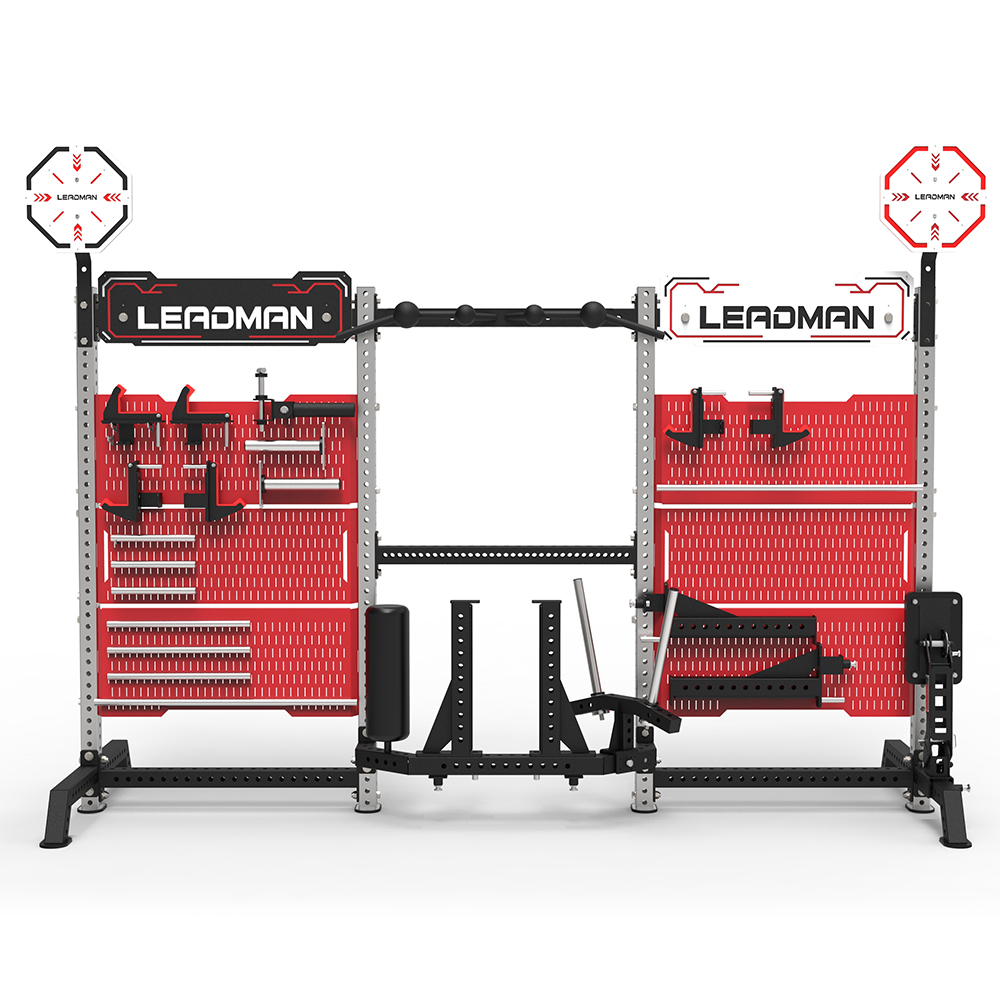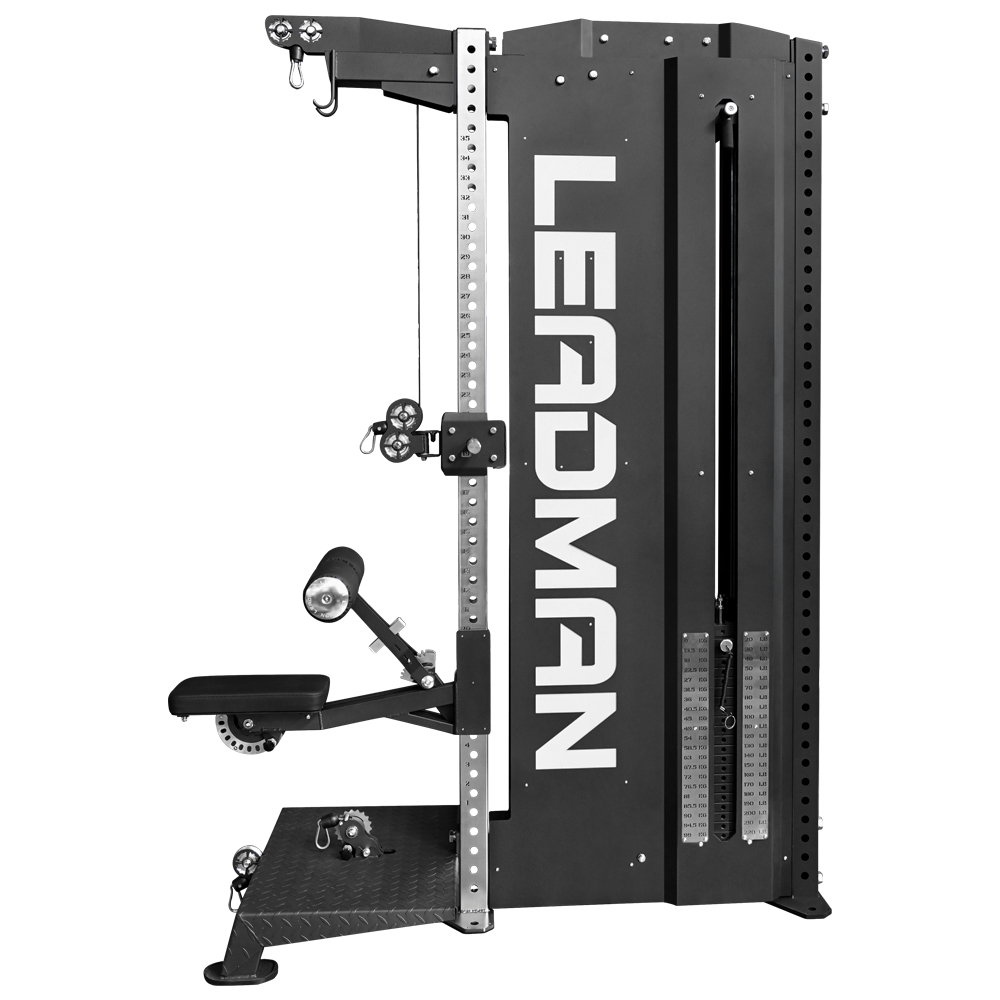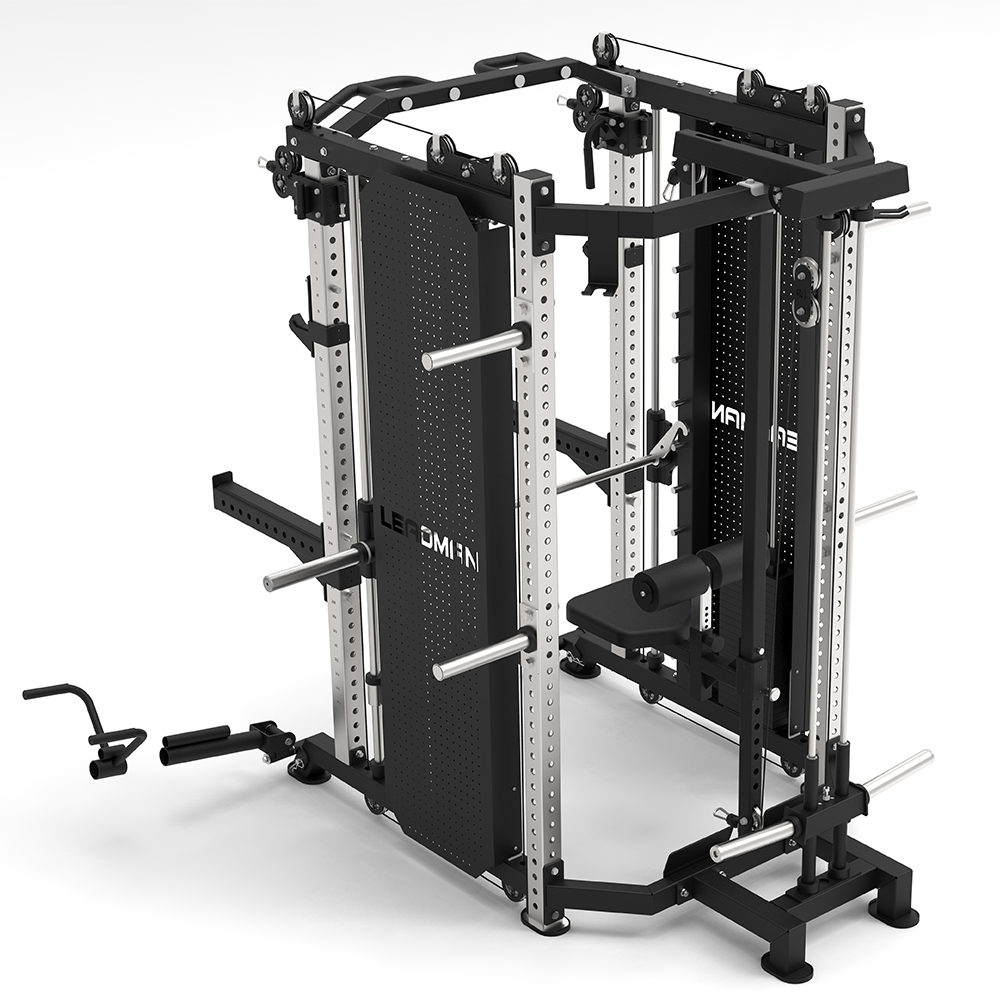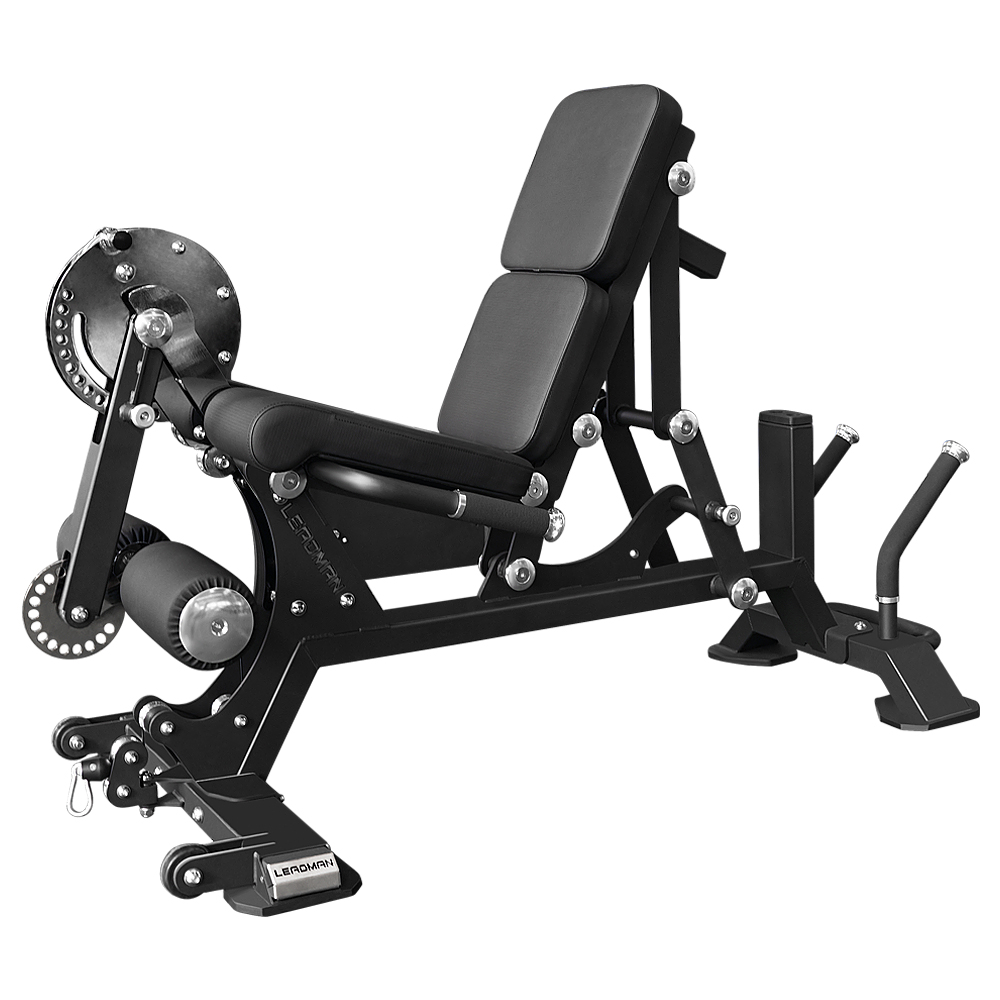
A Gym Equipment Manufacturer China refers to an entity that completes the design, production, and assembly of fitness equipment within China, and is one of the major sources of global commercial gym equipment supply. Evaluating Chinese manufacturers cannot rely on generic trade due diligence checklists or platform verification badges alone. Its particularity lies in the supplier density created by industrial clusters, the prevalence of integrated manufacturing-trading structures, and the information gap between platform badges and actual production capability — all of which require dedicated verification logic.
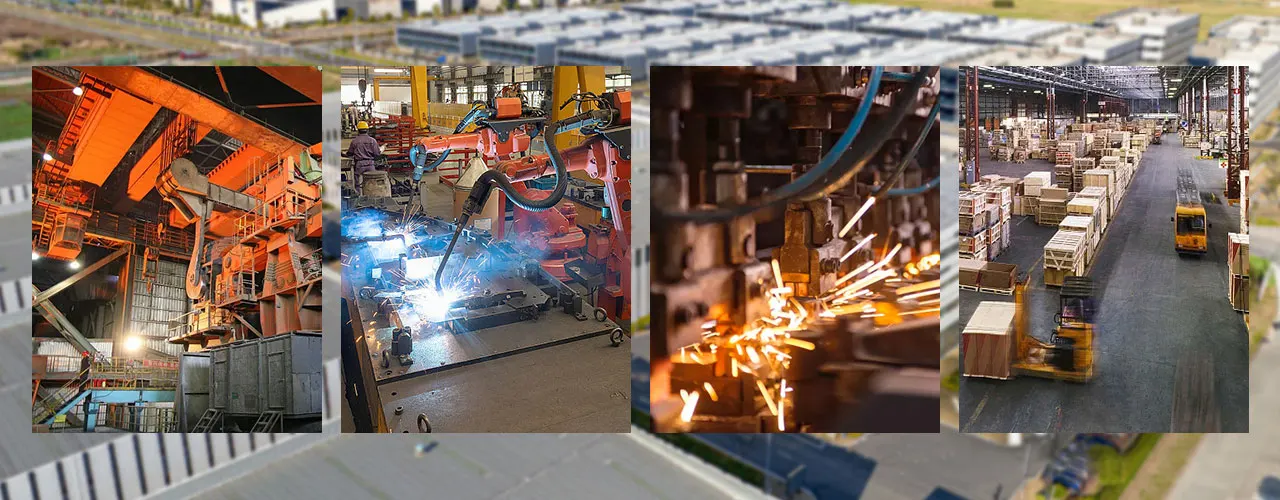
The benefit of industrial clusters is complete supply chains and fast response; the difficulty is high supplier density, which makes it easy for trading companies to pose as factories. Showing a customer a partner factory’s line, renting a workshop to shoot video, or pointing to any factory in the cluster and calling it “our branch” are all low-cost tactics in a cluster environment. So the focus of verification is not “is there a line to see,” but “does the line being shown belong to this company.” Live video route, nameplate-to-license comparison, and the quality of technical answers are three effective verification actions that require no professional background. This logic is explained more specifically in the production line assessment section of the Commercial Gym Equipment Factory topic.
In Chinese manufacturing, it is common for the sales company and the production factory to be in different locations. The company is registered in the city for marketing, sales, and export, while the factory in another region handles production, with a cooperative or equity relationship between them. This structure itself is not a risk. The risk is when the relationship cannot be explained, when no documents can be produced, or when the supplier is unwilling to let you see the factory. Changing the judgment standard from “are they the same entity” to “is the relationship transparent and verifiable” is the most important cognitive adjustment when evaluating Chinese manufacturers. The same logic holds in the complete-set capability context of the Commercial Fitness Equipment Manufacturer, except the verification object shifts from a single factory to multi-category production lines.
A platform verification badge proves that “this company exists and has basic operational traces,” and that a third-party agency conducted a one-time on-site audit. It does not prove that this factory has a welding fixture maintenance system for strength equipment, a coating pre-treatment line, or cable specification control. A badge is a threshold, not an endpoint. After the badge is not enough, the buyer’s own verification actions must land on category-specific capability: live operating status of the strength equipment line, cable strand construction, and a specification document for a specific model rather than a series catalog. A buyer who relies only on badges will completely lose the ability to judge category-specific quality differences.
Verification is done, and you are ready to pay the deposit. The risk at this stage is not product quality — it is fund safety. The receiving account name must match the contracting entity; personal accounts, unrelated third-party accounts, and sudden account changes close to payment are all high-risk signals. The company seal and signatory authorization on the contract need verification, and if the signatory is not the legal representative, authorization documentation should be required. Payment milestones should tie to production milestones rather than a full prepayment to a non-corporate account. If these checks are not done well, all the verification work before can be wasted.