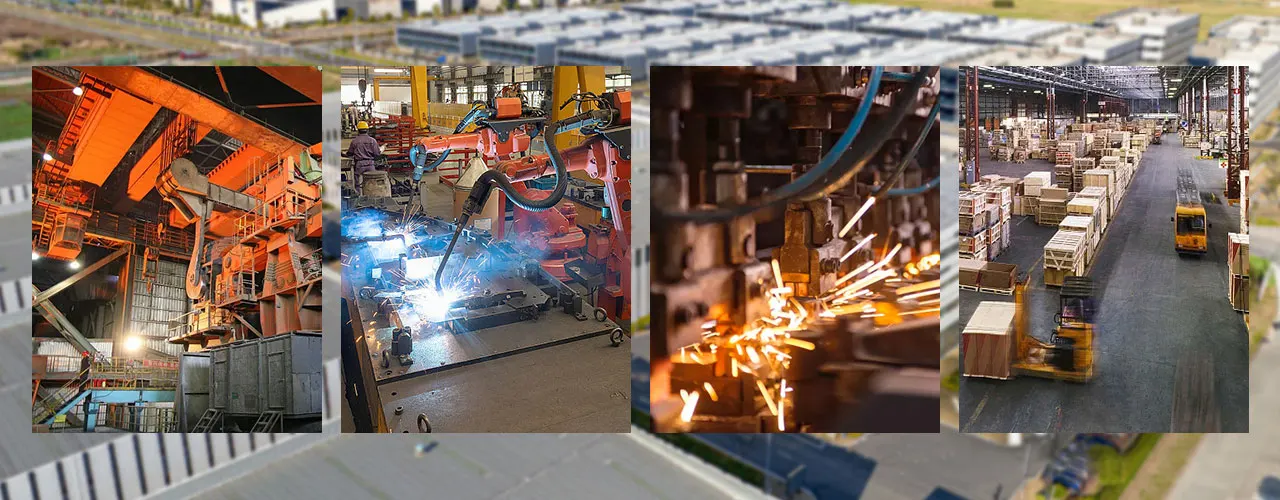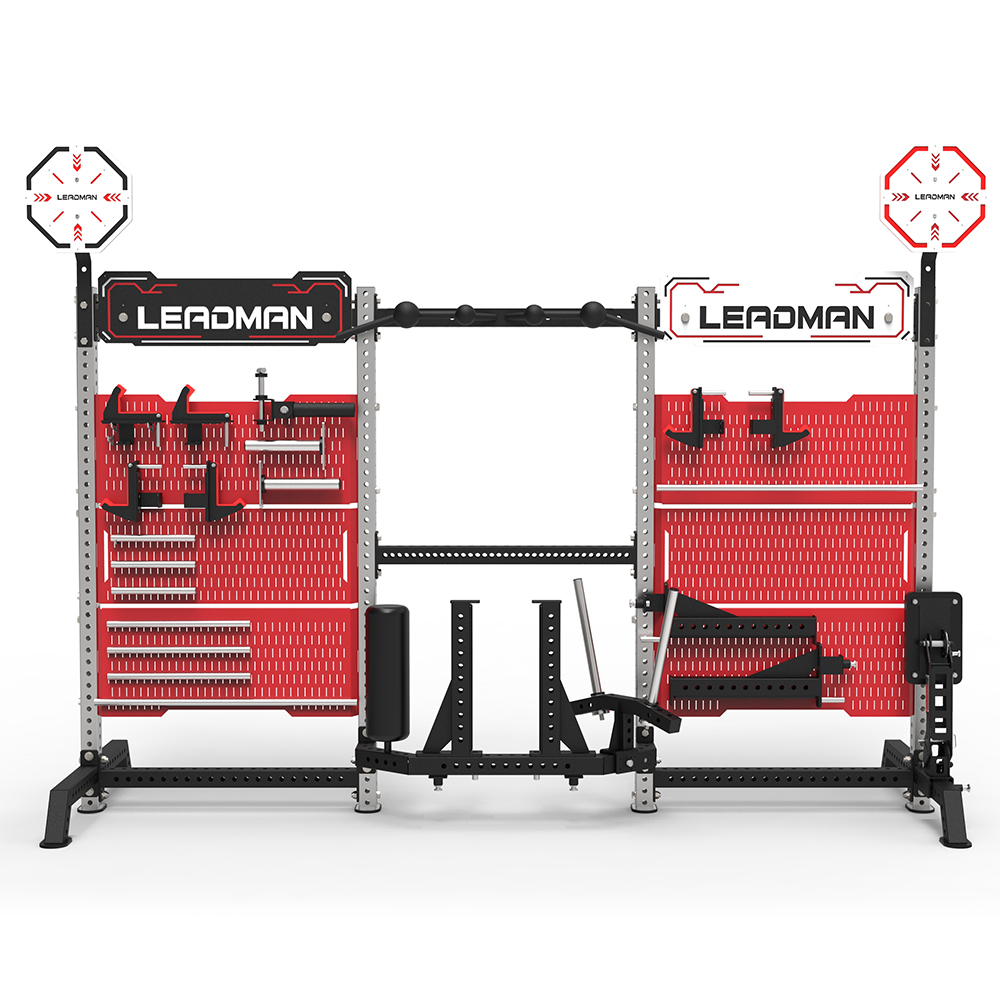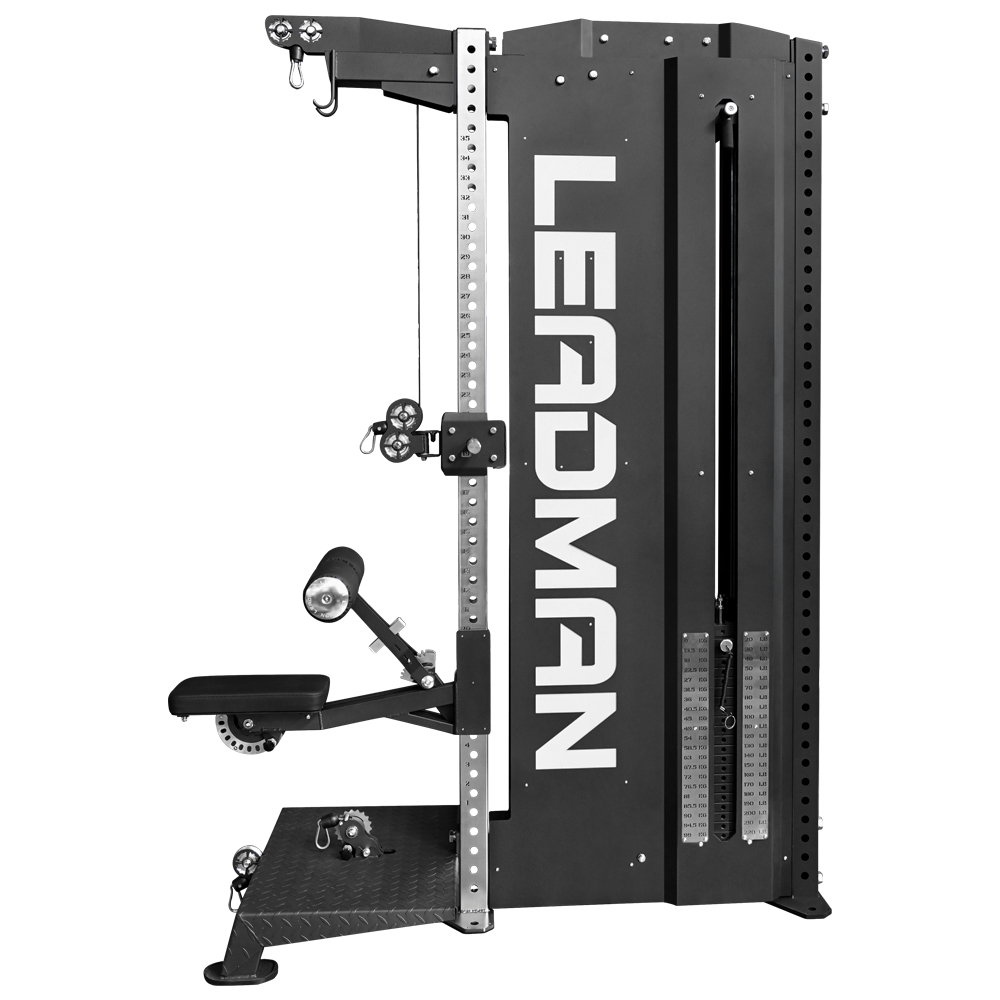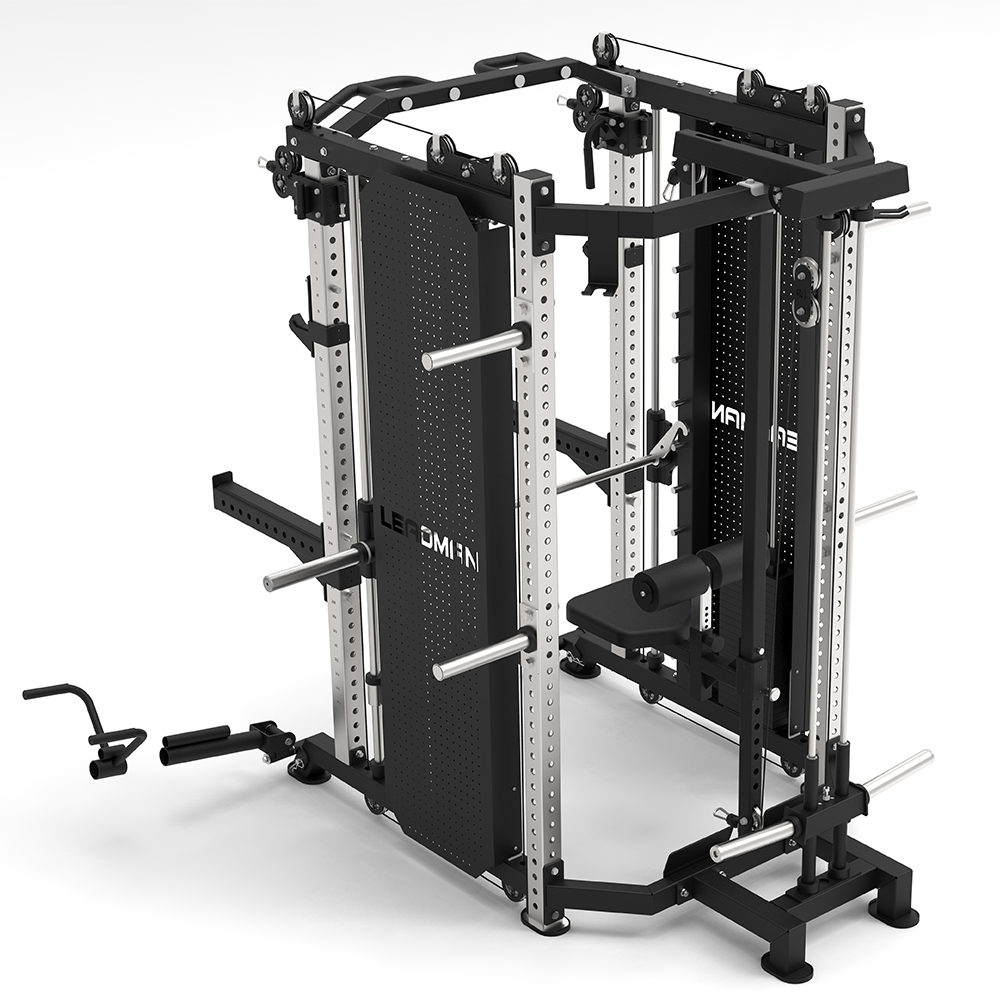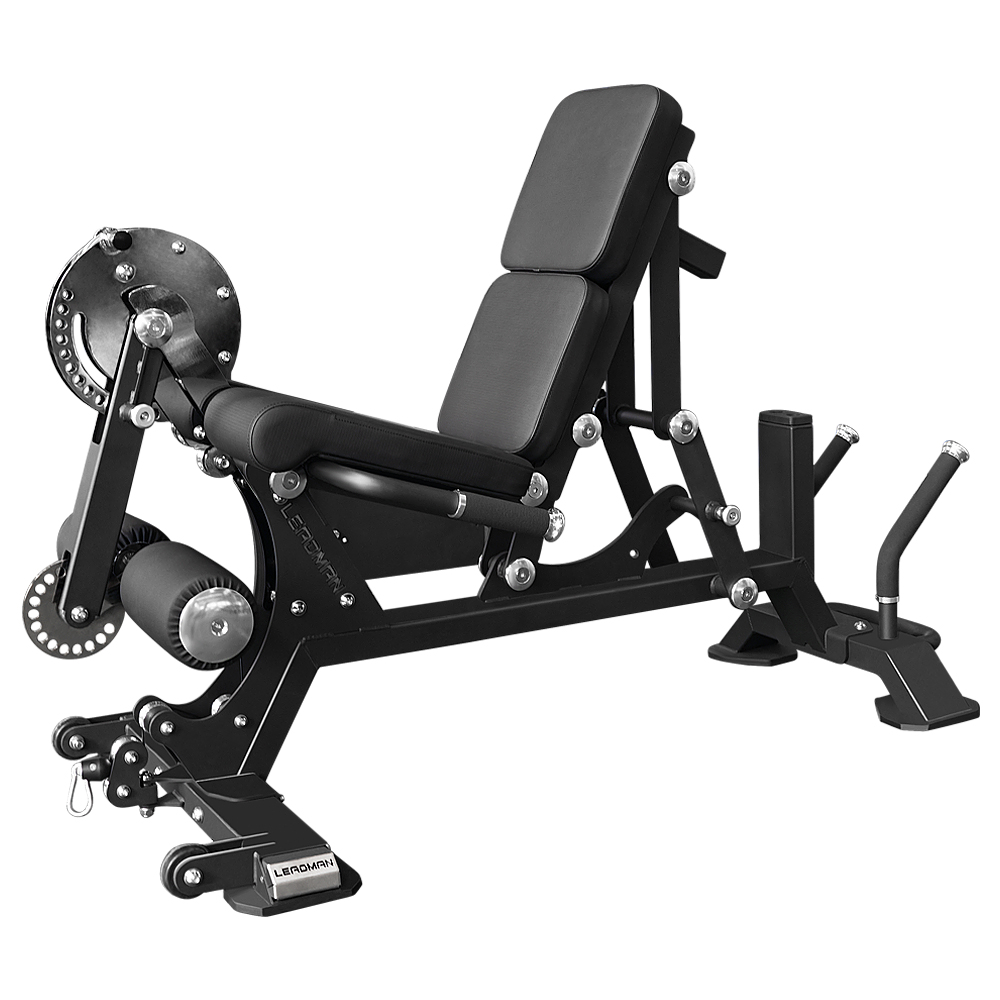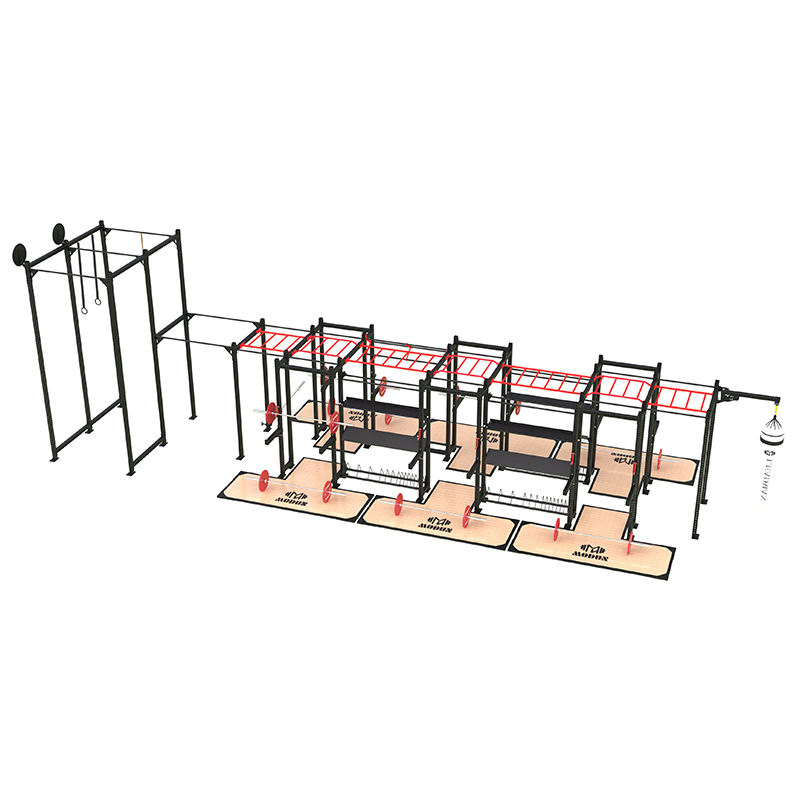
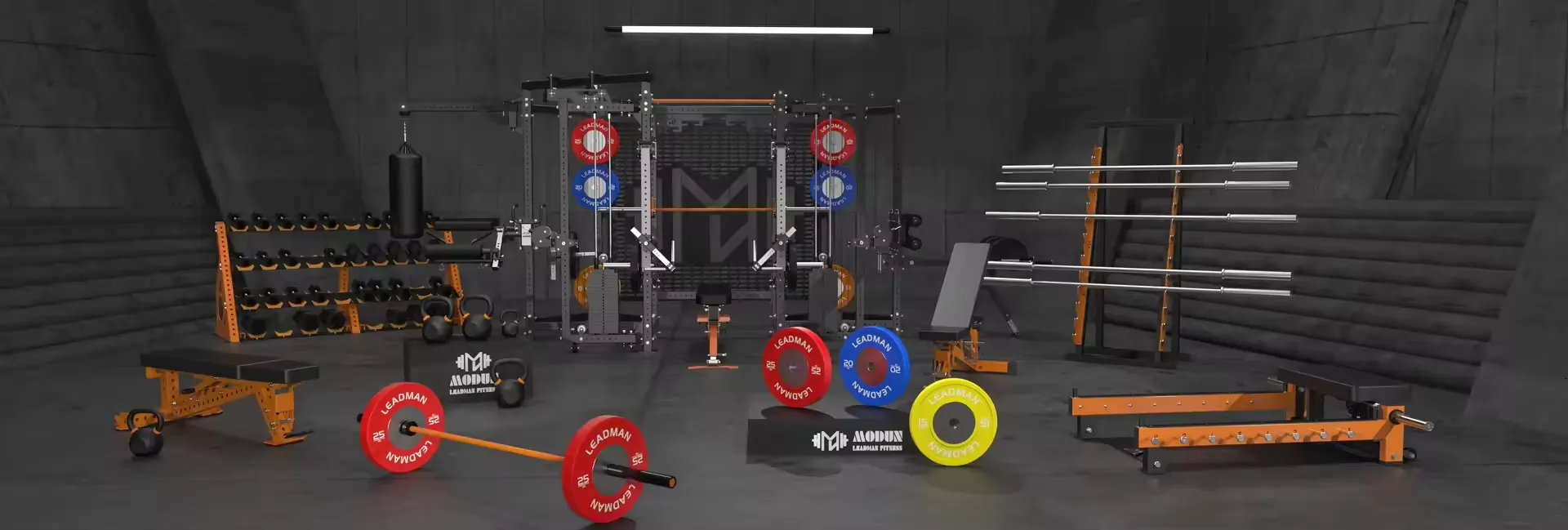
A Commercial Fitness Equipment Manufacturer is a production entity that supplies complete equipment sets for gyms, hotel fitness centers, corporate fitness spaces, and clubs. Unlike a single-category manufacturer, this position emphasizes the completeness of the equipment combination: whether the configuration logic across strength zones, cardio zones, and free weight zones holds together, rather than how well any one product is made. Complete-set capability is not category stacking — it requires the manufacturer to understand how usage flow, space footprint, and maintenance rhythm coordinate across different equipment types.
The core of complete-set capability is not the length of the product catalog, but whether different categories share the same process standards and record system. Motor specifications on cardio equipment, welding fixtures on strength equipment, and coating treatment on free weights represent three different process logics, but they should be governed by one quality system. If a manufacturer keeps complete parameter records on its cardio line but performs only visual inspection on its strength line, its complete-set capability is assembled rather than organic. This point has a more foundational explanation in the Commercial Gym Equipment Manufacturer position — depth in a single category is the prerequisite for complete-set capability.
The difference is not “can it make it,” but “can it coordinate.” A single-category factory perfects one type of equipment. A complete-set supplier must ensure interface consistency across categories in the same space: whether strength and cardio frames share the same coating standard, whether spare parts are common across equipment types, and whether maintenance cycles can be coordinated. A supplier with weak coordination looks complete at delivery, but two years later the operator discovers that every category requires separate service, separate spare parts, and a separate contact. The boundary of complete-set capability is often exposed only at the after-sales stage.
Look at cross-category consistency, not single-product perfection. Ask whether the same coating standard applies to strength equipment and cardio housings, whether pulleys and cables are shared across categories, and whether cross-category orders are signed off by the same quality lead. The answers carry more weight than any statement that “our product line is complete.” When sourcing complete sets from a Gym Equipment Manufacturer China operation, this point deserves extra time, because the more categories involved, the harder cross-category consistency is to maintain.