

Why Wholesale Dumbbell Sets Are a Cost-Effective Choice for Fitness Facilities
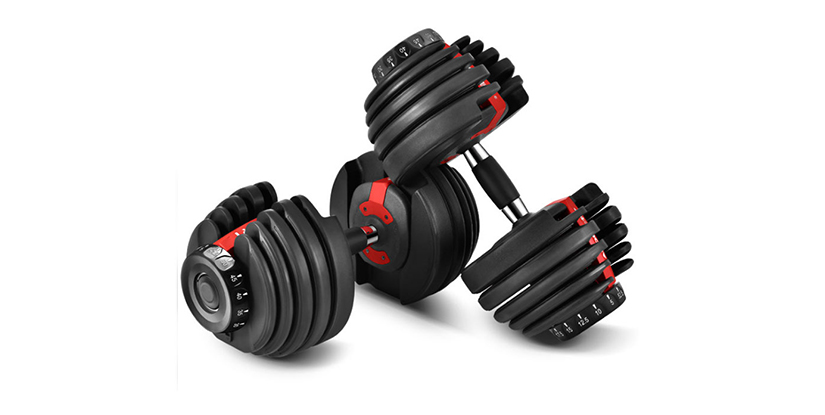
Addressing the High Overhead of Individual Equipment Sourcing
Facility managers and procurement officers often face a recurring crisis: the escalating cost of maintaining a progressive weight selection. When sourcing equipment piece-by-piece, the logistical overhead, inconsistent shipping costs, and varied manufacturing standards create a fragmented inventory that is difficult to manage. The primary pain point is the 'incremental cost creep,' where the price of individual dumbbell pairs, plus separate freight charges and handling fees, far exceeds the budgeted capital expenditure for a new training zone.
This problem is caused by the lack of standardization in small-batch orders. Every time a new weight class is added to a facility via a retail or low-volume channel, the procurement cycle restarts, incurring fresh administrative costs. To resolve this, operators must transition from reactive purchasing to structured volume procurement. By understanding the technical efficiencies found in wholesale structures, facilities can achieve much higher ROI. This shift in strategy necessitates a deeper look at the structural composition of the sets themselves.
The Cost of Inconsistent Manufacturing Standards
When purchasing outside of wholesale channels, operators frequently encounter variations in handle diameters and coating thickness. Such inconsistencies lead to uneven user experiences and potential safety hazards. A professional setup requires uniform technical specifications across all weight increments to ensure mechanical stability and grip reliability.
Establishing a unified procurement strategy through wholesale sets ensures that every unit in the facility meets the same engineering tolerances. Once the procurement model is stabilized, the focus must shift to the technical specifications that justify the bulk investment.
Evaluating Material Integrity in Wholesale Dumbbell Sets
Having addressed the logistical challenges of sourcing, the next critical step for any technical analyst is to evaluate the actual material integrity of the bulk order. A cost-effective choice is only effective if the product possesses the durability to withstand high-frequency commercial use. The core of the investment lies in the metallurgy of the weights and the resilience of the exterior coatings.
Common failure modes in low-quality sets often involve oxidation beneath the coating or delamination of rubberized surfaces. These issues are frequently caused by poor casting techniques or inadequate chemical bonding during the manufacturing process. When verifying a wholesale order, operators should demand detailed material composition sheets. For instance, a high-quality set should utilize high-density cast iron or solid steel cores, depending on the desired impact resistance.
| Material Type | Typical Application | Durability Profile | Maintenance Requirement |
|---|---|---|---|
| Cast Iron (Painted) | Standard Commercial Gyms | High impact resistance; susceptible to rust if coating chips | Low; periodic inspection for oxidation |
| Rubber Encapsulated | High-Traffic/Crossfit | Excellent floor protection; high durability | Moderate; check for rubber degradation |
| Neoprene Coated | Boutique/Studio Settings | Soft grip; aesthetic appeal | High; prone to tearing and color fading |
| Urethane Coated | Professional Strength Training | Extreme durability; chemically resistant | Very Low; virtually maintenance-free |
Selecting the appropriate material profile is a decision-driven process based on your facility's specific environment. For example, a facility with high-impact training may prioritize urethane, whereas a standard weight room might find cast iron more cost-effective. Understanding these material behaviors is the prerequisite for managing long-term equipment depreciation.
With the material choice established, the technical focus moves to the structural assembly of the dumbbell handles and the precision of the threading.
Precision Engineering of Handles and Grip Interfaces
The durability of the weights themselves is irrelevant if the interface—the handle—fails under load. A frequent mistake in procurement is overlooking the knurling specification and the grade of the steel used for the handle. A handle that is too thin or lacks sufficient knurling depth will result in grip fatigue and a decreased professional feel, which can lead to user dissatisfaction and higher turnover in a commercial setting.
The mechanism of failure in handles is typically centered around the threading or the weld point between the handle and the weight head. If the threading is not precision-cut, the weights may shift during high-intensity movements. To verify quality, operators should look for the following parameters:
- Knurling Depth: A medium-grade, consistent knurling is ideal for both grip security and long-term skin comfort.
- Handle Diameter: Standard professional diameters typically range between 28mm and 32mm to accommodate various hand sizes.
- Thread Strength: Ensure the connection between the head and handle is either a high-grade threaded bolt or a permanent, high-strength weld.
By ensuring these mechanical tolerances are met, you mitigate the risk of catastrophic failure during use. Once the physical integrity of the individual unit is verified, the next layer of optimization involves the organizational logistics of the set.
Explore the complete technical specifications:
Dumbbell Rack With Dumbbells | Complete Sets for Commercial Gyms
Optimizing Floor Space with Integrated Storage Solutions
The technical advantage of wholesale sets extends beyond the physical product to the integrated logistical systems that accompany them. A common operational inefficiency in many gyms is the lack of a cohesive storage plan, leading to disorganized weight areas that increase trip hazards and slow down equipment transitions between sessions.
Wholesale orders often include matching storage racks designed specifically for the footprint of the set. This integration solves the problem of spatial fragmentation. When designing your facility layout, consider the following checklist to ensure your storage solution maximizes the value of your wholesale investment:
- Weight Distribution: Are the racks designed to handle the maximum load of the entire set without tipping?
- Accessibility: Can users easily access both the top and bottom weights without creating a bottleneck?
- Footprint Efficiency: Does the rack height and depth optimize the usable floor area of your training zone?
A structured storage system not only improves safety but also extends the lifespan of the equipment by preventing accidental drops and improper stacking. However, even the best-stored equipment requires a rigorous inspection cadence to remain operational.
Explore the complete technical specifications:
Wholesale Dumbbell Set: Commercial Procurement, Quality, and Logistics
Establishing Rigorous Inspection and Maintenance Protocols
The longevity of a wholesale investment is directly proportional to the rigor of your maintenance protocols. A common mistake made by facility managers is treating the arrival of a new set as a 'set and forget' event. Over time, even the highest-grade equipment experiences wear, and without a structured inspection, small issues can escalate into expensive replacements.
Maintenance should be viewed as a preventative technical process rather than a reactive repair task. The following table outlines a standard operational inspection cadence for commercial dumbbell sets:
| Inspection Component | Frequency | What to Look For | Required Action |
|---|---|---|---|
| Surface Coating | Monthly | Chipping, peeling, or oxidation marks | Clean and re-apply protective coating if applicable |
| Handle Knurling | Quarterly | Smoothness, loss of texture, or debris | Deep clean with specialized brush |
| Threaded Connections | Bi-Annually | Looseness, stripping, or movement in weight head | Tighten or replace damaged components |
| Storage Rack Stability | Annually | Structural warping, bolt loosening, or tilt | Tighten fasteners or reinforce base |
By implementing these cycles, you transition from a cycle of constant replacement to a cycle of sustained performance. This methodical approach to upkeep ensures that the initial cost-effectiveness of the wholesale purchase is fully realized over the product's lifecycle.
Effective maintenance, however, is not just about the equipment; it is about the technical documentation and verification of the procurement process itself.
Verifying Procurement Standards and Quality Control
To ensure that the cost-effectiveness of wholesale dumbbell sets is genuine, the procurement process must include a verification phase. Many buyers fail to verify the actual manufacturing specs against the promised documentation, resulting in receiving sub-par products that look acceptable but lack structural integrity. This creates a 'hidden cost' through premature depreciation.
The solution is to implement a formal receiving protocol. When a shipment arrives, do not simply count the number of pieces; conduct a technical audit. A professional verification process should include a random sample check of weight accuracy and a physical test of the handle's structural integrity. For instance, check that the weight variance between two dumbbells of the same mass is within a negligible tolerance, typically under 1-2%.
If the variance is outside these technical bounds, it indicates a lack of precision in the casting process. Documenting these findings is essential for any potential warranty claims or returns. Once the technical verification is complete, the facility can move toward long-term scaling and expansion.
Long-Term ROI and Strategic Scaling of Equipment Inventories
The final component of understanding why wholesale dumbbell sets are a cost-effective choice is the long-term ROI calculation. When you buy in volume, you are not just buying lower unit prices; you are buying a standardized, scalable system. This scalability allows a facility to expand its offerings incrementally without the friction of new procurement cycles or mismatched equipment.
A strategic scaling plan involves projecting your facility's growth over 24 to 36 months and ensuring your current wholesale configuration can adapt. For example, if you are currently purchasing a set ranging from 2kg to 20kg, your next expansion might involve a heavier set of 25kg to 50kg. Because you have established a relationship with a wholesale supplier for a standardized product line, the transition will be seamless in terms of aesthetics, storage, and technical compatibility.
This foresight prevents the common pitfall of 'fragmented expansion,' where a gym ends up with five different types of dumbbells that do not match in handle diameter or coating, creating a chaotic and unprofessional training environment. By prioritizing high-quality, wholesale-based procurement today, you are building the foundation for a professional, scalable, and highly profitable fitness operation.