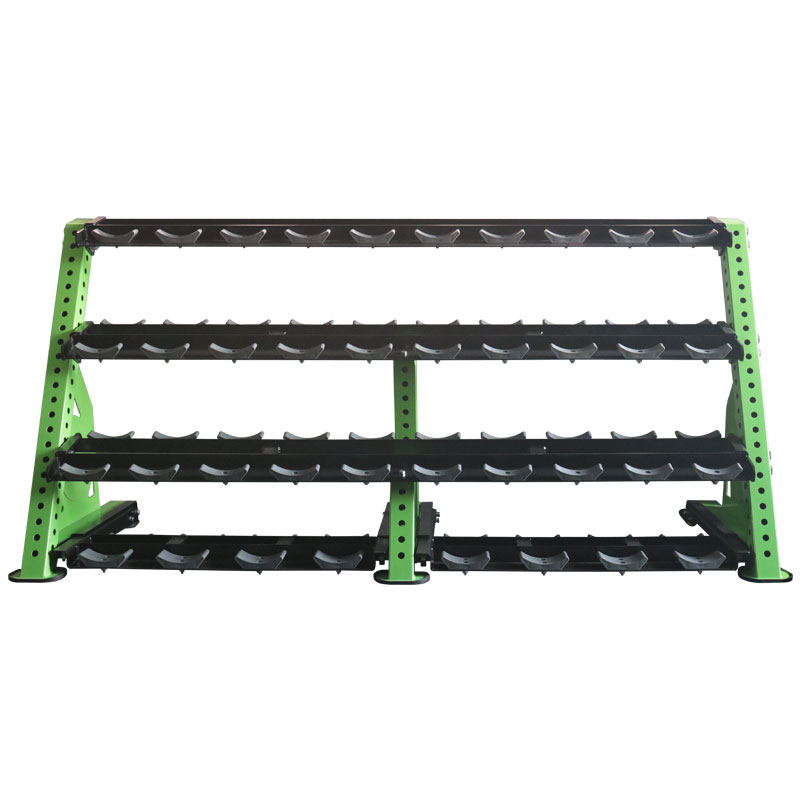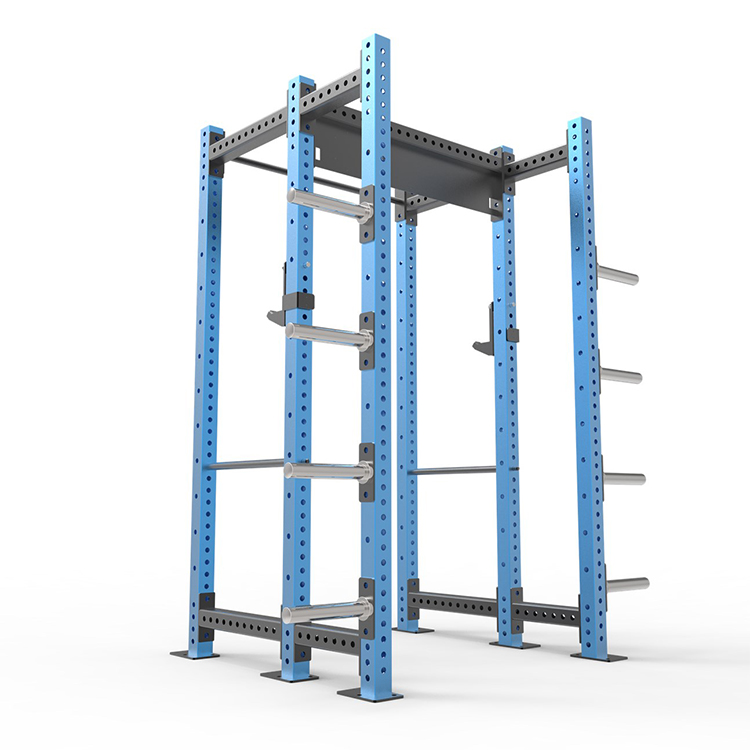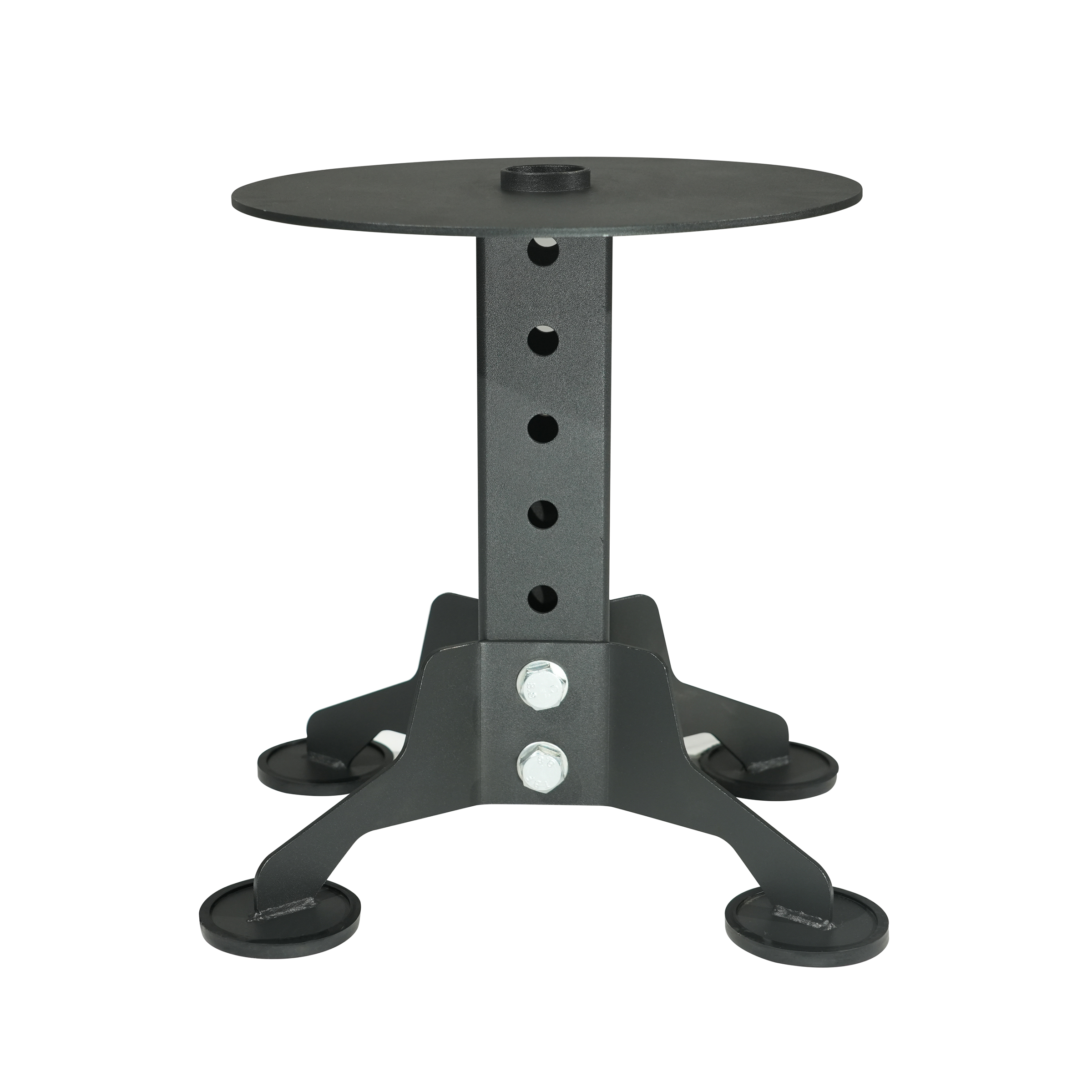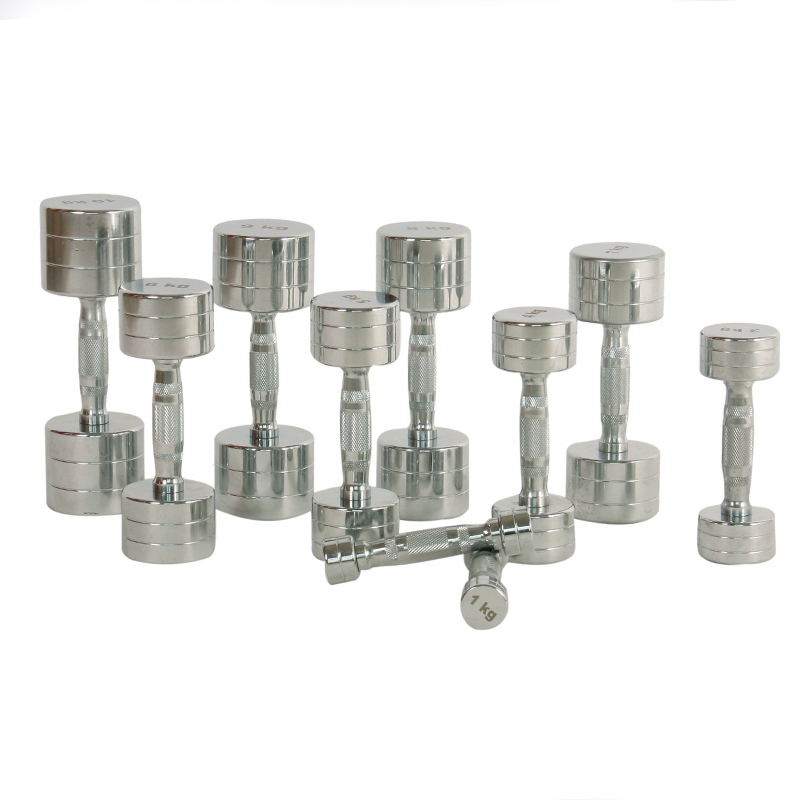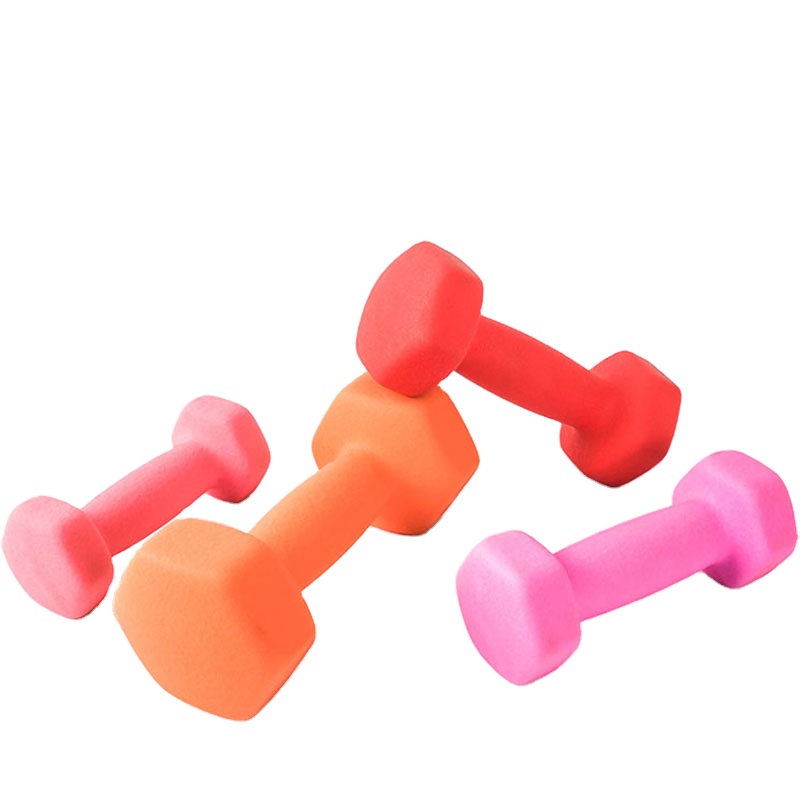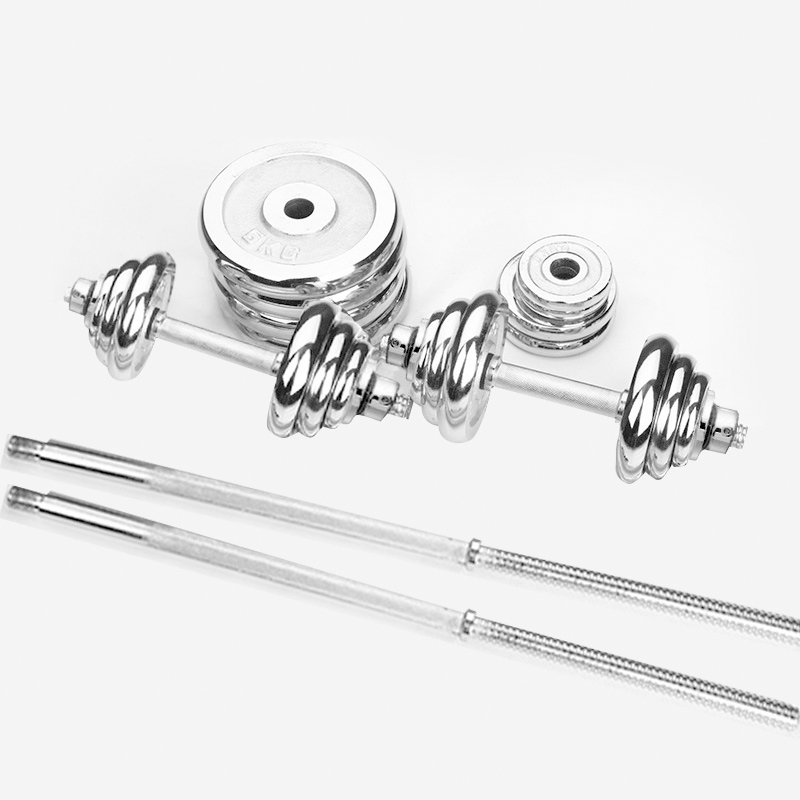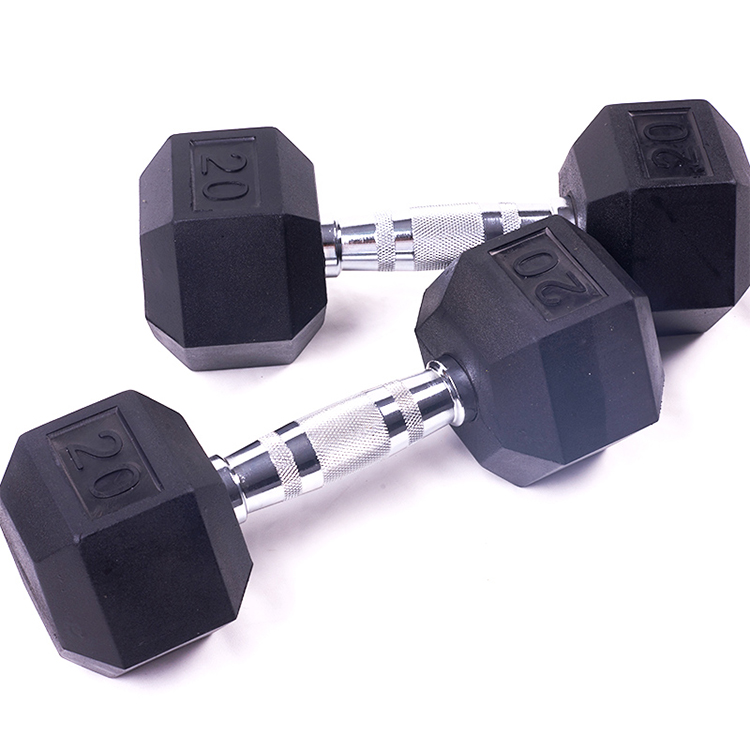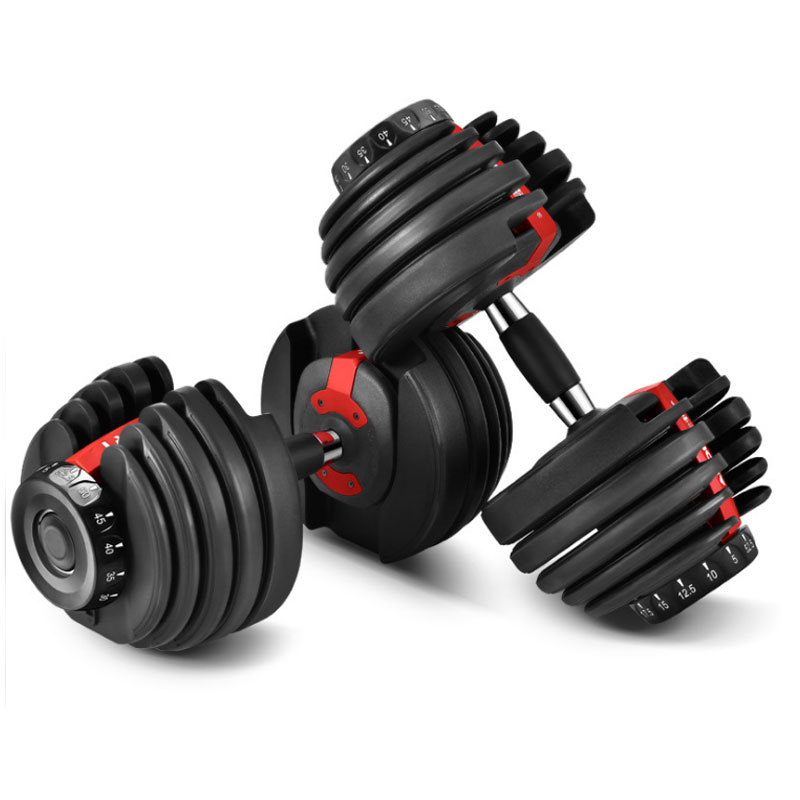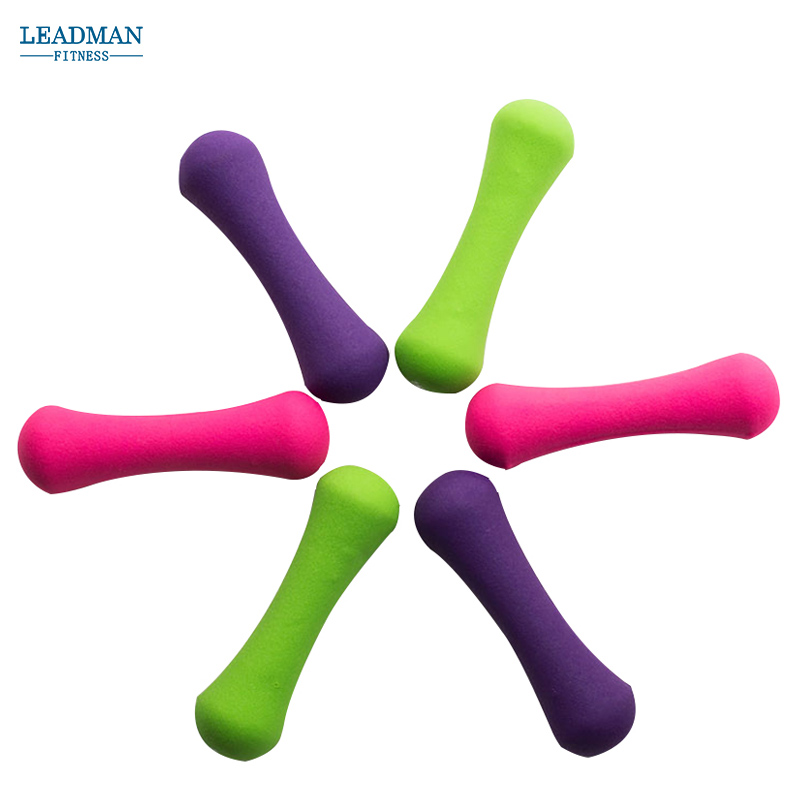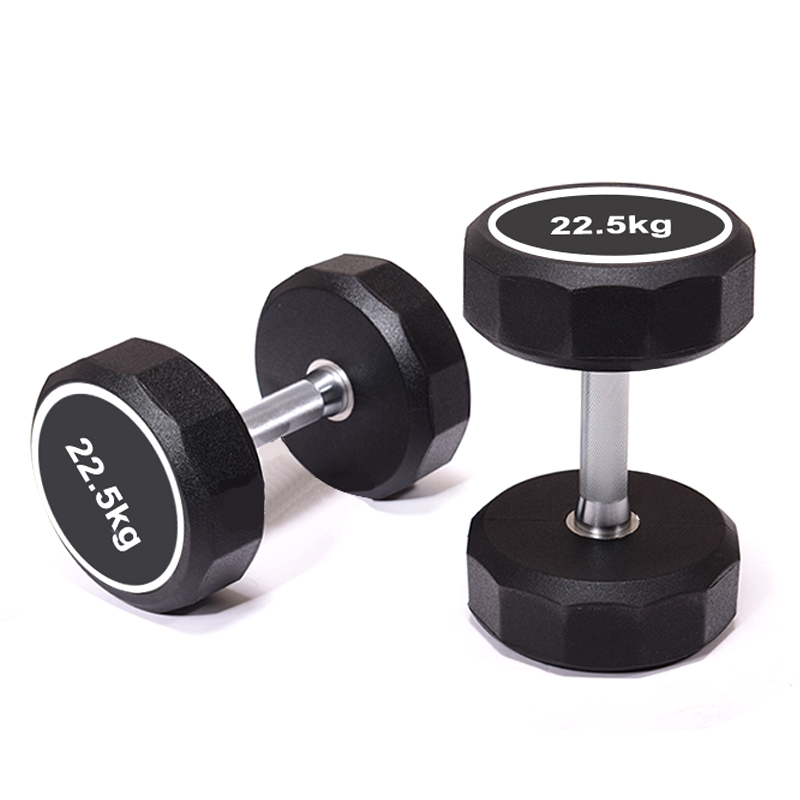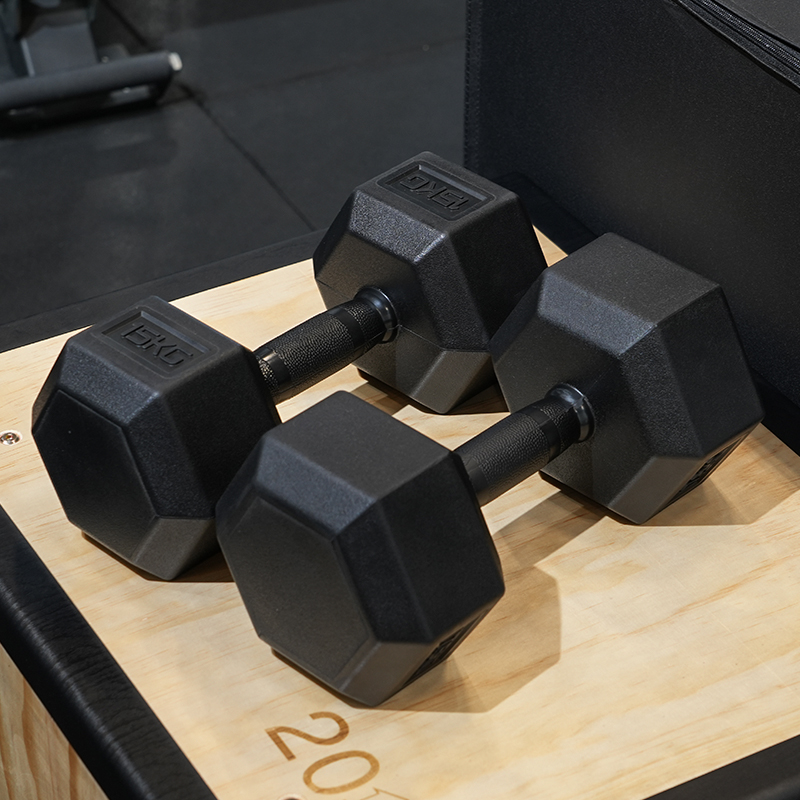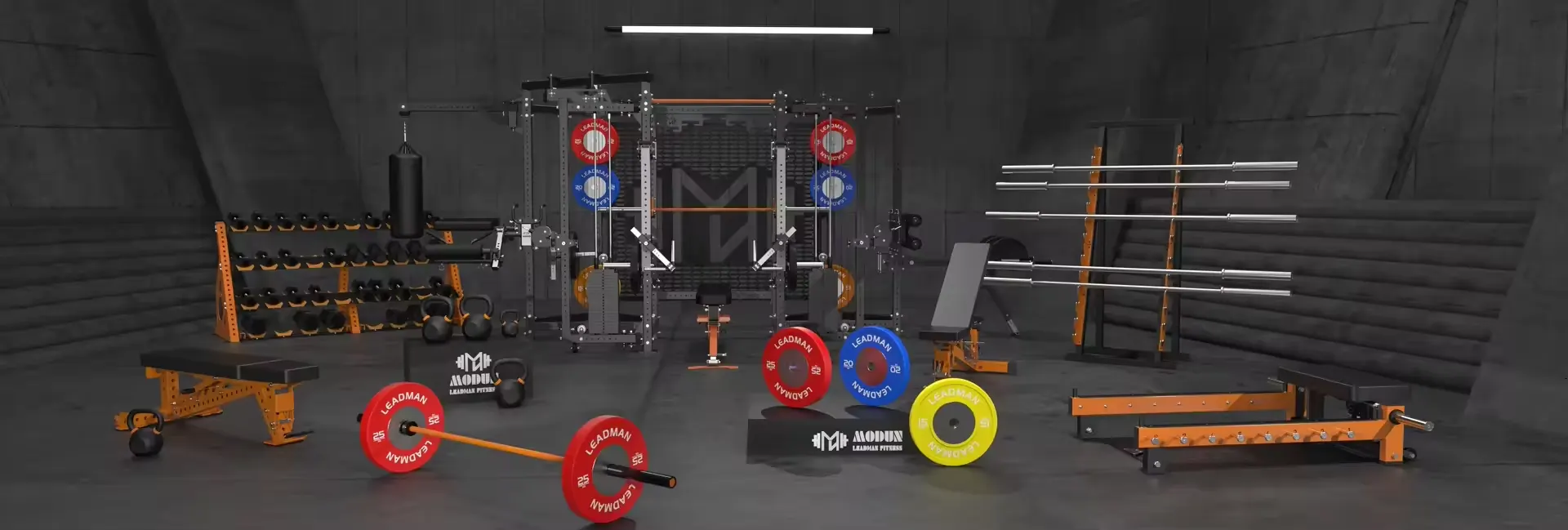
A dumbbell rack with dumbbells is not merely a storage solution; it is the organizational backbone of any functional fitness space, directly influencing member workflow, safety, and the visual professionalism of the facility. When integrated as a complete system—rack plus matched dumbbell set—it streamlines exercise transitions, reduces clutter, and minimizes the risk of trips or misplaced weights. The optimal configuration balances storage density with accessibility, ensuring that each weight increment is clearly visible, easily reachable, and securely cradled to prevent accidental dislodgement. Data from fitness facility audits reveal that well-organized dumbbell areas can improve member throughput during peak hours by up to 15%, simply by reducing the time spent searching for or returning weights.
The engineering of purpose-built dumbbell racks varies significantly in material gauge, cradle geometry, and load capacity. Commercial-grade racks typically use 2.5–3mm thick structural steel with a powder-coated finish to resist corrosion and scratching. The cradle design—whether individual saddles for round urethane dumbbells or continuous troughs for hex rubber ones—must match the dumbbell profile to ensure a stable, non-rattling fit. High-density racking systems incorporate angled shelves that allow for visual weight identification from a standing position, often with color-coded numbering or laser-engraved labels. For hex dumbbells, the V-shaped trough prevents rolling, while urethane round dumbbells require concave saddles that grip the central handle area. Premium rack models feature floor-leveling feet, rubberized contact points to protect the floor, and reinforced load columns that support over 1,000 kg of total weight across all tiers.
The financial and operational efficiency of purchasing a rack and dumbbells as an integrated solution is well-documented in commercial procurement analysis. Buying a matched set eliminates compatibility risks, ensures that cradle widths precisely match the dumbbell bodies, and often qualifies for volume discounts—typically 10–20% lower than purchasing components separately from different suppliers. Furthermore, integrated systems arrive pre-organized in incremental order (2.5kg, 5kg, 7.5kg, etc.), reducing setup time and enabling immediate deployment. Facilities report that integrated sets also simplify maintenance planning, as the single manufacturer warranty covers both rack and weights, eliminating disputes over component failures. In one case study, a fitness franchise reduced its equipment ordering complexity by 30% by standardizing on integrated rack-plus-dumbbell solutions across its 12 locations.
Selecting an integrated dumbbell system demands a comprehensive site audit and user analysis. Begin by projecting your facility's peak concurrent usage—the number of members likely to access dumbbells simultaneously—to determine the necessary rack size and weight range. A standard commercial rack holds 10 pairs (from 2.5kg to 25kg or 5lb to 50lb), while expanded racks accommodate 15–20 pairs up to 50kg/110lb. Assess the horizontal footprint; tiered racks offer higher density but may require taller users to reach top tiers safely. Consider the weight progression philosophy: finer increments (2.5kg/5lb) cater to diverse populations and progressive programming, while coarser increments (5kg/10lb) reduce rack size and cost. Evaluate the material match: rubberized weights pair well with urethane-coated cradles to avoid friction wear, while cast iron weights require padded lining to prevent clanking. Finally, ensure that the rack's center of gravity remains stable when the heaviest weights are on the top tier; many quality racks incorporate stabilizing feet or wall-mounted anchor options to prevent tipping—a critical safety consideration in high-traffic zones.

Let our experts design the perfect gym solution for your business. Get a free consultation and quote today.