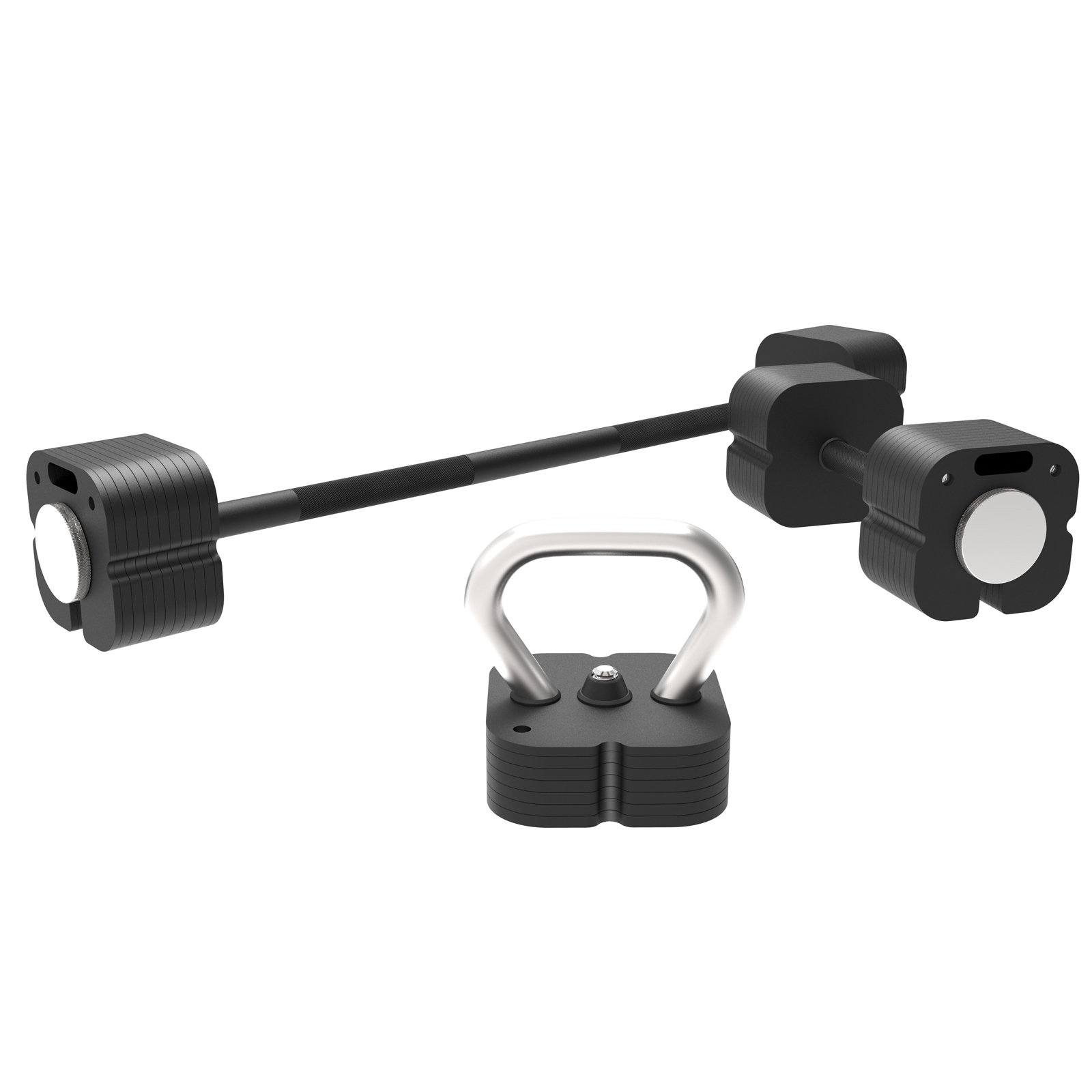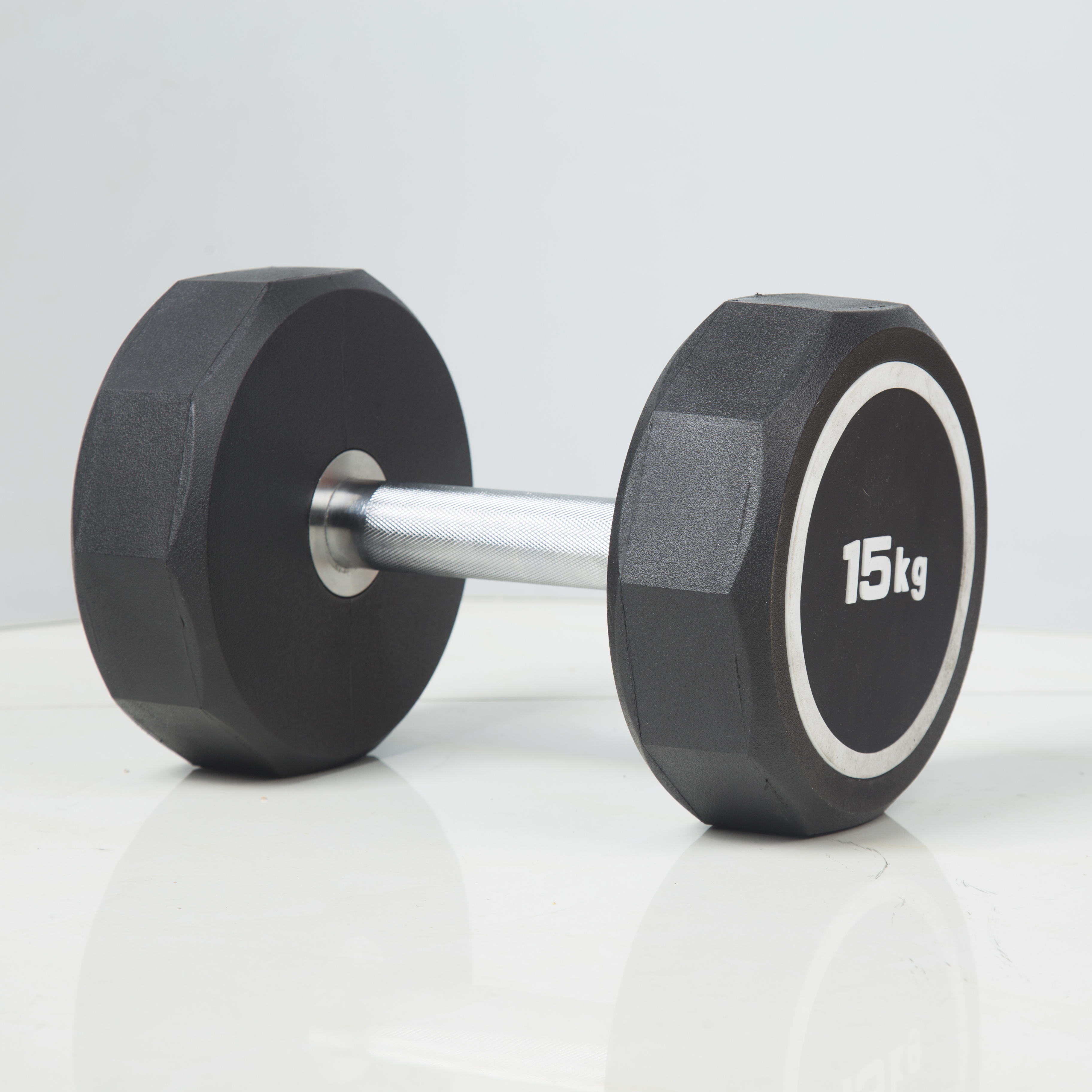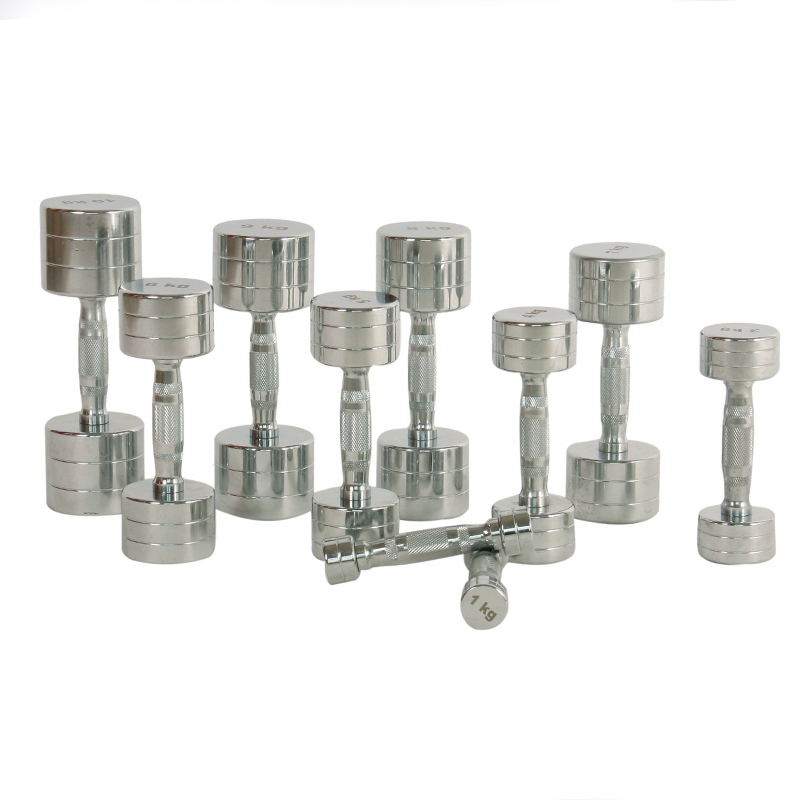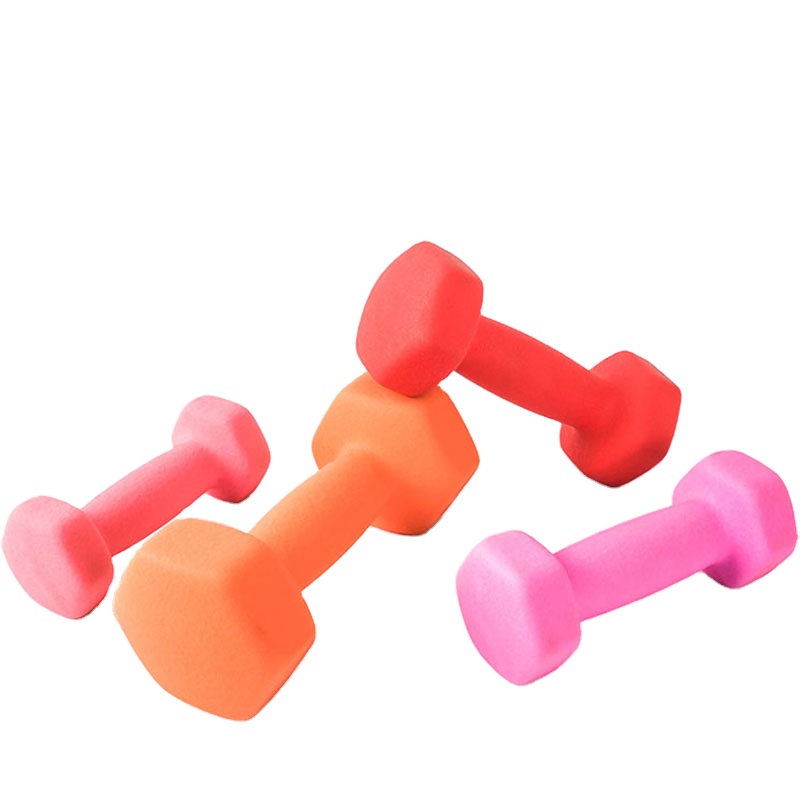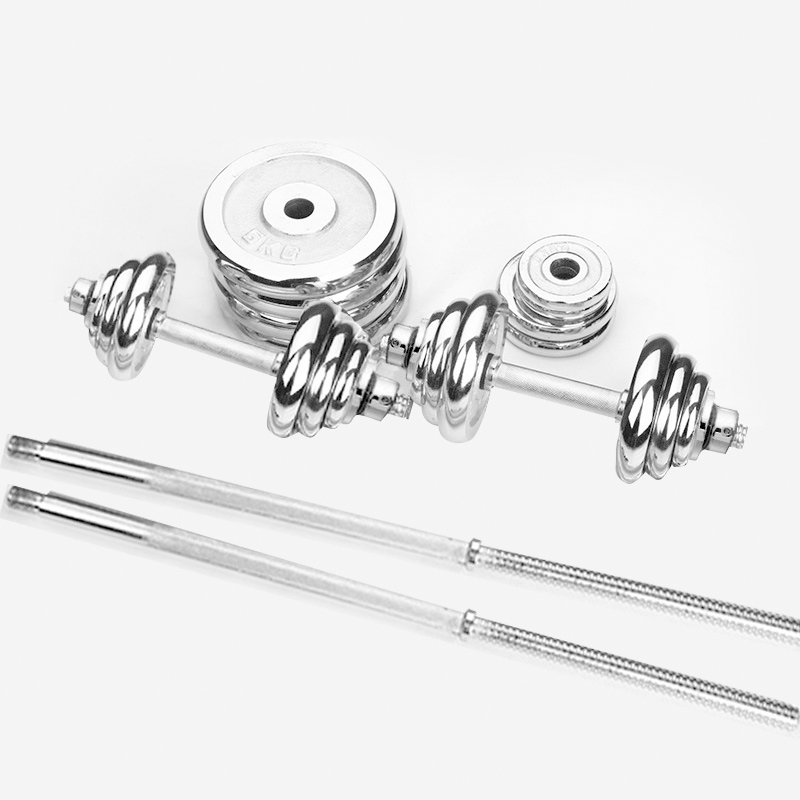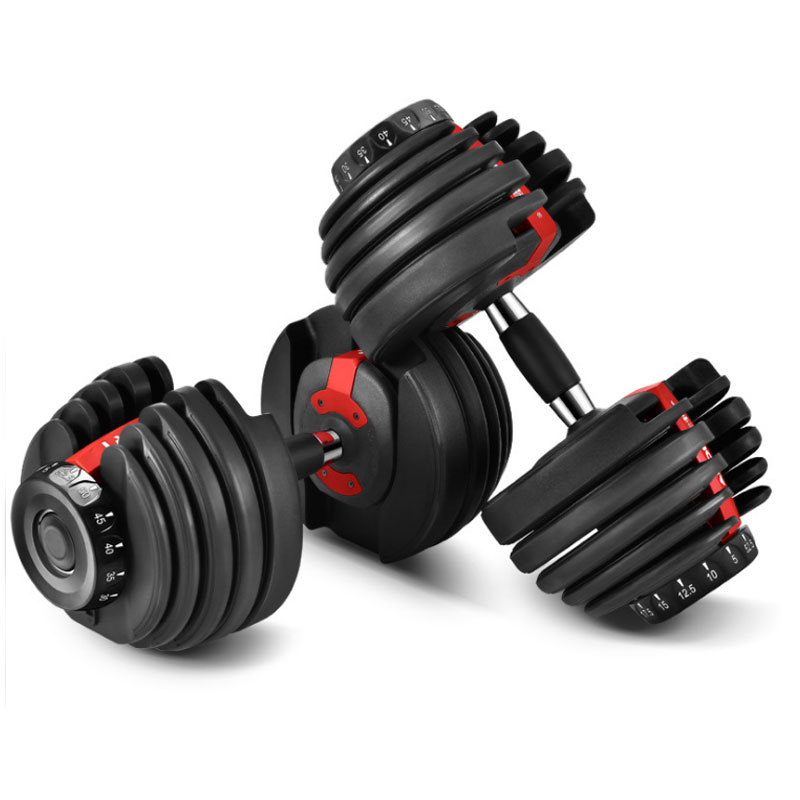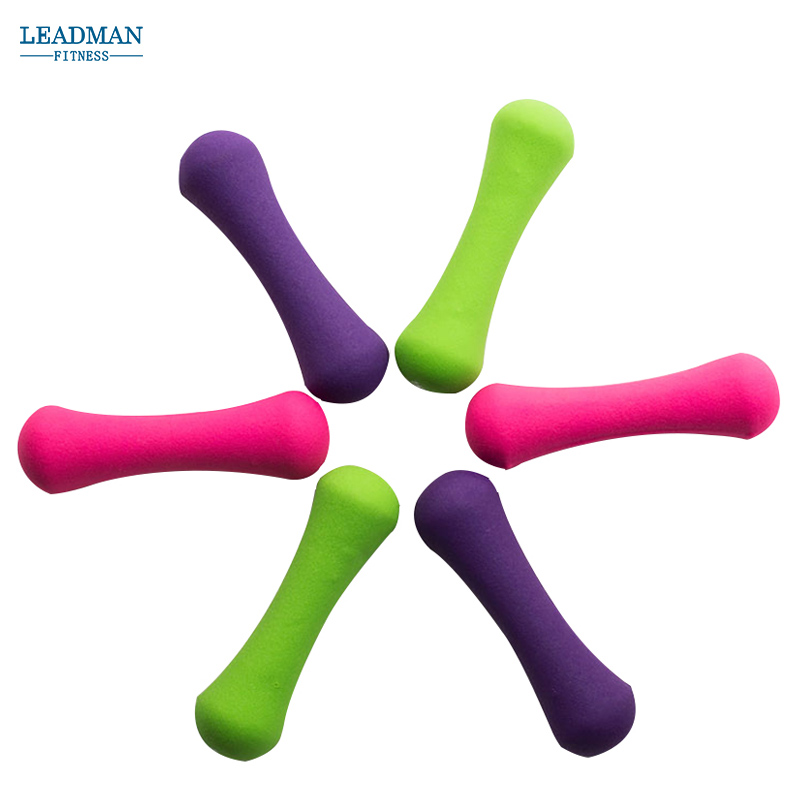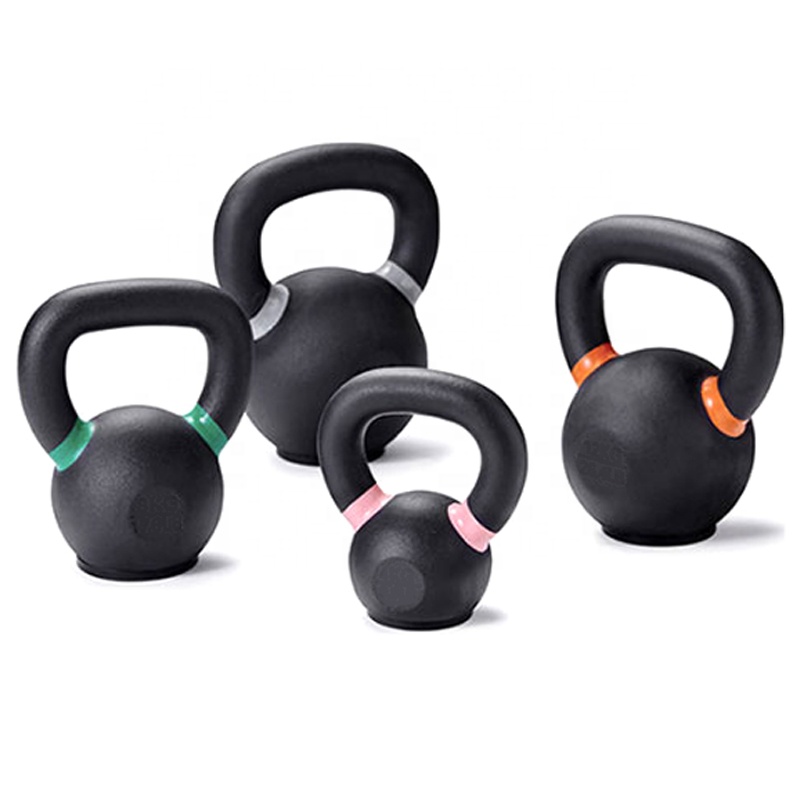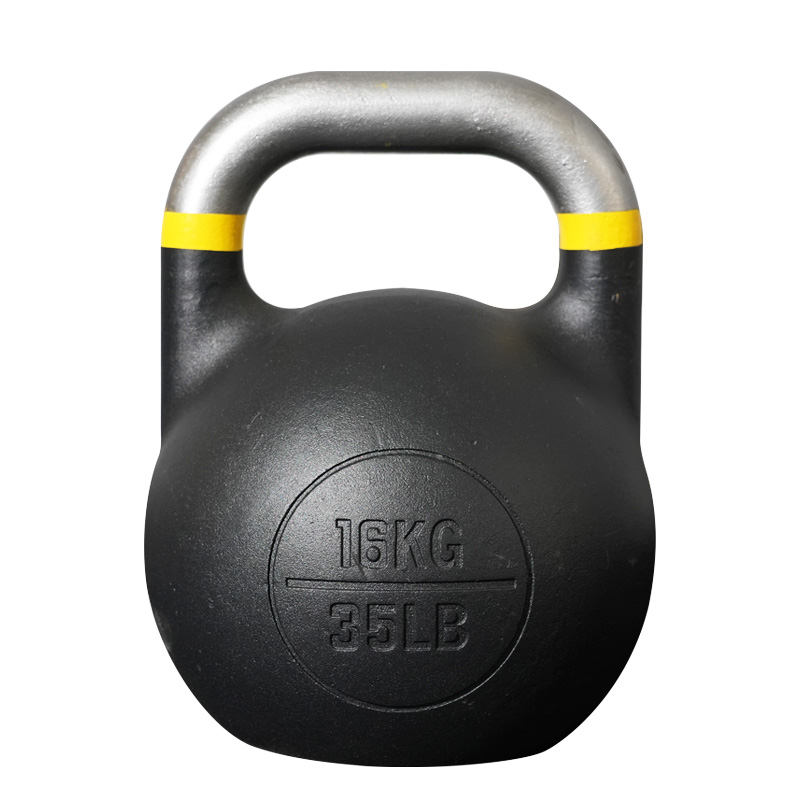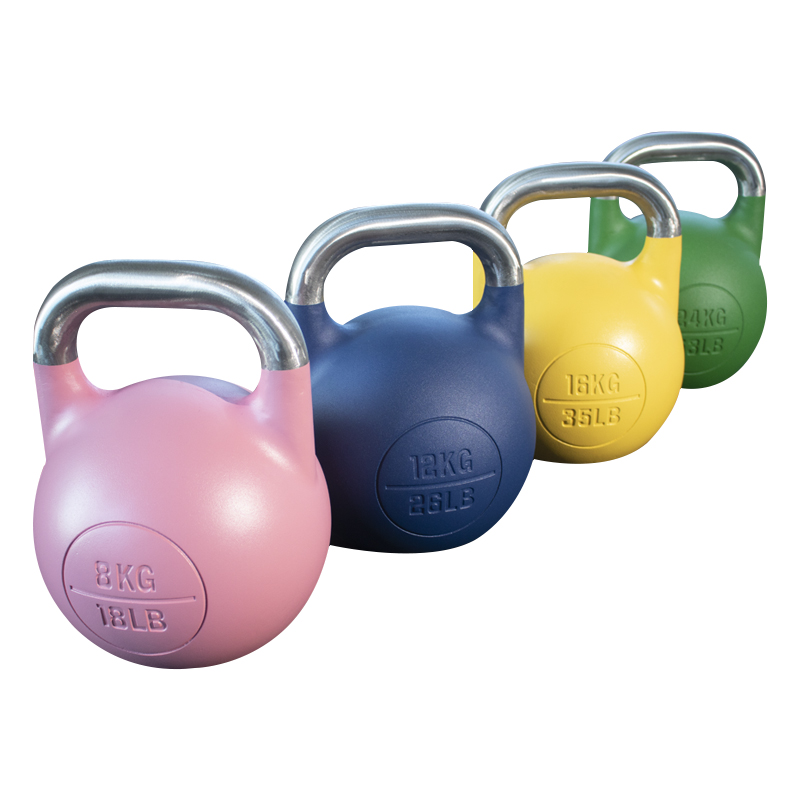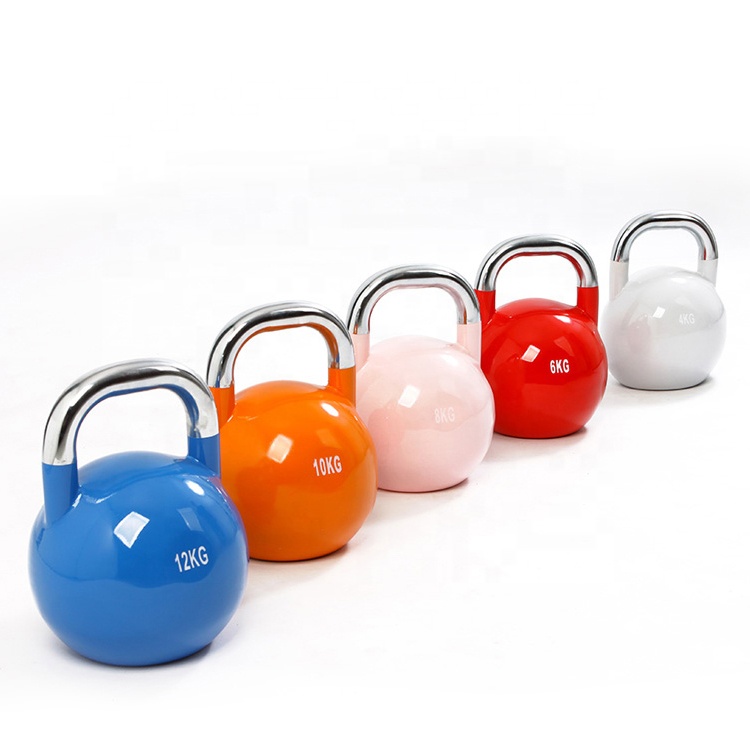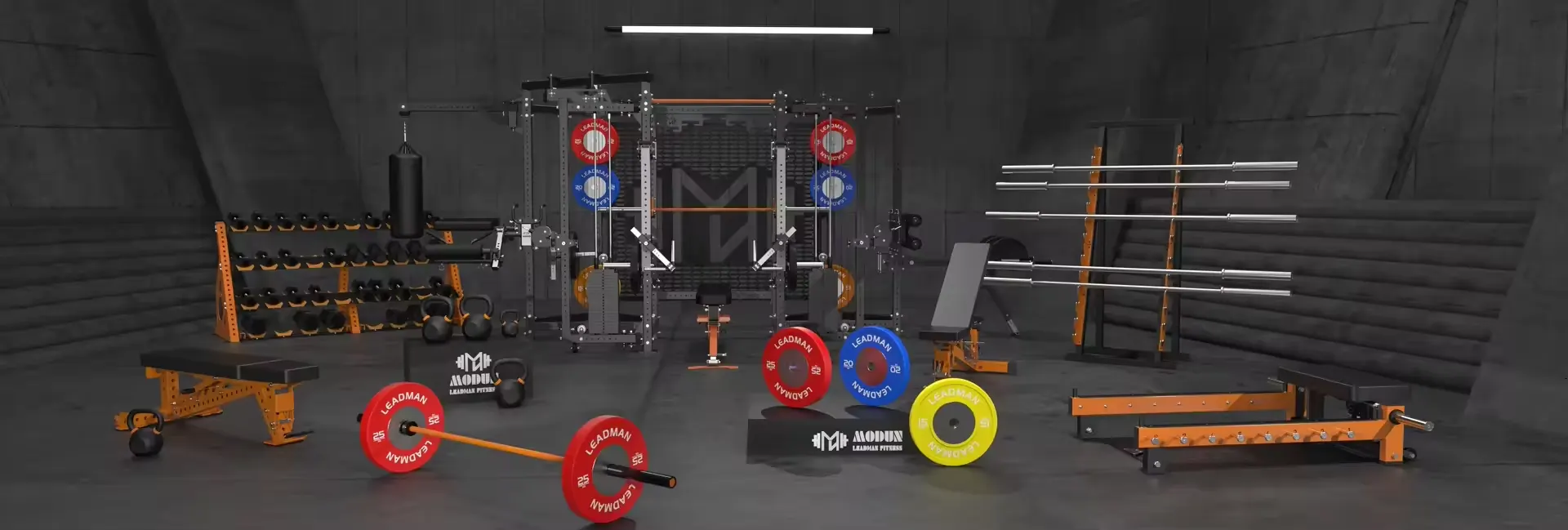
For commercial fitness operators, boutique studios, and retail distributors, sourcing a wholesale dumbbell set represents a strategic procurement decision that directly impacts operational capacity, member experience, and inventory turnover. Wholesale acquisition enables significant cost savings—typically 25–40% below retail pricing—while providing the volume necessary to equip multiple training zones, personal training studios, and group fitness spaces with matched sets. However, successful wholesale procurement requires more than price negotiation; it demands systematic evaluation of manufacturing quality, product consistency, packaging efficiency, and supply chain reliability to ensure that bulk purchases deliver value across the equipment lifecycle.
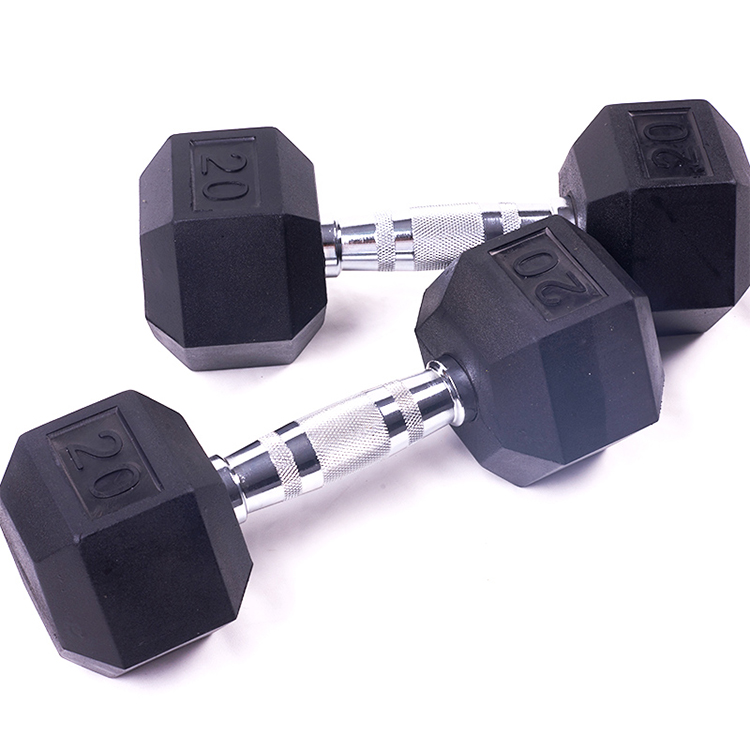
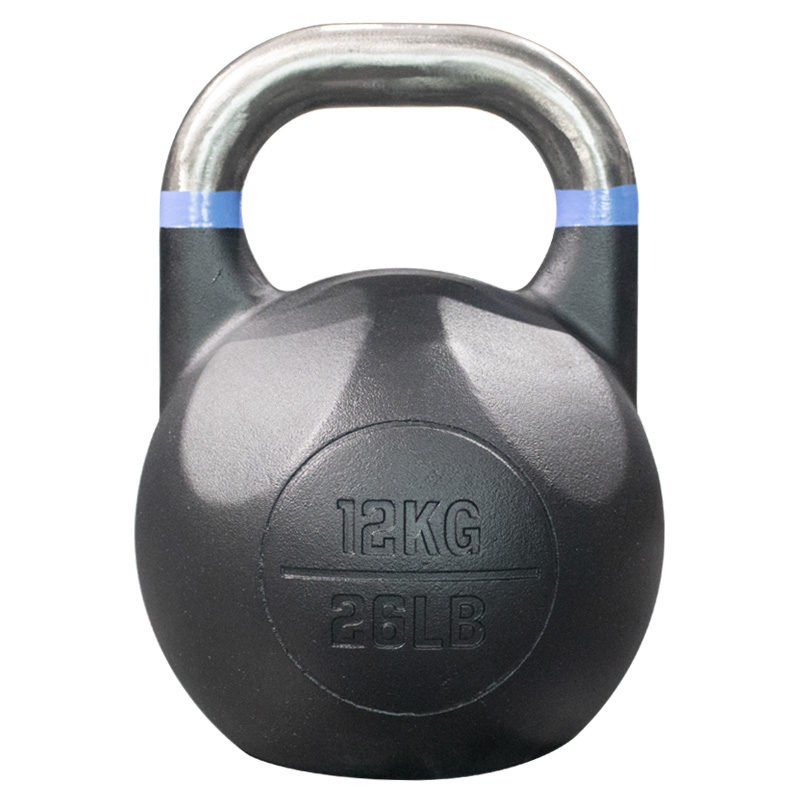
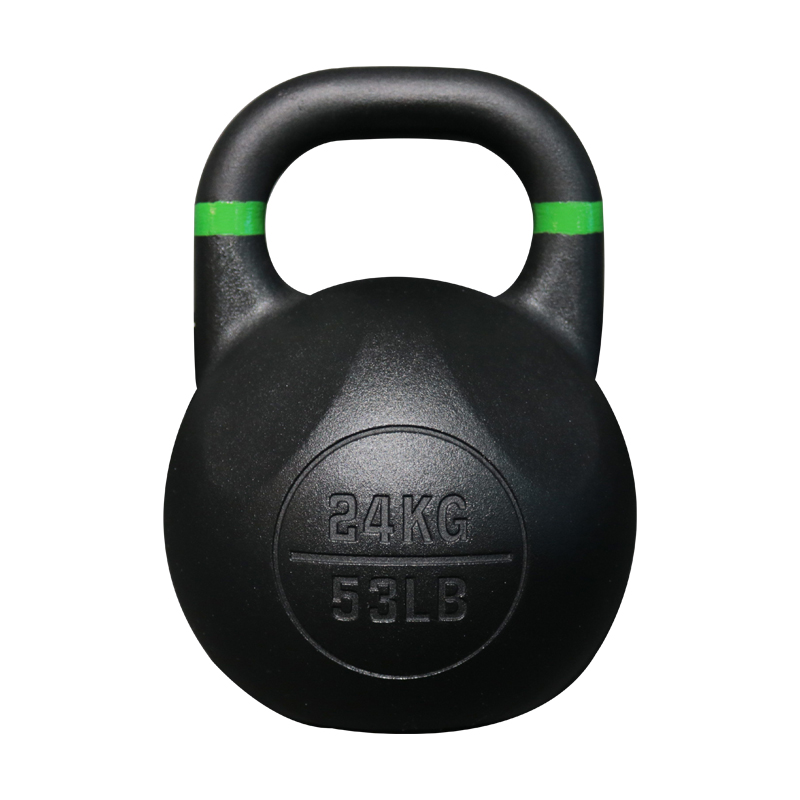
Product consistency across wholesale dumbbell sets is essential for commercial facilities where training symmetry and aesthetic uniformity are important. Premium wholesale suppliers maintain weight tolerance within ±2% across all pairs, ensuring balanced loading for bilateral exercises. Handle diameter consistency (±0.5mm), knurling depth uniformity (±0.2mm), and finish consistency across the complete set create cohesive visual presentation and predictable user experience. Hexagonal or urethane-encased designs with consistent colour-coding and clear dual-unit labelling (kg/lbs) support rapid identification and reduce loading errors. Buyers should require manufacturer certification of weight and dimensional consistency for all wholesale orders, with documented quality control verifying specification compliance.
Packaging and logistics optimisation significantly influence the total cost of wholesale dumbbell sets, as weight density impacts shipping costs and on-site handling efficiency. Wholesale suppliers typically offer tiered packaging options—bulk cartons without individual wrapping for cost-optimised shipping, protective individual packaging for retail-ready presentation, or custom-branded packaging for wholesale buyers. Palletisation options (standard 1m x 1.2m pallets) with shrink-wrapping and edge protection minimise damage during transit. Total set weight of 150–300kg per standard set requires careful shipping cost forecasting, with wholesale buyers typically selecting sea freight for large-volume orders (8–12 weeks) or air freight for urgent requirements (2–4 weeks), weighing time sensitivity against cost premium. Working with experienced freight forwarders and consolidating orders with other gym equipment can further reduce per-unit shipping costs.
Inventory management and quality verification are critical for wholesale purchases to ensure the investment's performance over its operational life. Bulk orders should be inspected for weight accuracy, finish uniformity, handle knurling consistency, and packaging integrity. Long-term storage planning requires appropriate racking solutions to prevent damage. Build relationships with wholesale suppliers for volume commitment pricing and streamlined reordering, while maintaining safety stock (10–15% above anticipated demand) to manage peak usage and potential delivery delays.

Let our experts design the perfect gym solution for your business. Get a free consultation and quote today.