

Why a Weight Workout Set Is a Good Investment for New Gyms
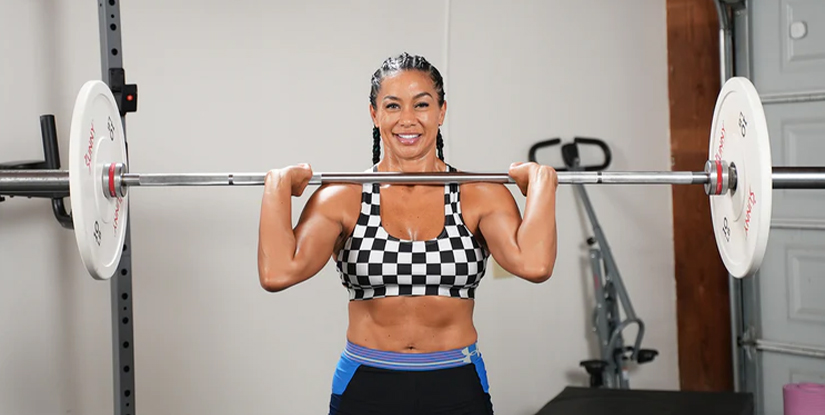
The Strategic Value of a Comprehensive Weight Workout Set
Establishing a new fitness facility requires a delicate balance between capital expenditure and long-term operational utility. One of the most frequent dilemmas faced by gym owners is whether to invest in highly specialized, single-function machines or a versatile, high-quality weight workout set. While machines often offer a lower barrier to entry for beginners, a robust weight set provides a multifaceted ROI through versatility and durability. A common pain point for new operators is the rapid depreciation of specialized electronics or mechanical parts, which can lead to high maintenance costs shortly after launch. By prioritizing a comprehensive weight-based system, you mitigate the risk of obsolment and ensure your facility can cater to a wide demographic of strength athletes and general fitness enthusiasts alike.
Understanding the long-term asset lifecycle is essential before committing to large-scale procurement. A well-chosen set of weights and fundamental strength equipment serves as the backbone of a facility, offering a higher degree of way-of-life utility compared to trend-dependent cardio machines. As we transition from the concept of value to the technicalities of material selection, it becomes clear that the quality of your initial investment dictates your future maintenance schedule.
Diversifying Equipment Utility for Maximum Footfall
A weight workout set allows a single footprint to support dozens of different exercises, effectively maximizing the revenue-per-square-foot metric. This versatility ensures that even as fitness trends shift from high-intensity interval training to functional strength or powerlifting, your core equipment remains relevant.
Material Selection and Durability Standards for Commercial Environments
The decision to invest in a weight workout set is often undermined by a failure to distinguish between residential-grade and commercial-grade specifications. A frequent mistake among new operators is procuring equipment that looks identical to high-end gym gear but lacks the structural integrity to withstand continuous, high-volume usage. This leads to premature mechanical failure, often caused by inferior steel alloys or low-density rubber coatings. To prevent these issues, operators must verify the metallurgical standards and the thickness of the metal components during the procurement phase.
When evaluating weight sets, the density of the coating and the precision of the weight increments are critical performance indicators. For example, a set of dumbbells or plates that exhibits significant surface irregularities or inconsistent weight distribution can lead to uneven wear on both the equipment and the user's joints. To avoid these pitfalls, review the technical data sheets for material density and impact resistance ratings.
| Material Type | Typical Application | Durability Rating | Primary Maintenance Concern |
|---|---|---|---|
| Cast Iron | Standard weight plates | High | Oxidation/Rust prevention |
| Rubber Encased | Dumbbells/Kettlebells | Medium-High | Surface tearing/Odor |
| Urethane Coated | High-end commercial sets | Extreme | Cost of initial acquisition |
| Vinyl/Neoprene | Light/Aerobic weights | Low | Surface peeling/Degradation |
Selecting the appropriate material not only affects the longevity of the asset but also the ambient noise levels and floor protection requirements of your facility. Once the material standards are established, the next logical step is to address the physical layout and ergonomic integration within the gym floor.
Optimizing Floor Layout and Ergonomic Flow
Even the highest quality weight workout set will fail to deliver a positive user experience if the layout is poorly planned. A common operational failure occurs when heavy free-weight areas are placed too close to high-traffic pathways or delicate cardio zones. This creates two distinct problems: safety hazards due to unintended movement and excessive vibration that can damage the structural integrity of the building or surrounding equipment. Proper zoning is a prerequisite for a high-performance training environment.
Effective layout planning requires a deep understanding of the 'buffer zone' required for each piece of equipment. For instance, a barbell lift requires significantly more clearance than a pair of dumbbells to account for both the length of the bar and the safe range of motion of the athlete. By implementing a standardized spacing protocol, you reduce the likelihood of equipment collisions and enhance the overall safety profile of the facility.
Implementing a Zoning Strategy
- High-Impact Zone: Reserved for heavy lifting; requires reinforced flooring and significant clearance.
- Transition Zone: Area for lighter dumbbell work and mobility; requires moderate impact protection.
- Access Corridors: Minimum 4-foot width to ensure safe passage during peak hours.
With the spatial requirements mapped out, the focus must shift toward the long-term upkeep of these assets to prevent the degradation of the user experience.
Explore the complete technical specifications:
Dumbbell Rack With Dumbbells | Complete Sets for Commercial Gyms
Routine Inspection Protocols and Preventive Maintenance
The long-term ROI of a weight workout set is heavily dependent on the rigor of the facility's maintenance program. Many new gym owners neglect the inspection phase, viewing maintenance as a reactive necessity rather than a proactive strategy. This leads to a cycle of 'failure and replacement' which is far more expensive than a structured 'inspect and repair' model. A common failure mode is the loosening of fasteners or the degradation of grip surfaces, which can go unnoticed until a safety incident occurs.
To maintain professional standards, operators should implement a multi-tiered inspection schedule. This involves daily visual checks by floor staff and monthly technical audits by a trained technician or facility manager. Verifying the integrity of the equipment ensures that the investment continues to perform at peak capacity without unexpected downtime.
Maintenance Verification Checklist
| Component | Inspection Frequency | What to Verify | Action if Failed |
|---|---|---|---|
| Dumbbell Grips | Weekly | Texture, cracks, or slickness | Replace or deep clean |
| Weight Plates | Monthly | Cracks, rust, or unevenness | Replace immediately |
| Storage Racks | Monthly | Bolt torque and stability | Tighten or reinforce |
| Floor Matting | Daily | Tears, bubbles, or displacement | Repair or reposition |
By standardizing these checks, you create a documented history of asset care that can also be used for insurance compliance. However, even the best-maintained equipment requires a strategy for eventual replacement and upgrading.
Explore the complete technical specifications:
Gym Weight Equipment: Complete Guide to Strength Training Gear
Mitigating Replacement Risks through Lifecycle Management
A fundamental aspect of professional gym management is anticipating the end-of-life for critical equipment. Because a weight workout set is a high-use asset, its depreciation is non-linear. If a gym relies on a single, outdated set of weights, they risk losing customers to more modern facilities. The goal is to implement a lifecycle management strategy that allows for incremental upgrades rather than total, disruptive overhauls.
One common mistake is over-investing in a single brand or a very niche aesthetic that may fall out of favor. To mitigate this, look for modularity. A modular weight system allows you to add more plates or transition to different bar types without needing to replace the entire rack or storage architecture. This adaptability is a hallmark of a sophisticated procurement strategy.
Developing a Replacement Fund
Instead of treating equipment replacement as an emergency expense, smart operators allocate a percentage of monthly membership dues to an equipment sinking fund. This ensures that when a weight set reaches its functional limit, the capital is already available, preventing a sudden hit to the cash flow.
Addressing Common User Friction and Equipment Misuse
Even with premium equipment and a strict maintenance plan, human error remains a constant variable. Misuse of a weight workout set—such as dropping heavy weights from heights they weren't intended for or leaving equipment in unsafe positions—can accelerate wear and tear. Identifying these friction points early allows you to implement better signage and staff training to protect your assets.
The problem is often not the user's intent, but a lack of clear operational guidelines. For example, if a set of kettlebells is frequently found scattered on the floor, it may be a sign that the storage solution is inconvenient or poorly located. By observing these patterns, you can make small, low-cost adjustments to the facility layout or the storage systems to encourage better equipment stewardship.
Observational Troubleshooting Guide
- Problem: Weights left out of place. Cause: Inaccessible storage. Fix: Move racks closer to the training area.
- Problem: High noise levels. Cause: Thin floor mats. Fix: Install high-density rubber flooring.
- Problem: = Damaged handles. Cause: Improper grip/sweat accumulation. Fix: Provide cleaning stations and improved grip types.
As the facility grows, the ability to troubleshoot these issues through observation and data will become your most valuable management tool.
Future-Proofing Your Strength Training Infrastructure
The final stage of a successful investment is ensuring that your weight workout set can evolve alongside your business. As your gym expands from a boutique studio to a larger-scale facility, your equipment needs will shift from basic weights to more specialized strength systems. A successful investment is one that provides a foundation for this growth without requiring a complete restart.
To future-proof your gym, prioritize the acquisition of high-quality, versatile base components. A heavy-duty power rack and a wide-ranging set of iron or urethane plates can serve as the core of your facility for a decade or more. By focusing on the fundamentals of high-grade material and structural versatility, you ensure that your initial capital expenditure remains a productive asset for the long term.
Summary of Long-Term ROI Drivers
In conclusion, the decision to prioritize a robust weight workout set is a decision to invest in the long-term stability of your facility. By focusing on material quality, strategic layout, and proactive maintenance, you convert a high-cost purchase into a reliable revenue-generating engine. A well-managed weight area is not just a collection of iron and rubber; it is a resilient, adaptable, and indispensable part of a professional fitness environment.