

Why Weight Plate Manufacturers Are Essential for Gym Setup
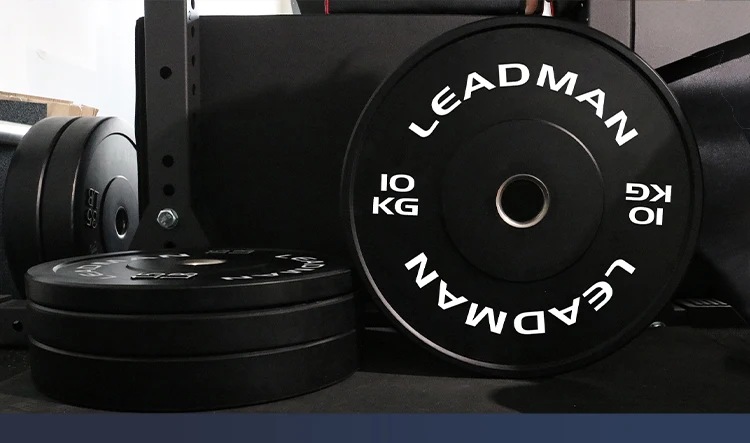
The Strategic Importance of Material Integrity in Gym Procurement
Selecting the right equipment for a commercial or high-end residential facility is a decision that dictates long-term operational costs and user safety. When a facility operator considers the procurement of weight plates, they are not merely buying a physical object; they are investing in a calibrated tool that must maintain its exact mass and structural integrity over years of repetitive impact. This is why professional weight plate manufacturers are essential for gym setup: they provide the metallurgical and chemical consistency that low-tier suppliers lack. A failure in material quality often leads to rapid oxidation, uneven weight distribution, or brittle fractures, all of which compromise the gym's professional image and safety standards.
Choosing between different material compositions is the first critical decision in the procurement lifecycle. A mismatched material choice can lead to a high Total Cost of Ownership (TCO) through premature replacement or flooring damage. Therefore, understanding the raw material inputs is the necessary precursor to understanding the manufacturing precision that follows.
| Material Type | Primary Use Case | Typical Durability Profile | Maintenance Requirement |
|---|---|---|---|
| Cast Iron | Standard commercial strength training | Extremely high; resistant to impact | Low (requires periodic oiling to prevent rust) |
| Rubber-Coated Iron | High-traffic commercial gyms | High; minimizes noise and floor impact | Medium (check for coating separation) |
| Bumper Plates (Urethane) | Olympic lifting and CrossFit | Highest; designed for extreme drop force | Low (Urethane is more chemically stable than rubber) |
| Steel (Machined) | Precision strength and specialized training | Very High; excellent for thickness control | Minimal (precision is built-in) |
Once the material is selected, the focus must shift from the raw substance to the precise manufacturing processes that transform that substance into a standardized weight. This transition from raw material to shaped product is where precision is won or lost.
The 0-to-1 Lifecycle: From Raw Casting to Finished Weight
Following the selection of high-grade materials, the actual production phase begins, representing a complex journey from molten or solid input to a finished, calibrated tool. The manufacturing process is a tiered progression of shaping, cooling, and finishing. A deviation in any single step can result in a plate that is either off-spec in weight or structurally unsound, posing a significant risk to the end-user.
The Casting and Molding Phase
For traditional iron or steel plates, the process begins with gravity casting or centrifugal casting. Molten metal is poured into high-precision molds. The integrity of the mold determines the surface smoothness and the absence of internal air pockets. If a manufacturer uses substandard molding sand or lacks temperature control, the resulting plate may develop internal voids. These voids are a primary failure mode, as they can cause the plate to crack under the stress of a heavy drop or a high-velocity impact during training.
Machining and Diameter Calibration
Once the raw shape is solidified, the plate moves to the machining phase. This is where the diameter and the central bore (the hole for the barbell) are finalized. Professional manufacturers use CNC (Computer Numerical Control) lathes to ensure that every plate in a production run shares identical dimensions. Without this mechanical precision, a set of plates might not fit seamlessly on a barbell, or worse, a larger-than-specified plate could interfere with the barbell's sleeve mechanism.
Achieving these dimensional tolerances is the cornerstone of a professional setup, but even a perfectly sized plate is useless if its mass is inconsistent. This necessitates a rigorous weighing and calibration standard.
Rigorous Quality Control and Tolerance Standards
The dimensional precision achieved during machining must be paired with absolute mass consistency to meet international sporting and commercial standards. A manufacturer that skips or automates these checks without oversight is a liability to any facility operator. Effective quality control (QC) is not just about checking a few samples; it is about systematic verification throughout the production line.
Mass Deviation and Tolerance Limits
A major pain point for gym owners is receiving a "20kg" plate that actually weighs 19.5kg. This discrepancy ruins the calibration of a barbell and frustrates serious athletes. Professional manufacturers adhere to strict tolerance thresholds, typically within a +/- 1% to 2% margin for high-end equipment. If a manufacturer cannot guarantee these tight-tolerance ranges, they are unsuitable for commercial-grade gym setups.
Surface Finish and Structural Integrity Testing
Beyond weight, the surface finish must be scrutinized. A rough or uneven surface can lead to rapid oxidation or peeling coatings, which creates a messy, unmaintained appearance in a gym. Furthermore, structural testing—such as drop testing—is a non-negotiable step for bumper plates. A failure in the drop test indicates a fundamental flaw in the material-to-coating bond or the density of the core, which would lead to premature failure in a real-world gym environment.
The verification of these standards ensures that the equipment remains reliable, but once the plates are on the floor, the focus must shift toward the long-term operational impact of these quality levels.
Explore the complete technical specifications:
Olympic Weight Plate Manufacturers: Precision, Certification, and Sourcing
Operational Impact: Minimizing TCO through Quality Procurement
The distinction between high-quality manufacturing and budget-grade production becomes most visible in the long-term operational costs of a gym. While initial procurement costs may be higher for plates from precision manufacturers, the Total Cost of Ownership (TCO) is often significantly lower due to reduced replacement cycles and minimal maintenance requirements. This is a critical consideration for any facility manager aiming for a sustainable ROI.
Failure Mode Analysis: Cheap vs. Professional Grade
A common mistake made by new facility operators is prioritizing the lowest initial purchase price over the long-term durability of the equipment. This often results in a cycle of constant replacement and unexpected downtime. To avoid this, one must understand the typical failure modes associated with lower-tier manufacturing.
- Oxidation and Rust: Low-grade cast iron without proper sealing or high-quality coating will begin to rust within months, especially in humid gym environments.
- Diameter Drift: Cheaply machined plates often have inconsistent diameters, which can lead to uneven weight distribution on the barbell and increased wear on the bar sleeves.
- Coating Delamination: In bumper plates, low-quality rubber-to-core adhesion leads to the outer layer peeling away, rendering the plate unusable and unsafe.
By selecting manufacturers that prioritize these technical aspects, an operator moves from a reactive maintenance model to a proactive, stable operational model. This stability is the baseline for which a maintenance and inspection schedule must be built.
Lifespan Extension through Systematic Maintenance and Inspection
Even the most durable plates produced by top-tier manufacturers require a structured maintenance regimen to reach their full theoretical lifespan. A professional gym setup is not a 'set it and forget it' environment; it is a living ecosystem that requires regular monitoring. A failure to inspect equipment regularly can lead to catastrophic failure and increased liability.
Annual Inspection Checklist for Gym Operators
To maintain safety and prolong the life of your investment, implement a scheduled inspection cadence. This ensures that minor issues are caught before they become safety hazards or expensive replacements.
| Inspection Category | What to Check | Action if Issue Found |
|---|---|---|
| Visual Integrity | Cracks in iron, peeling rubber/urethane, or surface rust. | Apply protective coating or replace the unit immediately. |
| Dimensional Accuracy | Check if plates still fit the barbell sleeves without friction. | Check for debris in the bore; verify plate thickness. |
| Weight Consistency | Periodic weighing of a sample set of plates. | If variance exceeds 2%, audit the entire batch. |
| Impact Damage | Deformation or 'flat spots' on bumper plates. | Retire the plate from high-impact use (Olympic lifting). |
Consistency in maintenance is just as vital as the quality of the initial purchase, as it preserves the precision that the manufacturer worked so hard to instill during the production process. This brings us to the future of the industry and how technological advancements are shaping what we should expect from manufacturers.
Evolution of Manufacturing: The Future of Gym Equipment
The landscape of weight plate production is shifting toward higher levels of material science and technological integration. Understanding these trends allows a buyer to differentiate between a legacy manufacturer and one that is stagnating. The next generation of gym setups will be defined by even higher levels of precision and more sustainable material use.
Advancements in Material Science
We are seeing a move toward high-density, high-resilience urethanes that offer better impact absorption and longer lifespans than traditional rubber. This evolution is driven by the need for more durable equipment in high-impact disciplines like CrossFit and Olympic weightlifting. Manufacturers who are investing in R&D for these advanced polymers are becoming the preferred choice for modern, high-performance facility setups.
Precision Automation and Digital Verification
Automation in the casting and machining stages is also reaching new levels. Digital weighing systems and automated visual inspection (using AI-driven camera systems) are becoming standard in top-tier manufacturing facilities. These technologies virtually eliminate human error in the QC process, ensuring that every plate produced meets a hyper-specific digital blueprint. As an operator, looking for evidence of these advanced manufacturing technologies in a supplier's profile can be a strong indicator of their ability to provide long-term value.
Final Strategic Assessment for Gym Facility Managers
In conclusion, the selection of weight plate manufacturers is not a trivial task of comparing prices; it is a strategic decision involving material science, mechanical precision, and long-term economic planning. From the initial casting of the metal to the final precision-machined bore and the eventual maintenance of the finished product, every stage of the manufacturing process impacts the final utility and safety of the gym equipment. By prioritizing manufacturers who utilize high-grade materials, strict tolerance standards, and advanced production technologies, facility operators can ensure a robust, high-performance environment with a predictable and optimized TCO. The goal is to move beyond a simple purchase and toward a professional-grade integration of high-quality tools that serve the user and the facility for years to come.