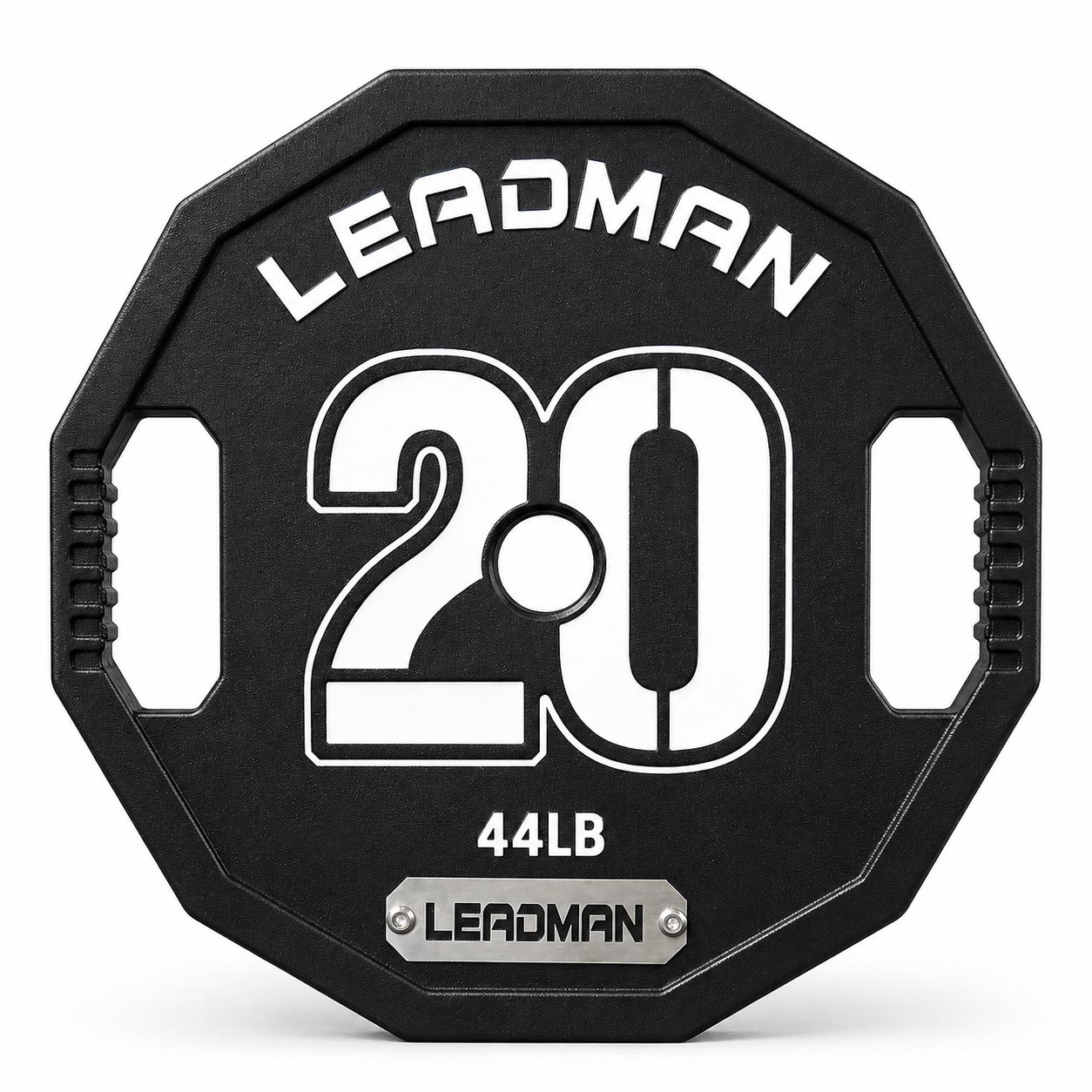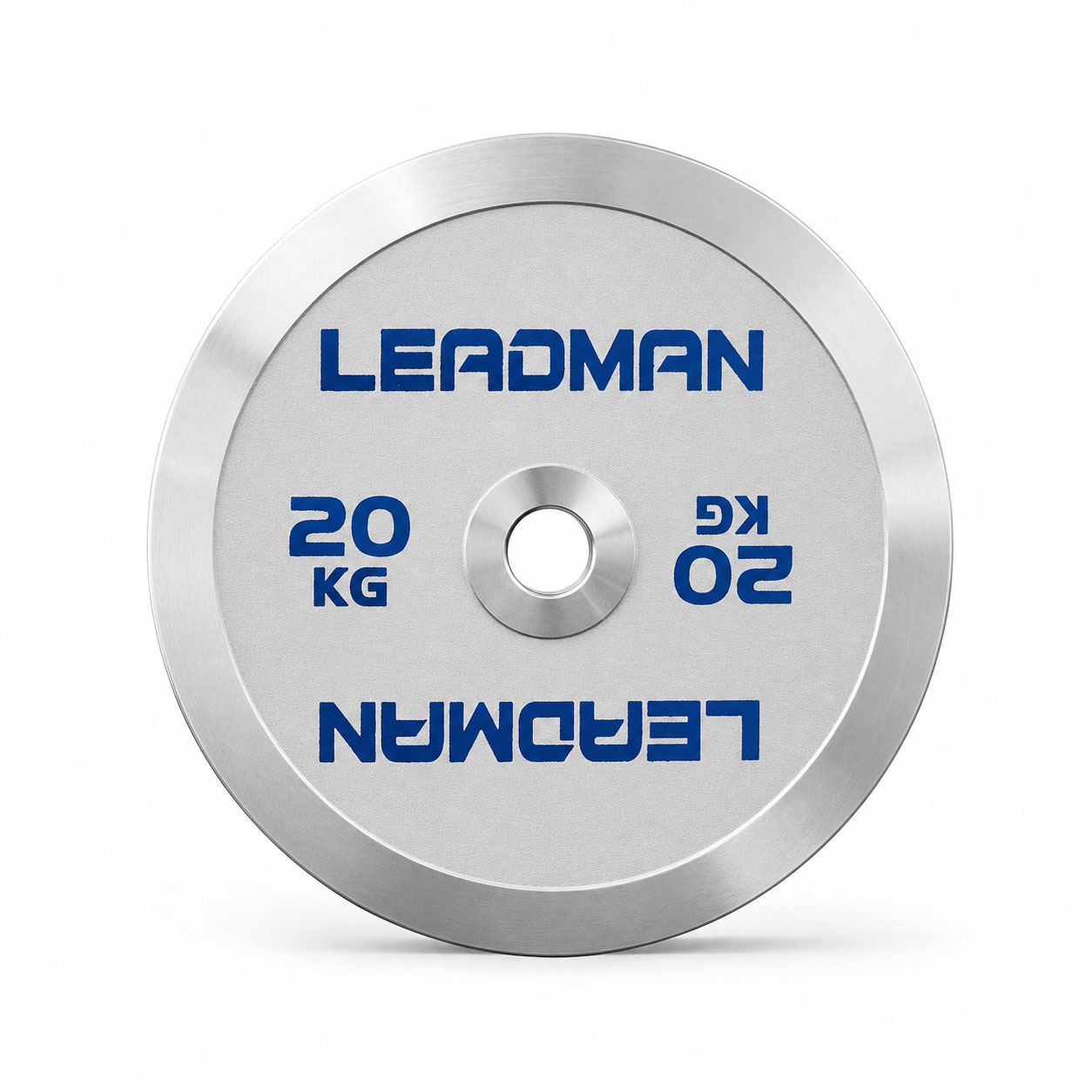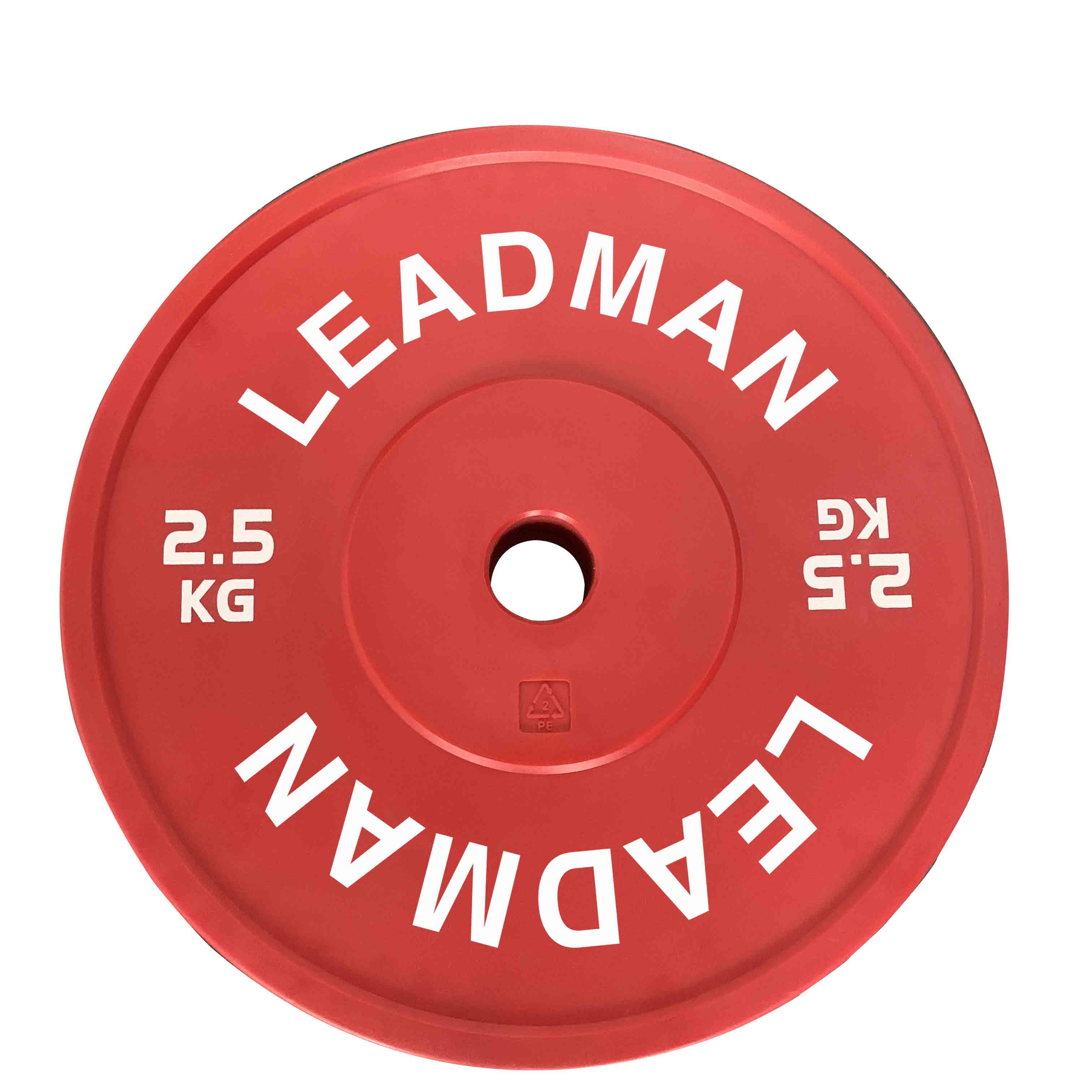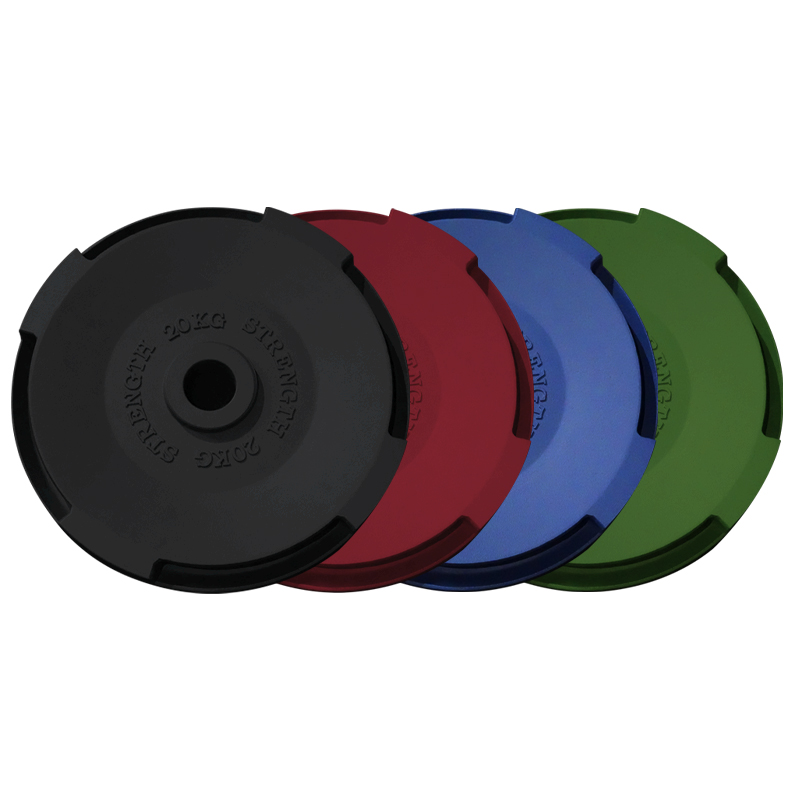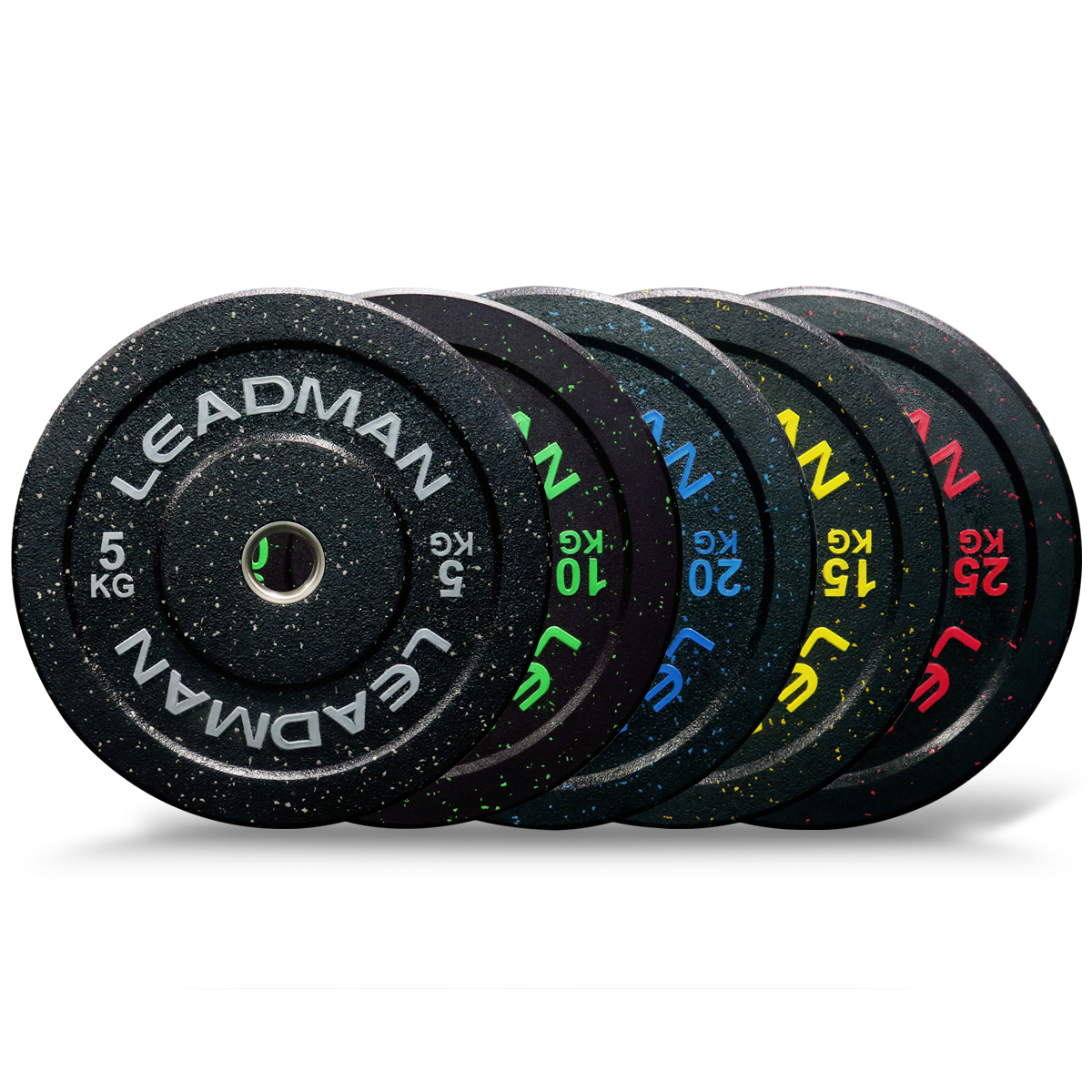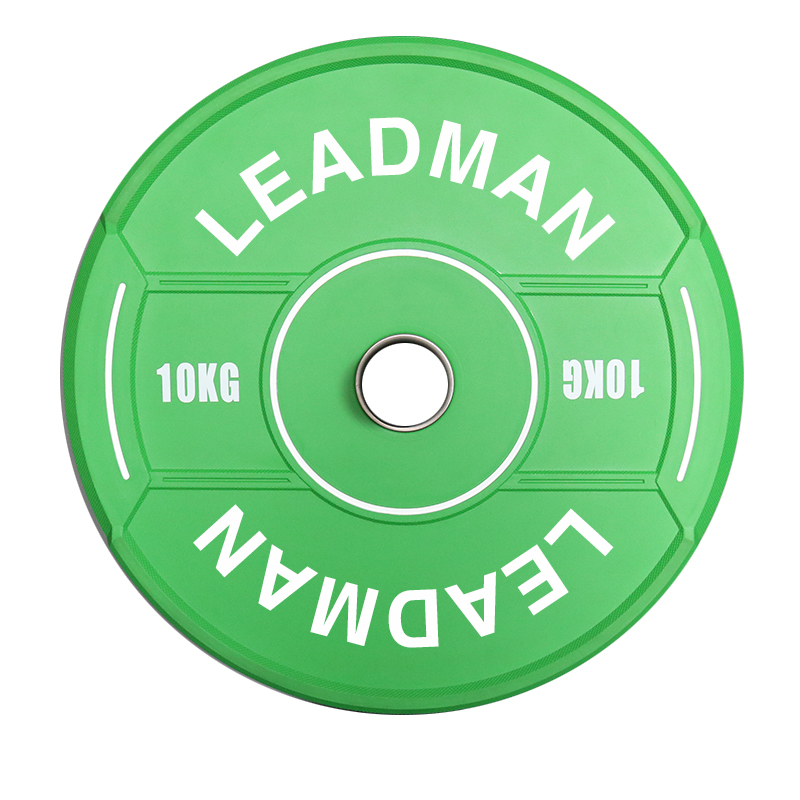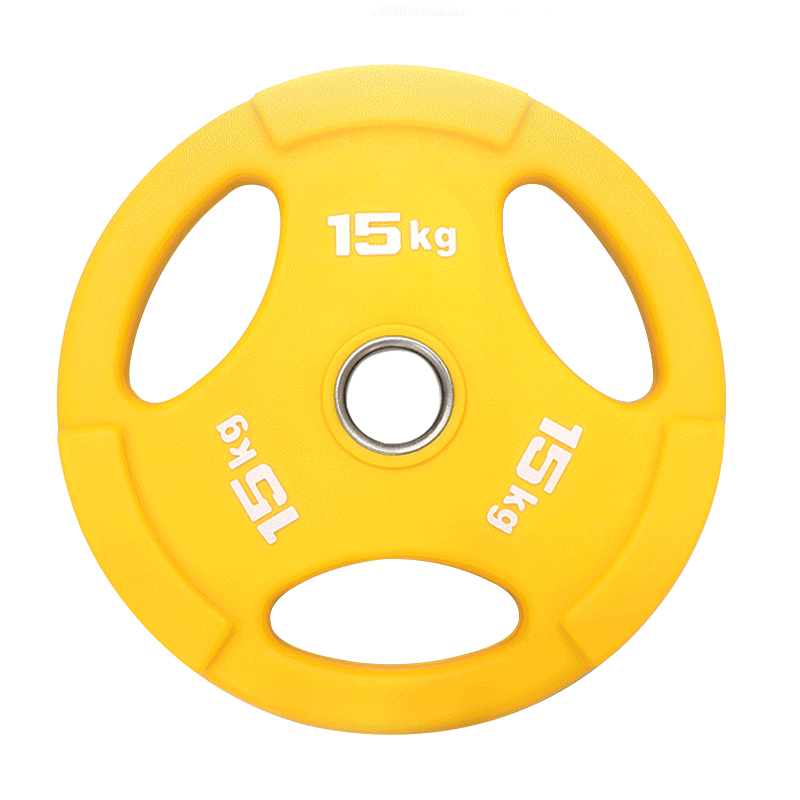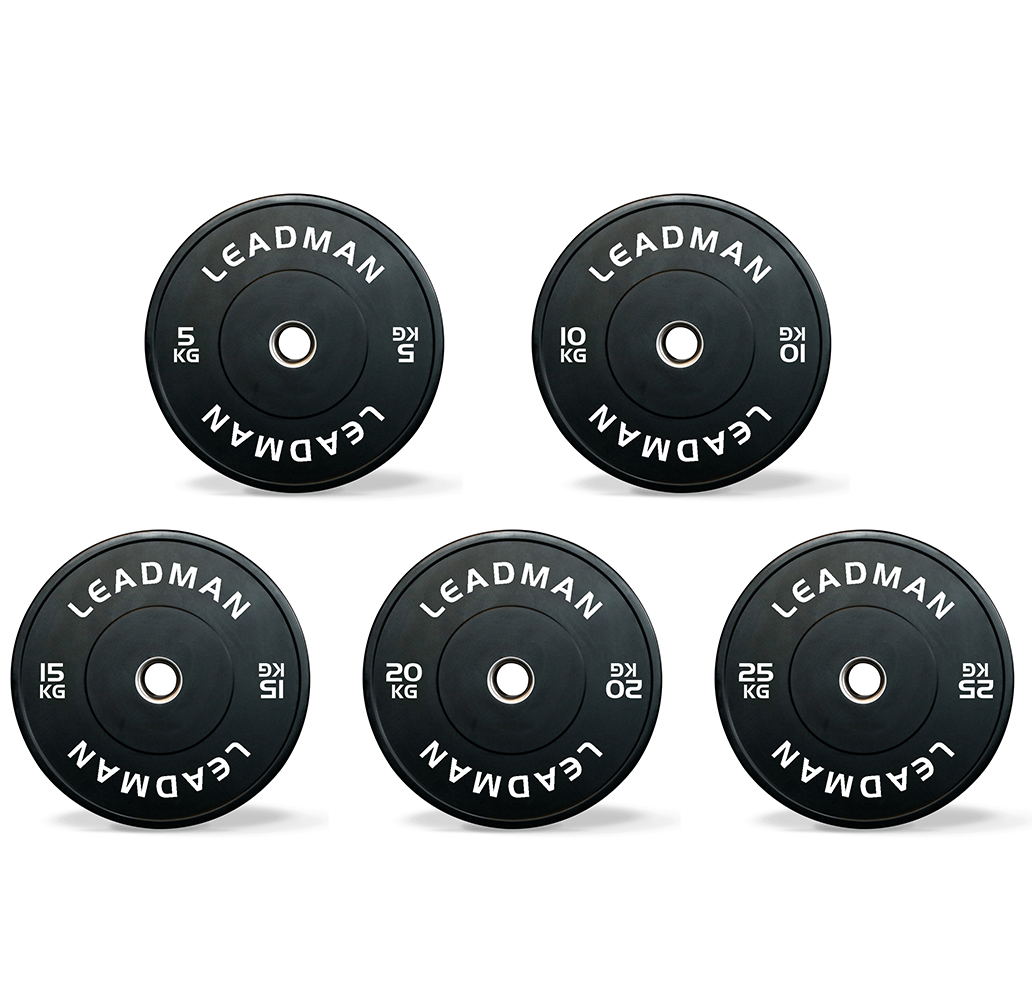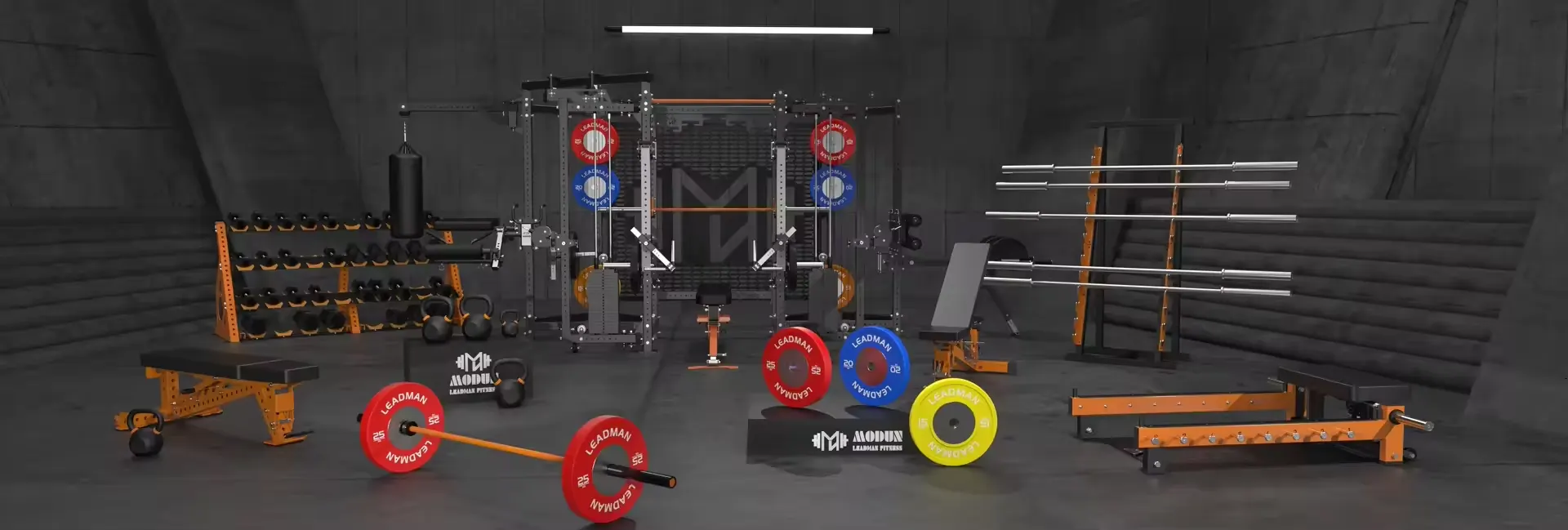
The global fitness industry relies on a network of specialized weight plate manufacturers to equip commercial gyms, boutique studios, and home training spaces. These producers range from massive foundries producing standardized cast iron discs to engineering-focused shops crafting precision-machined urethane and competition bumper plates. Understanding the differences in material science, quality control protocols, and manufacturing tolerances is the first step for any procurement professional or facility manager. Selecting the right supplier directly impacts user safety, equipment longevity, and the overall member experience in a high-traffic environment.
From a technical standpoint, the manufacturing process varies significantly by material class. Cast iron plates involve sand molding or permanent mold casting, with accuracy depending heavily on post-casting grinding and finishing. Bumper plate production requires advanced rubber compounding and adhesion layers to bond the steel insert to the durometer-optimized outer material. Urethane-coated plates represent the premium tier, using CNC-machined steel cores and high-durometer polyurethane injection, offering superior noise reduction and floor protection. Industry data suggests that plates with a tolerance of +/- 1% are considered high precision, while standard commercial grades often accept +/- 3%. For facilities prioritizing a silent, professional aesthetic, urethane is the benchmark, though it carries a higher upfront investment.
Evaluating potential partners requires looking beyond the product catalog. Leading weight plate manufacturers will share detailed specification sheets that include hardness ratings (Shore A for rubber, Shore D for urethane), insertion bond strength, and dimensional tolerances. A critical, often overlooked factor is the inner hole tolerance. A loose fit on a 50mm Olympic sleeve causes clattering, bar sleeve wear, and user frustration. Professional buyers should request samples to measure the fit on their existing bars. Additionally, scrutinize the warranty terms for insert separation in bumper plates, as this is a common failure point. The most reliable suppliers perform batch pull tests and provide traceability for their material batches.

Let our experts design the perfect gym solution for your business. Get a free consultation and quote today.