

Why Strength & Conditioning Equipment Is Key for Performance: A Technical Engineering Perspective
Material Integrity and Structural Durability Standards
In professional athletic environments, the margin between peak performance and physical injury is often dictated by the mechanical reliability of the tools in use. When we analyze why strength & conditioning equipment is key for performance, we must look beyond simple utility and focus on the metallurgical and structural integrity of the assets. Substandard materials lead to micro-fractures under repetitive high-load cycles, which eventually manifest as catastrophic structural failure.
Steel Grade and Tensile Strength Analysis
High-performance strength equipment typically utilizes cold-rolled or hot-rolled steel with specific tensile strength profiles. For example, weight racks and lifting platforms must withstand not just static loads, but dynamic impact loads. A common mistake among facility operators is selecting equipment based on price without verifying the steel gauge. A 11-gauge steel frame provides significantly higher resistance to buckling than a 14-gauge frame, even if the aesthetic appearance is identical.
| Material Aspect | Low-Spec Implementation | High-Performance Standard | Performance Impact |
|---|---|---|---|
| Steel Gauge | 14-16 Gauge (Thin) | 7-11 Gauge (Thick) | High impact resistance |
| Powder Coating | Basic Paint | Electrostatic Powder Coat | Corrosion resistance/Grip |
| Weld Type | Standard MIG | Full-Penetration TIG/MIG | Structural Joint Integrity |
Verifying the gauge thickness via calipers or technical spec sheets is the first step in ensuring long-term reliability. Once the material quality is established, the focus must shift to the mechanical precision of the moving parts.
Mechanical Precision in Resistance and Load Delivery
Moving from the static strength of a frame to the dynamic movement of resistance machines, the technical requirement shifts from structural stability to kinematic precision. If a resistance cable or a weight stack does not move with smooth, predictable deceleration, the athlete's nervous system cannot effectively map the movement pattern, leading to diminished neuromuscular adaptation.
The Role of Bearing Surfaces and Cable Friction
A primary failure mode in resistance-based equipment is the introduction of friction-induced drag. This occurs when bushings or bearings degrade or when cable paths are improperly routed. For an athlete, inconsistent resistance creates 'dead zones' in a repetition, which can break the kinetic chain and cause compensatory movements. Technical operators should monitor the 'smoothness' of the load path; any vibration or jerky movement during a rep indicates a failure in the bearing or cable housing.
- Checklist for Mechanical Smoothness:
- Inspect cable tension to ensure it is neither too tight (causing binding) nor too loose (causing slack).
- Verify that weight stacks are guided by high-grade polymer bushings to minimize metal-on-metal contact.
- Test the resistance through the entire range of motion (ROM) to detect friction spikes.
Ensuring these mechanical tolerances are met allows for the precise load delivery required for elite training. This precision, however, is only useful if the load is applied to a stable foundation.
Stability and Center of Gravity in High-Load Scenarios
Because high-performance training involves eccentric loading and explosive movements, the base of the equipment must be engineered to counteract significant moments of force. A lack of stability is a direct cause of energy leakage, where the athlete's power is used to stabilize the equipment rather than move the load.
Base Geometry and Floor Interface
A common technical oversight is ignoring the footprint-to-height ratio of heavy equipment. A high-profile squat rack with a narrow base may be structurally sound in isolation, but under a dynamic load, it can create an unstable center of gravity. Professional-grade equipment often utilizes widened uprights and specialized floor mounting systems to ensure the center of mass remains within a safe, stable perimeter during high-velocity repetitions.
| Stability Factor | Low-End Result | High-End Result | Verification Method |
|---|---|---|---|
| Base Footprint | Narrow/Small | Wide/Engineered | Measure base width vs. total height |
| Mounting | Free-standing | Bolted/Weighted | Check for floor movement under load |
| Floor Interface | Standard Rubber Mat | High-Density Impact Mat | Test for vibration dissipation |
When the foundation is secure, the athlete can focus entirely on the movement. This brings us to the critical component of the resistance itself: the interface between the athlete and the load.
Explore the complete technical specifications:
Power Lift Gym Equipment: Engineered for Strength Performance
Load Consistency and Calibrated Resistance Profiles
To truly understand why strength & conditioning equipment is key for performance, one must examine the consistency of the load profile. For an athlete to progress, the weight must remain constant across different sessions and even across different units of the same machine type.
The Problem of Variable Resistance
In many commercial-grade pneumatic or resistance-band machines, the resistance profile can fluctuate based on temperature, humidity, or air pressure. This lack of repeatability is a major pain point for coaches tracking incremental progress. A professional operator must verify that the resistance curves are calibrated. For example, in pneumatic equipment, the air pressure consistency must be monitored to ensure that a '50kg' setting actually delivers the same kinetic energy every time.
Verifying Calibration Standards
Technical operators can use a digital load cell to verify that the resistance provided by a machine matches the user interface settings. If a machine shows a 20kg increment but the load cell detects a 15kg or 25kg difference, the equipment is failing its performance mandate. Constant calibration ensures that the physiological data collected during training is both accurate and actionable.
Reliable data is the bedrock of training, but that data is useless if the physical interface of the machine is failing. This leads us to the necessity of routine maintenance and inspection protocols.
Explore the complete technical specifications:
Preventative Maintenance Cycles for High-Usage Facilities
The breakdown of equipment is rarely a sudden event; it is usually the result of neglected incremental wear. For high-performance facilities, a proactive maintenance schedule is a critical operational requirement to avoid downtime and injury risks.
Standardized Inspection Intervals
Failure to implement a structured inspection routine often results in 'creeping failures'—small issues like a loosening bolt or a fraying cable that go unnoticed until they cause a disruption. A technical analyst would categorize maintenance into three tiers: visual, tactile, and diagnostic.
- Tier 1 (Daily/Weekly): Visual inspection for loose bolts, frayed cables, or cracked upholstery.
- Tier 2 (Monthly): Tactile inspection involving checking bearing smoothness, lubrication levels, and bolt torque.
- Tier 3 (Quarterly): Diagnostic inspection including load cell verification and structural integrity testing.
By adhering to these tiers, operators can catch the cause of a failure before it results in a total loss of function. However, even with perfect maintenance, the human-machine interface remains a critical point of contact.
Ergonomic Interface and Biomechanical Alignment
Performance is heavily influenced by how well the equipment's geometry aligns with the human body. If a machine's pivot point does not align with the athlete's anatomical joint axis, the equipment is actually working against the user's natural biomechanics.
The Risk of Biomechanical Misalignment
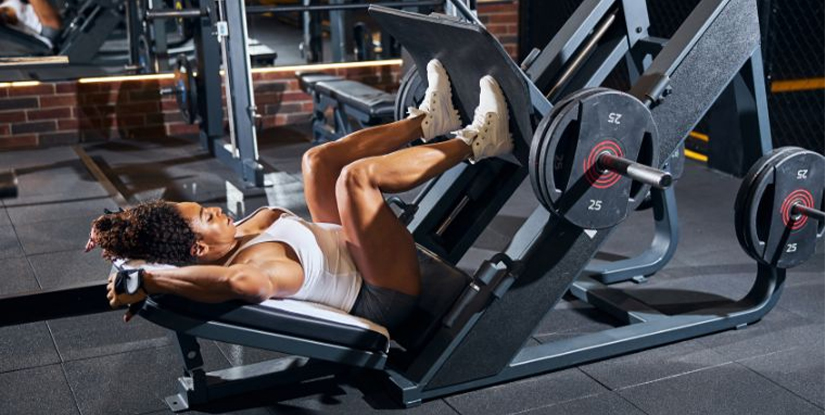
A common failure mode in poorly designed resistance machines is a fixed pivot point that does not allow for natural limb rotation. This creates sheer forces in the joint rather than pure tension in the muscle. To mitigate this, operators must select equipment that offers adjustable pivot points or multi-axial movement patterns. For example, a leg press machine with a fixed arc may be suitable for beginners, but an elite athlete requires a machine that accommodates a wider range of hip and knee angles to prevent joint impingement.
| Interface Element | Functional Goal | Failure Symptom |
|---|---|---|
| Pivot Axis | Anatomical Alignment | Joint Pain/Sheer Force |
| Grip Texture | Friction Control | Hand Fatigue/Slippage |
| Seat Adjustment | Neutral Spine Position | Lower Back Strain |
Ensuring that the machine complements the athlete's unique morphology is the final step in maximizing performance output. This technical alignment, combined with the factors discussed previously, creates the optimal training environment.
Environmental Control and Equipment Longevity
Finally, the environment in which the equipment is housed plays a significant role in its functional lifespan. A high-performance training facility must treat its equipment as a sensitive technical asset, not just durable iron.
Mitigating Corrosion and Material Degradation
Temperature and humidity fluctuations can lead to several issues: oxidation of exposed steel, hardening of rubber components, and changes in pneumatic pressure. For instance, high humidity can accelerate the rust on unprotected weight plates or spring-loaded mechanisms, which in turn increases friction and reduces performance. Operators should maintain a controlled climate to preserve the mechanical tolerances of their assets.
- Moisture Control: Use industrial dehumidifiers in high-sweat environments to protect electronic components and steel finishes.
- Temperature Stability: Avoid placing high-precision resistance machines in unconditioned areas to prevent fluctuations in pneumatic or hydraulic resistance.
By managing these external variables, facility managers protect their ROI and ensure that their equipment remains a consistent tool for athletic excellence.