

Understanding Load Limits: What Heavy Weight Gym Equipment Can Withstand
Structural Integrity and Load-Bearing Capacities
In high-traffic commercial fitness environments, the primary concern for facility managers is the distinction between nominal capacity and actual structural endurance. Understanding what heavy weight gym equipment can withstand requires looking beyond the weight plates themselves to the steel frames, weld points, and mechanical components that support them. A common mistake is assuming that because a machine is labeled 'heavy duty,' it possesses infinite durability under repetitive dynamic loading.
Dynamic loads—the force applied when a weight is dropped or moved rapidly—are significantly more punishing than static loads. A 100kg barbell being lowered controlledly exerts much less stress than a 100kg barbell hitting a rack after a failed lift. To mitigate these risks, operators must understand the distinction between static load limits (the maximum weight a machine can hold stationary) and dynamic impact tolerance (the ability to absorb shock). Failure to account for this often leads to premature fatigue in weld points and frame buckling.
Static vs. Dynamic Load Profiles
When evaluating equipment, professionals should utilize a specific metric for stress absorption. The following table outlines the difference in stress application across typical heavy-duty categories.
| Equipment Type | Primary Load Stressor | Critical Failure Point | Verification Method |
|---|---|---|---|
| Power Racks/Squat Stands | Vertical Compression (Static) | Base Feet and Upright Welds | Leveling and Bolt Torque Check |
| Plate-Loaded Machines | Repetitive Shear Force | Selector Pins and Pivot Points | Movement Smoothness & Pin Integrity |
| Free Weights (Barbells) | Torsional and Bending Stress | The Shaft and Sleeve Bearing | Bar Rotation and Straightness |
| Dumbbell Racks | Constant Surface Compression | Shelf Support Brackets | Deflection Measurement under Load |
Recognizing these load profiles allows for better-informed procurement and more effective safety protocols. Once the fundamental structural capacity is understood, the next logical step is examining the materials used to achieve these tolerances.
Material Selection and Metallurgical Durability
Understanding the durability of fitness apparatus is inseparable from the metallurgy and coatings used during manufacturing. The physical density and grade of steel determine how much force can be applied before permanent deformation occurs. Most professional-grade equipment utilizes high-tensile carbon steel, yet the quality of the finish often dictates the long-term structural reliability.
A frequent problem in budget-conscious facilities is the purchase of equipment with thin-walled tubing. While a thin-walled frame may support a moderate weight in a static state, it lacks the structural rigidity required for heavy-duty usage. Thicker gauge steel (typically 11-gauge or higher) provides the necessary cross-sectional area to resist bending under extreme loads. Furthermore, the quality of the powder coating acts as a protective barrier against oxidation, which can subtly compromise the metal's integrity over years of moisture exposure from perspiration.
Comparing Steel Gauge and Durability Outcomes
Decision-makers should prioritize the following material specifications when comparing different equipment classes to ensure long-term ROI.
| Material Specification | High-End Commercial Standard | Mid-Range/Home Standard | Operational Risk of Low Spec |
|---|---|---|---|
| Steel Gauge (Thickness) | 11-Gauge (approx. 3mm) | 14-Gauge (approx. 2mm) | Structural buckling under heavy use |
| Welding Type | Full Perimeter / TIG Welded | Spot Welded | Weld cracking and joint failure |
| Finish/Coating | Electrostatic Powder Coat | Standard Paint | Surface rust and structural oxidation |
Selecting the correct gauge and welding method ensures that the machine can withstand the rigors of professional training cycles. With the materials properly identified, the focus must shift to how these components interact under motion.
Mechanical Component Wear and Pivot Point Resilience
While the steel frame provides the skeleton, the mechanical components—such as pulleys, bearings, and guide rods—represent the nervous system of a machine. Even the strongest steel frame will not prevent a machine from becoming unsafe if the moving parts succumb to friction and misalignment. High-intensity training creates constant micro-vibrations and friction, which can lead to heat buildup and material degradation.
A common failure mode involves the breakdown of bushings or bearings within weight stacks. When these components wear down, the weight no longer travels smoothly, causing jerky movements that can send unexpected shockwaves through the entire frame. This is a critical danger: a sudden jerk in a pulley-based machine can exceed the dynamic load capacity the machine was designed to withstand. Regular maintenance is the only effective fix for this inevitable physical reality.
Maintenance Checklist for Moving Parts
- Cable Integrity: Inspect cables for fraying, kinking, or exposed wire strands every 30 days.
- Pulley Rotation: Verify that pulleys rotate freely without resistance or grinding sounds.
- Bearing Smoothness: Check that weight stacks move vertically without lateral oscillation.
- Bushings/Bearings: Ensure all pivot points are lubricated and free of excessive play.
By maintaining these mechanical interfaces, operators can prevent the excessive vibration that leads to frame-wide fatigue. This leads us to the necessity of a rigorous inspection routine to identify these issues before they become catastrophic failures.
Explore the complete technical specifications:
Critical Inspection Protocols for Heavy-Duty Racks
The most substantial risks in a weight room often stem from the most rigid pieces of equipment, such as power racks and squat stands. Because these items are designed to hold the heaviest loads, a failure in their structure is often sudden and uncompromising. Effective management requires moving from reactive repairs to proactive verification of structural integrity.
One of the most overlooked aspects of rack maintenance is the checking of hardware torque. Vibrations from heavy lifting can naturally loosen the bolts that secure uprights to the base or connect crossmembers. If a bolt is even slightly loose, the resulting 'play' creates a lever effect that significantly increases the stress on the remaining fasteners. Operators must implement a scheduled, systematic approach to hardware verification rather than relying on visual inspection alone.
The Three-Stage Inspection Framework
To ensure a rack is capable of performing as intended, follow this hierarchical inspection process:
- Phase 1: Visual Geometry Check. Look for any visible bowing in the uprights or misalignment in the crossmembers. A rack that looks slightly 'off-center' is already under undue stress.
- Phase 2: Hardware Integrity Audit. Use a torque wrench to verify that all structural bolts meet the manufacturer's specified tightness. Focus specifically on the base connections and any weight-bearing sleeves.
- Phase 3: Surface & Weld Examination. Inspect all weld points for hairline cracks. Even a tiny crack in a weld is a sign that the metal has reached its fatigue limit and requires immediate replacement.
Rigorous adherence to these protocols guarantees that the equipment remains within its safe operational envelope. Once the larger structures are verified, the attention of the facility manager should turn to the smaller, more frequent wear points of the facility.
Mitigating Impact Damage and Fatigue
The lifespan of heavy-duty equipment is often shortened not by the weight being lifted, but by the impact of the weights being released. Impact-related damage is a primary driver of structural fatigue, particularly in barbell sleeves, flooring, and rack components. If a facility is not designed to absorb this energy, the equipment will eventually bear the brunt of it.
When a heavy barbell is dropped, the kinetic energy is transferred through the bar into the rack or the floor. If the floor has insufficient density or the rack's weight-bearing sleeves are not designed for impact, this energy can cause micro-fractures in the steel or permanent deformation of the equipment. A major mistake is neglecting the flooring quality in a heavy-lifting zone, as the floor is actually a piece of 'equipment' that manages load dissipation.
Implementing Impact Mitigation Strategies
To extend the longevity of your assets, consider the following professional-level adjustments to your facility layout:
- High-Density Flooring: Utilize rubber flooring with a minimum thickness of 15mm–20mm to absorb vertical shock.
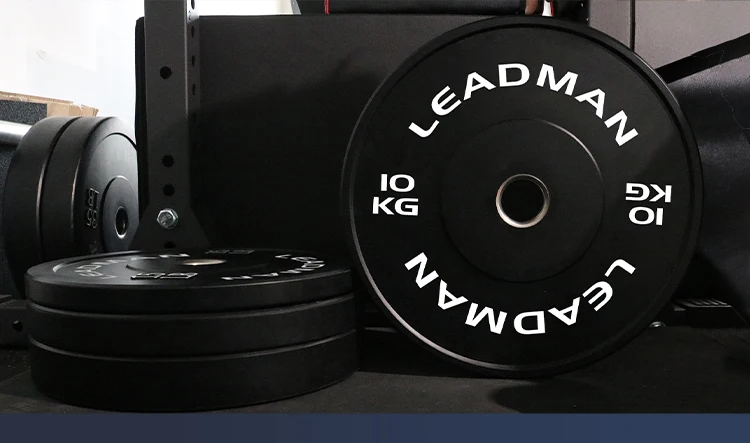
- Weight Plate Management: Encourage the use of bumper plates rather than iron plates for high-impact movements to reduce shock transfer.
- Barbell Sleeve Care: Ensure barbells are stored in racks that distribute the weight evenly rather than hanging them on narrow pegs.
Proper impact management is a critical piece of the larger puzzle in understanding the total capacity of a facility's hardware. As technology advances, the methods for monitoring these variables are also becoming more sophisticated.
The Role of Digital Monitoring in Modern Gyms
As we look toward the future of facility management, the industry is moving from manual inspection toward sensor-based monitoring. The question of what heavy weight gym equipment can withstand is being answered with real-time data. While traditional maintenance relies on the human eye, emerging technologies allow for a more precise understanding of material fatigue and load distribution.
The trend is shifting toward 'smart' equipment that can track the number of cycles, the peak loads reached, and the frequency of impact events. This data-driven approach removes the guesswork from maintenance schedules. Instead of replacing a cable every six months based on a generic estimate, a facility manager can replace it exactly when the tension data indicates a loss of structural integrity.
Future Trends in Equipment Longevity
Operators should keep a watchful eye on these evolving standards to maintain a competitive and safe edge:
- Load-Sensing Tech: Equipment that alerts staff when a certain load threshold or impact intensity has been exceeded.
- Predictive Maintenance AI: Software that analyzes usage patterns to predict when a bearing or cable is likely to fail.
- Advanced Alloy Composites: The introduction of new materials that offer higher strength-to-weight ratios and better fatigue resistance than traditional steel.
Staying ahead of these technological shifts ensures that your equipment remains a safe and reliable asset for years to come. A successful facility is built on the foundation of understanding both the current physical limits and the future of material science.