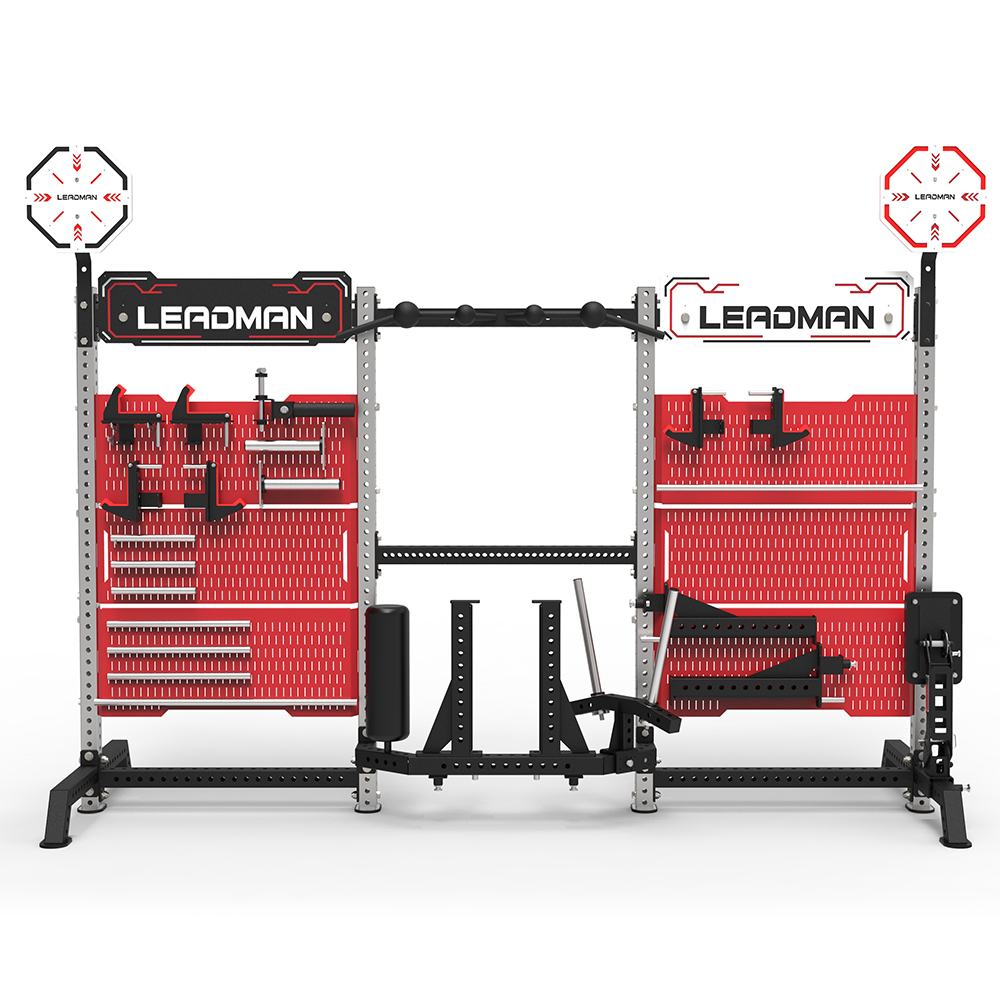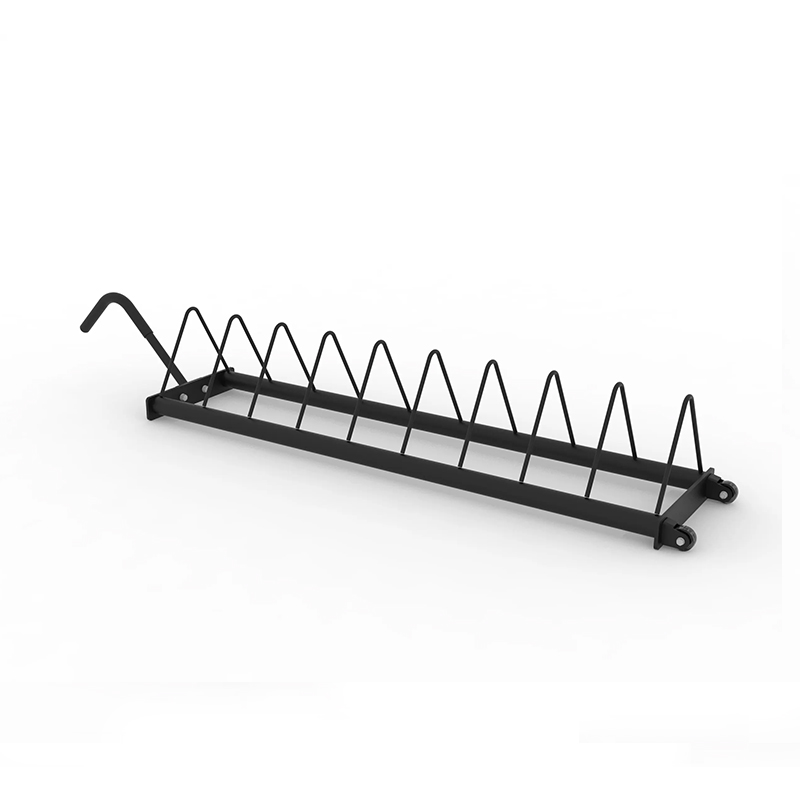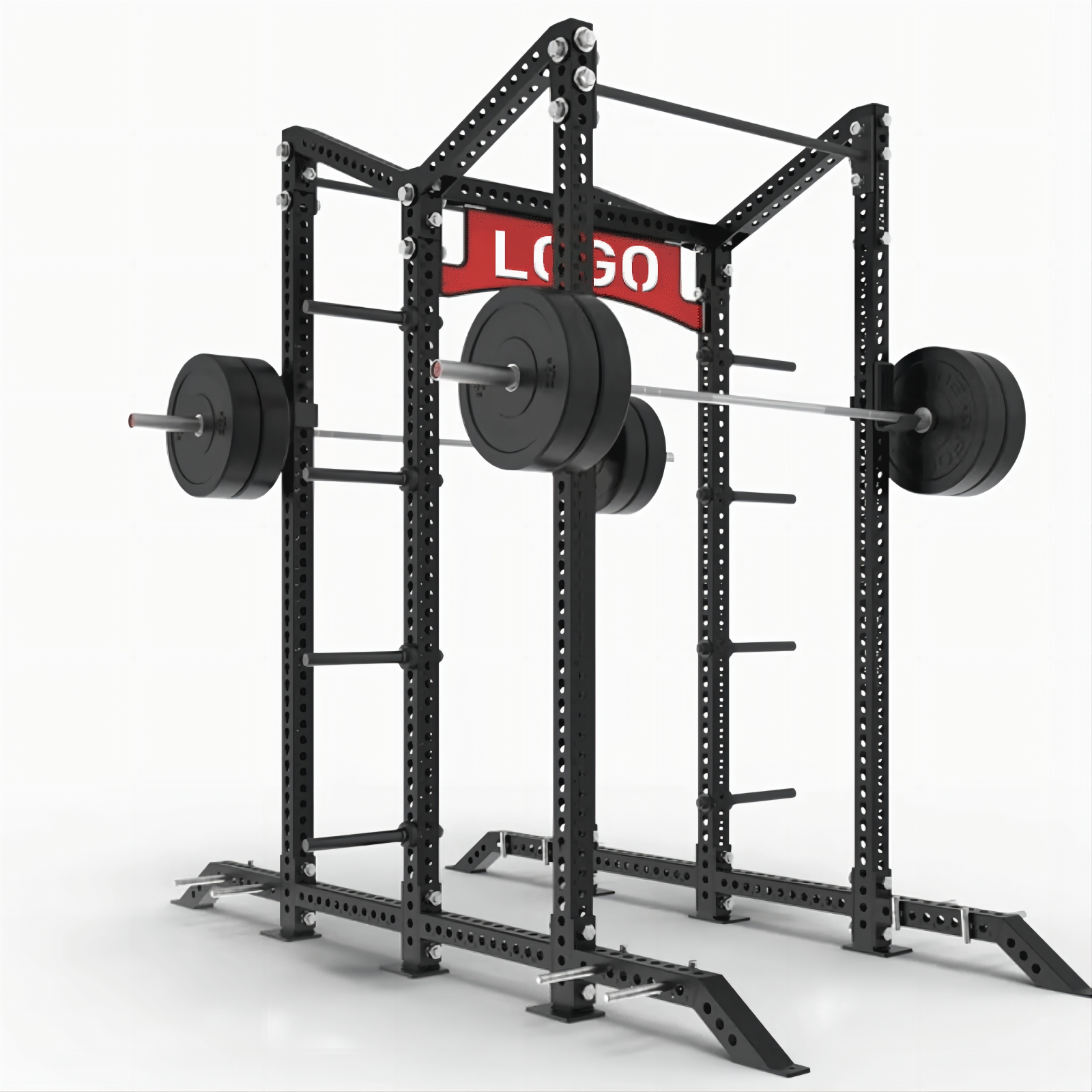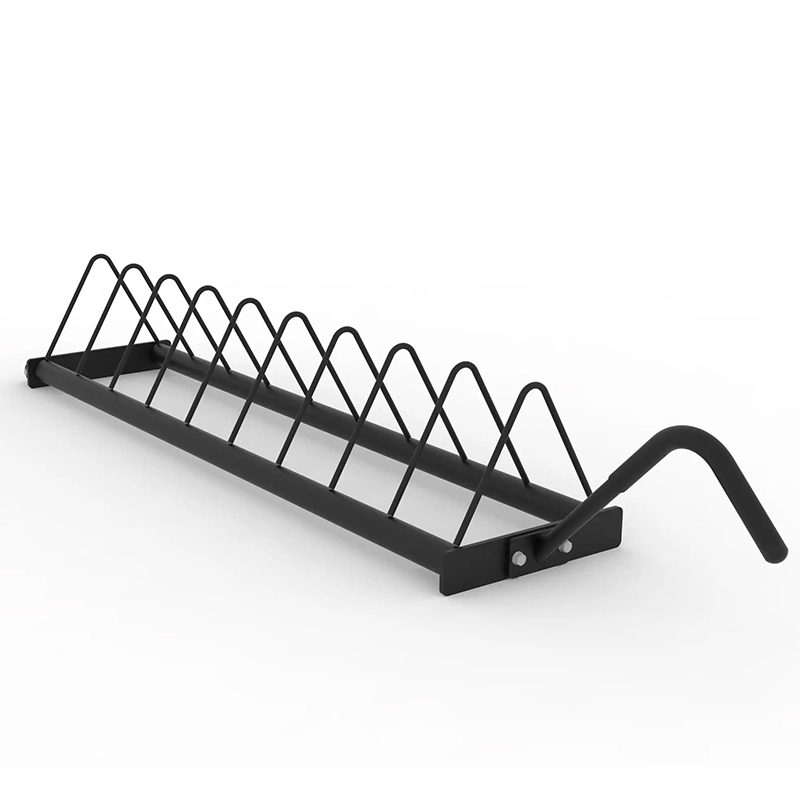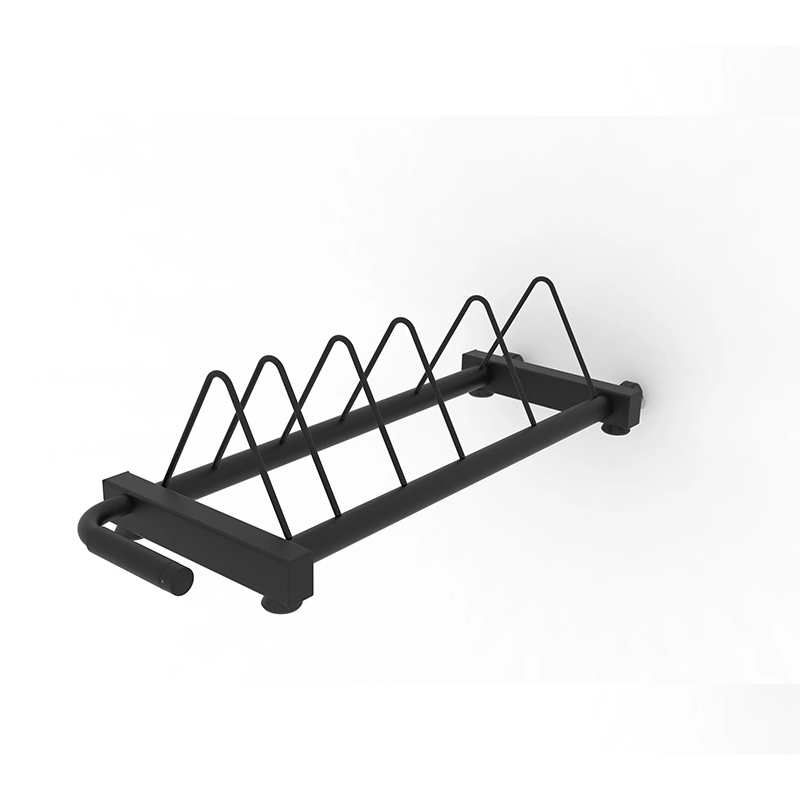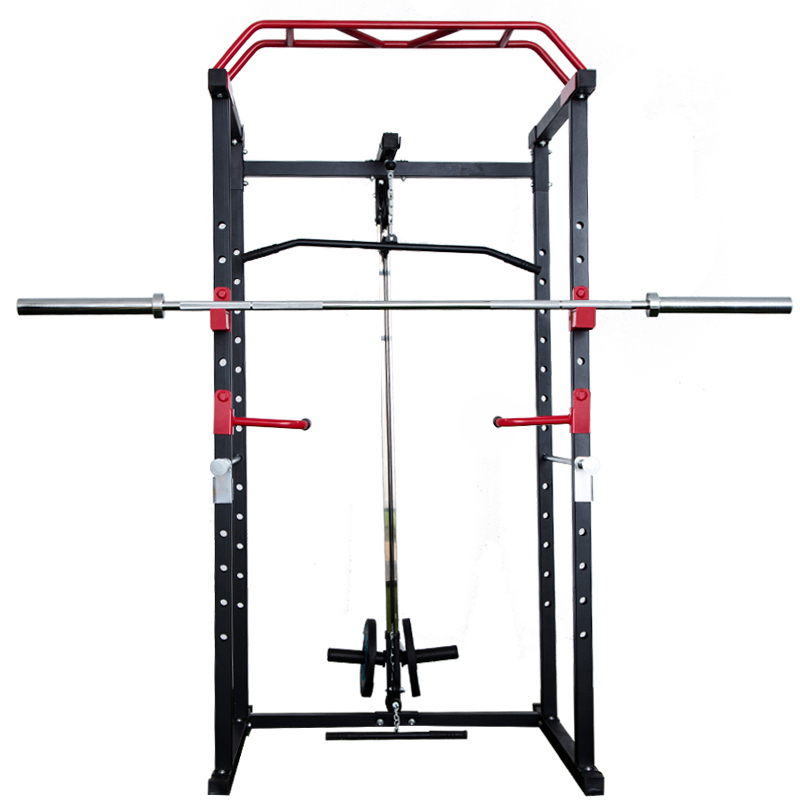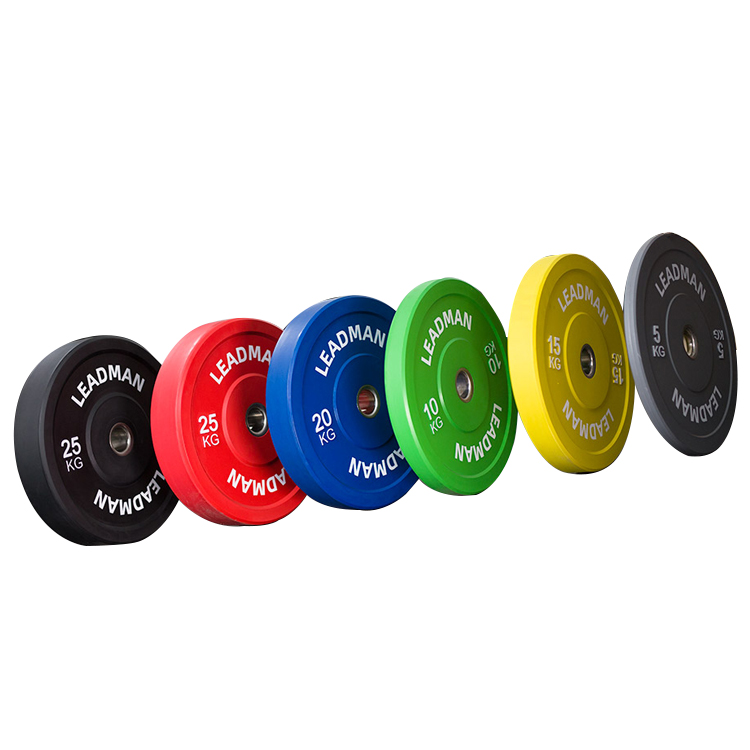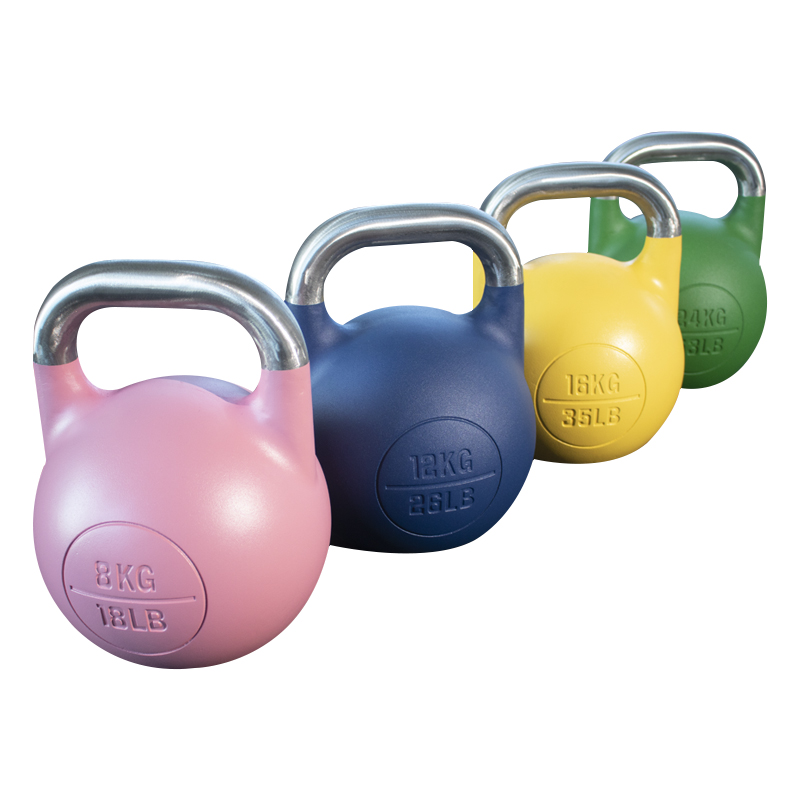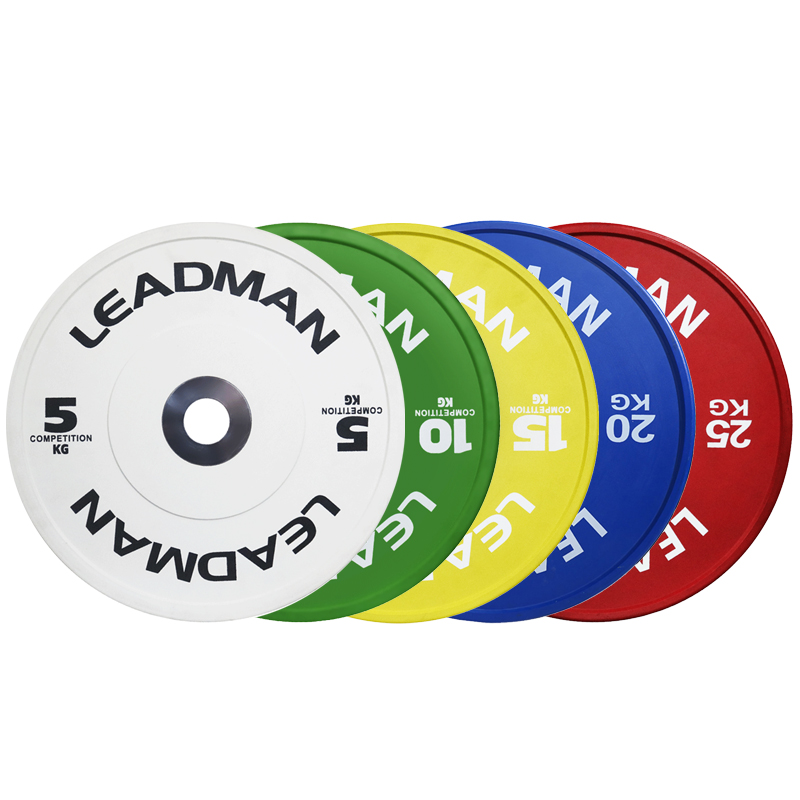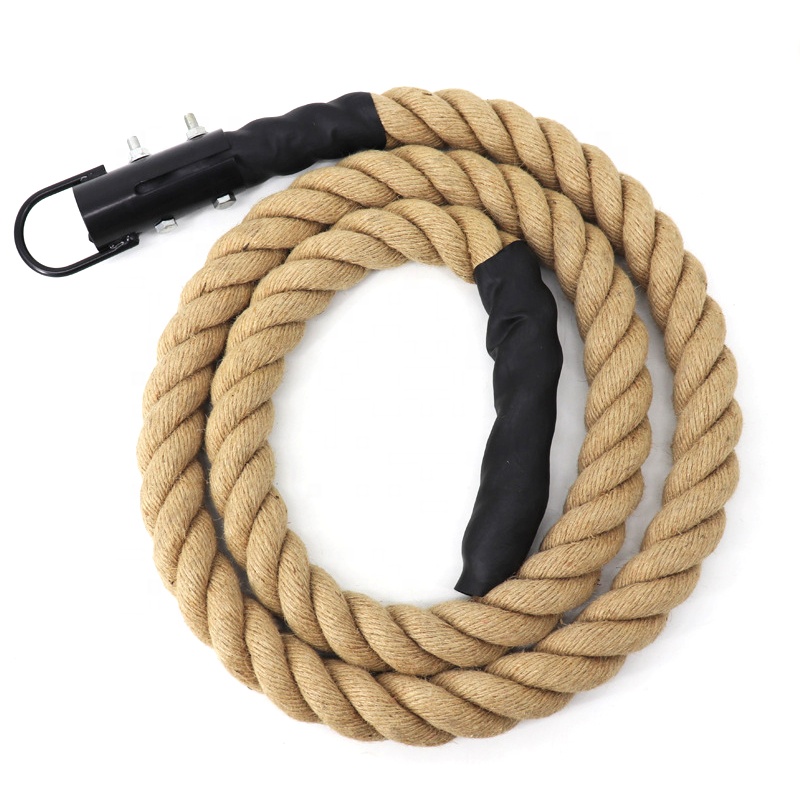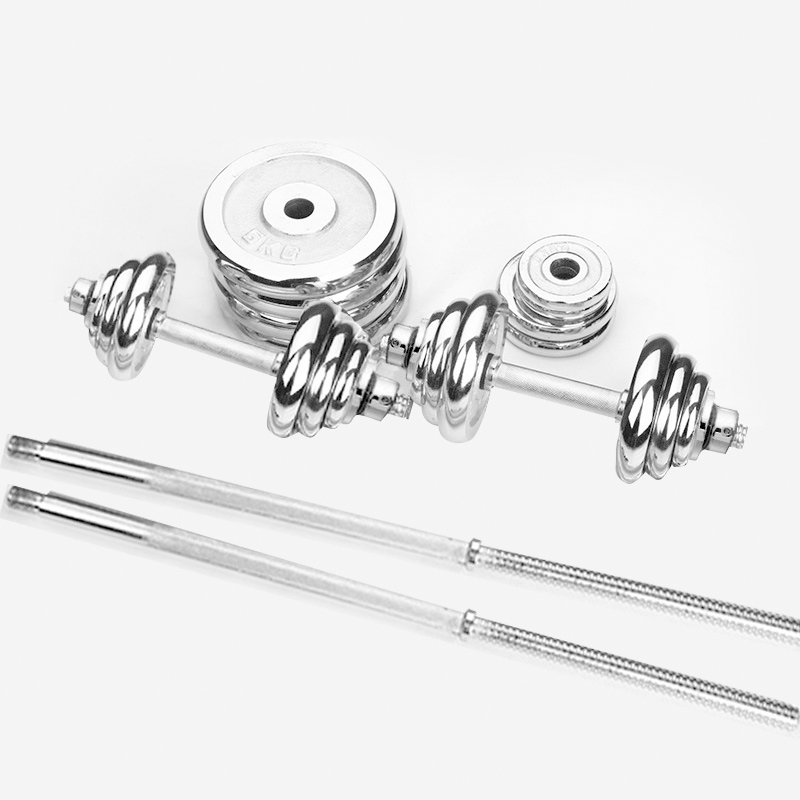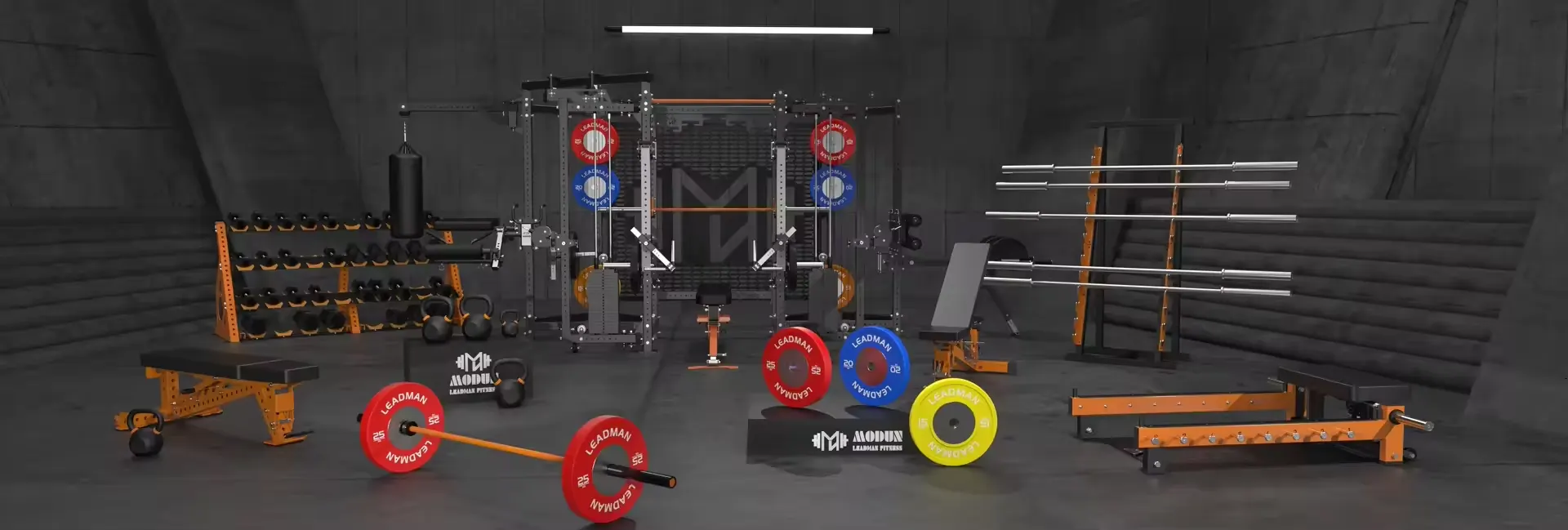
Weight gym equipment encompasses all strength training apparatus designed to provide resistance through gravity-manipulated mass—from free weights (barbells, dumbbells, kettlebells, weight plates) to selectorized machines, plate-loaded leverage machines, and cable crossover systems. Unlike cardio equipment or functional trainers that may use air, magnetic, or hydraulic resistance, weight-based equipment relies on iron, steel, or rubber-encased mass for load generation, offering predictable, linear resistance curves favored for strength and hypertrophy programming.
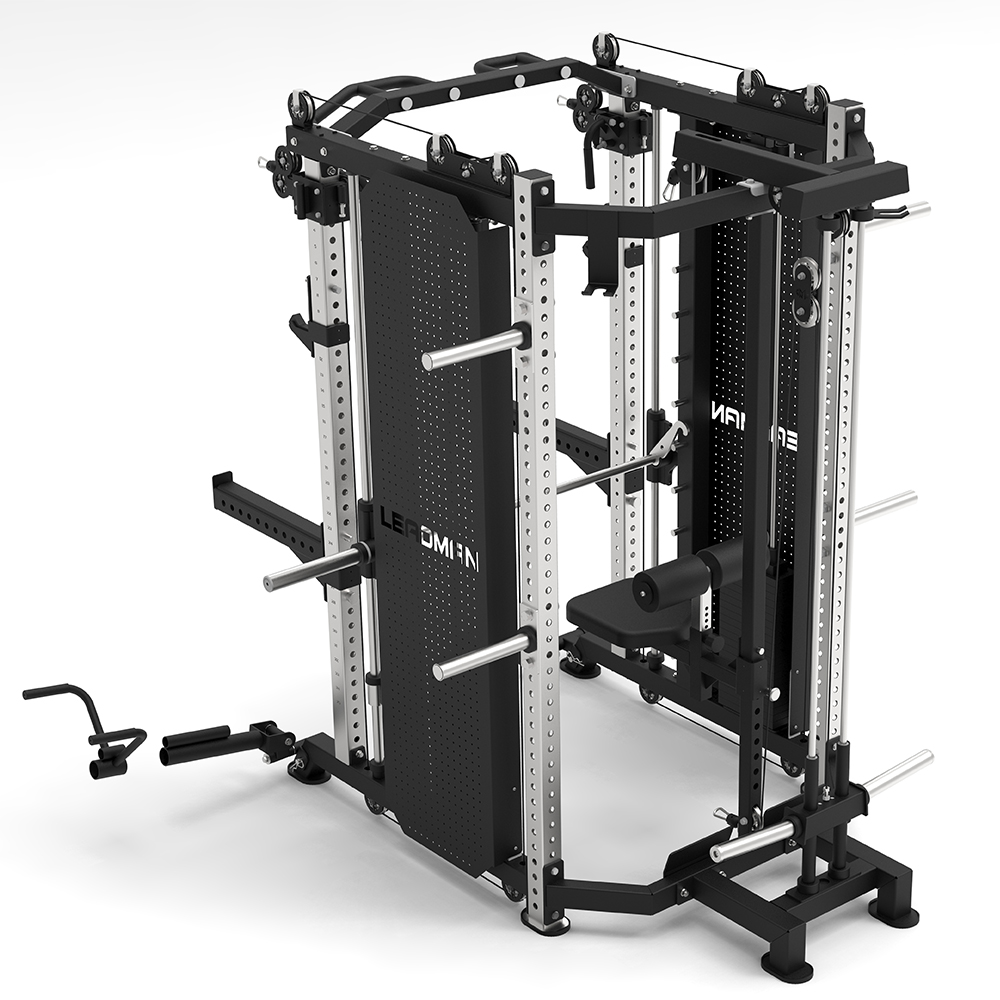
The engineering categories within weight gym equipment follow distinct mechanical principles. Free weights demand the highest stabilizer muscle recruitment and skill acquisition, offering unlimited load variability but requiring spotter support for maximal lifts. Selectorized machines use weight stacks with pin-selected loads, cam profiles designed to match human strength curves, and enclosed moving parts—prioritizing safety and isolation over functional movement patterns. Plate-loaded machines combine free weight versatility with guided movement paths, allowing lifters to load Olympic plates onto lever arms or carriage systems, offering infinite progression without weight stack limitations. Cable systems use pulleys and weight stacks or plate-loadable carriages, enabling variable resistance angles through adjustable pulley positions.
Industry data from commercial equipment purchasing trends indicates that weight gym equipment represents approximately 55-65% of capital expenditure for general population fitness facilities, with the remainder allocated to cardio. A 2024 survey of 400 gym owners found that free weight zones accounted for the highest member usage per square foot (average 4.2 users/100 sq ft during peak hours), followed by selectorized machines (2.8 users/100 sq ft) and plate-loaded machines (1.9 users/100 sq ft). The same survey noted that facilities allocating more than 40% of floor space to selectorized equipment had 22% higher retention rates among members over 50 years old, while facilities with expanded free weight areas attracted 35% more members under 35.
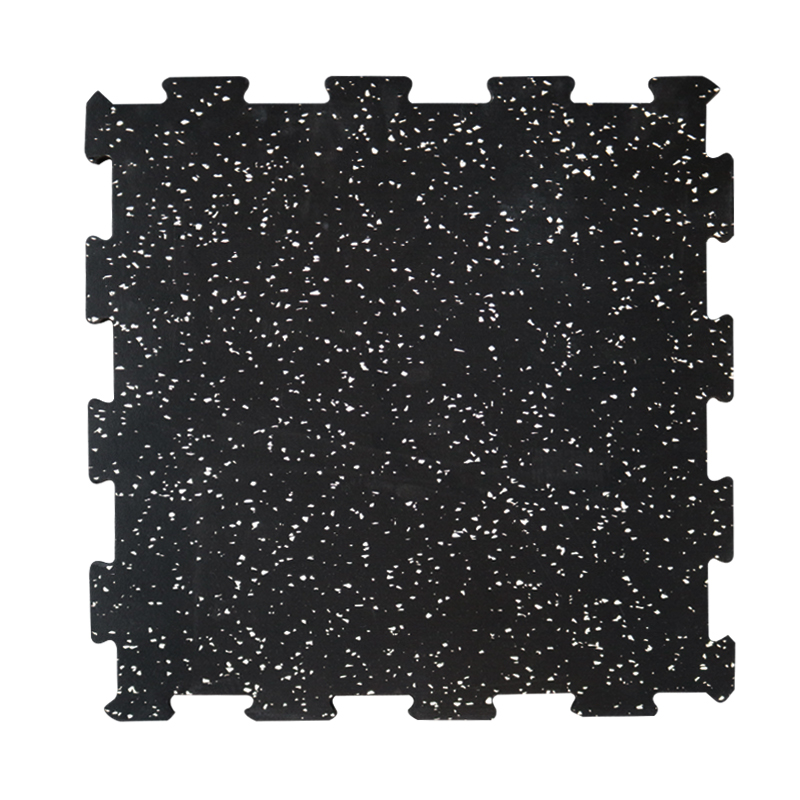
For buyers outfitting a facility with weight gym equipment, prioritize zone planning and equipment density. Free weight areas require shock-absorbent flooring (minimum 12-20mm rubber), reinforced dumbbell racks, and adequate clearance for barbell loading (minimum 8 feet ceiling height, 5 feet clearance behind benches). Selectorized machine zones need 6-8 feet between units for wheelchair access and safe entry/exit; cluster machines by muscle group (chest, back, legs, shoulders) to improve traffic flow. Plate-loaded machines require additional floor space for loading and unloading plates—position them away from high-traffic walkways to prevent plate collisions. For multi-site or franchise buyers, specify equipment from a single manufacturer or compatible ecosystem to standardize maintenance parts, upholstery replacement, and user experience. Budget $20,000-50,000 for a basic free weight zone (racks, benches, dumbbells, plates, bars), $30,000-80,000 for selectorized line (8-12 machines), and $15,000-40,000 for plate-loaded equipment (4-8 pieces). Expect 10-15 year lifespans for commercial-grade selectorized and plate-loaded machines; free weight components (bars, plates, dumbbells) may require replacement of highest-use items every 5-8 years under heavy usage.