

Why Some Gym Equipment Costs More—A Breakdown of Manufacturing Inputs
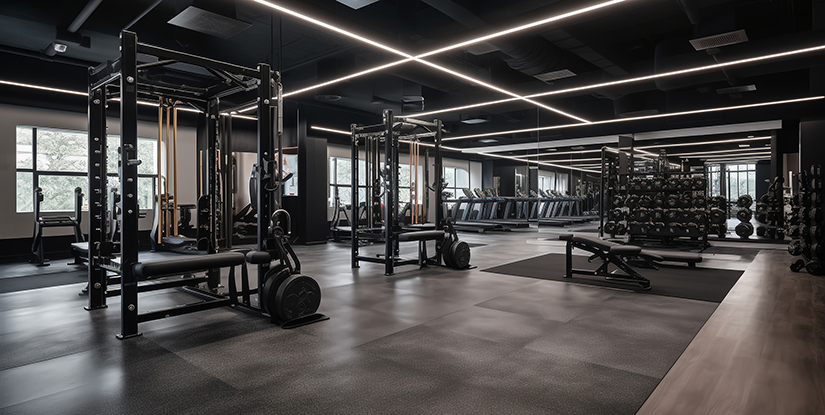
The Fundamental Drivers of Fitness Equipment Pricing
When browsing through high-end fitness catalogs, many consumers and gym owners are struck by the vast price disparities between different brands and models. You might see a functional trainer that costs three times as much as a similar-looking unit. Understanding why some gym equipment costs more requires moving beyond the surface-level aesthetics and looking deep into the industrial manufacturing process. The cost is rarely about the brand name alone; it is a direct reflection of the raw materials, the precision of the engineering, and the longevity of the components used. While basic machines are built for occasional use, premium equipment is engineered to withstand the rigors of thousands of cycles per day. This architectural complexity begins with the very skeleton of the machine: the structural steel.
The Foundation of Durability: Steel Gauge and Frame Engineering
As we explored the general price disparities, it becomes clear that the first major cost driver is the skeletal structure of the machine. In the manufacturing of strength equipment, the grade and gauge of the steel used are paramount. High-end manufacturers utilize high-gauge (thicker) steel to ensure the frame can handle immense load-bearing stress without buckling or vibrating. Lower-cost alternatives often use thinner-walled tubing to save on material costs, which can lead to frame fatigue or even structural failure over time. This reliance on heavy-duty steel not only ensures stability during heavy lifts but also provides a solid foundation for the moving parts that sit atop the frame. Transitioning from the rigid frame to the dynamic movement, we must look at how these machines actually move.
Explore the complete technical specifications:
Precision in Motion: High-Quality Bearings and Bushings
Building upon the stability provided by a heavy steel frame, the quality of the mechanical movement determines the "feel" of the machine. This is where the cost of precision bearings and bushings becomes apparent. Premium equipment utilizes precision-sealed steel bearings that allow for incredibly smooth, fluid motion with minimal friction. This smoothness is not just a luxury; it protects the user from jerky, uneven resistances that can cause injury. In contrast, cheaper machines often use inferior nylon bushings or low-grade bearings that may feel 'gritty' or noisy after a few months of use. This difference in mechanical components is a direct result of the high-precision machining required during the assembly phase. Speaking of assembly, the precision of these parts is often a result of advanced machining technologies.
The Role of CNC Machining and Tolerance Control
The smooth motion described in the previous section is not an accident; it is the result of advanced manufacturing techniques such as CNC (Computer Numerical Control) machining. While budget-friendly equipment may rely on manual cutting and basic assembly, high-end brands invest heavily in CNC technology to ensure extremely tight tolerances. CNC machining allows every bracket, pivot point, and weight stack guide to fit with microscopic accuracy. When parts are manufactured with these precise tolerances, the machine operates silently and maintains its alignment even under heavy loads. This level of precision is essential for the longevity of the machine, yet it also leads us to a critical question: how do these manufactured parts survive the harsh environment of a gym? The answer lies in the surface treatment and coatings.
Surface Integrity: Electrostatic Powder Coating and Finishes
Even the most precisely machined machine will fail prematurely if the materials are exposed to the elements. Once the frame and components are shaped and joined, they undergo a finishing process. Premium manufacturers utilize electrostatic powder coating, a process that applies a thick, durable layer of polymer powder that is then cured under heat. This creates a much more resilient shell than standard spray painting. This high-quality finish is vital because it protects the steel from oxidation (rust), sweat-induced corrosion, and the constant impact from weight plates. While the coating process adds significant time and cost to the manufacturing cycle, it is a necessary investment for durability. However, the protection extends beyond just the metal frame; it also includes the surfaces the user touches directly.
Explore the complete technical specifications:
Ergonomics and Upholstery: The Human-Machine Interface
While the structural integrity is handled by steel and coatings, the user's direct interaction with the machine is defined by the upholstery. High-quality equipment utilizes medical-grade, high-density foam covered in heavy-duty, moisture-resistant vinyl. This material is designed to resist cracking, peeling, and the absorption of sweat, which are common issues in lower-tier models. The cost of high-end upholstery is higher because it must maintain its shape and integrity despite constant compression and chemical exposure from cleaning agents. A well-couche seat ensures that the user remains comfortable and properly aligned, which is a direct byproduct of the machine's overall engineering quality. This focus on user comfort and long-term wear leads us back to the ultimate goal of any manufacturing process: quality control.
Quality Control and the Cost of Reliability
The discrepancy in price is often a reflection of the rigorous testing protocols a brand follows. A manufacturer that produces high-end gear will implement multi-stage quality control (QC) to inspect for uneven welds, misaligned moving parts, or even microscopic bubbling in the paint finish. These inspections ensure that every unit leaving the factory meets a strict standard of excellence. In the budget sector, QC is often streamlined to reduce overhead, which can result in machines that arrive with mechanical noise or slight structural imbalances. Investing in a robust QC department ensures that the machine performs as intended from day one and for years to follow. Ultimately, this brings us to the most important consideration for any buyer: the long-term value.
Explore the complete technical specifications:
Total Cost of Ownership: Evaluating Long-Term Value
In conclusion, understanding why some gym equipment costs more requires looking at the entire lifecycle of the product. While the upfront investment for premium, CNC-machined, high-gauge steel equipment is higher, the Total Cost of Ownership (TCO) is often much lower. Because these machines are built with high-quality bearings, durable powder coatings, and premium upholstery, they require significantly less frequent maintenance and replacement. For commercial facilities, this means less downtime and a better return on investment. For home users, it means a machine that stays in the family for a decade rather than a few years. By prioritizing manufacturing inputs like material thickness and mechanical precision, users are truly investing in the long-term health and performance of their fitness journey.