

Optimizing Performance: Why CrossFit Gym Accessories Are Essential for Workout Variety
The Myth of the Minimalist Box: Why Basic Equipment Isn't Enough
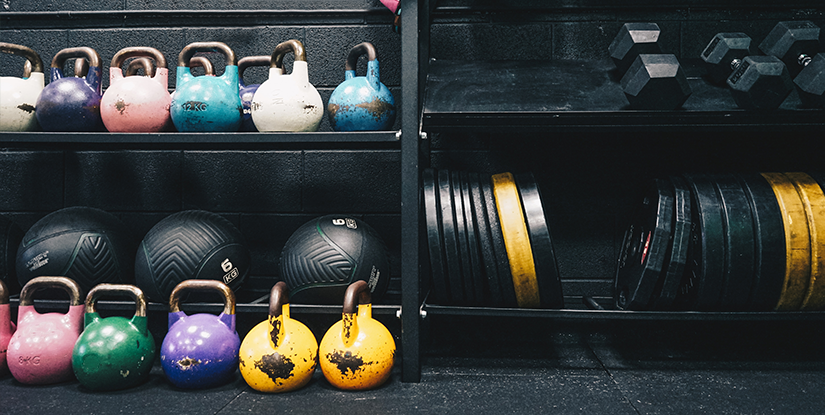
A common misconception among new facility operators is that a high-quality set of barbells, dumbbells, and kettlebells constitutes a complete functional training environment. While these are the pillars of any strength program, relying solely on primary implements creates a ceiling for both athlete progression and programming versatility. This 'minimalist plateau' occurs when the metabolic and mechanical stimulus cannot be varied without significant changes to the foundational gear.
When a coach attempts to program high-intensity interval training (HIIT) or complex gymnastic sequences using only traditional weights, they often face the problem of excessive impact on joints or insufficient mechanical load scaling. The cause is a lack of specialized mechanical interfaces. To fix this, operators must integrate targeted accessories that bridge the gap between pure strength and high-volume metabolic work. By diversifying the toolset, you move from a rigid lifting environment to a dynamic training ecosystem. Understanding this mechanical necessity leads directly to the specific categories of gear that drive this transition.
The Cost of Static Programming
A gym that refuses to evolve its accessory inventory often experiences stagnant athlete engagement. Without variation in grip, tension, and movement planes, the central nervous system (CNS) adapts too quickly, leading to the 'plateau effect.' Professionals recognize that accessories are not luxury add-libs; they are structural requirements for sustained intensity.
| Limitation of Basic Gear | Resulting Programming Constraint | Accessory Solution |
|---|---|---|
| Uniform Grip Diameter | Rapid forearm fatigue in high-rep work | Diverse handle diameters and textured grips |
| Single-Plane Movement | Limited lateral/rotational capacity | Bands, ropes, and suspension systems |
| Fixed Load Increments | Difficulty in micro-loading | Weighted vests and specialized resistance bands |
Once the necessity of specialized tooling is established, the next step is identifying the specific technical categories that provide the most value per square foot of floor space.
Mastering Variable Resistance Through Banding and Tension
Having identified that basic weights have limitations, we must look at how variable resistance solves the scaling problem. In high-intensity functional training, the goal is often to manipulate the resistance curve—the point in a movement where the exercise is most difficult.
The primary problem with standard iron weights is that the resistance is constant. This can lead to 'dead spots' in movements like overhead presses or heavy squats. The solution lies in resistance bands and specialized tension tools. These accessories allow for 'ascending resistance,' where the load increases as the athlete reaches full extension, mimicking natural muscle strength curves. However, selecting the wrong grade of elasticity can lead to catastrophic failure. Operators must differentiate between latex-based bands and heavy-duty fabric resistance. Fabric bands offer more consistent tension and are less prone to the 'snap-back' failure mode seen in low-quality rubber variants.
Verification of Tension Integrity
To ensure safety, operators should perform a monthly tension test. This involves inspecting the surface of the bands for 'micro-pitting' or discoloration, which indicates the polymer is degrading. If a band shows any signs of thinning or surface cracking, it must be decommissioned immediately to avoid injury during high-tension movements.
Proper tension management is only one side of the coin; the other involves how the body interacts with the equipment via grip and stability tools.
Optimizing Grip Dynamics and Surface Stability
The transition from pure strength to high-volume accessory work often fails not because of muscle strength, but because of grip failure. This is a critical pain point for athletes in movements like pull-ups, toes-to-bar, or heavy kettlebell swings. Without the right accessories, the limiting factor becomes hand fatigue rather than systemic capacity.
The technical solution involves a tiered approach to grip support. This ranges from basic chalk to sophisticated wrist wraps and lifting straps. For high-repetition gymnastic work, the focus shifts to hand protection and grip stability. A common mistake is using standard gym gloves, which actually decrease tactile feedback and can lead to blisters or compromised grip security during high-speed movements. Instead, professionals prioritize specialized hand grips or high-friction tape.
Selection Criteria for Grip Support
- Chalk vs. Liquid Chalk: Liquid chalk provides a more uniform coating and is less messy for commercial environments, but standard chalk is often superior for rapid reapplication during high-intensity sessions.
- Wrist Wraps: Should be selected based on stiffness—rigid wraps for heavy lifting/stability, and flexible wraps for dynamic movements.
- Weight Vest Integration: When scaling bodyweight exercises, the stability of the vest is paramount. A poorly fitted vest shifts the center of gravity, inducing unwanted spinal torque.
Maintaining the integrity of these grip-related tools is essential to prevent the gradual degradation of athlete performance and safety.
Explore the complete technical specifications:
Strategic Implementation of Scaling Implements
As we move from individual tools to the broader programming context, the ability to scale movements becomes the defining metric of a successful facility. The core problem is that a 'one-size-fits-all' approach to weight fails to accommodate the vast range of athlete skill levels found in most functional fitness communities.
The implementation of scaling implements—such as specialized kettlebell shapes, medicine ball densities, and plyometric boxes—allows a coach to manipulate the intensity of a workout without changing the fundamental movement pattern. For example, a heavy medicine ball might be used to increase the stimulus of a lateral toss, whereas a lighter, more bouncy ball is used to train explosive reaction speed. The cause of poor scaling is often a lack of variety in the implements' weight-to-volume ratio. To solve this, operators should maintain a 'library' of different densities and diameters.
Density and Impact Comparison
| Implement Type | Primary Use Case | Risk of Misuse |
|---|---|---|
| Medicine Ball (Hard/Dense) | High-intensity power/throws | Surface damage if used on non-impact floors |
| Medicine Ball (Soft/Slam) | High-volume metabolic conditioning | Loss of shape over time with improper storage |
| Plyometric Box (Wood/Solid) | Maximal power/jump height | Structural fatigue if used for high-impact drops |
| Plyometric Box (Foam/Soft) | High-repetition/Endurance work | Rapid compression/loss of rebound over time |
Verifying the appropriate use of these implements requires constant monitoring of how the equipment reacts to high-impact or high-volume fatigue.
Explore the complete technical specifications:
Fitness Accessories Manufacturers | OEM Gym Equipment Suppliers
Maintenance Protocols for High-Use Accessories
A high-performance accessory library is only as good as its maintenance schedule. The technical failure of a single accessory—a snapped band or a cracked medicine ball—can halt an entire class and create significant liability. The problem is often a lack of standardized inspection protocols among staff members.
To mitigate this, operators must implement a three-tier maintenance system: daily visual checks, weekly physical inspections, and quarterly structural audits. A common failure mode is the 'set and forget' mentality, where broken or worn-out gear is left in the rack until an accident occurs. The fix is a simple 'Red Tag' system: any piece of equipment that fails a visual or physical check is immediately tagged and removed from the floor.
The Essential Accessory Maintenance Checklist
- Resistance Bands: Check for surface discoloration, micro-tears, or loss of elasticity.
- Kettlebells/Dumbbells: Inspect handles for rust, burrs, or structural cracks.
- Medicine Balls: Check for seams that are peeling or surfaces that feel 'leathery' or dry.
- Weight Vests: Verify zipper integrity and strap strength.
By establishing these rigorous standards, you ensure that the variety provided by your accessories does not come at the cost of facility safety.
Maximizing ROI Through Intelligent Inventory Selection
For the facility owner, the question of why CrossFit gym accessories are essential is ultimately a financial one. Buying the wrong accessories is a drain on capital; buying the right ones is a multiplier for athlete retention and program quality. The core problem is 'random procurement'—buying items because they are popular rather than because they fill a specific mechanical gap in the training program.
To ensure a high Return on Investment (ROI), purchases should be viewed through the lens of 'Programmatic Versatility.' A piece of equipment that can be used for ten different movements (e.g., a high-quality battle rope or a set of gymnastic rings) is significantly more valuable than a single-purpose implement. The cause of low ROI is usually a highly specialized kit that cannot be easily integrated into the standard daily WOD (Workout of the Day).
Inventory Categorization Strategy
Organize your procurement around three levels of utility: Core (high-frequency, foundational), Versatile (used in varied programming/scaling), and Specialized (used for specific skill development). This ensures that your capital is first directed toward the tools that see the most usage, while also providing the depth required for advanced athlete progression.
With a strategic approach to both purchasing and maintenance, the operational complexity of a diverse accessory kit becomes a competitive advantage rather than a liability.
The Future of Accessory-Driven Programming
The landscape of functional fitness is constantly shifting toward more nuanced, data-driven, and skill-heavy training. As this occurs, the reliance on specialized accessories will only increase. The facilities that thrive will be those that treat their accessory inventory as a core component of their technical infrastructure, rather than an afterthought. By prioritizing mechanical variety, rigorous maintenance, and intelligent scaling, operators can provide a professional-grade environment that fosters both longevity and performance.