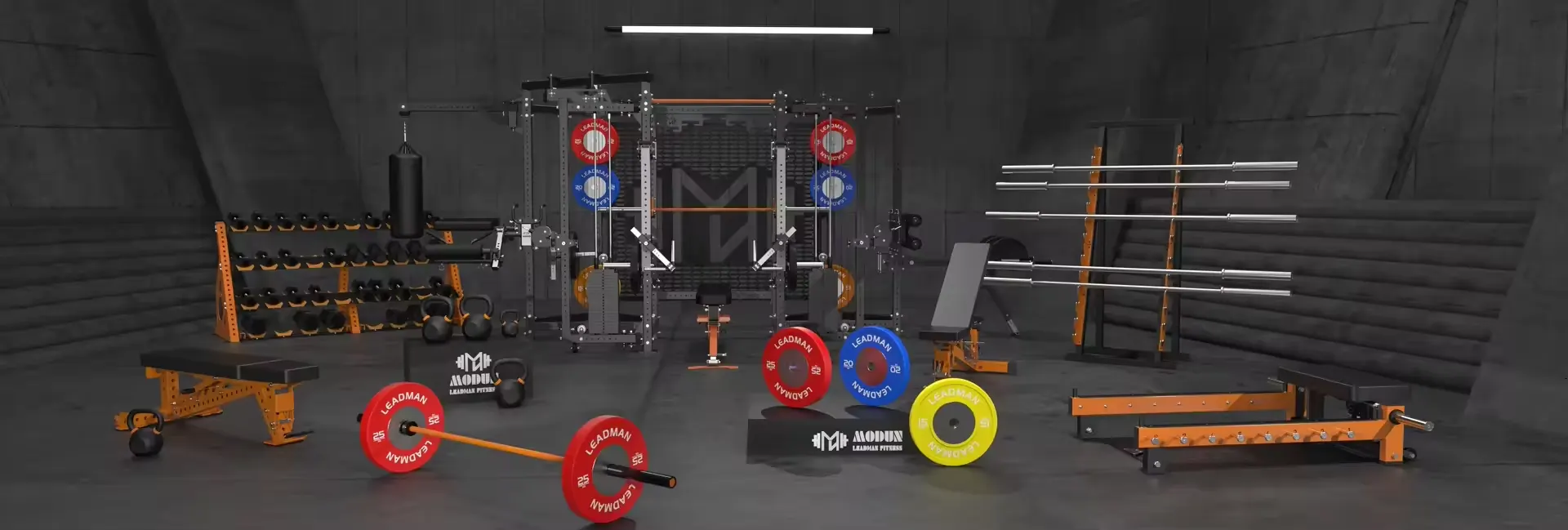
The fitness accessories market has undergone a remarkable transformation, evolving from basic add-ons into essential performance enhancers that define modern workout experiences. No longer considered afterthoughts, items such as resistance bands, weight belts, grip aids, and foam rollers have become integral to both commercial gym operations and home fitness setups. This category, collectively known as fitness accessories, bridges the gap between raw equipment capability and optimal human performance, offering solutions that improve safety, comfort, and exercise variability. For facility operators, curating a comprehensive selection of workout accessories directly impacts member satisfaction and retention, as users increasingly expect well-rounded support for their training journeys.
When evaluating gym accessories wholesale opportunities, buyers must navigate a diverse landscape of materials, durability ratings, and functional applications. Resistance bands, for instance, range from thin latex therapeutic bands (providing 5–15 pounds of resistance) to heavy-duty fabric tubes that deliver over 150 pounds of tension, catering to rehabilitation patients and advanced powerlifters alike. Similarly, fitness equipment add-ons like lifting straps, chalk balls, and thumb tape address specific user pain points—grip failure during deadlifts, sweaty palms in hot yoga, or callus protection for gymnasts. The best wholesale suppliers offer tiered quality options, allowing gyms to stock premium branded items alongside value-priced alternatives for different membership tiers or retail sale opportunities.
Industry data reveals that accessories now account for approximately 18–22% of total gym equipment spending, a figure that has steadily climbed over the past five years as functional training and personalized workouts gain prominence. Strategic procurement of exercise accessories involves analyzing usage patterns: high-turnover items like jump ropes and mini-bands may require monthly restocking, while durable goods such as leather weight belts and steel lockers may last years with minimal replacement. Smart facility managers also leverage accessories as revenue drivers through pro-shop sales, offering members convenient access to training aids like foam rollers, massage balls, and hydration bottles branded with the gym's logo—a practice that enhances brand visibility while generating additional income streams.
The evolution of materials science has significantly elevated accessory performance standards. Antimicrobial coatings on yoga mats prevent bacterial growth in humid studio environments, while moisture-wicking fabrics in wrist wraps reduce skin irritation during prolonged use. Advanced polymers in resistance tubing now maintain elastic integrity for over 10,000 cycles, compared to older rubber compounds that degraded within months. For wholesale buyers, these technical specifications matter immensely, as they directly correlate with replacement frequency and overall cost-per-use. Looking forward, the integration of smart technology into accessories—think Bluetooth-connected jump ropes that track cadence or sensor-equipped grip trainers that monitor force output—represents the next frontier, promising to transform strength training gear into interactive data hubs that further personalize and optimize every workout session.

Let our experts design the perfect gym solution for your business. Get a free consultation and quote today.