

Why Commercial Grade Gym Equipment Offers Superior Longevity
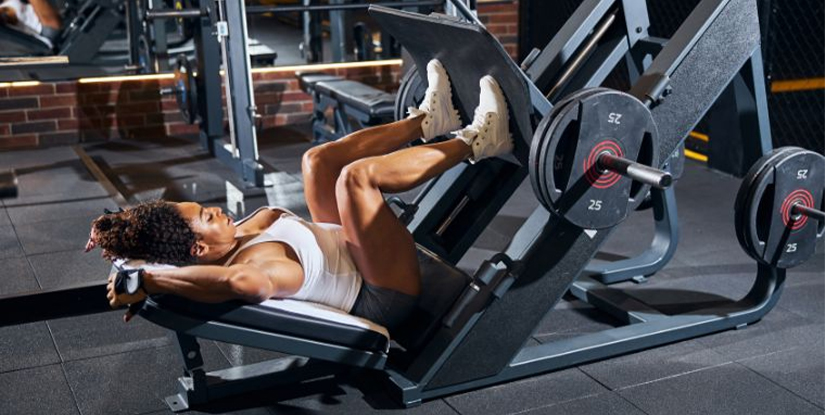
The High Cost of Premature Equipment Failure
Facility managers often face a recurring nightmare: a piece of high-use equipment failing just months after installation. This isn't merely an inconvenience; it is a direct hit to the bottom line through repair costs and diminished member satisfaction. When equipment fails, the cause is rarely a single catastrophic event but rather the cumulative effect of structural fatigue and substandard material selection. Understanding why commercial grade gym equipment offers superior longevity begins with recognizing the structural demands placed on a machine during a standard 12-hour operational window.
In high-traffic environments, machines are subjected to constant mechanical stress, varying user weights, and high-frequency usage. Residential-grade alternatives often fail because they are designed for intermittent use, whereas commercial units are engineered for continuous, heavy-duty cycles. By identifying the mechanical vulnerabilities that lead to early breakdown, operators can make more informed procurement decisions that prioritize long-term stability over initial savings. This structural foundation is essential before examining the specific material science that differentiates professional-grade hardware from consumer models.
Material Density and Structural Integrity Standards
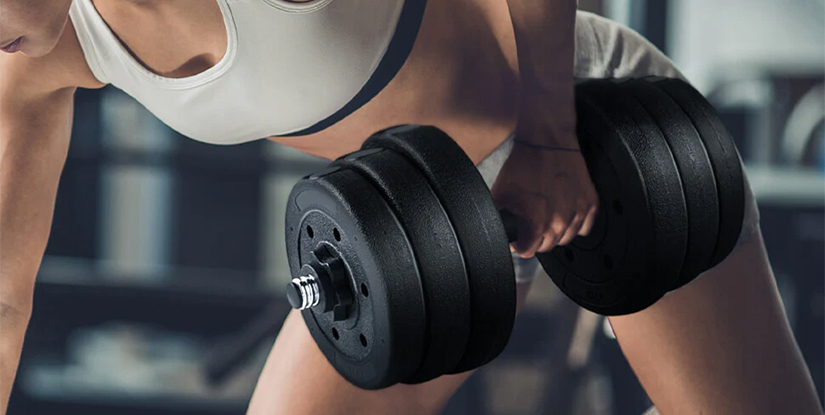
Building upon the necessity of durability, we must look at the physical composition of the equipment. The primary reason commercial grade gym equipment offers superior longevity is the use of high-gauge steel and reinforced frame construction. While a home-use bench might utilize thin-walled tubing to reduce weight and shipping costs, a commercial unit employs heavy-gauge steel to resist bending and structural deformation under load.
Steel Gauge and Frame Stability
The thickness of the steel, often measured in gauge, dictates the frame's ability to withstand lateral and vertical forces. A lower gauge number indicates thicker steel. In a professional setting, choosing frames with higher structural density prevents the 'wobble' that often precedes a catastrophic weld failure. Operators should verify the weight and steel specifications during the procurement phase to ensure the equipment meets the expected load requirements of their specific facility type.
Welding Quality and Joint Reinforcement
A common failure mode in lower-tier equipment is the decoupling of joints due to poor weld penetration. Commercial-grade machines utilize continuous, heavy-duty welding techniques to ensure that every intersection of the frame is a single, cohesive unit. This reduces the risk of metal fatigue at the stress points. When inspecting new arrivals, look for smooth, consistent weld beads rather than pitted or uneven lines, which can indicate structural weaknesses.
| Feature | Residential/Consumer Grade | Commercial Grade Standard |
|---|---|---|
| Steel Construction | Thin-walled, lightweight tubing | High-gauge, reinforced steel |
| Weld Type | Spot or intermittent welding | Continuous, heavy-duty welding |
| Frame Stability | Subject to vibration/wobble | Rigid, high-stability architecture |
| Load Capacity | Limited, intermittent use design | High-capacity, continuous use design |
Once the structural integrity of the frame is confirmed, the focus must shift from the stationary frame to the moving parts that facilitate exercise. This brings us to the critical role of mechanical components and bearing systems.
Mechanical Component Reliability and Bearing Life
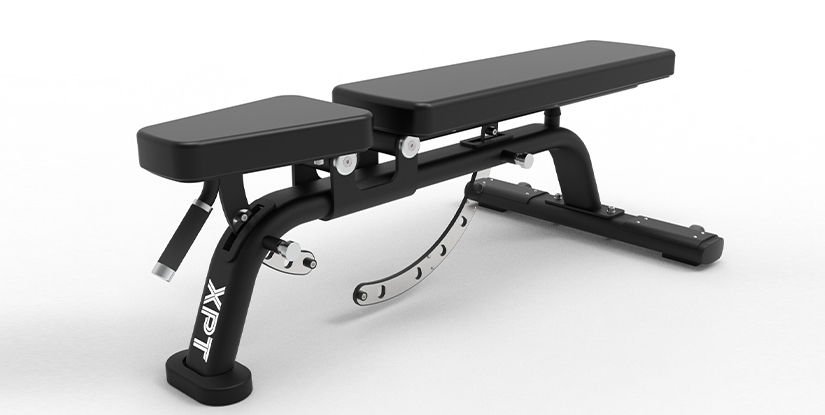
Even the strongest steel frame is only as reliable as the moving parts it supports. The distinction between consumer and commercial equipment is most apparent in the longevity of bearings, bushings, and cables. If these components fail, the entire machine becomes a liability, regardless of how robust the frame remains.
High-Performance Bearing Systems
Bearings are the heart of any selectorized or resistance-based machine. Commercial-grade bearings are typically designed with tighter tolerances and better lubrication retention. A common mistake in facility management is ignoring the sound of a 'grinding' bearing; this is an early warning sign of metal-on-metal contact caused by dried or contaminated lubricants. Professional machines use sealed bearings to prevent dust and sweat ingress, significantly extending their operational life.
Cable Durability and Coating Specifications
Cables are high-wear components that undergo thousands of flexion cycles daily. Commercial cables are often constructed with a high strand count and a specialized coating (such as nylon or heavy-duty polyurethane) to prevent fraying. Operators should check for any sign of 'kinking' or exposed steel strands. Replacing a cable prematurely is an easy fix, but a snapped cable during use is a major safety violation and a potential lawsuit risk.
- Verification Step: Pull the cable through the pulley system manually to check for resistance or irregular movement.
- Common Failure: A cable that 'snags' at a specific point usually indicates a bent pulley or a frayed inner strand.
With the internal mechanics understood, we must now address how the exterior of the machine survives the daily rigors of a gym environment, specifically regarding upholstery and finishes.
Surface Finishes and Upholstery Durability
The longevity of a machine isn't just about whether it functions, but how well it maintains its physical appearance and hygiene. High-use environments are hostile to surfaces; sweat is corrosive, and constant friction from user movement can quickly degrade inferior materials.
Corrosion Resistance in Powder Coating
The aesthetic and protective layer of a frame is often a high-quality powder coating. In commercial settings, this coating must be resistant to both impact and chemical cleaners. A poor coating will chip easily, exposing the underlying steel to oxidation and rust—especially in high-humidity environments like heavy lifting areas. When inspecting, look for a thick, uniform finish that shows no signs of bubbling or easy scratching.
Upholstery Specifications and Hygiene
Upholstery is often the first part of a machine to look 'old.' Commercial-grade upholstery uses high-density foam and heavy-duty vinyl that is resistant to both tearing and the pH levels found in human sweat. A common failure is the 'cracking' of the vinyl, which allows moisture to seep into the foam, creating a breeding ground for bacteria and causing the internal padding to collapse.
| Upholstery Aspect | Standard/Light-Duty | Commercial-Grade Requirement |
|---|---|---|
| Foam Density | Low-density, quick to compress | High-density, resilient to compression |
| Vinyl Coating | Thin, susceptible to cracking | Thick, reinforced, chemical-resistant |
| Stitching Strength | Single or decorative stitching | Heavy-duty, reinforced seams |
Maintaining these surfaces and the internal mechanics requires a systematic approach to care. This leads us directly into the operational necessity of a maintenance schedule.
Optimizing Equipment Lifespan Through Maintenance Protocols
Understanding why commercial grade gym equipment offers superior longevity is only half the battle; the other half is ensuring that the advantages of these machines are preserved through rigorous upkeep. Even the best-engineered machine will degrade if neglected.
The Daily vs. Weekly Inspection Cadence
Maintenance should be tiered. A daily check is a visual and auditory assessment, whereas a weekly or monthly check is a technical deep dive. Operators should not wait for a part to break before intervening. A proactive approach identifies issues when they are still inexpensive and easy to fix.
- Daily: Wipe down surfaces, check for loose bolts, and listen for unusual noises during use.
- Weekly: Check cable tension, inspect upholstery for tears, and ensure all adjustment pins are seated correctly.
- Monthly: Deep clean bearings, lubricate guide rods, and re-torque critical bolts.
Common Maintenance Mistakes to Avoid
One of the most prevalent errors is the over-lubrication of moving parts. While lubrication is essential, applying too much grease or oil can actually attract dust and debris, creating an abrasive paste that accelerates wear. Another mistake is using the wrong type of lubricant—using a standard WD-40 on a bearing instead of a specialized heavy-duty grease can actually strip the existing lubricant away and cause immediate damage.
By adhering to these protocols, the inherent durability of commercial-grade hardware is fully realized, ensuring a higher return on investment for the facility.
Verification: How to Audit Your Equipment Performance
To truly understand if your investment is paying off, you must implement a way to verify the performance of your equipment against its expected lifespan. This isn't just about looking for broken parts; it's about measuring the degradation of the user experience.
Quantitative and Qualitative Audit Metrics
A professional facility manager should track two types of data. Quantitative data includes the frequency of replacement parts (e.g., how many cables were replaced this quarter?), while qualitative data involves member feedback (e.g., are members complaining about 'stiff' or 'noisy' machines?).
The 'Smoothness' Test and Mechanical Benchmarking
A highly effective way to verify the health of your resistance or cardio equipment is the 'smoothness' test. During a routine inspection, observe the movement of a weight stack or a pedal stroke. If the movement is jerky or has inconsistent resistance, the bearings or the drive system are likely failing. This is an early indicator that a component is nearing its end-of-life and needs replacement before it causes a stoppage.
Long-Term ROI and Procurement Strategy
Ultimately, the decision to invest in commercial-grade equipment is a financial strategy aimed at maximizing the lifecycle of a capital expenditure. While the upfront cost is higher, the cost-per-year of ownership is typically significantly lower than that of consumer-grade alternatives.
Total Cost of Ownership (TCO) Analysis
When calculating the value of your equipment, do not look only at the purchase price. Consider the TCO, which includes the price of the machine plus the cost of parts, labor for repairs, and the potential lost revenue from equipment downtime. Commercial equipment, with its higher initial cost, often results in a lower TCO over a five-to-ten-year period because it requires fewer replacements and less intensive labor.
Final Selection Criteria for Buyers
Before finalizing a purchase, always request technical specification sheets rather than marketing brochures. A professional buyer should demand clarity on steel gauge, bearing types, and upholstery density. This level of scrutiny ensures that you are purchasing a tool designed for longevity rather than a machine designed for a short-term sales cycle.