

Selecting the Right Commercial Gym Equipment Packages: A Comprehensive Technical Guide
Defining Core Objectives and Training Modalities
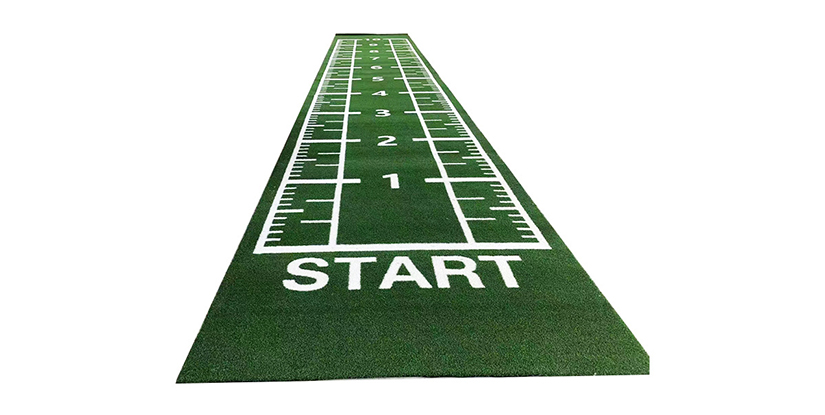
Before engaging with suppliers, a facility owner must define the primary functional objective of the space. Selecting the right commercial gym equipment packages is not a one-size-fits-all process; it requires a deep dive into the intended user demographic and training intensity. For instance, a high-traffic commercial fitness center requires high-durability strength machines, whereas a boutique studio might prioritize versatile functional movement tools.
Decision Matrix: Objective Alignment
To ensure your selection aligns with your business model, consider the following parameters:
- High-Volume Strength: Focus on heavy-gauge steel, fixed-path resistance, and high-density upholstery.
- Cardiovascular Endurance: Focus on motor efficiency, electronic console reliability, and low-impact ergonomics.
- Functional Training: Focus on modularity, floor-space flexibility, and multi-directional movement capabilities.
A common mistake is over-investing in specialized machines that offer low utility across diverse user groups. By establishing these objectives early, you create a foundation for more granular technical decisions regarding material specifications and structural integrity.
Material Specifications and Structural Durability

Once the objective is clear, the focus must shift to the physical components of the equipment. The longevity of your investment is directly proportional to the grade of materials used in construction. A package that appears aesthetically pleasing but lacks structural substance will result in high turnover costs and user dissatisfaction.
Technical Checklist for Material Quality
| Component | Standard Requirement | Failure Indicator |
|---|---|---|
| Steel Frame | Minimum 11-12 gauge steel | Visible flexing under load |
| Resistance Cables | Coated steel with high tensile strength | Fraying or surface oxidation |
| Upholstery | High-density, moisture-resistant foam | Cracking or sagging under weight |
| Bearings | Sealed precision ball bearings | Grinding or uneven rotation |
When evaluating a package, always request the technical specification sheets. Relying on marketing jargon like "professional grade" is insufficient; you must verify the actual gauge of the steel and the type of lubrication used in moving parts. Understanding these physical attributes leads directly into the next critical phase: how these machines interact with your physical environment.
Spatial Optimization and Operational Footprint
A common failure mode in gym design is the "crowding effect," where equipment is purchased based on its individual dimensions without considering the required operational footprint. Selecting the right commercial gym equipment packages requires calculating the total space needed for a user to operate the machine safely and effectively.
Calculating Effective Footprint
The effective footprint is the sum of the machine's base dimensions plus the user's movement zone. For example, a treadmill requires not only the length of the machine but also a significant clearance zone behind it to prevent injury during a fall. A weight bench requires clearance for the lifter's arms and the barbell's full range of motion.
- Standard Clearance: Maintain at least 36 inches of unobstructed space around any moving piece of equipment.
- High-Intensity Zones: Free weight areas require significantly more perimeter space to accommodate dropped weights and user movement.
Failure to account for these buffers can lead to liability issues and a feeling of congestion, which diminishes the premium feel of a facility. With the spatial layout defined, you must now decide between different architectural approaches to equipment organization.
Modular vs. Monolithic Architectures
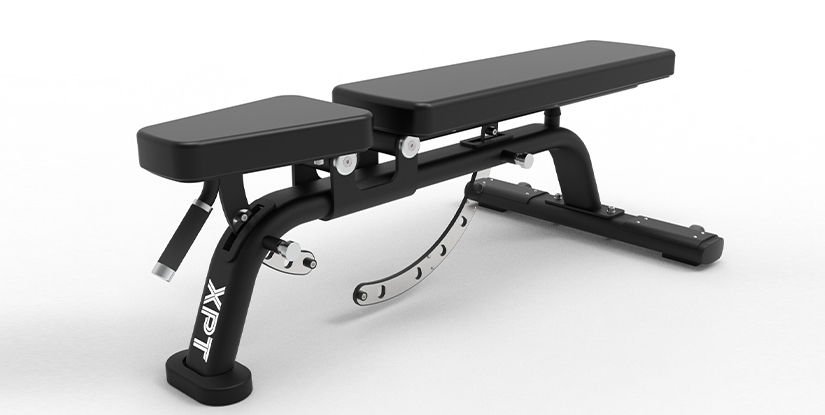
Equipment packages generally fall into two categories: modular and monolithic (fixed-station). Choosing the wrong architecture can limit your facility's ability to evolve or increase your maintenance burden.
Architectural Comparison
Modular Architectures: These systems consist of various pieces that can be reconfigured or added to over time. They are ideal for studios or gyms that want to stay on trend with changing fitness modalities. However, they often require more floor space for transitions and may have more moving parts that require adjustment.
Monolithic Architectures: These are heavy-duty, fixed-path stations designed for maximum durability and minimal user error. They are the gold standard for high-traffic strength training facilities. While they offer higher stability, they lack the versatility to be easily changed as the facility's focus shifts.
Deciding between these two requires an understanding of your long-term facility strategy. Regardless of the architecture chosen, a rigid maintenance protocol is essential to keep these systems operational.
Preventative Maintenance Protocols
The durability of your equipment is not just a result of its build quality, but also the rigor of your maintenance. A lack of a structured maintenance program is the leading cause of premature equipment failure and increased downtime.
The Two-Tiered Maintenance Strategy
To protect your investment, implement a systematic approach to care:
- Tier 1: Daily Operational Checks: This involves visual and auditory inspections. Are there any new squeaks? Is the upholstery torn? Are there any loose bolts visible? This tier is handled by floor staff.
- Tier 2: Monthly Technical Inspections: This requires a deeper technical dive, including checking cable tension, lubricating pivot points with approved lubricants, and verifying the calibration of electronic consoles.
Regularly documenting these checks is vital for both equipment longevity and insurance compliance. Systematic care ensures that your equipment remains a high-performing asset rather than a liability. However, even with perfect maintenance, you must prepare for the total cost of ownership.
Total Cost of Ownership (TCO) Analysis
When selecting the right commercial gym equipment packages, the initial purchase price is often a deceptive metric. To understand the true cost, you must calculate the Total Cost of Ownership (TCO). A cheaper package may actually be more expensive over a five-year period due to repair costs and downtime.
TCO Components
A comprehensive TCO calculation should include the following variables:
- Initial Acquisition Cost: The base price of the package and shipping.
- Operational Expenses: Electricity for cardio units and specialized cleaning supplies for upholstery.
- Maintenance & Repair Costs: The cost of replacement parts (cables, belts, pads) and professional technician visits.
- Opportunity Cost: The lost revenue generated when a key piece of equipment is out of order.
A high-quality package with a higher upfront price often has a significantly lower TCO because it requires fewer interventions and generates more consistent uptime. This financial perspective is essential for long-term facility sustainability.
User Safety, Ergonomics, and Liability
Beyond the financial and mechanical aspects, the human element is the most critical variable. The way a piece of equipment interacts with the human body determines both user satisfaction and the legal liability of the facility owner.
Safety Verification Standards
When reviewing a package, evaluate the ergonomic design through several lenses:
- Adjustment Versatility: Can the machine accommodate a 5th percentile female and a 95th percentile male?
- Safety Interlocks: Do cardio machines have automatic shut-off features? Do weight stations have redundant locking pins?
- Ergonomic Contact Points: Are the grips and seats designed to minimize joint strain during high-repetition use?
A single mechanical failure caused by poor ergonomic design or a lack of safety features can result in significant legal and reputational damage. This brings us to our final consideration: building for the future.
Future-Proofing Your Investment
The fitness industry evolves rapidly. A package that is perfect for today might be obsolete in three years. Future-proofing involves making decisions that allow for scalability and technological integration.
Strategies for Future-Proofing
To ensure your gym remains competitive, look for equipment that offers:
- Connectivity Ready: Cardio equipment that can be updated via software to include new training programs or streaming capabilities.
- Scalability: Strength packages that allow for the addition of new attachments or modular components without replacing the entire frame.
- Standardization: Using a consistent line of equipment from a single supplier to simplify parts procurement and staff training.
By focusing on these long-term strategic elements, you ensure that your selection of commercial gym equipment packages remains a high-value asset for years to come.