

Ensuring the Durability of Heavy Duty Gym Equipment Under Intensive Use
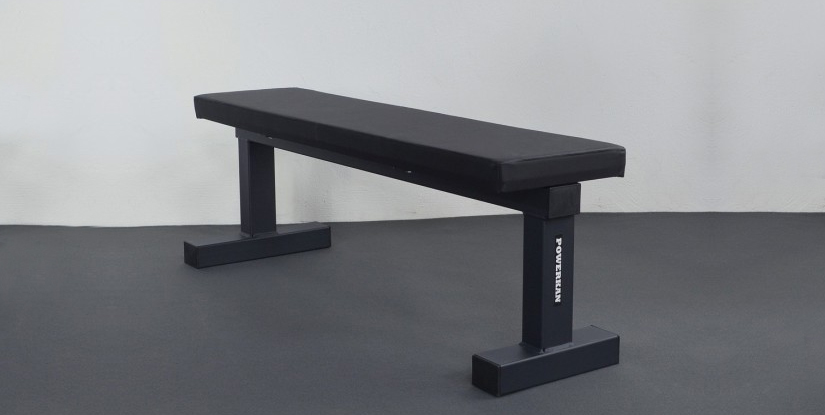
The Structural Integrity Challenge in High-Traffic Facilities
The durability of heavy duty gym equipment under intensive use is not merely a matter of initial purchase quality; it is a continuous struggle against mechanical fatigue and environmental degradation. Facility operators often face the sudden, costly reality of broken weldments or snapped cables just as their business scales. This failure is rarely a result of a single event but is rather the culmination of unmonitored stress cycles and inadequate preventative care. Understanding the physics of wear is the first step in moving from reactive repairs to proactive asset management.
Most catastrophic failures in commercial environments stem from a failure to recognize subtle signs of structural fatigue. When equipment is subjected to the repetitive loading and unloading cycles of hundreds of daily users, the internal components undergo significant stress. By addressing these foundational concerns early, operators can extend the operational lifespan of their investment significantly. This necessity for structural vigilance leads us directly into the specific material properties that differentiate professional-grade tools from consumer-level products.
Material Selection and Resistance to Mechanical Fatigue
To achieve high levels than standard machines, the durability of heavy duty gym equipment under intensive use depends heavily on the gauge of steel and the quality of the metallurgical composition. While consumer-grade equipment might utilize thin-walled tubing, commercial machines require high-gauge, heavy-duty steel profiles to resist buckling and deformation under extreme loads.
Steel Gauge and Wall Thickness Standards
The thickness of the steel walls directly correlates to the equipment's ability to withstand lateral forces and heavy compressive loads. A common mistake is assuming that all "steel" equipment is equal; however, the difference between 11-gauge and 14-gauge steel can be the difference between a machine that lasts a decade and one that fails within eighteen months. High-traffic facilities should prioritize equipment that utilizes thicker steel profiles for all load-bearing uprights and chassis components.
| Component Type | Critical Specification | Failure Mode if Substandard |
|---|---|---|
| Weight Plate Storage | Minimum 11-Gauge Steel | Bending or structural warping |
| Main Frame Uprights | High-Density Reinforced Steel | Lateral swaying or buckling |
| Adjustment Pins | Solid Hardened Steel | Shearing or snapping under load |
| Support Brackets | Continuous Welded Construction | Cracking at the junction points |
Selecting the right gauge is only the first step; once the machine is on the floor, the way these materials interact with moving parts becomes the primary concern. This interaction is governed by the precision of the mechanical tolerances and the quality of the lubrication interfaces.
Precision Tolerances in Moving Mechanical Assemblies
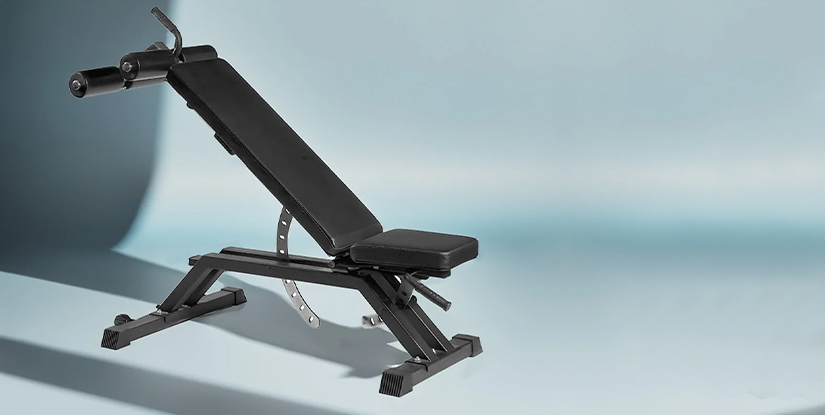
Even the strongest steel frame becomes useless if the moving parts—such as pulleys, cables, and weight stacks—cannot operate within strict mechanical tolerances. As the durability of heavy duty gym equipment under intensive use is tested, even a millimeter of deviation can cause a cascade of mechanical failures. If a pulley system is even slightly misaligned, it creates uneven friction, which accelerates the wear of both the cable and the sheath.
The Impact of Friction and Misalignment
Mechanical misalignment is a primary driver of premature component expiration. In high-use environments, the constant tension of weight stacks can pull components out of their designed path. When this occurs, the energy that should be used for a smooth lift is instead converted into heat and destructive friction. This leads to the "shredding" effect seen in worn-out cables and frayed plastic pulleys.
- Smoothness Test: A single, continuous movement through the entire range of motion should feel consistent. Any "hitch" or "stutter" indicates a bearing or track issue.
- Alignment Verification: Visually inspect that cables run perfectly centered through all guides without rubbing against the edges of the housing.
- Weight Stack Drift: If weight stacks do not return to the exact same position or seem to jump, the guide rods may be bent or lack sufficient lubrication.
Regularly verifying these tolerances prevents the small mechanical drifts from becoming total system failures. However, no amount of perfect alignment can save a machine if the underlying lubrication and tensioning regimes are neglected.
Optimizing Lubrication Cycles for Long-Term Performance
Lubrication is the lifeblood of any mechanical system, yet it is often the most neglected aspect of facility management. The durability of heavy duty gym equipment under intensive use is inextricably linked to how well operators manage the friction-reduction processes. Without a disciplined lubrication schedule, metal-on-metal contact will inevitably lead to heat-induced expansion and catastrophic component seizure.
Identifying Proper Lubricant Application
A common error in commercial gyms is the use of the wrong type of lubricant. For example, applying silicone spray to a steel guide rod might provide a temporary fix, but it can actually attract dust and grime, creating an abrasive paste that destroys the rod over time. Operators must use specific, industrial-grade lubricants tailored to the specific component type.
| Component | Recommended Lubricant Type | Frequency of Application |
|---|---|---|
| Weight Stack Guide Rods | High-Viscosity Silicone/Dry Film | Monthly or as per wear patterns |
| Pulley Bearings | Lithium-Based Grease | Quarterly or Bi-Annually |
| Cable/Sheath Interfaces | Dry Teflon/PTFE Sprays | Whenever movement feels non-smooth |
| Adjustable Joints | Light Machine Oil | Every 6 Months |
Effective lubrication maintains the integrity of moving parts, but even a well-lubricated machine can fail if the mechanical fasteners that hold it together begin to loosen. This leads us to the critical necessity of structural tightening and torque verification.
The Role of Fastener Integrity and Torque Consistency
Structural integrity is not just about the thickness of the steel, but also about how well those pieces are joined. In an environment of constant vibration and repetitive impact, the durability of heavy duty gym equipment under intensive use is often compromised by the loosening of bolts and nuts. A machine that is slightly loose will eventually develop a "rattle," which is a precursor to structural failure.
Preventing Vibration-Induced Loosening
Repetitive heavy loading creates micro-vibrations throughout the frame. These vibrations can slowly back out hex bolts and even compromise the integrity of welds over several years. If an operator ignores a small rattle, they are essentially ignoring a warning that a major component is about to fail. Regular torque checks are essential to ensure that every junction remains rigid.
- The Shake Test: Physically grasp the frame and apply lateral pressure. There should be zero movement or audible vibration in the uprights.
- Visual Inspection of Fasteners: Look for any signs of "bleeding" or metal shavings around bolt heads, which indicates movement and friction.
- Torque Verification: Use a torque wrench to check specified bolts against the manufacturer's recommended tightness, rather than just tightening them by feel.
Keeping fasteners tight ensures that the forces applied during exercise are distributed correctly through the frame. Once the frame is secured, the focus must shift to the external-facing components that encounter the most human contact.
Upholstery and Surface Finish Maintenance
While structural failures are the most dangerous, the aesthetic and ergonomic degradation of upholstery and coatings is the most visible sign of poor maintenance. The durability of heavy-duty gym equipment under intensive use is also measured by how well the surfaces withstand sweat, skin oils, and high-frequency cleaning. When upholstery cracks or paint chips, it creates more than just an eyesore; it creates a breeding ground for bacteria and a source of skin irritation.
Mitigating Surface Degradation
The primary cause of upholstery failure is the chemical interaction between human sweat and the vinyl coating. If cleaning protocols are too harsh, or if sweat is left to sit on the padding, the material will lose its elasticity and crack. Similarly, the powder coating on the steel frame can chip if hit by heavy weights, leading to rust and eventual structural weakness.
| Surface Type | Primary Threat | Actionable Fix/Prevention |
|---|---|---|
| Vinyl Upholstery | Sweat and Harsh Chemicals | Use pH-neutral cleaners; immediate wipe-down |
| Steel Powder Coat | Impact and Scratches | Ensure proper weight spacing; use rubber bumper shields |
| Handlebar Grips | Skin Oils and Friction | Regular cleaning; replacement upon visible wear |
| Rubber Foot Pads | Floor Friction and Moisture | Frequent inspection for tearing or thinning |
Maintaining these surfaces ensures the facility remains professional and hygienic. However, maintaining the surfaces is secondary to the most critical component of any facility: the cables and pulleys that move the weights.
Cable and Pulley System: The Achilles' Heel of Strength Machines
In many commercial settings, the cable system is the first point of failure. The durability of heavy duty gym equipment under intensive use is often decided by the quality of the internal wire rope and the pulley bearings. A snapped cable is not just a maintenance issue; it is a significant liability and safety hazard that can cause severe injury.
Identifying Cable Fatigue and Wear
Cables are subject to constant bending and tension, leading to internal strand breakage that is often invisible from the outside. Operators must look beyond the surface to ensure the mechanical heart of the machine is sound. A broken cable usually starts as a small kink or a single frayed strand that eventually compromises the entire length.
- The Visual Search: Inspect the entire length of the cable, especially where it enters the pulley housing or the weight stack.
- The Feel Test: Run a gloved hand (or feel through the sheath) to detect any internal bumps, kinks, or unevenness in the cable's path.
- Sheath Inspection: Check the nylon or plastic coating for any cracks or thinning, as this is the first line of defense for the internal wire.
Proactive cable replacement is far more cost-effective than dealing with a sudden breakage during a user session. This vigilance forms the final layer of a comprehensive maintenance strategy.
Common Pitfalls in Equipment Management
Even with a dedicated team, certain systemic errors can undermine the efforts to maintain equipment. Understanding these mistakes is crucial for any facility manager aiming for long-term operational success. The durability of heavy duty gym equipment under intensive use is often sabotaged by small, repeated errors in judgment.
Avoid These Frequent Operational Mistakes
Most equipment failure is not caused by the machine itself, but by how the human operators interact with it. Neglecting small details leads to large-scale expenses.
- Mistake 1: Over-reliance on Visual Cues. Do not wait until something looks broken to act. Many mechanical failures, such as internal cable fraying or bolt loosening, are invisible to the naked eye and require tactile or tool-based verification.
- Mistake 2: Using Generic Cleaning Agents. Using highly acidic or alkaline cleaners on upholstery can strip the protective coating, causing premature cracking. Always use a product specifically rated for gym upholstery.
- Mistake 3: Inconsistent Inspection Cadence. Skipping a month of maintenance because "everything looks fine" is a recipe for disaster. Equipment wear is cumulative and does not follow a linear path.
By avoiding these pitfalls, you ensure that your maintenance program is a tool for growth rather than a drain on resources. Ultimately, a successful maintenance program is one that evolves with the needs of the facility.
Strategic Planning for Long-Term Asset Longevity
The final stage of ensuring the durability of heavy duty gym equipment under intensive use is moving from a reactive mindset to a strategic one. This involves creating a structured lifecycle management plan that accounts for the inevitable wear and tear of a high-traffic environment. A facility that plans for replacement and repair is vastly more profitable than one that reacts to crises.
Establishing a Maintenance Roadmap
A robust roadmap includes documented inspection logs, a dedicated budget for consumables (like lubricants and cables), and a clear hierarchy of repair priority. This ensures that your team knows exactly what to check and when to act, preventing the drift toward failure.
| Plan Phase | Activity | Goal |
|---|---|---|
| Daily/Weekly | Surface Cleaning & Visual Check | Hygiene and immediate safety |
| Monthly | Lubrication & Fastener Torque | Mechanical fluidity and structural rigidity |
| Quarterly | Deep Mechanical Inspection | Preventative part replacement |
| Annually | Full Structural Audit | Long-term asset lifecycle planning |
With these strategic pillars in place, you transform your equipment from a depreciating liability into a durable, high-performing asset that supports the growth and safety of your members for years to come.