

Determining What Weight Training Equipment Every Gym Needs for Long-Term ROI
The High Cost of Incomplete Equipment Selection
The primary challenge for facility operators is not just purchasing equipment, but ensuring the selection aligns with long-term durability and market demand. An improperly curated inventory leads to two catastrophic failure modes: high maintenance overhead due to substandard build quality, and declining membership retention because essential movement patterns are unaddressed. When a gym lacks the fundamental tools required for progressive overload, the facility becomes a niche destination rather than a comprehensive training center. Understanding what weight training equipment every gym needs starts with evaluating the economic impact of both equipment utility and structural integrity.
A common mistake among new operators is prioritizing "flashy" new technology over established, high-durability steel structures. This results in a disproportionate amount of downtime as sophisticated electronics fail under heavy use, whereas traditional iron-based training remains constant. By focusing on the core movement categories first, operators can build a resilient foundation that maximizes return on investment (ROI) through longevity. This foundational approach sets the stage for selecting specific categories of resistance tools.
Fundamental Strength Foundations: Free Weights and Racks
A lack of high-quality free weights is often the first sign of a poorly planned facility. While machines offer guided movements, free weights are the cornerstone of functional strength and versatility. The problem often arises when operators purchase sets with inconsistent weight increments or low-grade plating, leading to uneven wear and rapid depreciation. To prevent this, procurement must focus on the mechanical stability of the racks and the composition of the weights.
Barbell and Plate Standards for Commercial Use
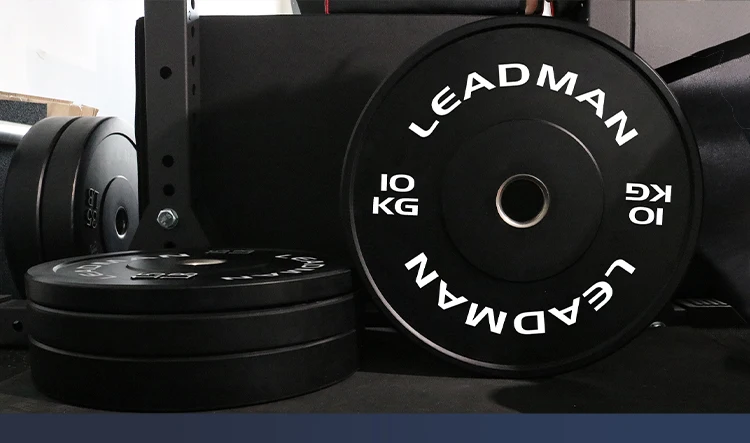
The barbell is the most critical single unit of investment in any strength-focused gym. A common failure point is the use of residential-grade bars in a commercial setting, which lack the tensile strength to resist permanent bending under heavy loads. Operators must verify the gauge of the steel and the quality of the knurling to ensure user safety and long-term utility.
- Tensile Strength: Look for higher-grade steel that resists permanent deformation.
- Knurling Consistency: Verify the precision of the grip texture for safety during heavy lifts.
- Plate Durability: Prioritize cast iron or high-density rubberized plates over thin-walled alternatives.
Selecting the correct weight increments is also vital for progressive training. A facility that only offers 5kg jumps will see a plateau in user satisfaction, as the lack of micro-loading prevents fine-tuned strength development. This necessity for precision leads directly into the more complex requirements of heavy-duty rack systems.
Structural Requirements for Power Racks and Squat Stands
A power rack is more than just a frame; it is a safety enclosure for high-intensity training. A frequent failure mode in budget facilities is the use of thin-walled steel tubing that can buckle under extreme lateral force. Operators must ensure that the rack can withstand the dynamic energy of a failed lift. When inspecting a rack, check for the gauge of the steel and the robustness of the uprights.
| Component | Standard Requirement | Failure Mode to Avoid |
|---|---|---|
| Steel Gauge | Minimum 11-gauge or higher | Bending or buckling under heavy load |
| Safety Spotters | Adjustable, heavy-duty steel pins | Shearing or slipping during heavy failure |
| Footprint Stability | Weighted base or floor-bolted design | Tipping or shifting during high-torque movements |
Establishing these rigid physical boundaries for heavy lifting is necessary before moving into the specialized domain of resistance machines. Once the free weight foundation is secured, the operator must address the role of guided movement systems.
Strategic Selection of Resistance Machines and Cable Stations
While free weights build foundational strength, resistance machines provide the isolation necessary for hypertrophy and specialized rehabilitation. The problem with machine-heavy gyms is often the lack of versatility; a machine that only performs one specific motion can become dead weight if user demographics shift. The goal is to select machines that offer multi-planar movement or can be adapted for multiple muscle groups.
The Role of Cable Pulley Systems in Versatility
A high-quality cable station is perhaps the most versatile piece of equipment in a modern facility. It allows for a vast range of resistance throughout a movement's arc. However, operators frequently face the issue of cable fraying or pulley misalignment, which can lead to catastrophic failure or user injury. Regular inspection of the cable tension and the smoothness of the pulley rotation is non-negotiable.
Verification Checklist for Cable Systems:
- Check cable housing for any exposed wires or fraying.
- Verify that pulleys rotate freely without resistance or grinding noise.
- Ensure the weight stack selector pin is heavy-duty and fits securely.
- Test the movement arc to ensure there are no mechanical dead zones.
Beyond cables, independent resistance machines serve a different purpose in managing user volume and safety. These machines often provide a more predictable way to manage traffic in a crowded facility.
Selectorized Machines and User Flow Management
Selectorized machines are essential for higher-traffic environments because they allow for quick transitions between exercises. A common mistake is underestimating the wear on the weight stacks and guide rods. Over time, friction can cause the weights to stick, leading to an inconsistent resistance profile that frustrates users. To prevent this, operators must ensure guide rods are regularly lubricated with a dry-film lubricant rather than heavy grease, which can attract dust and grit.
| Machine Type | Primary Benefit | Operational Maintenance Priority |
|---|---|---|
| Leg Press | High volume capacity | Hydraulic/Mechanical smoothness and seat track integrity |
| Lat Pulldown | Upper body foundation | Cable tension and upright stability |
| Chest Press | Standardized hypertrophy | Resistance arc consistency and seat adjustment locks |
With the machine-based training covered, the facility must also consider the supplementary tools that complete a high-performance training environment. This brings us to the necessity of functional and accessory equipment.
Explore the complete technical specifications:
Gym Equipment Guide | Commercial Strength & Cardio Machine Selection
Complementary Accessories and Functional Training Tools
A gym that overlooks functional tools often struggles to attract a modern demographic that values versatility and metabolic conditioning. The lack of kettlebells, medicine balls, or sandbags can leave a gap in the facility's ability to offer diverse training modalities. The primary risk here is the rapid degradation of soft-surface equipment due to improper storage or high-impact use.
Durable Implement Selection: Kettlebells and Dumbbells
When selecting free weights for general use, the material composition is critical. Dumbbells with cheap plastic coatings are prone to cracking, which can lead to internal weight leakage or grip issues. For a commercial-grade facility, cast iron or high-density urethane-coated weights are the industry standard. This ensures the equipment can withstand being dropped without immediate structural failure.
Functional Training Surface and Stability
The surface upon which the equipment sits is as important as the equipment itself. A common failure in gym design is the lack of adequate floor protection, which leads to cracked concrete or damaged subfloors from heavy weight drops. High-density rubber flooring is not a luxury; it is a necessary component for vibration dampening and impact absorption. Operators must verify that the flooring thickness is sufficient for the specific weight classes used in the facility.
- Impact Zones: Install extra-thick mats under deadlift platforms.
- Traction: Ensure all surfaces provide high-coefficient friction to prevent slips.
- Maintenance: Regularly sweep and vacuum to prevent debris from entering machine tracks.
By integrating these diverse elements, a facility creates a complete ecosystem that supports everything from foundational strength to advanced functional movement. The final step in a successful implementation is the rigorous maintenance of these assets.
Explore the complete technical specifications:
Operational Maintenance and Long-Term Reliability
The transition from a newly opened facility to a high-performing, long-term business depends entirely on the transition from procurement to maintenance. The most common cause of sudden equipment failure is not manufacturing defects, but the absence of a structured inspection cadence. A gym that fails to implement a preventative maintenance program will inevitably face higher replacement costs and lower member retention.
Developing a Professional Inspection Cadence
A professional operator does not wait for a machine to break before intervening. Instead, they establish a cycle of inspections based on the usage intensity of each piece of equipment. For instance, a high-traffic cable station requires more frequent checks than a dedicated leg extension machine. A formalized log should be kept for every major asset to track its history and maintenance needs.
| Inspection Frequency | Focus Area | Action Item |
|---|---|---|
| Weekly | Visual/Surface | Check for frayed cables, loose bolts, and worn upholstery. |
| Monthly | Mechanical/Moving Parts | Lubricate guide rods, test pivot points, and check torque. |
| Quarterly | Structural/Integrity | Inspect frame welds, floor-bolt stability, and electrical safety. |
Failure to follow these protocols often results in the 'death by a thousand cuts' scenario, where small, unaddressed issues like a slightly loose bolt eventually lead to a major equipment failure and potential liability. Once the maintenance habits are ingrained, the facility can focus on optimizing the user experience through layout and design.
Optimizing Gym Layout and Equipment Density
Understanding what weight training equipment every gym needs is only half the battle; placing that equipment correctly is what drives the actual user experience. A common mistake is grouping heavy-duty machines together without considering the 'noise and vibration' footprint. This can lead to a fragmented gym floor where functional movement areas are disrupted by heavy mechanical noise.
Zoning for Safety and Traffic Flow
High-performance facilities use zoning to separate high-impact areas from low-impact areas. For example, a heavy barbell deadlift area should be isolated from a high-traffic walkway to prevent accidents. Effective zoning also considers the 'dwell time' of equipment—machines that take longer to set up or adjust should be placed in areas where they won't obstruct the flow of movement between lighter-use items.
- Impact Zones: Place platforms in low-traffic corners to manage noise/vibration.
- Light Movement Zones: Keep dumbbell racks and kettlebells near open spaces for varied training.
- Machine Rows: Group selectorized machines to create clear aisles for passenger-safe movement.
Finally, facility operators must consider the mental load of the user. A crowded, disorganized gym leads to frustration and lower retention. By using the zoning strategies mentioned above, you ensure that the heavy-duty lifting area, the cable station area, and the functional training area each have their own identity and sufficient space for the specific movements they facilitate. This intentional design approach is the ultimate way to guarantee long-term ROI through a superior member experience.