

Engineering Excellence: How to Select Weight Lifting Equipment for Serious Lifters
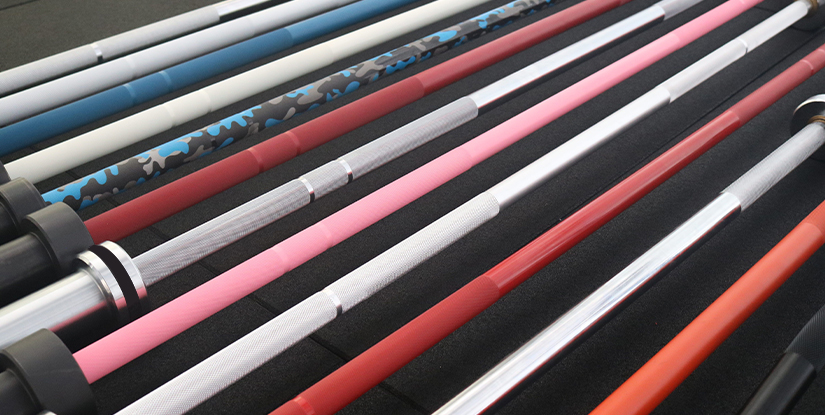
Structural Integrity and Material Selection Standards
Selecting high-performance lifting apparatus requires a fundamental understanding of metallurgy and structural engineering. For the serious lifter, the failure of a piece of equipment is not merely a logistical inconvenience; it is a high-stakes safety risk. Common failures often stem from inferior steel grades or improper heat treatment processes that cannot withstand the dynamic loads generated during explosive movements or maximal lifts. When purchasing equipment, the primary technical concern should be the yield strength of the steel and the quality of the welding techniques employed.
Steel Grades and Yield Strength Parameters
Most commercial-grade lifting equipment utilizes low-carbon steel, but premium units often employ high-tensile steel to increase the strength-to-weight ratio. A common mistake is selecting equipment based solely on wall thickness without verifying the actual material grade. A thicker wall of low-grade steel may still buckle under high-velocity impact compared to a thinner, high-tensile alternative. Operators should look for steel that meets specific industry standards for structural stability and resistance to deformation.
| Material Characteristic | Standard/Residential Grade | Professional/Serious Lifter Grade |
|---|---|---|
| Steel Type | Mild Carbon Steel | High-Tensile / Alloy Steel |
| Weld Type | Standard MIG Welding | Precision TIG or Full-Penetration MIG |
| Load Capacity Type | Static Weight Loading | Dynamic/Impact Loading Resistance |
| Coating | Basic Powder Coat | Electrostatic or Industrial-Grade Finish |
By prioritizing material density and welding precision, a buyer ensures that the structural core of the equipment remains stable over years of heavy use. Establishing this baseline of structural integrity is the prerequisite for evaluating more complex mechanical components like bearings and bushings.
Mechanical Precision: Bearing and Bushing Dynamics
The transition from rigid structural elements to moving parts introduces the most frequent points of failure in lifting machinery. Whether analyzing a barbell's rotation or the movement of a cable machine, the friction-management system determines the longevity and smoothness of the lift. A common pain point for lifters is the "notchy" or inconsistent sensation during repetitive movements, which is almost always caused by substandard bearing assemblies or lack of lubrication accessibility.
Rotational Smoothness and Friction Control
In barbell construction, the choice between bushings and needle bearings is critical. Bushings are generally more robust and suitable for heavy, slower movements like powerlifting, whereas needle bearings offer the ultra-smooth, high-speed rotation required for Olympic weightlifting. A failure to match the bearing type to the specific discipline leads to premature wear and uneven weight distribution during the lift. For cable-based machines, the quality of the pulleys and the diameter of the internal bearings will dictate the fluid motion of the resistance.
- Bushings: Higher durability, lower maintenance, ideal for heavy axial loads.
- Needle Bearings: Superior rotational speed, smoother feel, higher precision for technical lifts.
- Common Error: Using low-grade plastic bushings in high-load cable machines, leading to rapid friction-induced heat and mechanical seizure.
Understanding these mechanical nuances allows a buyer to predict how the equipment will feel after several thousand repetitions. Once the mechanical movement is understood, the focus must shift to the precision of the load-bearing interfaces.
Analyzing Load-Bearing Interfaces and Tolerances
The interface between the weight stack and the lifting mechanism is where precision meets raw force. In a professional setting, even a slight deviation in alignment can cause lateral friction, leading to erratic resistance or mechanical fatigue. This issue is often caused by poor tolerance control in the manufacturing of guide rods or cable paths, making it essential to verify these specs before procurement.
Tolerance Verification and Alignment
For selectorized machines, the verticality and smoothness of the guide rods are the primary indicators of quality. If the rods are not perfectly straight or if the bushings around them have too much play, the weight stack will oscillate, creating an uneven training stimulus. Similarly, in a power rack, the uprights must be perfectly plumb to ensure that the barbell sits level when racked. A technical professional should check for the following tolerances:
- Vertical Alignment: Guide rods must show zero lateral wobble within a specific threshold.
- Surface Finish: Guide rods should be polished or chrome-plated to minimize friction coefficients.
- Bearing Play: Minimal lateral movement in the weight stack relative to the guide rods.
Ensuring these interfaces are precise prevents the "stuttering" effect often seen in cheaper equipment. With a stable mechanical foundation, the next critical consideration is the durability of the resistance itself.
Explore the complete technical specifications:
Durability of Resistance: Plates, Bars, and Cables
The actual medium of resistance—whether it is iron plates, rubber-coated weights, or steel cables—is subject to constant environmental and mechanical stress. A common failure mode in serious lifting environments is the degradation of the coating on weight plates or the fraying of high-tension cables. This is typically caused by substandard material composition or inadequate tensile strength ratings.
Comparing Resistance Media
Choosing between different types of weight media involves balancing durability, impact resistance, and precision. For instance, using standard iron plates on a high-impact barbell can lead to significant vibration and noise, which can eventually degrade the barbell's bearings. A professional setup requires a thoughtful integration of all moving parts.
| Resistance Type | Best Use Case | Primary Durability Concern |
|---|---|---|
| Cast Iron Plates | Static Strength / Powerlifting | Edge chipping and surface oxidation |
| Rubber Bumper Plates | Olympic Lifting / High Impact | Compression set and thickness consistency |
| Steel Weight Stacks | Cable Machines / Selectorized | Guide rod friction and cable fraying |
When selecting equipment, one must verify that the resistance medium is compatible with the intended training modality. This technical compatibility ensures that the high-impact forces of a heavy lift do not compromise the more delicate mechanical components described previously.
Explore the complete technical specifications:
Operational Maintenance and Inspection Protocols
Even the highest quality equipment will eventually succumb to mechanical wear if a rigorous maintenance protocol is not established. The transition from procurement to operation requires a shift in mindset from "buying quality" to "maintaining performance." Most equipment failures in a serious lifting environment are preventable through consistent, scheduled inspections of critical touchpoints.
Daily vs. Monthly Inspection Checklists
Operators should implement a tiered inspection system. A daily visual check is insufficient for high-utilization facilities; instead, a deep technical inspection is required to catch micro-fractures or bearing degradation before they lead to catastrophic failure. The following checklist serves as a baseline for professional equipment management:
- Daily: Visual check for loose bolts, cable fraying, and abnormal sounds during movement.
- Weekly: Lubrication of guide rods and checking the tension of all cables/chains.
- Monthly: Torque testing of all primary structural bolts and deep-cleaning of bearing housings to remove debris.
A failure to perform these checks results in cumulative mechanical stress, which eventually manifests as total component failure. Following a strict maintenance cadence ensures the longevity of the investment and maintains a high safety standard.
Diagnosing and Preventing Common Equipment Failures
To effectively manage a professional lifting space, one must be able to diagnose problems before they become accidents. Most failures follow a predictable pattern: a small symptom of friction or noise is ignored, leading to increased wear, which eventually causes a structural or mechanical breach. Identifying these early warning signs is the hallmark of a professional operator.
Failure Mode Identification
Recognizing the difference between a minor adjustment and a serious safety issue is vital. For example, a slight squeak in a cable machine might be solved by lubrication, but a sudden change in resistance or a 'clunking' sensation often indicates a structural issue within the pulley or a frayed cable. Below is a diagnostic guide for common issues:
| Observed Symptom | Potential Root Cause | Required Action |
|---|---|---|
| Erratic/Stuttering Movement | Misaligned Guide Rods or Dry Bearings | Check alignment and apply silicone lubricant |
| High-Pitch Squeaking | Dry Bushings or Cable Friction | Inspect cable coating and lubricate pulleys |
| Visible Structural Vibration | Loose Fasteners or Unstable Base | Perform torque check on all bolts |
| Increased Resistance Drift | Mechanical Obstruction or Bent Bar | Inspect path of travel and rod straightness |
By understanding these failure modes, operators can move from a reactive repair state to a proactive maintenance state. This brings us to the final considerations for long-term ROI and equipment lifecycle management.
Optimizing Long-Term ROI Through Lifecycle Management
The final stage of selecting equipment for serious lifters is understanding the total cost of ownership. A cheap, lower-spec piece of equipment might have a lower initial price, but its high maintenance requirements and short operational lifespan often lead to a much higher long-term cost. True professional-grade equipment is an investment in durability and minimal downtime.
Calculating Value Beyond the Purchase Price
When evaluating a quote, professional buyers should look beyond the single line item and consider the expected lifecycle of the machine. This includes the cost of replacement parts, the frequency of required maintenance, and the potential for downtime. A machine with high-quality needle bearings and heavy-gauge steel may have a higher upfront cost, but it will offer a significantly higher return on investment through longevity and reliability.
- Initial Cost: The immediate capital expenditure.
- Maintenance Cost: The recurring cost of lubrication, parts, and labor.
- Operational Life: The projected years of high-intensity use before replacement.
Investing in high-specification equipment ensures that the focus remains on training and performance, rather than constant mechanical troubleshooting. With these technical standards in place, a lifter or facility owner can build a space that stands the test of time.