

Strategic Procurement: What to Look for in Commercial Weight Machines
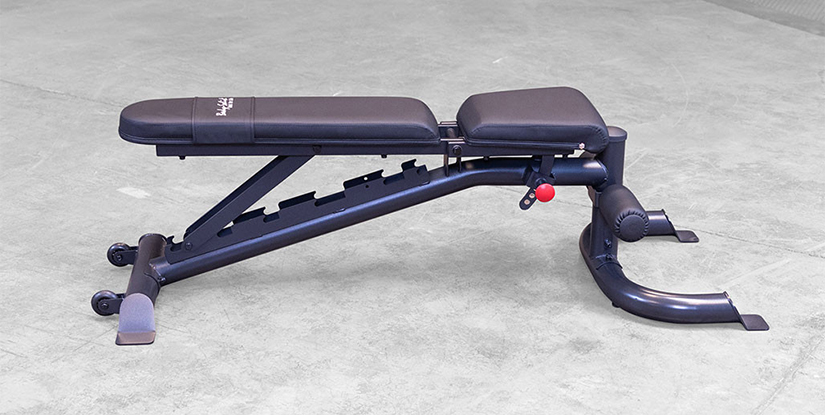
Selecting high-performance strength equipment is not merely a purchasing decision; it is a long-term capital investment that dictates the operational efficiency and safety profile of a fitness facility. Professional buyers often face the dilemma of choosing between lower initial acquisition costs and higher long-term durability. A failure to distinguish between superficial aesthetics and structural integrity often leads to premature equipment failure, increased downtime, and escalating maintenance costs. To mitigate these risks, one must evaluate machines through the lenses of biomechanical precision, material science, and mechanical reliability.
Evaluating Structural Integrity and Frame Architecture
The foundation of any reliable strength machine lies in its frame. A common mistake among novice procurement officers is prioritizing the visual finish of the machine over the gauge of the steel used in its construction. A frame that lacks sufficient rigidity will eventually succumb to lateral sway or micro-fractures, particularly under the high-torque stresses typical of heavy commercial usage.
When inspecting frames, the primary indicator of quality is the steel gauge and the welding technique. A robust frame should feel unyielding even when subjected to manual lateral force. High-grade commercial machines typically utilize heavy-duty steel tubing with consistent wall thicknesses to ensure a stable base of operation.
Frame Specification Checklist
- Steel Gauge: Verify the thickness of the steel tubing; thicker gauges provide better resistance to bending and fatigue.
- Weld Quality: Inspect for smooth, continuous welds; jagged or porous welds are precursors to structural cracking.
- Base Footprint: Ensure the base is wide enough to prevent tipping during eccentric movements.
- Coating Durability: A high-quality powder coating should resist chipping and oxidation under heavy impact.
Once the structural skeleton is validated, the focus must shift to the internal movement systems that define the machine's functional quality.
Biomechanical Precision and Motion Profiles
While a sturdy frame provides the necessary support, the actual efficacy of a commercial weight machine is determined by its motion profile. A machine with poor biomechanical engineering can lead to joint discomfort or even injury by forcing users into non-natural movement patterns. For a facility operator, this translates to higher liability risks and decreased user satisfaction.
The central mechanism—whether it is a pivot point, a cam, or a pulley—must be designed to follow a natural strength curve. For instance, in resistance training, the difficulty of an exercise often changes throughout the range of motion. A high-quality machine uses specialized cams to ensure the resistance remains challenging yet safe at every degree of movement.
| Feature Type | High-Quality Standard | Budget/Low-End Indicator |
|---|---|---|
| Motion Path | Variable resistance via intelligent cams | Fixed, linear resistance that may feel awkward at end-ranges |
| Pivot Points | Precision-machined bearings with high tolerances | Standard bushings that may develop 'play' or wobble |
| Range of Motion | Adjustable limits to accommodate varied anthropometrics | Static settings that may not fit diverse user populations |
Understanding the nuances of motion profile helps in predicting how the machine will perform over thousands of repetitions. This mechanical sophistication is only useful if the components themselves are capable of sustaining such intense activity without degradation.
Explore the complete technical specifications:
Load-Bearing Components and Weight Stack Durability
The weight stack and the cables/pulleys used to transmit force represent the most frequent points of failure in any commercial weight machine. If the weight stack is poorly designed, the impact of the plates hitting the bottom can cause significant structural shock to the machine, shortening its lifespan significantly.
A professional operator should look for weight stacks that utilize high-impact polymer or heavy-duty steel plates with shock-absorption features. Furthermore, the cable system must be rated for much higher loads than the maximum weight offered to ensure a significant safety margin.
Common Failure Modes in Cable Systems
Cable Fraying: This occurs when low-quality, non-coated cables are used. The friction against pulleys causes the outer strands to break, eventually leading to a total snap. Verification: Look for aircraft-grade, nylon-coated steel cables.
Pulley Seizing: Caused by inferior bearings that cannot withstand heat and friction. Verification: Rotate the pulley by hand; it should move smoothly and silently without any perceptible resistance or grit.
The reliability of these moving parts is intrinsically linked to the quality of the lubrication and the materials used in the construction of the load-bearing elements.
Explore the complete technical specifications:
Material Selection for Upholstery and Contact Points
User experience in a commercial gym is heavily influenced by the comfort and cleanliness of the machine. Upholstery that cracks or absorbs sweat not only looks unprofessional but also presents a hygiene challenge. This is a critical area where a 'cheap' material choice can lead to high replacement costs within a single year of operation.
High-end commercial upholstery is typically made from high-density, antimicrobial, and moisture-resistant materials. These are designed to withstand the chemical breakdown caused by heavy-duty disinfectants used by cleaning crews.
Upholstery and Grip Material Criteria
- Density: The foam should be high-density; low-density foam will 'bottom out' under heavy weights, causing discomfort.
- Surface Resistance: Check for resistance to tearing and chemical degradation from common gym sanitizers.
- Seams: Seams should be reinforced and tightly stitched to prevent moisture ingress into the foam core.
- Grip Texture: Handles should offer high-friction, non-slip properties even when wet with perspiration.
Selecting superior contact materials reduces the frequency of upholstery replacement, thereby optimizing the long-term ROI. However, even the best materials require a consistent inspection and maintenance routine to remain functional.
Maintenance Interval Design and Operational Longevity
A major operational pain point for gym owners is the unpredictability of equipment downtime. If a machine breaks during peak hours, it causes frustration and disrupts the facility's workflow. Therefore, when selecting commercial weight machines, one must evaluate how easily they can be maintained and how often maintenance is required.
A well-engineered machine will have accessible access points for lubrication and adjustment. If the design requires complete disassembly to reach a basic bolt or a bearing, the maintenance labor costs will inevitably rise. Professional-grade equipment should follow a predictable maintenance schedule: weekly visual inspections, monthly lubrication, and quarterly deep-service checks.
| Maintenance Task | Frequency | Verification Method |
|---|---|---|
| Visual Inspection | Weekly | Check for loose bolts, frayed cables, or cracked upholstery. |
| Lubrication | Monthly | Apply high-grade silicone lubricant to pulleys and guide rods. |
| Structural Torque Check | Quarterly | Use a torque wrench to verify the tightness of all major frame bolts. |
| Cable Integrity Check | Bi-Annually | Inspect full length of cables for any signs of coating loss or fraying. |
A disciplined maintenance cadence ensures that the machine's mechanical advantages are preserved, but an operator must also be prepared to handle the unexpected troubleshooting of mechanical issues.
Troubleshooting Common Mechanical Discrepancies
Even with the highest quality equipment, mechanical issues can arise due to misuse or environmental factors. A professional operator should be able to diagnose whether a problem is a sign of component failure or simply a need for routine adjustment. Understanding the root cause of a problem allows for faster resolution and less reliance on external technicians.
One frequent issue is a 'jerky' resistance sensation. This is often caused by a lack of lubrication on the guide rods or a worn-out bearing in the pulley system. Rather than assuming the weight stack is broken, the operator should first verify the lubrication level and the smoothness of the motion path.
Problem-Cause-Fix Framework
- Problem: Noisy or grinding sound during movement.
Cause: Dry bearings or metal-on-metal contact in a pulley.
Fix: Clean the area and apply specialized lubricant. - Problem: Weight stack feels uneven or 'sticky'.
Cause: Debris or lack of oil on the vertical guide rods.
Fix: Wipe rods clean and apply a thin layer of silicone oil. - Problem: Excessive play in a lever arm.
Cause: Loose pivot bolt or worn-out bushing.
Fix: Tighten the pivot bolt or replace the worn-out bushing.
By mastering these basic troubleshooting steps, facility managers can significantly reduce operational downtime and extend the utility of their assets.
Total Cost of Ownership: Moving Beyond Purchase Price
The final step in the procurement process is analyzing the Total Cost of Ownership (TCO). While a cheaper machine may satisfy an immediate budget constraint, the long-term costs—including repairs, replacement parts, and lost revenue due to downtime—often far exceed the initial savings. A sophisticated buyer looks at the entire lifecycle of the equipment.
To calculate a realistic TCO, one must consider the initial cost, the expected lifespan of the machine, the cost of consumables (cables, upholstery, lubricants), and the projected maintenance labor. A machine that costs 20% more upfront but lasts 50% longer is almost always the superior strategic choice.
Ultimately, the quality of the equipment you choose becomes the benchmark for your facility's reputation. High-quality, well-maintained machines build user trust and ensure that the investment continues to yield returns for years to come.