

What Commercial Gym Packages Typically Include: A Technical Procurement Guide
Procuring equipment for a new fitness facility or upgrading an existing one is a high-stakes engineering and financial decision. A common pitfall for facility managers is treating a "package" as a monolithic entity, failing to audit the technical specifications of its individual components. This often leads to mismatched capacities, uneven wear rates, and unexpected maintenance bottlenecks. Understanding what commercial gym packages typically include—and, more importantly, the technical standard of those inclusions—is the first step in ensuring long-term ROI and operational safety.
Dissecting the Core Components of Tiered Equipment Packages
The diversity in the market means that a "package" can range from a minimal strength set to a comprehensive, multi-functional ecosystem. To avoid the trap of under-specification, one must categorize the equipment based on its functional mechanical requirements and durability standards. Most professional-grade packages are structured around three primary pillars: strength training, cardiovascular conditioning, and functional movement tools.
When evaluating these tiers, it is vital to look beyond the sheer number of machines and focus on the load-bearing capacities and mechanical sophistication. A package that includes only low-spec cardio machines alongside heavy-duty racks creates a functional imbalance that can alienate certain user demographics. Before selecting a package, operators should use the following classification framework to ensure all necessary zones are covered.
| Equipment Category | Typical Primary Components | Technical Focus Area |
|---|---|---|
| Strength Training | Free weights, racks, selectorized machines, plate-loaded systems | Frame gauge, weld quality, bearing resistance |
| Cardiovascular | Treadmills, stationary bikes, ellipticals, rowing machines | Motor torque, deck cushioning, electromagnetic resistance |
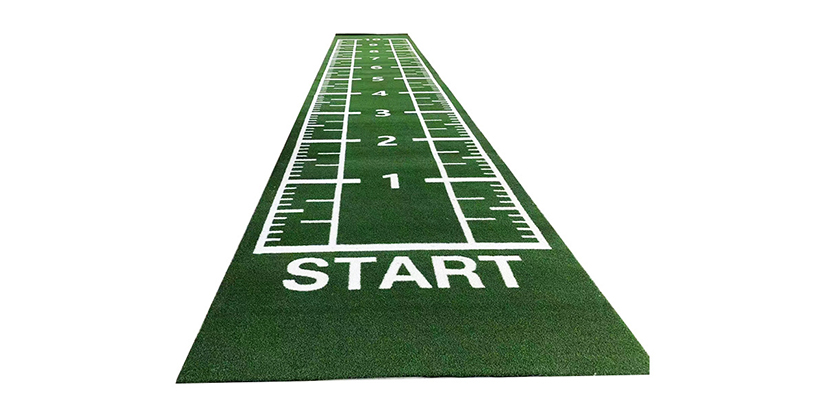
| Functional/Mobility | Kettlebells, medicine balls, TRX-style suspension, mats | Surface grip, impact absorption, stability |
| Ancillary/Support | Storage racks, benches, cleaning stations, digital displays | Spatial footprint, ergonomic stability, sanitation ease |
Once the basic categories are established, the next critical layer involves examining the specific mechanical standards of the strength training components, which often form the structural backbone of a package.
Technical Specifications for Strength Training Segments
Within the strength segment of a commercial gym package, the distinction between "consumer-plus" and true "commercial-grade" is often found in the metallurgy and the resistance mechanism. A package might claim to be comprehensive, but if the selectorized machines utilize low-grade nylon bushings instead of precision bearings, the maintenance cycle will be significantly shortened.
Engineers and procurement specialists must verify the steel gauge used in frames and the type of upholstery applied. For instance, in high-traffic environments, a package that lacks high-density foam and reinforced stitching will suffer from rapid cosmetic and structural degradation. A common mistake is neglecting the weight of the free weights included; lightweight sets can look impressive but fail to meet the requirements of serious strength athletes, limiting the facility's utility.
Verifying Frame Integrity and Load Capacity
When inspecting a strength package, check for the following technical markers:- Steel Gauge: Look for 11-gauge or 12-gauge steel in heavy racks to ensure structural rigidity under heavy loads.
- Weld Quality: Inspect for smooth, consistent welds without porosity, which indicates high-quality manufacturing processes.
- Bearing Smoothness: Test the movement of selectorized machines; resistance should be constant and smooth, not jerky or inconsistent.
- Upholstery Durability: Ensure the material is high-density, sweat-resistant, and features reinforced edge stitching to prevent tearing.
After ensuring the strength components are robust enough for the intended load, one must turn attention to the electronic and mechanical complexity of the cardiovascular section.
Explore the complete technical specifications:
Analyzing Cardiovascular Equipment Integration
Cardiovascular machines represent the highest degree of technical complexity within a package due to their reliance on electronic control units (ECUs), high-torque motors, and intricate belt systems. A high-quality package will include machines that are not just physically durable, but also technologically compatible with modern facility management software. A common failure mode in lower-tier packages is the lack of integrated connectivity, which prevents operators from tracking usage data or managing remote updates.The primary concern with cardio equipment is the mechanical wear of moving parts. For example, a treadmill in a commercial package must have a motor with sufficient horsepower to handle sustained high-speed operation without overheating. If the package includes treadmills with insufficient motor torque or low-grade running belts, the resulting downtime and repair costs will quickly erode the initial cost savings.
The Critical Role of Motor and Drive System Standards
When auditing a cardiovascular package, focus on these technical differentiators:Understanding the complexity of these electronic systems leads directly to the necessity of a structured maintenance and layout plan for the entire facility.
Explore the complete technical specifications:
Optimizing Spatial Footprint and Accessory Inclusions
A commercial gym package is more than just a list of machines; it is an ecosystem that requires a calculated layout to function efficiently. A frequent error in procurement is purchasing a large-scale package without accounting for the "clearance radius" required for each machine. For example, a rowing machine requires significant longitudinal space that a package price list might not explicitly highlight as a spatial requirement. Neglecting these dimensions during the planning phase can lead to dangerous bottlenecks and violations of local accessibility standards.
Furthermore, many operators fail to notice if a package includes the necessary ancillary items like storage solutions and facility-grade flooring. Without proper storage, the "free weight" portion of your package will inevitably lead to a disorganized and dangerous training environment. A high-quality package should explicitly list its storage and floor-protection components as part of the technical specifications.
The Missing Link: Facility Ancillaries and Support Gear
Don't assume these are included; verify them in the specification sheet:- Storage Racks: Dedicated racks for dumbbells, plates, and medicine balls to maintain safety and floor organization.
- Flooring Systems: High-impact rubber flooring or specialized mats designed to dissipate vibration and protect the subfloor.
- Cleaning Stations: Commercial-grade dispensers for sanitization, essential for both hygiene and equipment longevity.
- Stability Tools: Benches, step platforms, and adjustable inclinations that complement the primary machinery.
With the components and layout understood, the final stage of the process is establishing a rigorous inspection cadence to prevent premature equipment failure.
Preventative Maintenance and Inspection Protocols
The longevity of any commercial gym package is directly proportional to the rigor of the maintenance schedule implemented after installation. Many operators view maintenance as a reactive process (fixing things when they break) rather than a proactive one. This approach is fundamentally flawed, as it leads to higher costs and increased safety risks. A professional approach involves a two-tiered inspection system: daily visual checks and monthly technical audits.Failure to monitor certain components can lead to catastrophic issues. For instance, a lack of regular belt tensioning on a treadmill can lead to motor burnout, while unlubricated resistance cables in selectorized machines can cause fraying and eventual breakage. Operators must treat the package as a set of living machines that require periodic calibration and cleaning.
Implementation Checklist for Operational Longevity
Regular adherence to these technical protocols ensures that the initial investment in a commercial gym package yields the maximum possible return through sustained uptime and safety.
Common Procurement Mistakes and Financial Pitfalls
The final step in navigating the complexity of gym packages is the ability to recognize a bad deal before the purchase order is signed. One of the most pervasive mistakes is the "Total Quantity Bias," where a buyer assumes a package with 50 pieces of equipment is inherently better than a package with 20. In reality, a 20-piece package of high-spec, commercial-grade machines is vastly superior to a 50-piece package of residential-grade equipment that will fail under heavy use.
Another critical error is the failure to account for the "Total Cost of Ownership" (TCO). A package might appear cost-effective on the surface, but if it lacks a comprehensive warranty or does not include essential spare parts (like replacement belts or upholstery kits), the long-term expenses will be significant. Always ask for the technical data sheets, not just the marketing brochures, to ensure you are comparing like-for-like specifications.
The Professional's Verification Strategy
Before committing to a package, run through this verification checklist:- Request the Data Sheet: Ask for specific technical specs (steel gauge, motor horsepower, bearing types) rather than a list of names.
- Compare TCO: Calculate the cost of the equipment plus the estimated 2-year maintenance requirement.
- Check Warranty Specifics: Does the warranty cover the frame (structure) or only the electronics? Is it a labor or parts-only warranty?
- Evaluate Scalability: Is the package modular? Can you add more units easily if the facility grows?
By treating the procurement of a commercial gym package as a technical engineering task rather than a simple shopping list, facility owners can safeguard their capital investments and ensure a high-performance environment for years to come.