

Understanding What a Gym Equipment System Includes for Your Facility
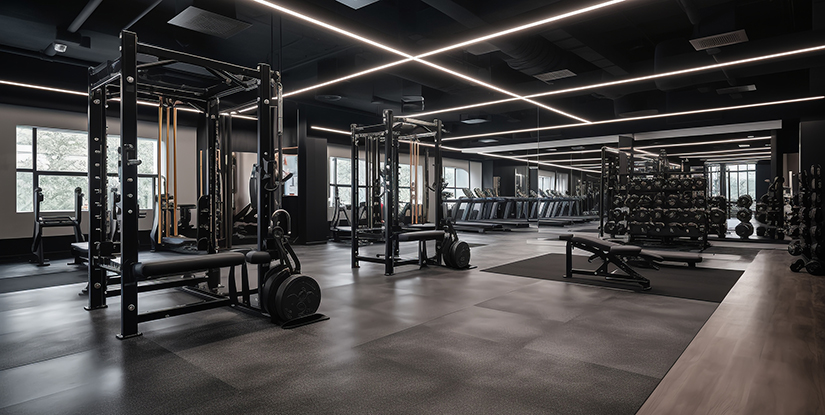
Defining the Scope: What a Gym Equipment System Includes for Your Facility
The procurement of fitness assets is frequently misinterpreted as a simple transaction of individual machines. However, a professional facility operator understands that a true gym equipment system is a multifaceted ecosystem composed of hardware, structural support, and operational peripheries. Failing to account for the entire system often leads to 'hidden costs'—such as unexpected installation delays, incompatible floor surfaces, or insufficient power requirements. To build a resilient facility, one must move beyond the machine itself and look at the entire logistical and mechanical assembly.
The Three Pillars of Equipment Systems
A comprehensive system is generally categorized into three distinct tiers: the primary training hardware, the structural support infrastructure, and the secondary accessory layers. Each tier requires different levels of budget allocation and maintenance focus. For instance, while the primary machine may have a long lifespan, the structural bolts or the digital interface software may require more frequent attention.
When evaluating a potential system, operators must verify that the vendor provides a holistic solution rather than just the central unit. This understanding sets the stage for evaluating the specific technological and mechanical components that drive daily performance.
Analyzing Core Component Classifications and Technical Specifications
Once the scope is defined, the next step is analyzing the technical diversity within the system. A professional-grade system is not a monolith; it is a collection of varied engineering standards tailored to specific training modalities. Miscalculating these requirements can result in a facility that feels disjointed or, worse, one where equipment fails prematurely due to mechanical mismatch.
Primary Resistance and Cardio Modules
The core of any system is the resistance and cardiovascular module. This includes weight stacks, cable systems, and motorized treadmill units. For resistance modules, the focus should be on the quality of the weight stacks and the durability of the pulleys. For cardio modules, the emphasis shifts to the electronic integration and motor-driven components. A common mistake is purchasing high-end cardio units without ensuring the facility's electrical circuit can handle the simultaneous peak load of multiple treadmills.
Integrated Digital and Connectivity Layers
Modern systems now include a heavy digital component. This involves the software-driven consoles, telemetry sensors, and cloud-based data tracking. From a management perspective, the 'system' now includes the subscription-based software that tracks user progress and machine usage. If you do not verify the compatibility of these digital layers with your existing network infrastructure, you risk having expensive, non-functional assets.
| Component Type | Focus Area | Common Failure Mode | Verification Metric |
|---|---|---|---|
| Resistance Systems | Cables and Pulleys | Cable fraying/snapping | Visual inspection of sheath integrity |
| Cardio Systems | Motors and Electronics | Control board overheating | Operational heat dissipation levels |
| Digital Layer | Software/Connectivity | Connectivity dropout | Signal strength/Latency tests |
| Structural Support | Frames and Bolts | Loose connections | Torque wrench verification |
With the core technical components understood, operators must transition from inspecting the machine to inspecting the environment that supports it.
Structural Support and Spatial Requirements
A frequent oversight in facility design is the neglect of the structural support systems that hold the equipment in place. Even the highest-quality machine becomes a liability if the floor or the mounting surface cannot withstand the dynamic loads generated during use. A gym equipment system is only as stable as the ground it rests upon.
Load-Bearing and Flooring Interfacing
Dynamic loads, particularly from free weights and high-impact cardio, create significant vibrational energy. This energy, if not properly dampened, can damage the building's structural integrity over time. The system includes not just the machine, but the specialized flooring (such as high-density rubber or impact-absorbing tiles) designed to manage these forces. Operators should specify the thickness and density of the flooring based on the heaviest equipment in the system.
Spatial Clearances and Safety Perimeters
A functional system requires a defined 'operational envelope.' This is the area around a machine that must remain unobstructed for safe use. A common error is calculating floor space based solely on the machine's footprint, neglecting the swing arc of a cable machine or the deceleration distance required for a treadmill. A well-planned system includes documented clearance-zones for every major piece of equipment.
- Step 1: Map the machine footprint.
- Step 2: Add the maximum movement radius (e.g., the full swing of a leg press arm).
- Step 3: Add a 2-foot safety buffer for user entry/exit.
Ensuring these structural and spatial requirements are met is the prerequisite for moving into the critical phase of operational maintenance and longevity.
Explore the complete technical specifications:
Operational Maintenance and Longevity Protocols
After a system is successfully installed, the focus must shift from procurement to preservation. The total cost of ownership (TCO) is heavily dictated by the maintenance routine. A failure to implement a rigorous schedule doesn't just lead to broken machines; it leads to decreased member satisfaction and potential legal liabilities.
Routine Mechanical Inspection Intervals
A professional facility should maintain a tiered inspection schedule. While daily visual checks are standard, deep mechanical inspections require more specialized tools and a systematic approach. This includes checking bolt torque, lubrication levels, and cable tension.
| Frequency | Task Type | Target Component | Action Required |
|---|---|---|---|
| Daily | Visual/Sensory | Upholstery, Cables, Controls | Clean and check for wear/tears |
| Weekly | Mechanical | Moving parts, Bolts, Friction points | Check for loose components |
| Monthly | Technical | Digital displays, Motor heat, Lubrication | Run diagnostic software/Add grease |
| Quarterly | Structural | Floor mounting, Weight stack guides | Full torque audit/Deep cleaning |
The Cost of Neglect: Common Mistakes in Maintenance Management
One of the most prevalent mistakes is the 'reactive-only' approach—only addressing issues when a machine breaks. This is both expensive and inefficient. A proactive system approach involves scheduled lubrication of guide rods and regular tension checks on cables before they show signs of fray, which prevents the catastrophic failures that lead to injury. Additionally, many operators fail to document these checks, which can be a significant problem during insurance audits or safety inspections.
Reliable maintenance ensures that the hardware performs as intended, but the success of the system also depends on how it interacts with the users and the staff.
Explore the complete technical specifications:
User Interface and Staff Interaction Protocols
The final layer of a gym equipment system is the human element: how the end-user interacts with the technology and how the staff manages the assets. This includes everything from the ergonomic design of the handles to the complexity of the digital dashboard. If the interface is too complex, users will bypass the features; if it is too simple, you lose the data-driven benefits of a modern system.
Ergonomic and Accessibility Standards
A robust system considers a wide range of user demographics. This means ensuring that seat adjustments are intuitive and that the weight increments are manageable. When selecting a system, verify that adjustment pins and handles are accessible to users with varying degrees of mobility. An accessible system is a more inclusive and profitable system.
Staff Training and Error Response Matrix
The system's effectiveness is capped by the staff's ability to troubleshoot minor issues. Below is a decision-making framework for staff interactions:
- Tier 1 (Immediate/Low Risk): Minor software glitches, loose upholstery, or dirty screens. Action: User-facing reset or basic cleaning.
- Tier 2 (Moderate/Technical): Cable fraying or connectivity drops. Action: Flag for scheduled weekly maintenance.
- Tier 3 (High/Structural): Motor failure, structural bolt loosening, or erratic weight stack movement. Action: Decommission machine immediately and call professional technician.
By treating your facility as a holistic system—integrating the hardware, the environment, and the human interaction—you ensure long-term ROI and a safe, high-performing training environment.
Maximizing Long-Term Asset ROI through Systematic Management
Ultimately, the goal of understanding what a gym equipment system includes is to maximize the lifespan of your investment. A system that is treated as a single unit—rather than a collection of disjointed machines—yields much higher returns in both longevity and member retention. To ensure your facility remains competitive, you must continuously audit the synergy between your hardware, your digital footprint, and your physical space.