

Selecting and Optimizing Weight Training Machines—Options for Different Experience Levels
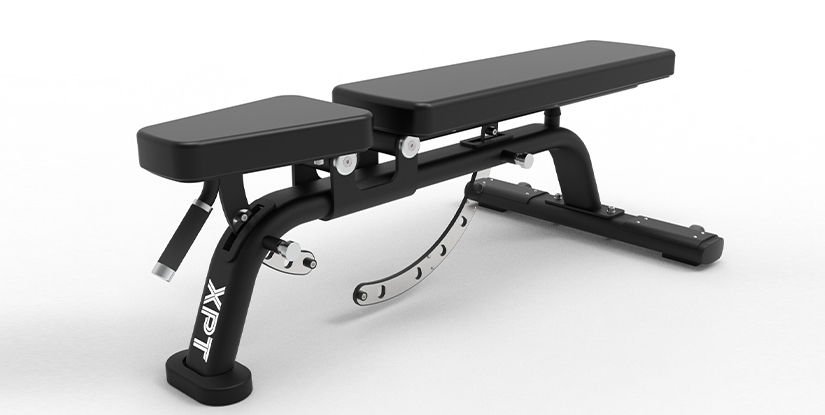
Navigating the Complexity of Strength Equipment Selection
The transition from a novice lifter to an advanced athlete is marked not just by physiological changes, but by a changing requirement for mechanical precision and resistance variety. A common failure mode in fitness facility management is the mismatch between user expertise and machine sophistication. Beginners often struggle with complex selectorized equipment that lacks intuitive movement patterns, while advanced users find standard machines too restrictive for progressive overload. This mismatch leads to plateauing, improper biomechanics, and eventually, equipment abandonment. To build a high-performing training environment, operators must understand how machine mechanics cater to specific stages of muscular development and neurological adaptation.
Identifying these technological needs is the first step in preventing long-term investment errors. Once a baseline of equipment capability is established, the focus must shift toward the mechanical nuances of each machine class to ensure safe and effective operation.
Analyzing Resistance Profiles for Novice Training Environments
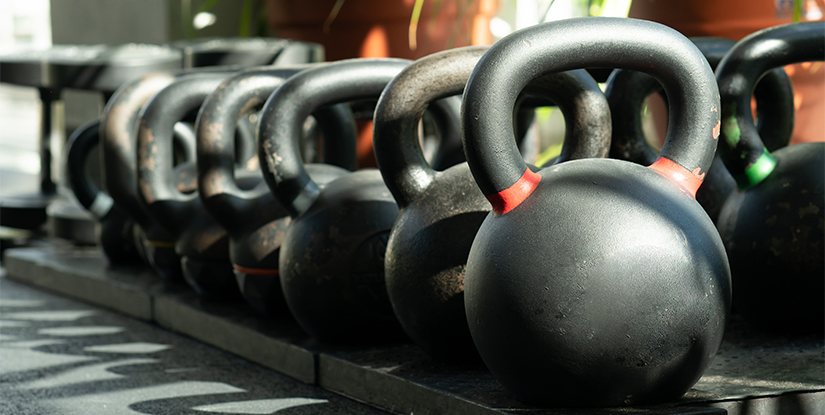
For those at the entry level, the primary objective is motor pattern acquisition and structural stability. The problem with advanced, free-weight-only environments is the high cognitive load required to stabilize a load, which can mask the intended muscular work. For beginners, weight training machines with fixed paths offer a controlled environment that prioritizes safety and repetition. However, many operators mistake "simplicity" for "low quality," often purchasing machines with poor ergonomic adjustments that actually hinder the learning process.
The Role of Selectorized Machines in Fundamental Strength
Selectorized machines, often referred to as pin-loaded machines, utilize a weight stack and a single path of motion. These are ideal for beginners because they eliminate the need for stabilization, allowing the trainee to focus purely on the concentric and eccentric phases of a movement. When selecting these, operators should look for machines with adjustable seat heights and clear resistance increments. A common mistake is ignoring the 'starting position' ergonomics; if the machine does not accommodate a wide range of anthropometric data, the beginner will likely use compensatory movements that increase injury risk.
| Feature | Novice Requirement | Technical Justification |
|---|---|---|
| Resistance Type | Constant/Fixed Path | Ensures stability during motor pattern learning |
| Adjustment Type | High-Visibility Pins | Allows for quick, intuitive setup without complex tools |
| Ergonomic Range | Wide Seat/Pad Adjustment | Accommodates varying limb lengths to ensure safety |
| Resistance Curve | Linear/Stable | Predictable load throughout the range of motion |
By prioritizing machines that facilitate controlled movement, operators ensure a safe entry point for new users. As these users gain proficiency, the demand for more nuanced resistance profiles becomes the next logical evolution in their training journey.
Transitioning to Intermediate Resistance and Variable Tension
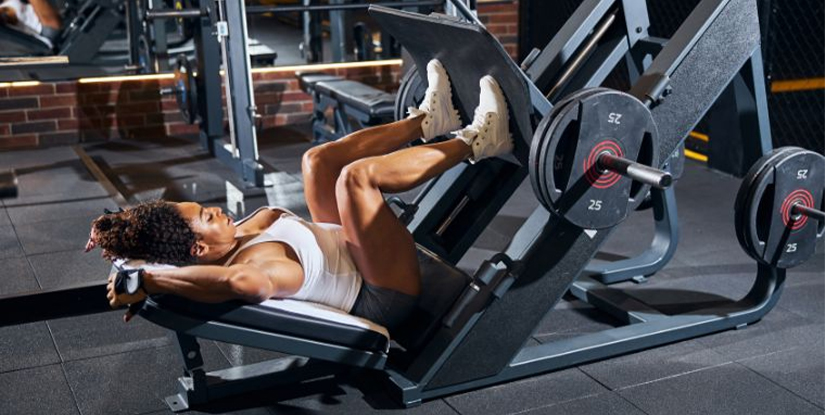
As lifters progress, the limitations of basic selectorized machines become apparent. The primary challenge for the intermediate lifter is the 'plateau,' often caused by the predictable nature of fixed-path machines. In a standard machine, the resistance curve is often constant, but human strength is not; we are strongest in the middle of a lift and weakest at the extremities. An intermediate-level machine should ideally offer variable resistance or more complex mechanical advantages to match the changing tension requirements of a developing muscle.
Understanding Cam and Lever-Driven Dynamics
Intermediate-level machines often incorporate specialized cams—non-circular pulleys that change the leverage of the weight stack throughout the movement. This mechanism ensures that the resistance stays challenging even in areas where the human body naturally loses mechanical advantage. A failure to provide this level of sophistication means intermediate users will struggle to achieve the progressive overload necessary for hypertrophy. Operators should verify the presence of 'variable resistance' features—such as cam-driven paths or adjustable tension settings—to ensure the equipment grows with the user.
Understanding these mechanical advantages allows for a better selection of equipment that bridges the gap between guided movement and free-weight complexity. However, the most advanced trainees require even more freedom to manipulate their own stability and tension profiles.
Advanced Mechanical Freedom and Free-Weight Integration
The pinnacle of strength development requires the ability to manipulate resistance in three-dimensional space. For advanced lifters, the problem is no longer about learning the movement, but about maximizing mechanical tension and overcoming specific sticking points. Highly specialized equipment at this level moves away from strictly fixed paths and toward articulated or hybrid systems that allow for more organic, multi-planar movement.
Leverage and Stability in High-Level Strength Systems
Advanced users often seek equipment that mimics the strength-curve of free weights while retaining the safety of a machine. This is frequently achieved through high-end lever-arm machines or plate-loaded systems with adjustable fulcrum points. These machines allow the user to change the mechanical advantage of the lift, a critical component for advanced hypertrophy and strength training. A common error in facility procurement is failing to distinguish between a 'basic' plate-loaded machine and a 'high-performance' adjustable lever machine; the former is limited in its versatility, while the latter provides a lifetime of utility for elite athletes.
- Check for: Adjustable pivot points for custom resistance curves.
- Check for: Stability of the base under heavy load-bearing capacity.
- Verify: The ability to handle eccentric loading without mechanical jar.
With the hierarchy of machine complexity understood, the next critical step is ensuring these machines are maintained to perform as designed over long-term usage.
Operational Longevity: Maintenance for High-Use Environments
No matter the level of machine complexity, the primary failure mode in any strength facility is mechanical degradation due to neglected maintenance. Whether it is a beginner-level selectorized machine or an advanced lever system, regular inspection is non-negotiable. A poorly maintained machine does more than just break; it alters the resistance profile, creating 'dead spots' or sudden jolts that can cause muscle tears or joint strain.
Maintenance Cadence and Component Inspection
Operators must implement a stratified maintenance schedule. High-usage machines, such as those in the beginner or general-use sections, require more frequent visual checks of cables and pulleys. Advanced, high-load machines require more technical inspections of bearings, pivot points, and structural integrity. A failure to maintain these systems leads to increased friction, which can subtly change the way a machine 'feels,' leading to user frustration and potential injury.
| Component | Inspection Frequency | Common Failure Mode | Verification Method |
|---|---|---|---|
| Cables/Cords | Weekly | Fraying or kinked housing | Tactile feel and visual inspection for wire exposure |
| Pulleys/Cams | Monthly | Bearing seizure or debris buildup | Spin test; check for smooth, continuous rotation |
| Adjustment Pins | Bi-Weekly | Bent or worn engagement points | Ensure pin seats fully and securely in the stack |
| Structural Bolts | Quarterly | Vibration-induced loosening | Torque check using a calibrated wrench |
By establishing these rigorous-standard protocols, operators protect their investment and ensure the safety of their clientele. Following a strict maintenance rhythm ensures that the machines remain as precise as the experience level they are intended to serve.
Troubleshooting Common Mechanical Deviations
Even with consistent maintenance, machines will eventually exhibit signs of wear. Identifying the root cause of a mechanical deviation is critical to preventing a minor issue from becoming a total replacement cost. Most mechanical issues in weight machines stem from three primary areas: friction, tension instability, or structural misalignment.
Diagnosing Resistance Irregularities
If a user reports that a machine feels 'jerky' or 'uneven,' the problem is likely a friction-based deviation. In selectorized machines, this is often caused by a lack of lubrication on the guide rods or a frayed cable. In lever-based machines, it could be a worn bearing within the pivot. To troubleshoot, an operator should perform a 'dry run'—operating the machine through its full range of motion without load—to identify the exact point where the resistance becomes inconsistent. If the issue persists without load, the problem is mechanical (bearings/pulleys); if it only appears under load, the problem is likely structural or weight-stack related.
Once the deviation is identified and corrected, it is vital to re-test the machine under multiple load increments to ensure the resistance profile has returned to its intended baseline.
Optimizing Equipment Layout for Diverse User Bases
After ensuring the machines are functioning correctly, the final pillar of a professional operation is the strategic placement of these tools. A facility that ignores the psychological and physical flow of users creates unnecessary friction in the training environment. The way different experience levels interact with the space can dictate the overall 'vibe' and efficiency of the gym.
Zoning Strategies for Skill-Based Movement
A well-organized facility uses zoning to separate the high-energy, high-frequency beginner areas from the more technical, specialized advanced areas. Beginners benefit from being near instruction-ready areas, while advanced users often require more space for setup and potentially more privacy for heavy, intense sets. Improper layout can lead to 'bottlenecks,' where a beginner attempting a slow, guided movement inadvertently obstructs an advanced user attempting a high-momentum lift. A successful layout integrates these zones through clear floor markings or physical dividers, ensuring that the natural progression of experience is mirrored in the physical environment.
Future-Proofing Through Modular Selection
When purchasing equipment, operators should consider the modularity of the machines. Can a machine that is currently a beginner-level stabilizer be upgraded with different attachments or cams to serve an intermediate user? Choosing highly adjustable, modular platforms reduces the frequency of turnover and ensures the facility can evolve alongside its community. This strategic foresight is the hallmark of professional facility management.