

Weight Lifting Weights—Key Factors for Purchase and Selection
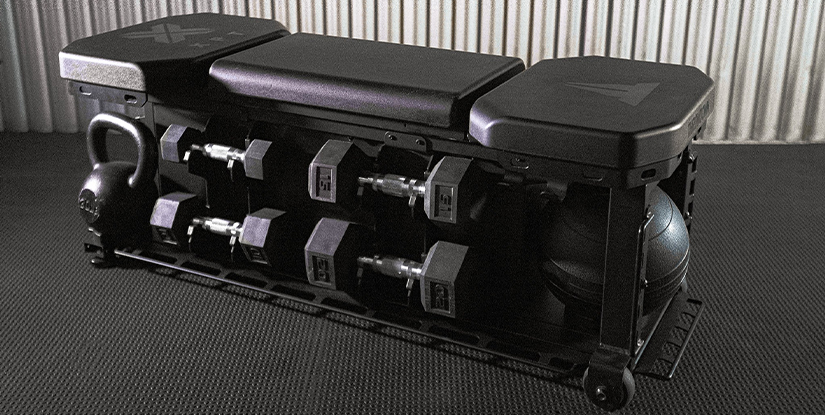
The Myth of Uniformity in Weight Lifting Weights
A common misconception among novice gym owners and individual athletes is that all weight lifting weights are functionally identical if they share the same labeled mass. This assumption leads to significant operational failures, including uneven barbell balance, rapid equipment degradation, and even injury during high-intensity training. In reality, the internal composition, manufacturing tolerances, and coating durability vary wildly between products. Relying solely on the weight stamp rather than technical specifications often results in a mismatch between equipment and the intended training stimulus.
To avoid the trap of superficial quality, one must look beyond the number on the plate and analyze the structural integrity of the weight. Understanding these underlying variables is the first step in transitioning from a casual purchaser to a professional equipment manager. Once the core components of weight construction are understood, the next logical step is evaluating specific material compositions for different training environments.
Understanding Mass Distribution and Balance
A high-quality weight should exhibit near-perfect center-of-gravity alignment. If a weight is off-center, it introduces rotational torque during movements like cleans or snatches, forcing the lifter to compensate for a mechanical flaw rather than a muscular challenge. Professional operators should verify weight distribution by testing the lateral balance of plates on a standard barbell before committing to a bulk purchase.
Material Selection and Structural Integrity Analysis
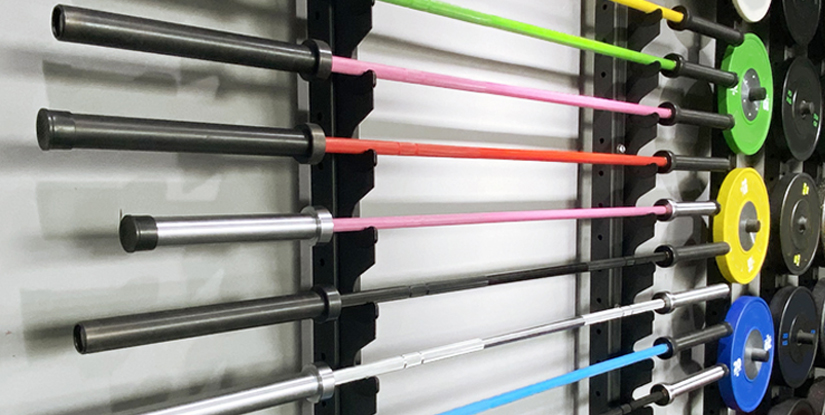
Building on the necessity of balanced mass, the choice of core material dictates the long-term durability and cost-efficiency of a training facility. The material serves as the foundation of the weight, and selecting an inappropriate core for a specific environment is a frequent cause of premature equipment failure.
Comparison of Core Materials and Use Cases
| Material Type | Primary Advantage | Ideal Environment | Typical Failure Mode |
|---|---|---|---|
| Cast Iron | High density, compact profile | Strictly traditional strength training | Brittle fracture under extreme impact |
| Steel Plate | Cost-effective, easy to paint | Commercial bodybuilding gyms | Surface rust and paint chipping |
| Rubber Encased | Shock absorption, noise reduction | High-impact training/CrossFit | Outer shell cracking or peeling |
| Urethane Coated | Extreme durability, chemical resistance | High-traffic professional facilities | High initial cost/Weight increase |
Choosing the wrong material—such as using unencased cast iron in a high-impact functional fitness zone—can lead to floor damage and costly replacement cycles. A decision-maker must weigh the initial procurement cost against the projected lifespan of the equipment in its intended setting. With the material foundation established, the focus must shift to the protective coatings that safeguard the core.
Protective Coatings and Surface Finish Standards
The surface of a weight is its first line of defense against oxidation and mechanical wear. A failure in the coating process leads to visible rust, unsightly chipping, and a decrease in the aesthetic value of a facility. Professional buyers must look for specific application methods that ensure a seamless bond between the core and the exterior.
The Impact of Coating Quality on Longevity
The most frequent mistake in purchasing is ignoring the thickness and adhesion properties of the finish. For instance, thin powder coatings may look impressive on a showroom floor but often flake off after a few months of heavy usage in a commercial setting. Professionals should look for high-grade urethane or deep-molded rubber shells that are integrated into the manufacturing process rather than applied as a superficial layer.
- Check for: Uniformity of edge thickness and absence of air bubbles in the coating.
- Verify: The resistance of the surface to common cleaning agents used in gym maintenance.
- Avoid: Weights with visible seams or irregular texture that could snag skin or grip.
Ensuring the surface is durable enough for your specific training modality is essential, but a high-quality surface is meaningless if the weight itself does not adhere to strict dimensional tolerances.
Dimensional Tolerances and Precision Engineering
Transitioning from the surface to the internal structure, precision in manufacturing becomes the most critical factor for advanced lifters. When purchasing weight lifting weights, the allowable deviation from the labeled mass is a key metric of quality. Low-tier manufacturers often exhibit wide variances, which can lead to a significant discrepancy between the intended load and the actual load on the barbell.
Standard Tolerance Ranges for Weight Classes
| Weight Category | Target Precision (Tolerance) | Professional Expectation |
|---|---|---|
| Small Plates (1kg - 5kg) | +/- 1% to 2% | High precision for technical work |
| Medium Plates (10kg - 25kg) | +/- 1% to 3% | Standard commercial variance |
| Heavy Plates (30kg+) | +/- 2% to 5% | Acceptable for powerlifting/strength |
If an operator finds that their 20kg plates actually weigh 19.4kg, this discrepancy compounds across a full barbell, leading to unbalanced bar physics. This technical mismatch can lead to uneven muscle recruitment and potential injury. Once the precision of the weights is verified, the buyer must consider how these components interact with the barbell and the facility's storage systems.
The Interaction Between Weights and Barbell Compatibility
Even perfectly manufactured weights can fail in a professional setting if they are not compatible with the barbell they are intended to load. The relationship between the weight's center hole and the barbell's sleeve diameter is a critical technical detail that dictates the smoothness of the lift.
Key Compatibility Parameters
A common problem is the 'clunky' or uneven loading of a barbell caused by poorly machined center holes. This is often caused by an oversized or irregularly shaped hole that does not sit flush against the barbell sleeve. This lack of contact creates micro-vibrations and instability during the lift.
- Diameter Precision: Ensure the center hole is perfectly circular and consistent across all plates in a set.
- Edge Thickness: Check that the edges of the weight are not overly sharp, which can cause friction or damage the barbell sleeves.
- Loading Speed: Consider the ease of loading; thinner, more compact weights are preferable for rapid transitions in circuit training.
Maintaining this compatibility requires regular inspections of both the weights and the barbell sleeves to ensure no deformation has occurred over time. This brings us to the essential topic of long-term maintenance and inspection protocols.
Operational Maintenance and Inspection Protocols
The longevity of your investment is not solely determined by the quality of the purchase, but by the discipline of the operation. Even the highest-grade weights require a structured maintenance cadence to prevent the degradation discussed in previous sections.
Routine Inspection Checklist for Facility Managers
Facility managers should implement a tiered inspection system to catch failures before they become safety hazards. A systematic approach ensures that minor issues like surface oxidation or small cracks are addressed before they compromise the structural integrity of the weight.
- Weekly Visual Check: Inspect for surface rust, coating peeling, or significant scratches.
- Monthly Weight Verification: Use a calibrated scale to check for significant mass drift in high-use plate sets.
- Quarterly Structural Audit: Inspect the center holes for elongation or irregularities that could affect barbell stability.
- Annual Replacement Assessment: Evaluate the overall wear and tear to determine if a full equipment refresh is required.
By following these protocols, operators can ensure that the precision and durability they purchased are maintained throughout the equipment's lifecycle. Regular maintenance is the bridge between a one-time purchase and a long-term operational success.
Optimizing Equipment Layout and Storage Solutions
Proper storage is the final pillar in a comprehensive weight management strategy. Even high-quality weights will suffer if they are stored in a way that promotes environmental damage or physical stress. Incorrect storage is a leading cause of the 'failure modes' mentioned earlier, such as rust and center hole deformation.
Effective Storage Strategies for Different Weight Types
The method of storage should be tailored to the material of the weights. For example, rubber-encased weights should not be stored in areas with extreme temperature fluctuations, as this can cause the rubber to expand and contract at a different rate than the core, leading to separation.
| Storage Method | Best For | Primary Benefit |
|---|---|---|
| Vertical Plate Trees | Standard Plates | Maximizes floor space and keeps weights upright |
| Horizontal Weight Racks | Heavy/Large Plates | Easier access for high-volume training |
| Dedicated Weight Benches | Smaller/Medium Plates | Prevents floor clutter and protects coating |
A well-organized storage system reduces the physical strain on staff and prevents the mechanical damage that occurs when weights are tossed or stacked haphazardly. With a clear understanding of purchase factors, maintenance, and storage, a professional can confidently build a durable training environment.