

Building Strength Safely with Resistance Machines: A Technical Guide
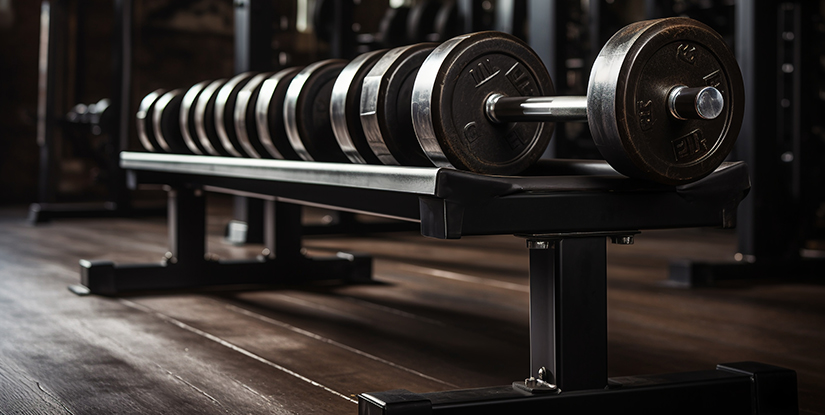
Selecting High-Performance Resistance Machines for Longevity
Effective resistance training begins long before the first set is completed; it starts with the procurement and selection of the appropriate hardware. For facility operators and high-end home gym enthusiasts, the primary tension lies between cost-efficiency and mechanical reliability. Choosing low-grade equipment often leads to increased downtime and potential user injury due to erratic resistance curves or mechanical failure. When building strength safely with resistance machines, the selection process must prioritize structural integrity and smooth motion profiles.
Evaluating Mechanical Drive Systems
Resistance machines typically utilize either weight stacks with pulleys or electromagnetic resistance. While weight stacks are the industry standard for durability, the quality of the cable and pulley system determines the actual user experience. A high-quality system should feature heavy-duty nylon-coated cables and high-grade bearings within the pulleys to minimize friction. Friction is not merely a performance killer; it is a safety hazard, as erratic resistance can cause sudden muscle spasms or loss of control during eccentric phases.
Weight Stack Stability and Guide Rod Precision
A common failure point in budget-tier machines is the guide rod system. If the rods are not perfectly vertical or are insufficiently lubricated, the weight stack may tilt or bind. This binding creates a 'jerking' sensation that disrupts the user's tempo. Operators should verify that the weight stack moves fluidly throughout its entire range of motion without any perceptible sticking points. A machine that exhibits smooth vertical movement is essential for maintaining a consistent stimulus on the target muscle group.
| Feature | Standard Commercial Grade | Budget/Home Grade |
|---|---|---|
| Cable Material | High-tensile Nylon-Coated Steel | Basic Braided Nylon/Steel |
| Pulley Bearings | Sealed Precision Ball Bearings | Open or Simple Bushings |
| Guide Rod Finish | Hard Chrome Plated | Basic Polished Steel |
| Frame Construction | Heavy-Wall Steel Tubing | Light-Gauge Mild Steel |
Once the correct equipment is selected and installed, the focus must shift from procurement to the immediate operational environment and user setup.
Optimizing Ergonomic Alignment and User Positioning

The mechanical excellence of a machine is rendered useless if the user cannot align their anatomy with the machine's natural line of force. Improper alignment is a leading cause of joint strain and suboptimal strength gains. While high-end machines are designed to accommodate a wide range of body types, the responsibility of adjusting the machine to the human frame rests with the operator or the user during the setup phase.
The Critical Role of Seat and Back Height Adjustments
Failure to properly adjust seat height can lead to excessive joint angles that may be injurious. For instance, in a chest press machine, if the seat is too low, the user may experience excessive shoulder impingement. Conversely, a seat that is too high may lead to an inability to achieve full contraction. Operators should implement a standard operating procedure (SOP) that requires users to verify their position relative to the machine's pivot points before applying resistance.
Adjusting Resistance Profiles for Anatomical Safety
Not all resistance machines provide a linear resistance curve. Some are designed to be heaviest at the peak contraction, while others are heaviest at the initial stretch. Understanding these profiles is vital for preventing injury. A common mistake is attempting to push through a 'dead zone' where the machine's mechanical advantage shifts rapidly. Users should be trained to recognize these shifts and adjust their speed to maintain control. Verification of the correct profile is achieved through a low-weight test set to feel the resistance curve before increasing the load.
After ensuring the human and the machine are correctly aligned, the technical focus moves to the internal components that drive the movement.
Maintaining Cable Integrity and Tension Standards
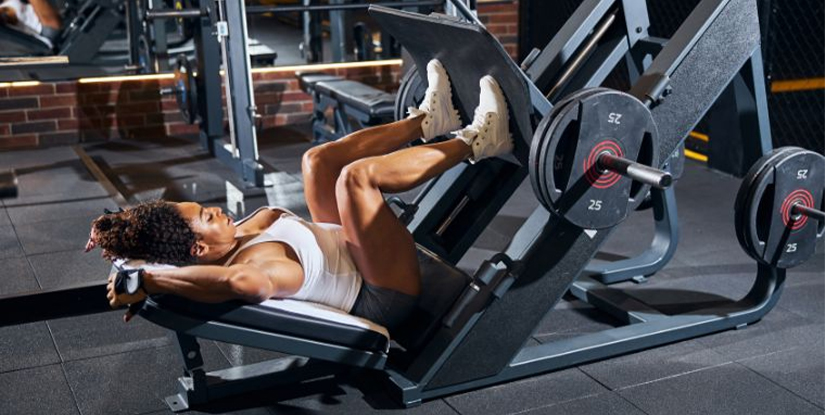
The interface between the weight stack and the user—the cable—is perhaps the most critical component for building strength safely with resistance machines. Cables are subject to constant friction, stretching, and environmental wear. A failure to monitor these components can result in catastrophic snapping, which poses an extreme risk to the user.
Identifying Fatigue and Fraying Patterns
Cables do not always fail suddenly; they often exhibit precursors. Operators must conduct regular visual inspections for fraying, especially at the termination points (the ends where the cable meets the handle or the weight stack). If the internal steel strands are visible through the nylon coating, the cable has reached the end of its reliable service life. This is a non-negotiable replacement trigger.
The Dangers of Cable Over-Tensioning
A frequently overlooked error is over-tensioning the cable during assembly. While a taut cable feels 'responsive,' excessive tension can place unnecessary lateral stress on the pulleys and the machine's frame. This stress accelerates wear on the bearings and can lead to premature failure of the pulley wheels. A professional installation should ensure that the cable is sufficiently taut to prevent slack during the return phase, but not so tight that it exerts constant pressure on the structural limits of the machine.
- Visual Check: Look for kinks, bulging, or exposed metal strands.
- Tactile Check: Run a gloved hand (if safe) or observe the cable's path for any deviation or rubbing against the frame.
- Sound Check: Listen for grinding or chirping sounds during movement, which indicates internal cable or pulley wear.
Maintaining these tensioning standards ensures that the mechanical movement remains predictable, which is the next prerequisite for safe loading.
Implementing Safe Loading and Progressive Overload Protocols
Strength building is predicated on the principle of progressive overload, but in a machine-based environment, this must be managed with extreme technical precision. Improper loading is the primary cause of both mechanical failure and human injury. The goal is to increase tension without compromising the structural or biological safety margins.
Avoiding the 'Max-Out' Fallacy
Many users attempt to reach the maximum weight the machine can hold, often ignoring the machine's practical load limits. A machine might have a weight stack of 300 lbs, but the effective resistance may change or become unstable at those higher weights due to cable stretch or pulley friction. Operators should advise that the highest effective resistance is not always the maximum stack weight. Forcing a machine to its absolute limit can cause the weight stack to bounce or oscillate, leading to erratic kinetic energy transfers.
Verification of Stability Under Load
Before increasing resistance, the user must verify that the machine remains stable. This involves checking for any vibration, shifting, or creaking that occurs under the new weight. If a machine begins to 'walk' or tilt during a heavy set, the weight must be reduced immediately. This instability often indicates either an uneven floor surface or a structural weakness in the machine's base. Ensuring a stable platform is a fundamental requirement for building strength safely with resistance machines.
| Loading Error | Resulting Cause | Corrective Action |
|---|---|---|
| Too much weight too fast | Mechanical fatigue/Biological strain | Incremental increases (e.g., 5-10%) |
| Neglecting the eccentric phase | Control loss/Cable jerk | Maintain constant tempo through the return |
| Using max stack weight | Unstable resistance/Impingement | Test at 90% of stack for stability first |
Managing the load effectively leads us to the crucial aspect of long-term reliability: structural and mechanical maintenance.
Establishing a Rigorous Mechanical Inspection Cadence
Reliability is not an accident; it is the result of a disciplined inspection cadence. For any facility utilizing resistance-based equipment, there must be a scheduled protocol for verifying the integrity of all moving parts. This moves the operation from reactive 'fixing' to proactive 'preventing.'
The Daily vs. Monthly Inspection Logic
A two-tiered approach is most effective. Daily inspections should be visual and superficial, focusing on obvious signs of wear like torn upholstery or visible cable fraying. Monthly inspections, however, must be technical and involve physical testing of the machine's components. This includes checking bolt torque, bearing smoothness, and the structural integrity of the weight stack hooks.
Hardware Integrity and Fastener Verification
Machines are subject to constant vibration and high-torque loads, which can gradually loosen bolts and fasteners. A common failure mode is a loose pivot bolt, which can lead to a complete mechanical seizure. During monthly deep-dives, technicians should use a torque wrench to verify that all critical fasteners meet their original specifications. This level of rigor ensures that the strength-building process remains uninterrupted by preventable hardware failure.
While hardware is the foundation, the technical guide must also address the potential for mechanical troubleshooting during daily use.
Troubleshooting Common Resistance Irregularities
Even with the best selection and maintenance, technical irregularities can occur. Understanding the cause of these issues allows for rapid resolution before a minor hiccup becomes a safety incident. When building strength safely with resistance machines, recognizing the difference between a user error and a mechanical failure is paramount.
Addressing Resistance Fluctuations
If a user reports that the resistance feels 'heavy' at the start and 'light' at the end, this is often a natural part of the machine's resistance curve. However, if the resistance feels inconsistent or 'choppy' mid-set, this is a technical red flag. The most frequent causes are a fouled cable, a stuck weight stack, or worn-out bearings in the pulley system. A choppy resistance profile indicates that energy is being lost to friction rather than being transferred to the user.
Resolving Excessive Noise and Vibration
Noise is a diagnostic tool. A constant squeak usually indicates a lack of lubrication on the guide rods or a dry bearing. A rhythmic clunking often points to a loose weight stack selector pin or a failing cable termination. Any machine producing significant vibration or loud metal-on-metal contact should be immediately flagged and removed from service until the source is identified and repaired.
- Squeaking: Check guide rod lubrication and pulley bearing levels.
- Clunking: Inspect the selector pin and weight stack hooks.
- Grinding: Inspect the cable path and the integrity of the nylon coating.
By mastering these troubleshooting and maintenance steps, operators can ensure that their facility remains a professional and safe environment for strength development.