

Optimizing Performance with The Universal Need for Resistance Training Equipment
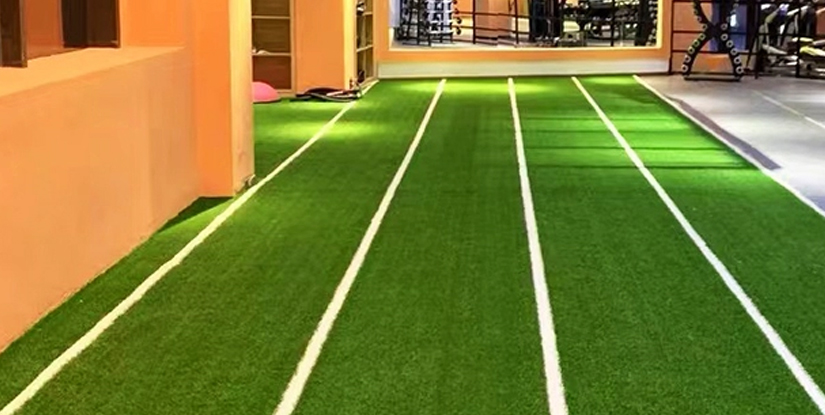
In the modern fitness landscape, the distinction between amateur enthusiasts and professional athletes often lies in the quality and reliability of their tools. The universal need for resistance training equipment extends far beyond simple weightlifting; it encompasses a sophisticated ecosystem of mechanical engineering designed to challenge human physiological limits. Understanding the interplay between load, tension, and mechanical stability is essential for anyone looking to optimize performance and ensure long-term physical development.
The Strategic Framework of Resistance Modalities
Designing a comprehensive training environment requires a structured approach to how different resistance types interact with the human body. A strategic framework categoriles equipment into three primary buckets: constant tension (cables), variable resistance (bands), and gravitational resistance (free weights). When selecting a modality, one must consider the primary objective—whether it is hypertrophy, absolute strength, or metabolic conditioning.
To implement this, professionals should follow a specific hierarchy of selection. For strength-focused protocols, the ratio of free weights to machines should favor heavy, stable compound movements. For rehabilitation or isolation-focused work, the framework shifts toward high-precision cable systems. A common mistake is over-relying on a single modality, which can lead to neglected stabilizer muscles. By balancing these three buckets, you create a holistic environment that addresses both strength and mobility. This foundational logic leads directly into the critical requirement of material standards.
Material Standards and Durability Benchmarks
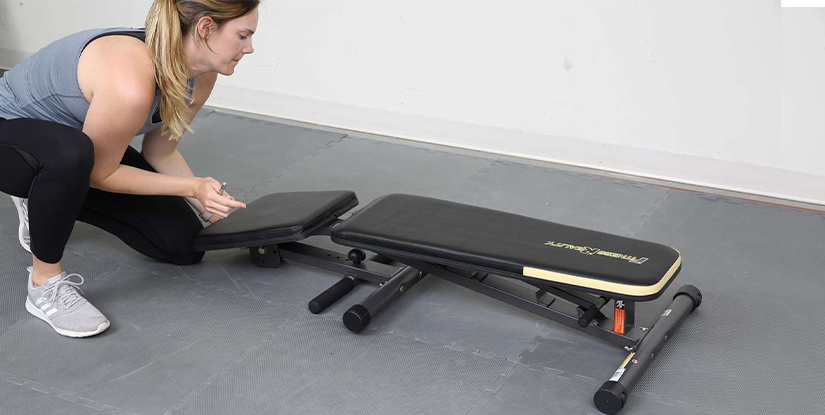
The efficacy of any resistance system is limited by the durability of its components. High-performance equipment must adhere to rigorous material standards to prevent premature mechanical fatigue. When evaluating hardware, professionals look for specific material properties such as tensile strength in cables and corrosion resistance in steel frames. Choosing equipment with substandard alloys often leads to catastrophic failure under high-load scenarios.
When selecting equipment, use the following checklist to determine quality:
- Frame Integrity: Check for heavy-gauge, powder-coated steel to prevent rust and structural warping.
- Bearing Quality: Ensure pulleys utilize high-grade, sealed bearings rather than open-style bushings.
- Upholstery Resilience: Verify that padding is composed of high-density foam with medical-grade, moisture-resistant vinyl.
- Cable Composition: Prefer nylon-coated steel cables for a smoother glide and reduced friction.
Failure to meet these standards results in inconsistent resistance profiles, which can disrupt a trainee's rhythm and potentially cause injury. Once the materials are vetted, the focus must shift to the physical implementation and setup within a facility.
Implementation and Setup Optimization
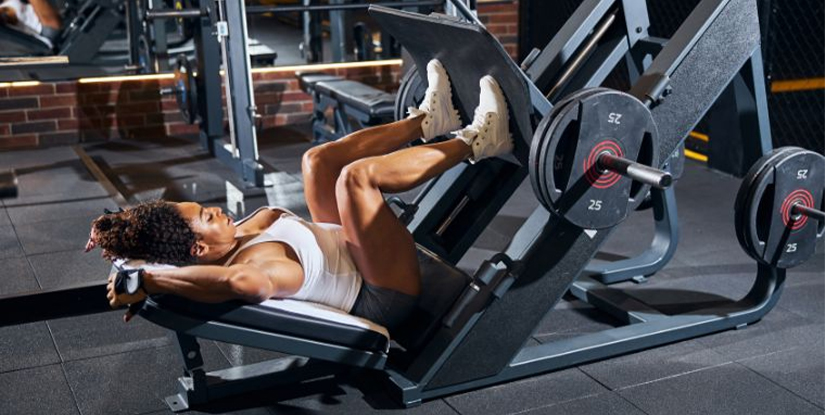
Proper installation is the bridge between high-quality materials and high-quality performance. Even the most expensive resistance training equipment will fail to deliver results if the installation is imprecise. This includes everything from the leveling of the floor surface to the tensioning of the cable systems. A millimetric error in the mounting of a cable pulley can lead to uneven wear and a diminished range of motion.
Consider the following parameter ranges during setup:
- Floor Levelness: Surfaces should have a deviation of less than 1% to prevent uneven load distribution on machines.
- Cable Tension: Initial tension should be calibrated so that the weight stack remains seated without unnecessary friction at the highest point.
- Clearance Zones: Ensure a minimum of 0.5 meters of unobstructed space around all moving parts to prevent collision.
A common error during implementation is neglecting the torque requirements for structural bolts. If bolts are under-torqued, the machine may shake during high-intensity intervals; if over-torqued, the threads may strip. Once the setup is complete, a rigorous maintenance cycle must be established to preserve these parameters.
Preventative Maintenance Cycles
A proactive maintenance cycle is the only way to ensure the longevity of expensive resistance training equipment. Maintenance should not be reactive; waiting for a component to fail before servicing it is a high-risk strategy. Instead, implement a tiered schedule that targets different levels of mechanical interaction, from simple visual inspections to deep technical audits.
Use this maintenance frequency guide to guide your facility management:
| Frequency | Task Type | Core Action |
|---|---|---|
| Daily | Visual Inspection | Check for loose bolts, frayed cables, or worn upholstery. |
| Monthly | Lubrication & Cleaning | Apply professional-grade lubricant to pulleys and guides. |
| Quarterly | Mechanical Audit | Perform torque checks on all structural fasteners and weight stacks. |
Neglecting the monthly lubrication cycle is the most frequent cause of bearing failure. By following this schedule, you can preemptively address wear before it manifests as a functional problem. However, even with perfect maintenance, mechanical anomalies may eventually occur, necessitating advanced troubleshooting.
Troubleshooting Mechanical Anomalies
Even in well-maintained environments, mechanical anomalies will occasionally arise. Troubleshooting requires a systematic approach to isolate whether a problem is caused by a single component or a systemic issue. Common symptoms include irregular resistance profiles, excessive noise, or a loss of smoothness during the eccentric phase of a movement.
If you experience a 'jerky' resistance profile, follow this diagnostic path:
- Check the Cable: Inspect for fraying or kinks in the nylon coating.
- Inspect the Pulleys: Look for debris or hair caught in the bearing housing.
- Verify the Weight Stack: Ensure the guide rods are clean and properly lubricated.
- Test the Tensioner: Confirm the selector pin is fully inserted and not causing friction.
A frequent failure mode is the use of improper lubricants, which can create a 'sticky' sensation rather than a smooth one. Once the immediate issue is resolved, the professional must move toward a final safety verification to ensure the machine is once again fit for use.
Safety Verification and Compliance
The final step in any equipment management protocol is the safety verification. This is a non-negotiable phase that must occur after any repair, significant maintenance, or installation. The goal is to confirm that the equipment's mechanical integrity matches its operational requirements. A failure in this stage can lead to high-impact injuries and legal liabilities.
The verification process should include a 'Stress Test' and a 'Functional Check':
- The Stress Test: Apply a load slightly higher than the maximum intended use to ensure there is no structural deflection or abnormal noise.
- The Functional Check: Execute the full range of motion at different speeds to ensure consistent resistance throughout the entire arc.
- The Fastener Audit: Re-verify that every major structural bolt is at the manufacturer-specified torque levels.
Safety is a continuous loop rather than a one-time event. As technology evolves, so too do the standards for resistance training. Maintaining a focus on these core pillars ensures that your equipment remains a reliable asset in the pursuit of human performance.
Future Evolution of Resistance Technology
As we look toward the future, the universal need for resistance training equipment will be met with even more intelligent and adaptive technology. We are moving from static weights to dynamic, digitally-integrated systems that can adjust resistance in real-time based on a user's velocity and force output. This evolution will require even more specialized maintenance and a deeper understanding of digital-mechanical interfaces.