

How Heavy Weight Lifting Equipment Supports Athletic Development
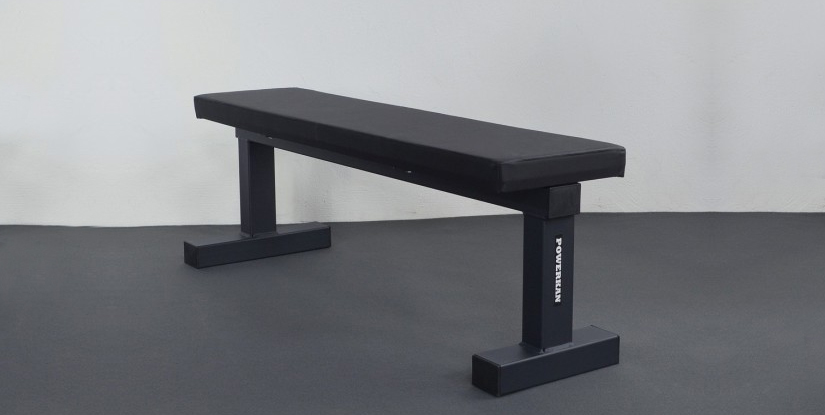
The Role of Specialized Load Protocols in Athletic Progression
Effective athletic development is not merely a byproduct of exertion, but a calculated result of progressive overload facilitated by high-grade hardware. For high-performance coaches and facility operators, the primary challenge lies in the reliability of the load. If a barbell or a cable machine exhibits inconsistent resistance or mechanical hesitation, the athlete's neural adaptations are disrupted. To mitigate this, one must understand that heavy weight lifting equipment supports athletic development by providing a stable, predictable environment for extreme mechanical tension.
When selecting equipment for an elite training environment, the focus must shift from general aesthetics to mechanical integrity. A failure in equipment precision often manifests as a 'phantom load' or a sudden change in the resistance curve, which can lead to injury or developmental plateaus. By prioritizing equipment with high structural tolerances, operators ensure that the stimulus remains consistent across every repetition. This foundational reliability sets the stage for understanding how specific equipment types target different physiological adaptations.
Standardizing Mechanical Tension through Equipment Quality
To ensure that a training session delivers the intended stimulus, the equipment must maintain a constant coefficient of friction and zero mechanical drift. This is particularly critical in compound movements where the slightest instability in a rack or a bench can alter the kinetic chain. Professionals should verify that all load-bearing components meet rigorous industrial standards before integrating them into a developmental program.
Optimizing Strength-to-Weight Ratios via Resistance Modalities
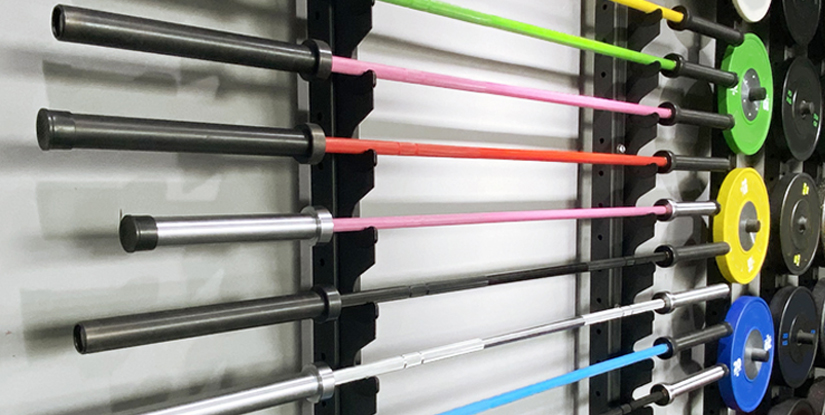
Following the establishment of a stable mechanical foundation, the next consideration is the selection of resistance modalities. Different forms of heavy weight lifting equipment support athletic development through unique force-application profiles. While traditional iron plates provide a static, uncompromising load, more specialized equipment might offer dynamic resistance to address specific athletic needs.
Choosing between free weights and machine-based resistance is a frequent decision point for facility managers. Free weights demand greater stabilization and neuromuscular control, whereas machines allow for higher isolation of target muscle groups under heavy loads. The following table compares these two primary modalities based on their role in athletic development.
| Feature | Free Weight Systems (Barbells/Dumbbells) | Fixed-Path Resistance Machines |
|---|---|---|
| Neuromuscular Demand | High (Requires significant stabilization) | Lower (Guided path/Lower stability requirement) |
| Adaptation Focus | Compound movement proficiency & coordination | Targeted hypertrophy & mechanical isolation |
| Risk Profile | Higher (Dependent on user technique/stability) | Lower (Controlled movement path) |
| Primary Use Case | Developing baseline strength & power | Late-stage hypertrophy & injury rehabilitation |
Understanding these distinctions allows a coach to periodize training effectively, moving from the unpredictable demands of free weights to the controlled environments of specialized machines. Once the modality is chosen, the operator must focus on the structural components that uphold these loads.
The Variable of Resistance Curves
A common mistake in facility design is failing to account for the resistance curve of the equipment. A machine that is 'heavy' at the bottom of a movement but 'light' at the top may not provide the necessary tension throughout the entire range of motion. Operators must verify that the equipment provides an optimal tension-to-movement ratio to prevent developmental gaps in the athlete's strength profile.
Structural Integrity and Load-Bearing Capacity in Heavy Lifting
With the resistance modalities selected, the focus must shift to the physical durability of the hardware. The ability of heavy weight lifting equipment to support athletic development is directly proportional to its structural capacity to handle repetitive, high-impact loading. In a high-performance setting, equipment is subjected to much more than just static weight; it must withstand the dynamic forces of dropped barbells and high-velocity eccentric movements.
A frequent failure mode in professional gyms is the degradation of load-bearing pins and collars. If a pin in a weight stack or a collar on a barbell is even slightly compromised, the distribution of weight becomes uneven, which can lead to catastrophic failure during a peak lift. Operators should utilize a structured inspection regime to identify these issues before they become safety hazards.
Mechanical Inspection Protocols for Load-Bearing Components
To maintain a safe and effective training environment, a rigorous inspection checklist is mandatory. Operators should not rely on visual inspection alone but should perform tactile and mechanical tests during the setup process.
- Check Bolt Torque: Periodically verify that all structural bolts are tightened to manufacturer specifications to prevent rattling and vibration-induced loosening.
- Inspect Welding Points: Look for micro-fractures or discoloration in the welds of racks and benches, which may indicate stress-induced metal fatigue.
- Test Pin Tolerance: Ensure that weight stack pins fit snugly without excessive wiggle room, which can cause jerky movements during high-intensity training.
- Verify Bushing/Bearing Smoothness: Rotate pulleys or barbell sleeves by hand to ensure there is no 'grittiness' or resistance that suggests bearing failure.
By implementing these checks, the facility ensures that the equipment remains a tool for development rather than a liability. This structural reliability is the prerequisite for moving into the more granular aspects of machine-based optimization.
Precision Engineering in Specialized Machine Design
Transitioning from the broader structural concerns to specific machine mechanics, we see that the precision of an engineer's design directly impacts an athlete's ability to reach peak output. High-end machines are designed with sophisticated cam profiles that adjust the resistance curve to match the human strength curve. This is a critical distinction between a standard commercial machine and one designed for athletic development.
The goal of specialized engineering is to minimize 'dead spots' in a lift. A dead spot occurs when the resistance drops significantly at a specific point in the range of motion, often caused by poor cam design or suboptimal cable tension. This lack of tension can lead to decreased muscle activation and a potential loss of momentum, which is undesirable for serious strength training.
Calibrating Resistance for Peak Performance
When setting up specialized equipment, operators must pay attention to the calibration of the weight stacks and the tension of the cables. If the cable tension is too low, the athlete will experience a 'slack' sensation at the start of the movement, which can negatively impact the explosive phase of a lift. Conversely, too much tension can make the movement feel jerky or uncontrolled.
The following checklist helps operators verify the optimal setup for high-performance machines:
| Step | Action Item | Verification Method |
|---|---|---|
| 1 | Check Cable Tension | Ensure the cable is taut at the highest point of the movement range. |
| 2 | Evaluate Cam Smoothness | Perform 5-10 slow, controlled reps to check for resistance fluctuations. |
| 3 | Examine Weight Stack Alignment | Verify that plates are seated correctly and are not tilting during movement. |
| 4 | Inspect Guide Rod Lubrication | Ensure guide rods are clean and lightly lubricated to prevent friction-induced drag. |
Correct calibration ensures that the mechanical stimulus remains constant, allowing for the high-precision training required for elite athletes. This precision must then be coupled with a robust maintenance strategy to preserve the lifespan of the machine.
Preventative Maintenance and Component Lifespan Management
A well-calibrated machine will only remain effective if it is supported by a disciplined maintenance schedule. Professional athletes require equipment that behaves identically in the first month of a training cycle as it does in the twelfth. Without preventative maintenance, the subtle changes in mechanical resistance can lead to unrecorded progress loss or unexpected injury.
One of the most common issues encountered in high-traffic facilities is the 'friction drag' caused by unlubricated guide rods or dry bearings. This drag doesn't just make the lift feel harder; it actually changes the load profile, often increasing the resistance at points where the athlete is naturally weaker, leading to an unnatural training stimulus. This is a significant problem for athletes whose development depends on specific, repeatable resistance curves.
Implementing a Tiered Maintenance Schedule
To manage these risks, facilities should adopt a tiered approach to maintenance, ranging from daily operational checks to quarterly deep-service protocols. This ensures that small issues are addressed before they escalate into expensive mechanical failures.
- Daily/Weekly (Operator Level): Wipe down surfaces, check for obvious cable fraying, and ensure all weight stacks are seated properly.
- Monthly (Supervisor Level): Inspect all moving parts for lubrication needs, check bolt tightness on all uprights, and test the integrity of upholstery and grips.
- Quarterly (Technical Level): Deep-clean guide rods, re-tension cables, inspect all bearings for wear, and verify the leveling of heavy racks and platforms.
A systematic approach to maintenance guarantees that the equipment's ability to support athletic development remains uncompromised over the long term. As maintenance cycles become more regular, the focus shifts toward the broader impact on the athlete's long-term training environment.
Ergonomics and the Bio-Mechanical Interface
The effectiveness of heavy weight lifting equipment is also determined by how well the machine interacts with the human body. Even the strongest steel structure cannot support athletic development if the ergonomic interface—the benches, grips, and pads—is poorly designed. A mismatch between the athlete's biomechanics and the machine's geometry forces the body to compensate, often leading to secondary injuries in the joints or lower back.
For example, if a chest press machine's arc of motion does not align with the natural movement of the humerus, the athlete will eventually experience shoulder impingement. This is a classic case where the equipment, despite being mechanically sound, fails to support the intended developmental goal due to ergonomic misalignment. Operators must select equipment that offers high adjustability to accommodate diverse anthropometric profiles.
Optimizing the User-Machine Interface
To maximize the benefits of the equipment, coaches should focus on the adjustability settings of each piece. This is not just about comfort, but about aligning the mechanical path of the machine with the athlete's anatomical strength peaks. The following parameters should be standard in any high-performance facility.
- Adjustable Seat Height/Depth: Essential for maintaining the correct angle of attack for compound lifts.
- Multi-Angle Grip Options: Allows for variation in forearm and wrist positions to protect sensitive joints during heavy loading.
- Customizable Foot/Back Support: Ensures a stable base of support, which is crucial for transferring force during heavy presses or pulls.
When the ergonomics are optimized, the athlete can focus entirely on the intended muscle group, maximizing the efficiency of every rep. This synergy between human and machine is the ultimate goal of a high-level training facility.
Future Trends: Digital Integration and Data-Driven Loading
Looking forward, the relationship between heavy weight lifting equipment and athletic development is becoming increasingly digital. The next generation of equipment is moving beyond simple weight stacks toward integrated sensors that track force production, velocity, and range of motion in real-time. This integration provides a layer of data that was previously only available in highly specialized laboratory settings.
Digital integration solves the problem of subjective loading. Instead of an athlete 'feeling' like they are getting stronger, the equipment can provide empirical evidence of increased bar speed or increased peak force. This data-driven approach allows for more precise adjustments to training volume and intensity, ensuring that the athlete is always training at the edge of their capability without overtraining.
The Impact of Velocity-Based Training (VBT)
One of the most significant advancements in the industry is the integration of Velocity-Based Training (VBT) capabilities into lifting platforms and racks. VBT uses accelerometers or specialized cameras to measure how fast a weight is moved. By monitoring the velocity of each lift, coaches can determine if an athlete is in a state of optimal readiness or if they are experiencing systemic fatigue. This level of insight ensures that the heavy lifting sessions are used effectively to drive development rather than causing excessive fatigue.
As technology continues to evolve, the distinction between traditional heavy weight lifting equipment and intelligent training systems will continue to blur, offering even deeper layers of insight for the modern athlete.