

Starting a New Gym with a Weight Workout Set: A Technical Setup Guide
Mitigating Foundation Instability in New Gym Layouts
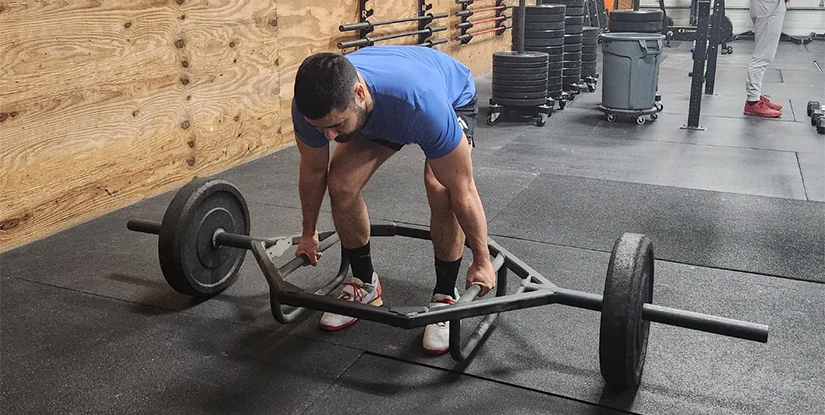
The most common failure in the early stages of starting a new gym with a weight workout set is not the selection of the weights themselves, but the neglect of the underlying structural foundation. When heavy free weights and high-impact movements are introduced to a standard commercial floor, the resulting kinetic energy can lead to micro-fractures in subflooring or significant noise complaints from adjacent tenants. This is rarely a failure of the equipment, but rather a mismatch between the equipment's kinetic load and the floor's impact absorption capacity.
Selecting the Correct Flooring Substrate
To prevent structural fatigue, operators must categorize their space based on intended usage. A lifting platform requires a different density of rubber than a general cardio area. High-density vulcanized rubber is the industry standard for weight workout zones because it maintains structural integrity under repeated high-velocity drops. If an operator relies on thin, interlocking foam mats, they will likely encounter the 'compression failure' mode, where the foam loses its resiliency, leading to an uneven surface that can cause ankle instability for users.
| Floor Type | Primary Use Case | Required Thickness Range | Durability Level |
|---|---|---|---|
| High-Density Vulcanized Rubber | Heavy Free Weight Zones | 15mm - 30mm | High (Impact Resistant) |
| Interlocking EVA Foam | Mobility & Stretching | 10mm - 20mm | Low (Compression Sensitive) |
| Rubberized Impact Tiles | Functional Training | 8mm - 12mm | Medium (Multi-purpose) |
By establishing these foundational layers first, the operator ensures that the subsequent equipment installation is safe and durable. Once the floor is secured, the focus shifts to the structural integrity of the weight sets themselves.
Evaluating Material Integrity in a Weight Workout Set

Transitioning from flooring to the actual equipment, the second critical hurdle is the selection of a weight set that survives long-term commercial wear. A frequent mistake is purchasing consumer-grade sets for a commercial-use environment. While consumer sets may appear sufficient on a spec sheet, they often lack the metallurgical standards required for heavy daily cycling. The primary cause of failure in low-end weight sets is either oxidation of the weight plates or structural fatigue in the barbell shafts.
Barbell Metallurgy and Coating Standards
When selecting a barbell, operators should prioritize the tensile strength and the coating type. A barbell with low tensile strength will permanently bend under heavy loads, a failure mode known as 'permanent deformation.' High-quality bars typically undergo heat treatment to ensure the steel can return to its original shape after being loaded. Furthermore, the knurling (the textured grip) must be checked for consistency; uneven or overly aggressive knurling can lead to user injury and high turnover rates.
- Chrome Plating: Excellent for aesthetics and corrosion resistance but can chip under heavy impact.
- Cerakote/Ceramic Coating: Highly durable and provides superior protection against rust in high-humidity environments.
- Stainless Steel: The gold standard for longevity, offering natural corrosion resistance without the risk of peeling coatings.
Verifying these material properties prevents the need for premature equipment replacement. Once the core metal components are selected, the operator must address the management of the weights themselves.
Optimizing Weight Storage to Prevent Mechanical Damage
The structural integrity of a weight workout set is heavily dependent on how the components are stored when not in use. A common error observed in new gym setups is the haphazard stacking of plates or the improper placement of bars on racks. This lack of organization leads to two specific problems: plate deformation (where weights are stored at an angle, causing them to warp) and rack fatigue (where uneven weight distribution causes the storage uprights to lean or buckle).
Standardizing Storage Protocols
To maintain the longevity of the set, implement a strict storage hierarchy. Weight plates should be stored vertically in specialized plate trees or horizontally on dedicated racks that distribute weight evenly across the base. Barbell storage should utilize high-quality uprights with integrated padding to prevent metal-on-metal contact, which accelerates wear.
| Storage Method | Primary Benefit | Common Failure Mode | Verification Step |
|---|---|---|---|
| Vertical Plate Trees | Space Efficient | Tip-over due to unbalanced load | Check base weight vs. total plate weight |
| Horizontal Dumbbell Racks | Easy Access | Rack bending from heavy end-weights | Inspect rack leveling weekly |
| Wall-Mounted Barbell Hooks | Minimal Footprint | Hook deformation under heavy weight | Verify load capacity vs. bar weight |
Consistent storage management directly correlates to the professional appearance and safety of the gym. With the equipment and storage secured, the focus moves to the daily operational safety of the users.
Establishing Environmental Controls for Equipment Longevity
A weight workout set is highly susceptible to the ambient environment of the gym. A common mistake when starting a new gym is failing to account for humidity and temperature fluctuations, which can lead to rapid degradation of both metal and rubber components. High humidity accelerates oxidation (rust) on steel components, while extreme temperature swings can affect the elasticity of rubber flooring and plastic coatings on dumbbells.
Mitigating Oxidation and Material Decay
To prevent premature rust, operators should maintain a controlled climate. This involves monitoring the dew point and ensuring ventilation systems are functioning correctly. For example, in a facility with heavy cardiovascular activity, the increase in moisture levels can cause chrome-plated bars to develop surface oxidation much faster than anticipated. Implementing a strict cleaning protocol using non-corrosive agents is essential for long-term preservation.
- Ventilation Parameter: Aim for consistent airflow to prevent "dead zones" of high humidity near weight racks.
- Cleaning Mistake: Avoid using bleach-based cleaners on rubber or coated plates, as this can lead to material cracking and discoloration.
- Moisture Check: Periodically inspect the contact points between metal and floor to ensure no condensation is pooling under the mats.
A controlled environment significantly reduces the frequency of deep-cleaning requirements. However, even in perfect conditions, physical wear is inevitable, requiring a dedicated inspection framework.
Implementing a Rigorous Maintenance and Inspection Cadence
A professional-grade gym requires more than just a one-time setup; it requires a lifecycle management plan. The problem of 'silent degradation' occurs when small issues, such as a loosening bolt or a slightly frayed barbell sleeve, are ignored until a catastrophic failure occurs. This is a high-liability scenario that can be mitigated through a systematic inspection routine. A lack of documented maintenance is often the root cause of equipment-related injuries in new facilities.
The Daily and Weekly Inspection Checklist
Operators should not rely on visual checks alone. Mechanical components require physical verification. For example, a barbell sleeve may look fine, but the internal bearings or bushings could be failing, leading to a jerky rotation that disrupts a lift. A weekly inspection of the weight set should include checking for loose bolts on racks, inspecting the surface of plates for cracks, and ensuring all moving parts are lubricated as per manufacturer guidelines.
- Daily: Visual check for surface rust, loose plates, and clear floor pathways.
- Weekly: Tension check on all bolts, barbell rotation test, and weight plate integrity check.
- Monthly: Deep cleaning of metal surfaces to prevent oxidation and checking for structural weld cracks in racks.
Regular maintenance is a preventative cost rather than a reactive expense. Once the maintenance protocols are in place, the operator must prepare for the eventual scaling of the facility.
Designing for Weight Set Modular Expansion
Many operators fail to realize that the weight workout set they purchase today is only the first phase of their facility's growth. The technical challenge of scaling a gym lies in maintaining consistency across different generations of equipment. If an operator expands by purchasing a different brand or model of weight set later, they may encounter issues with diameter mismatches, barbell knurling differences, or even storage incompatibility.
The Modular Expansion Strategy
To avoid the pitfalls of a fragmented equipment floor, implement a modular expansion strategy. This means choosing a core platform or rack system that allows for additional attachments and weight increments without requiring a full replacement. When scaling, ensure that the new equipment shares the same technical specifications—such as sleeve diameter and plate thickness—as the original set to maintain a seamless user experience.
| Scaling Component | Standard Specification | Potential Mismatch Issue |
|---|---|---|
| Plate Diameter | Standardized (e.g., 450mm) | Non-standard weights won't fit standard bars |
| Barbell Sleeve | Standardized (e.g., 50mm) | Incompatibility between bars and plate holes |
| Rack Footprint | Fixed Width | New attachments may not align with existing rails |
Success in starting a new gym with a weight workout set depends on the transition from a single purchase to a managed ecosystem. By prioritizing the floor, the metallurgy, the storage, and the maintenance, the operator moves from a novice setup to a professional-grade facility operation.