

Choosing Quality Weightlifting Products for Your Facility: A Professional Procurement Guide
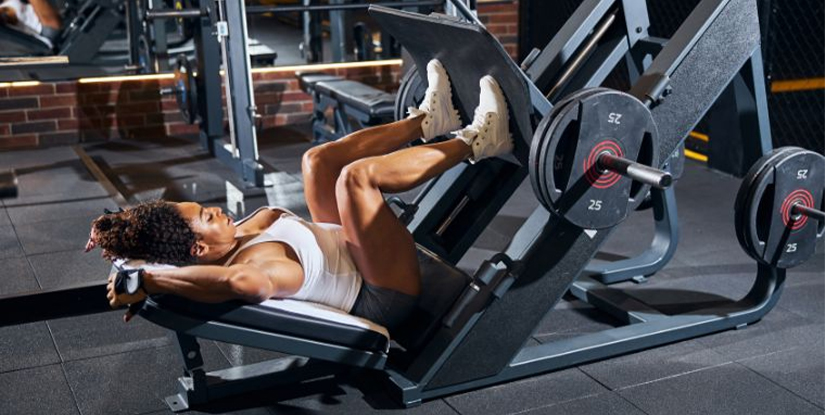
The High Cost of Substandard Weightlifting Equipment
Facility operators often face a recurring dilemma: the immediate cost savings of lower-tier equipment versus the long-term operational hazards of frequent replacements. Selecting subpar weightlifting products often leads to premature mechanical failure, inconsistent user experiences, and increased liability risks. When a barbell loses its whip or a dumbbell set exhibits uneven weight distribution, the facility's reputation and safety standards are immediately compromised.
The primary cause of these issues is usually a lack of technical scrutiny during the procurement phase, where buyers prioritize sticker price over material composition and manufacturing tolerances. To prevent these failures, operators must move away from aesthetic-based purchasing and toward specification-driven selection. Understanding the underlying physics of weightlifting equipment is the first step in ensuring your facility remains both functional and safe. Once the fundamental risks are understood, the focus must shift toward the technical specifications that differentiate commercial-grade gear from residential alternatives.
Identifying Common Failure Modes
Before diving into specific product categories, it is essential to recognize the warning signs of low-quality manufacturing. Common issues include uneven knurling, bearing friction in barbell sleeves, and oxidation on steel components. By identifying these early, you can build a more robust vetting process for future orders.
Evaluating Barbell Construction and Tensile Strength
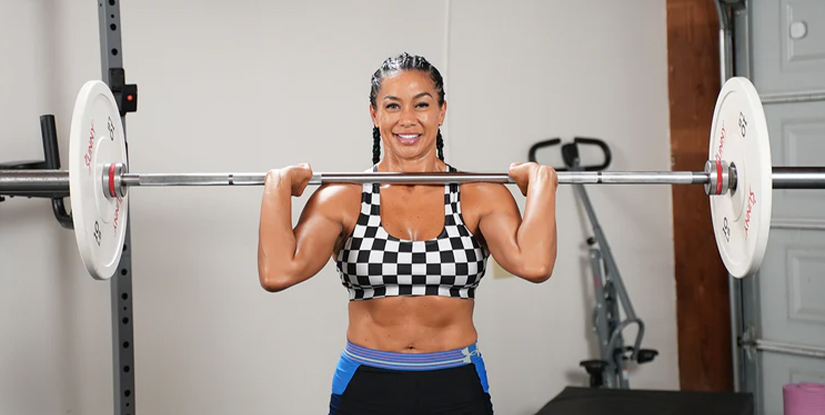
Transitioning from general risks to specific hardware, the barbell serves as the cornerstone of any serious lifting environment. The integrity of a barbell is defined by its ability to withstand extreme stress without permanent deformation. A common mistake among new operators is selecting bars based solely on knurling texture, while ignoring the steel's tensile strength and the quality of the bearing system.
A high-quality barbell must balance elasticity with durability. If a bar is too stiff, it lacks the necessary 'whip' required for Olympic lifting; if it is too soft, it may permanently bend under heavy loads. This balance is achieved through precise heat treatment and high-grade steel alloys. Furthermore, the rotation mechanism—either bushings or bearings—determents how smoothly the plates rotate during a lift, which directly impacts wrist health and safety.
| Component Type | Bushings (Standard) | Bearings (Advanced) |
|---|---|---|
| Primary Use | Powerlifting and general lifting | Olympic Weightlifting |
| Rotation Feel | Smooth, controlled, consistent | High-speed, fluid, frictionless |
| Durability Factor | High resistance to impact/dust | Sensitive to grit and debris |
| Maintenance | Minimal lubrication required | Requires regular cleaning/inspection |
When evaluating these components, verify the metal's tensile strength ranges and the exact type of bearing used. A failure to verify these specifications often results in 'stiff' bars that hinder athlete performance and increase the risk of injury. With the core lifting tools secured, the focus must now turn to the ancillary weight systems that support daily training.
Selecting Durable Dumbbell and Kettlebell Sets
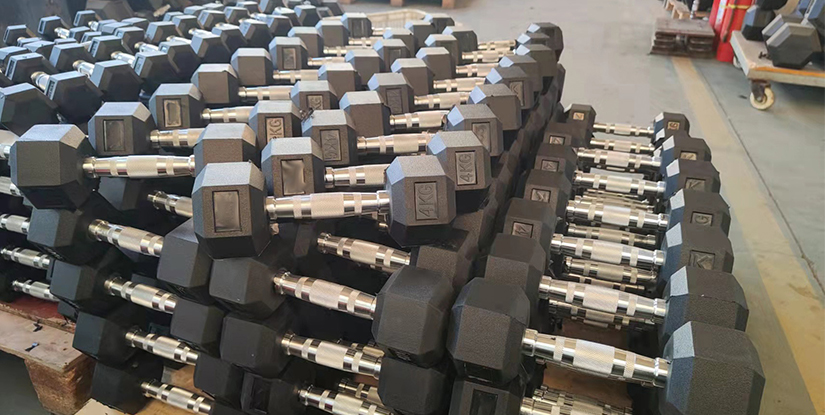
While barbells demand technical precision, dumbbell and kettlebell selection focuses on impact resistance and ergonomic consistency. A frequent pain point for facility managers is the rapid degradation of rubber or urethane coatings, which leads to cracked surfaces and exposed metal. This degradation is often caused by low-grade casting processes or improper material blending.
To ensure longevity, operators should evaluate the density of the coating and the structural integrity of the handle. In high-traffic facilities, the impact of dropping weights is constant; therefore, the shock-absorption properties of the outer shell are critical. A high-quality product will feature a seamless transition between the handle and the weight head to prevent structural weak points.
Dumbbell Material Comparison
- Cast Iron: Durable and cost-effective, but prone to chipping and rust if the coating is thin.
- Rubber Hex: Excellent impact absorption and stability, ideal for preventing floor damage.
- Urethane: The premium standard; highly resistant to abrasion and chemical cleaning agents, though more expensive.
Checking for weight tolerance is also vital. High-quality sets should maintain a weight deviation of less than 1% to 3% between individual pieces to ensure training consistency. Once the handheld weights are selected, the next requirement is the structural support systems that organize them.
Optimizing Weight Storage and Rack Stability
The organizational efficiency of a facility relies heavily on the stability of its storage solutions. A common oversight in procurement is selecting racks that are aesthetically pleasing but structurally insufficient for heavy-duty use. Improperly loaded or unstable racks can tip, leading to catastrophic accidents and damaged flooring.
A robust storage system must be evaluated based on its weight-bearing capacity and its footprint stability. Heavy weightlifting products require racks with a high-gauge steel construction and wide bases to prevent wobbling. If a rack begins to sway under load, it indicates that the steel thickness is insufficient for the weight distribution planned for that area.
Rack Inspection Checklist for Operators
- Check Bolt Tightness: Ensure all structural bolts are torqued to manufacturer specifications regularly.
- Inspect Welding Points: Look for hairline cracks in the welds that may indicate metal fatigue.
- Verify Levelness: Ensure the rack sits perfectly level on the flooring to prevent uneven weight distribution.
- Assess Footpad Integrity: Check that rubber feet are intact to prevent sliding and floor vibration.
By maintaining a rigorous inspection cadence, you can extend the life of your storage solutions and prevent accidental collapses. This structural reliability provides the necessary foundation for the actual training platforms where most heavy lifting occurs.
Selecting High-Impact Flooring and Platform Systems
The relationship between weightlifting products and the floor beneath them is often the most undervalued aspect of facility design. Using standard gym mats for heavy Olympic lifting is a common mistake that leads to both floor damage and excessive noise vibration. Without proper impact attenuation, the kinetic energy from a dropped barbell can cause structural fatigue in the building's subfloor.
Effective flooring for a lifting facility must provide two distinct functions: impact absorption and lateral stability. For Olympic lifting, a dedicated platform is required, consisting of a high-density wood center for stability and rubberized outer sections for impact. This dual-layer approach protects both the athlete's joints and the facility's foundation.
| Floor Type | Primary Benefit | Best Application |
|---|---|---|
| Rubber Rollouts | Easy installation and versatile coverage | General strength training areas |
| Multi-Layer Platforms | Maximum shock absorption and stability | Olympic lifting and heavy barbell training |
| High-Density Tiles | Durability and modularity | High-traffic cardio or functional zones |
When selecting flooring, always verify the density (measured in kg/m³) and the thickness. A floor that is too soft may become unstable during heavy compound lifts, while a floor that is too hard will fail to protect your equipment and subfloor. Establishing the correct surface is essential before installing high-end barbells and racks.
Maintenance Protocols for Prolonged Equipment Life
Even the highest quality weightlifting products require a systematic maintenance routine to prevent the gradual onset of mechanical failure. The transition from procurement to operation requires a clear understanding of the maintenance cycles for different types of gear. Neglecting these steps leads to the 'death by a thousand cuts' scenario, where minor friction or rust eventually renders expensive equipment unusable.
Maintenance is not just about cleaning; it is about proactive mechanical oversight. For example, barbells require periodic cleaning of the sleeves to ensure the bearings or bushings can rotate freely without grit interference. If metal-on-metal grinding is heard during a lift, it is a signal that lubrication or bearing replacement is necessary.
Tiered Maintenance Schedule
- Daily: Visual inspection for loose bolts, cleaning of sweat/salt from knurling, and checking for floor debris.
- Monthly: Deep cleaning of barbell sleeves, checking dumbbell coatings for cracks, and inspecting rack stability.
- Quarterly: Full structural audit of all racks, weight tolerance verification, and lubrication of any moving parts.
A consistent maintenance habit reduces long-term capital expenditure by extending the lifecycle of your assets. This proactive approach is the final pillar in ensuring your facility provides a professional-grade environment.
Verifying Product Performance and Authenticity
Before finalizing a large-scale purchase, it is crucial to move beyond the manufacturer's marketing claims and verify actual performance metrics. Many facility operators fall into the trap of accepting 'commercial grade' as a blanket term without checking the actual technical data. To ensure you are receiving true quality, you must implement a verification step in your procurement process.
This involves requesting technical specification sheets rather than just brochures. For barbells, this means asking for the specific steel grade and the number of bearings. For weights, it means asking for the tolerance percentage. If a supplier is unable or unwilling to provide these technical details, it is a strong indicator that the product may not meet professional standards.
Verification Checklist for Buyers
- Request Material Certifications: Ask for the steel type and coating specifications.
- Test Weight Deviation: If possible, order a sample set to check for weight consistency across pieces.
- Simulate Use: Test the rotation of barbells and the grip of knurling under controlled conditions.
- Inspect Weld Quality: Examine the cleanliness and uniformity of all metal joints.
Taking these steps ensures that the products you install are capable of withstanding the rigors of a professional training environment. With these protocols in place, your facility will be equipped for long-term operational excellence.