

Understanding What CrossFit Gym Equipment Packages Typically Include
The Structural Foundation: Rig Systems and Heavy Lifting Frameworks
When establishing a new facility, the most frequent mistake operators make is underestimating the structural load requirements of the central rig. A high-quality CrossFit gym equipment package is anchored by a robust rig system, which serves as the skeletal structure for much of the high-intensity training performed in the facility. Without a rigid, high-gauge steel foundation, the entire training environment becomes unstable under the dynamic loads of movements like kipping pull-ups or heavy barbell cleans.
Steel Gauge and Tolerance Standards
Professional-grade rigs are not merely large metal frames; they are engineered to withstand lateral forces. When reviewing package components, you must verify the steel thickness. Most commercial-grade systems utilize a minimum of 3mm (approximately 11-gauge) steel. A common failure mode in budget-tier packages is the use of thinner-walled tubing that results in noticeable 'sway' during high-rep gymnastic movements. This instability can lead to bolt loosening and structural fatigue over time.
| Component | Standard Specification | Verification Method |
|---|---|---|
| Steel Thickness | 3mm (11-gauge) or higher | Digital caliper measurement |
| J-Cup Compatibility | Standardized spacing (1-inch or 2-inch) | Visual fit test with barbells |
| Upright Stability | Bolted floor mounts | Torque check on anchor bolts |
Beyond the steel thickness, the density of the connection points determines the lifespan of the rig. A package that includes only basic corner braces instead of full-length side bracing will inevitably suffer from mechanical play. Once the structural integrity of the rig is established, the focus shifts to the specialized tools required for barbell-centric movements.
Barbell and Bumper Plate Material Science
The transition from the rig to the lifting area requires a specialized set of tools designed for high impact. A standard package will include a specific ratio of barbells and bumper plates, but the technical quality of these items is where most procurement errors occur. A common problem is purchasing 'standard' gym barbells for a CrossFit environment; these lack the knurling durability and bearing smoothness required for high-intensity functional training.
Bearing Systems and Knurling Lonches
The mechanics of a high-quality barbell revolve around the sleeve rotation. In a high-volume facility, plates are dropped frequently, meaning the bearing or bushing system must manage high rotational friction and impact. If a package contains barbells with low-quality bushings, the rotation will feel 'stiff' or 'notchy,' which increases the risk of wrist injury for the athlete. You should verify whether the package includes needle bearings for precision or bushings for durability.
- Needle Bearings: Preferred for high-speed rotation during Olympic lifts; provides smoother transitions.
- Bushings: Highly durable and suitable for heavy, slow-velocity movements; lower maintenance requirement.
- Knurling Grade: Should be aggressive enough for grip but not so sharp that it shears skin during repetitive use.
This mechanical precision extends to the plates themselves. Bumper plates in a professional package must be made from high-density virgin rubber to prevent cracking or irregular bouncing. An improperly specified plate can lead to uneven floor wear and dangerous bounce-back characteristics. With the lifting essentials secured, the package must also address the diverse needs of metabolic conditioning.
Cardio and Metcon Engine: Calibrating Intensity
Metabolic conditioning (Metcon) is the heartbeat of the CrossFit methodology, and the cardiovascular components within an equipment package act as the 'engine' of the workout. A common mistake is purchasing low-intensity cardio machines that cannot handle the high-torque output of a professional athlete. A package that includes consumer-grade rowing machines or stationary bikes will likely experience premature motor or drive-train failure.
Machine Resistance and Durability Benchmarks
The equipment provided must be capable of sustaining varied resistance levels. For example, air-resistance bikes or rowing machines are standard because they scale with the user's effort. If the package provides machines with limited resistance ranges, it limits the ability of the facility to accommodate both beginners and elite athletes. Operators must ensure that the resistance mechanisms (air, magnetic, or fan-driven) are built for continuous, high-wattage output.
| Cardio Type | Typical Package Inclusion | Critical Technical Detail |
|---|---|---|
| Air Bike | Fan-driven resistance | Heavy-duty crank arms and steel pedals |
| Rowing Machine | �ాలHigh-quality foot straps and ergonomic handle | |
| Sled/Prowler | Steel or heavy plastic frame | Resistance compatibility with turf or rubber |
Selecting the right cardio density is critical, but the durability of these machines depends heavily on how they are integrated into the facility's layout. As we move from the cardio engines to the floor-based movements, the focus shifts to the surfaces and obstacles that define the training space.
Explore the complete technical specifications:
Gymnastics and Bodyweight Apparatus Integration
A high-performance CrossFit package is incomplete without the apparatus required for gymnastics-based training. The problem many operators face is purchasing disparate pieces of equipment that do not share a common footprint or mounting standard, leading to a cluttered and inefficient training floor. A cohesive package ensures that pull-up bars, rings, and gymnastic stations are functionally compatible with the central rig system.
Ring Attachment and Mounting Safety
Gymnastic rings are a staple, but the method of attachment is a critical safety variable. A package should include high-tenseness straps and heavy-duty carabiners that are compatible with the rig's uprights. One common failure mode is using lightweight, 'gymnastic-only' straps that lack the tensile strength for high-volume kipping. Operators must verify that all hanging components are rated for the dynamic load of an athlete performing explosive movements.
- Ring Straps: Should be adjustable in length with quick-release buckles for rapid transition between exercises.
- Wall-Mounted Stations: Pull-up bars or dip stations must be securely anchored to load-bearing studs or reinforced walls.
- Scaling Tools: Inclusion of bands and step boxes to ensure movements can be modified for different skill levels.
While these apparatuses provide the vertical dimension to training, the horizontal plane—the floor itself—is where the most significant wear and tear occur. Proper structural support leads us directly to the necessity of specialized flooring solutions.
Explore the complete technical specifications:
Best Barbells Guide: Specifications, Knurling, and Commercial Selection
Flooring Systems: Impact Absorption and Surface Integrity
The flooring is often treated as an afterthought in many equipment packages, yet it is the single most important factor in protecting both the athlete's joints and the facility's subfloor. A common problem is using standard weightlifting mats that are too thin (e.g., under 10mm), which leads to catastrophic damage to the concrete slab when heavy barbells are dropped. This can even lead to structural cracks in the building itself.
Material Selection and Load Distrubution
A professional CrossFit package should include high-impact rubber flooring with a specific density and thickness. The goal is to maximize energy absorption (attenuation) while maintaining a stable surface for lateral movements. If the rubber is too soft, athletes will lose stability during agility drills; if it is too hard, the impact from dropped weights will cause excessive noise and vibration.
| Flooring Type | Recommended Thickness | Ideal Use Case |
|---|---|---|
| Rubber Tiles/Rolls | 15mm to 20mm | Primary lifting zones and heavy drop areas |
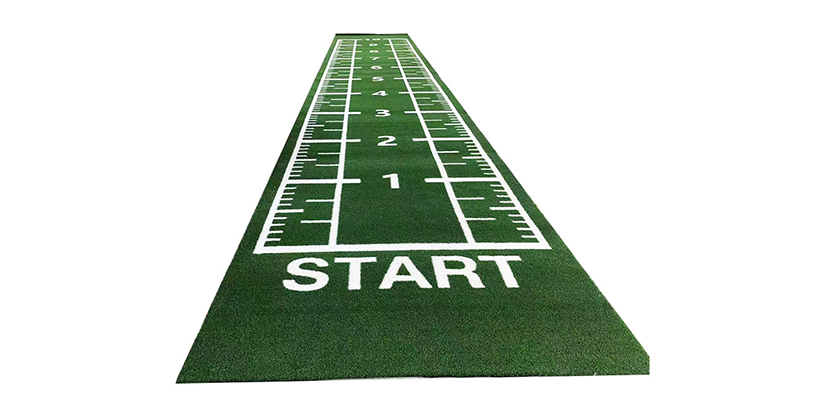
| Turf Strips | 10mm to 12mm | Sled pushes, lunges, and lateral agility |
| Impact Mats | Variable (High Density) | Specific barbell drop zones |
When verifying a package, check the 'durometer' or hardness of the rubber. High-quality flooring should feel dense and resilient rather than spongy. Once the floor is stabilized, the final tier of equipment—the strength and conditioning accessories—comes into play.
Accessory and Conditioning Tools: The Final Layer
The nuances of a CrossFit workout often depend on the small-scale equipment, such as kettlebells, medicine balls, and sandbags. A common oversight in procurement is selecting accessories with inconsistent weight increments or poor ergonomic designs. For instance, a kettlebell with an unevenly distributed weight or a poorly shaped handle can lead to repetitive strain injuries during high-repetition sets.
Consistency and Ergonomics in Small Equipment
A comprehensive package will provide a range of weights that follow a logical progression. This ensures that as an athlete advances, there are no 'gaps' in the weight increments that would stall their progress. Furthermore, the materials used—such as cast iron, steel, or high-density urethane—affect both the durability and the tactile experience of the tool.
- Kettlebells: Should have consistent handle diameters for various grip sizes.
- Medicine/Wall Balls: Must have high-density shells to prevent internal shifting and 'dead' bounce.
- Sandbags: Should feature reinforced stitching to withstand heavy dragging and dropping. .
The presence of these tools completes the functional ecosystem of the facility. By ensuring each layer—from the heavy rig to the smallest kettlebell—meets professional standards, an operator creates a durable and safe environment.
Strategic Procurement and Final Verification Checklist
As we conclude this technical deep dive, it is essential to emphasize that a package is only as good as the verification process used during the selection phase. The primary pain point for owners is the 'hidden cost' of poor-quality equipment—not the initial price, but the secondary costs of repairs, replacements, and lost membership due to equipment failure. To avoid this, an operator must move from a passive buyer to an active technical auditor.
The Operator's Final Verification Checklist
Before signing off on a full equipment package, run through this three-stage verification process to ensure the technical specifications align with the operational realities of a high-intensity gym.
- Stage 1: Material Audit: Check the steel gauges of the rigs and the bearing types of the barbells. Do not accept 'standard' when 'commercial-grade' is required.
- Stage 2: Durability Check: Review the density/thickness of the flooring and the resistance mechanisms of the cardio machines.
- Stage 3: Compatibility Review: Ensure that all modular pieces (rings, attachments, benches) are designed to work together within the same footprint.
By focusing on these technical parameters rather than just the total number of pieces, you ensure that the equipment package serves as a long-term asset rather than a recurring liability.