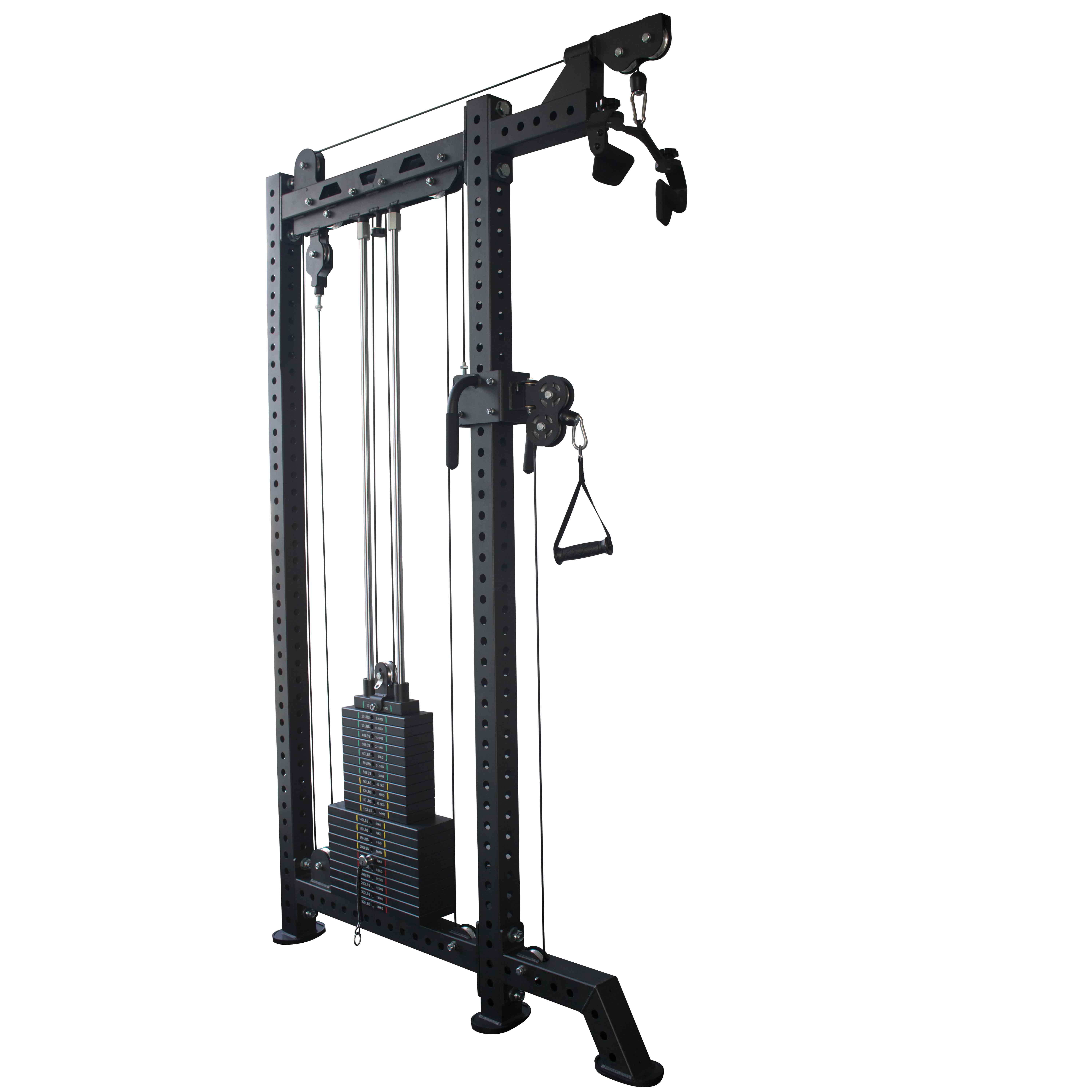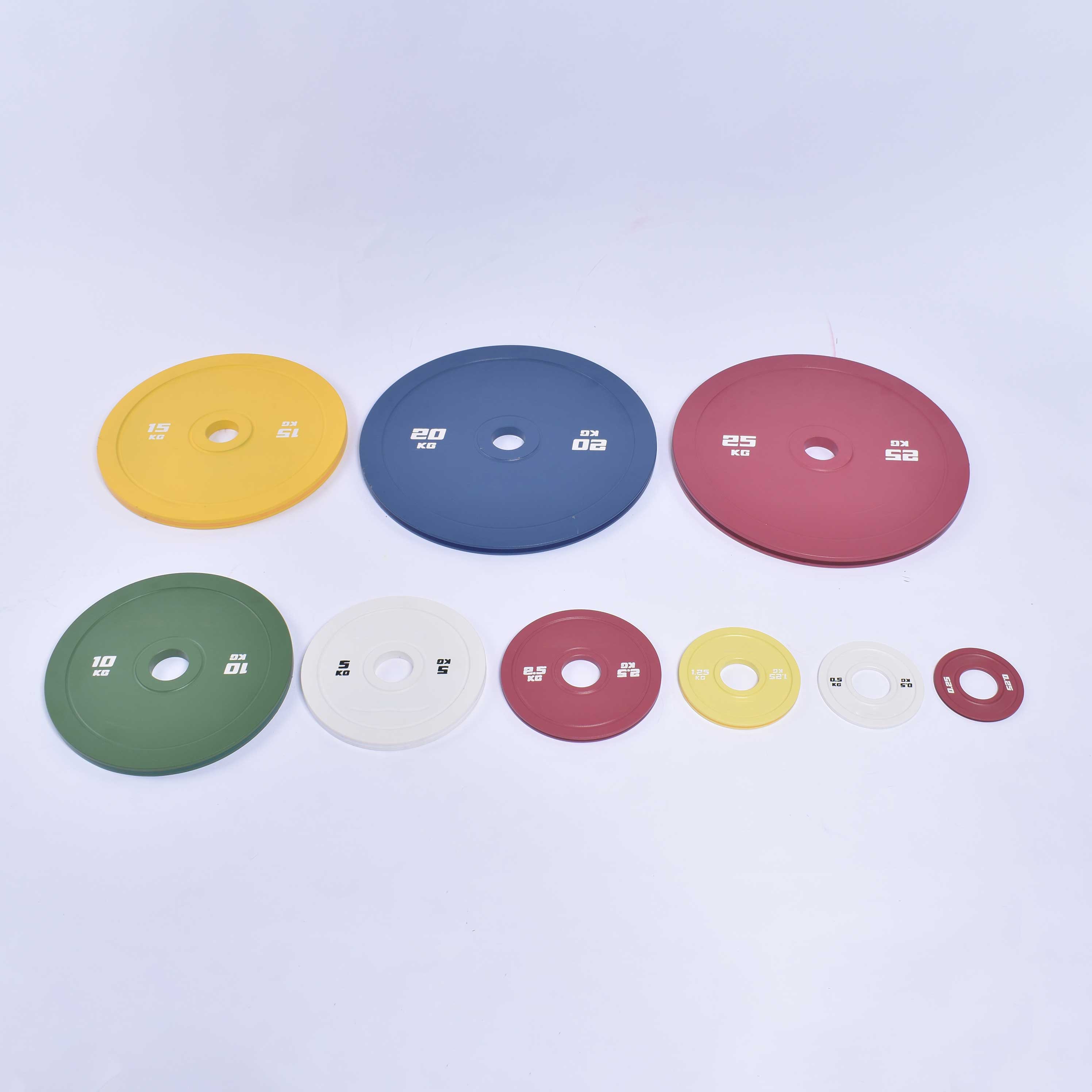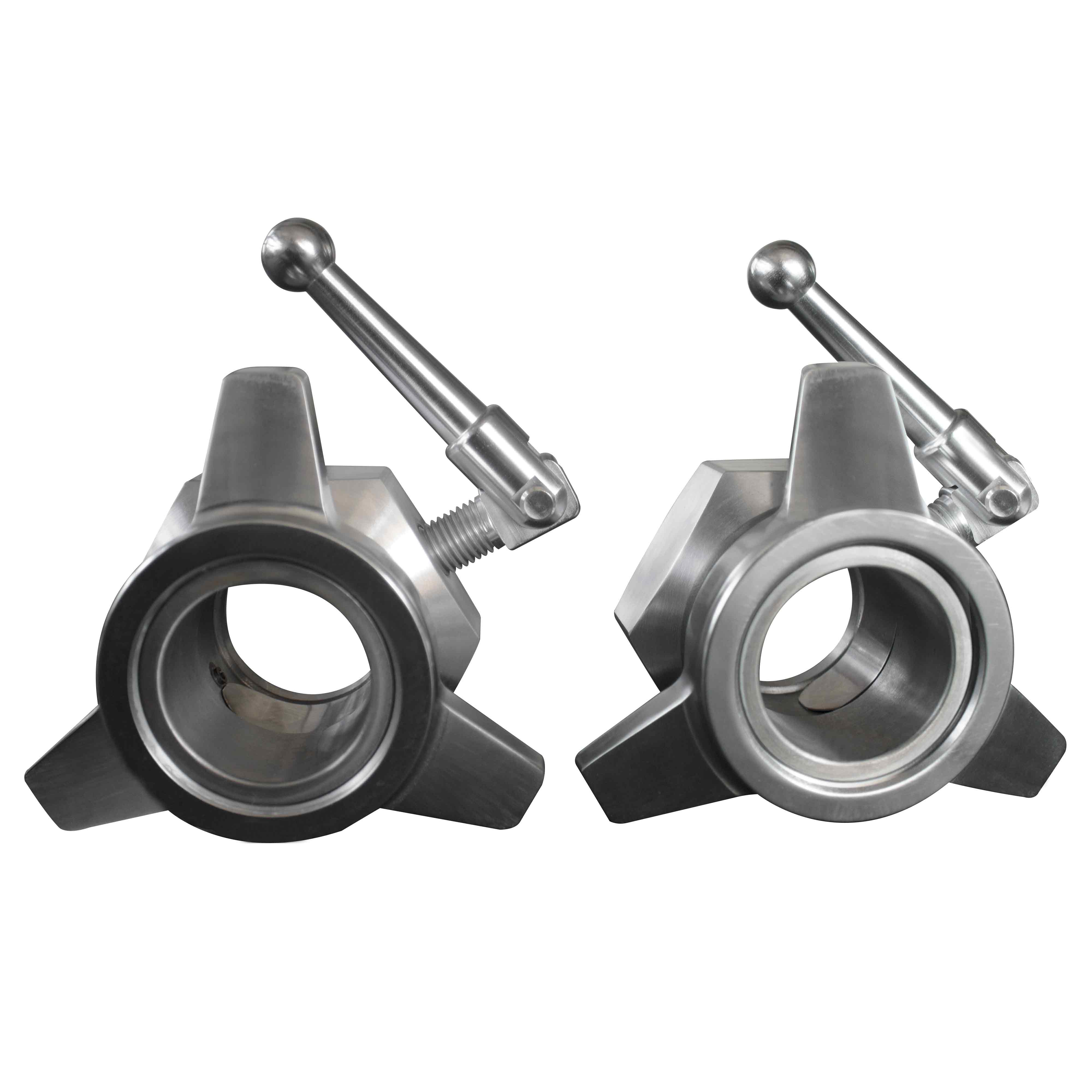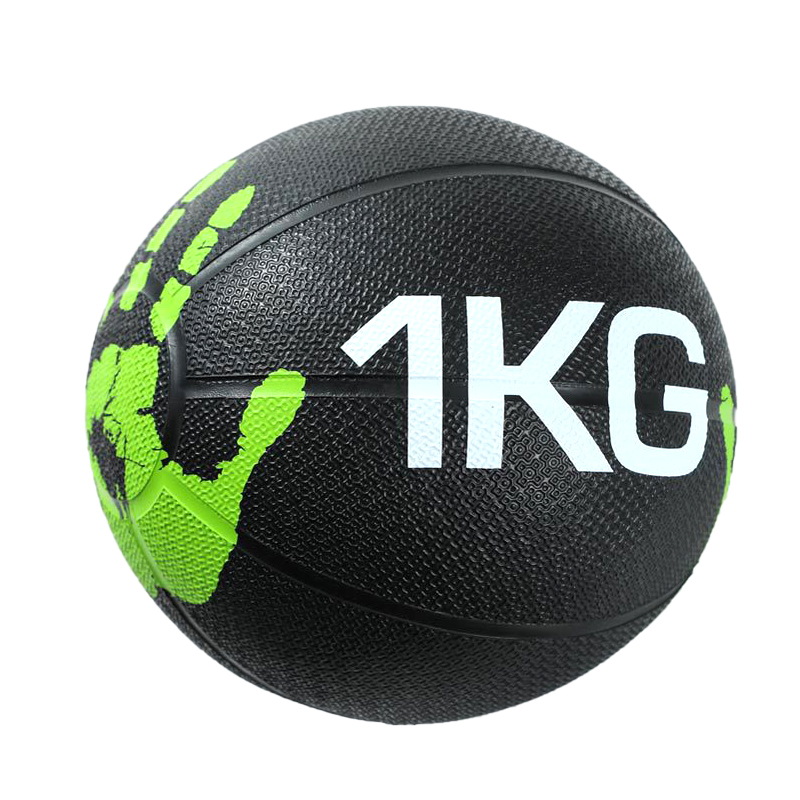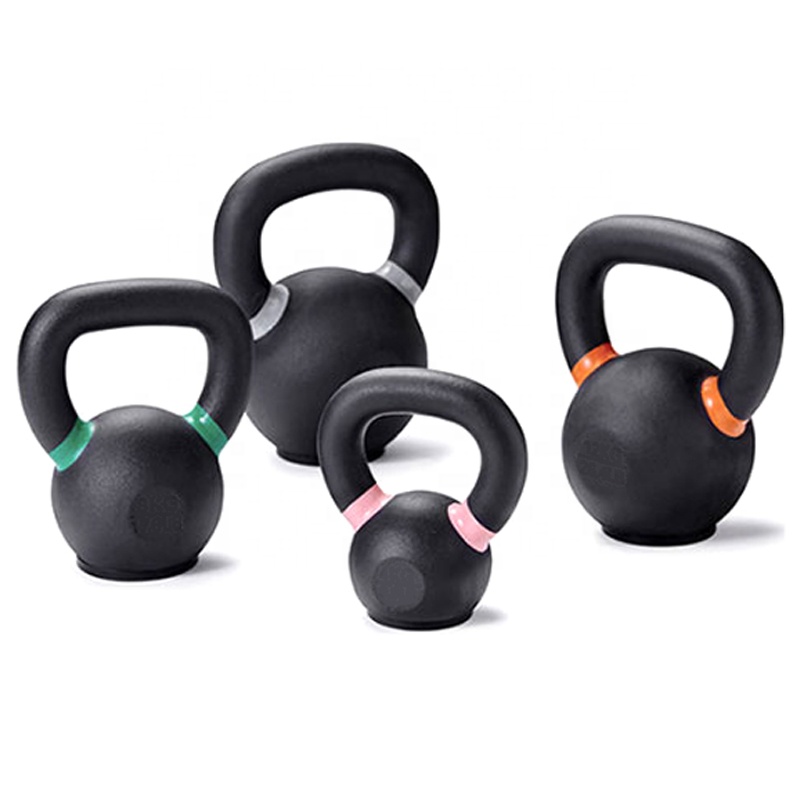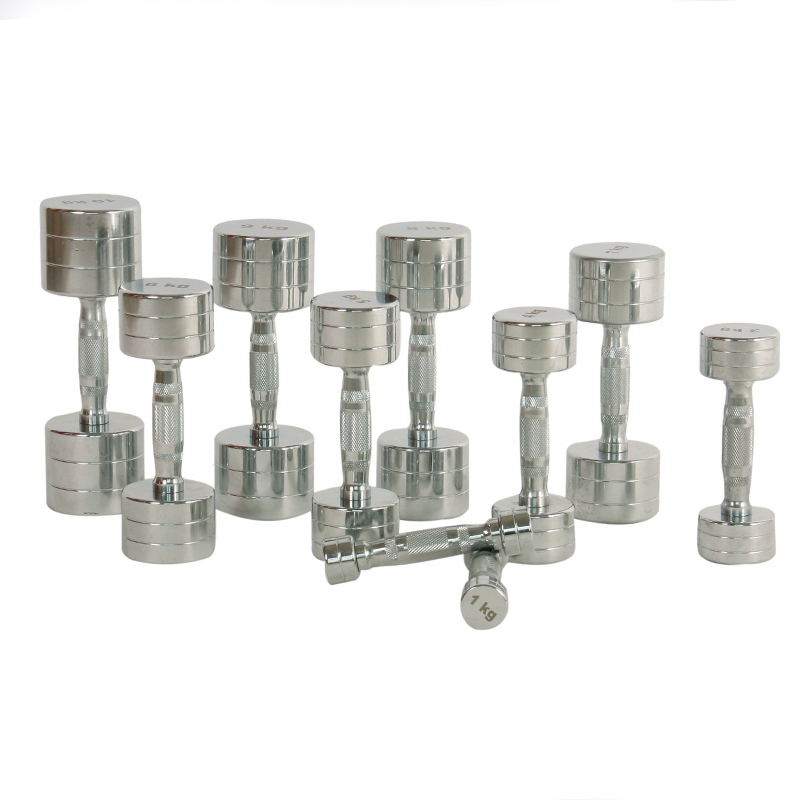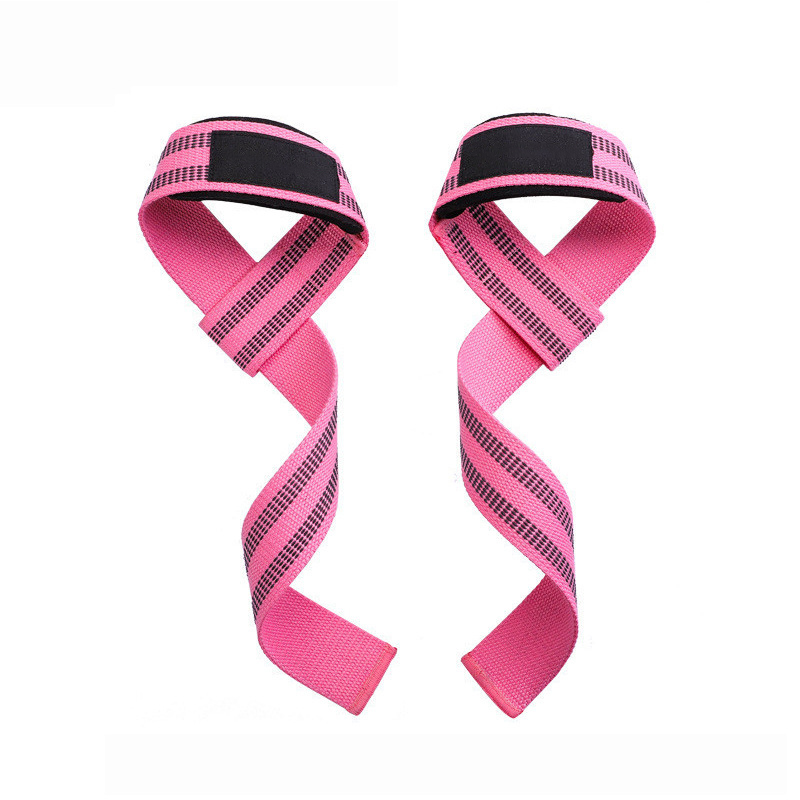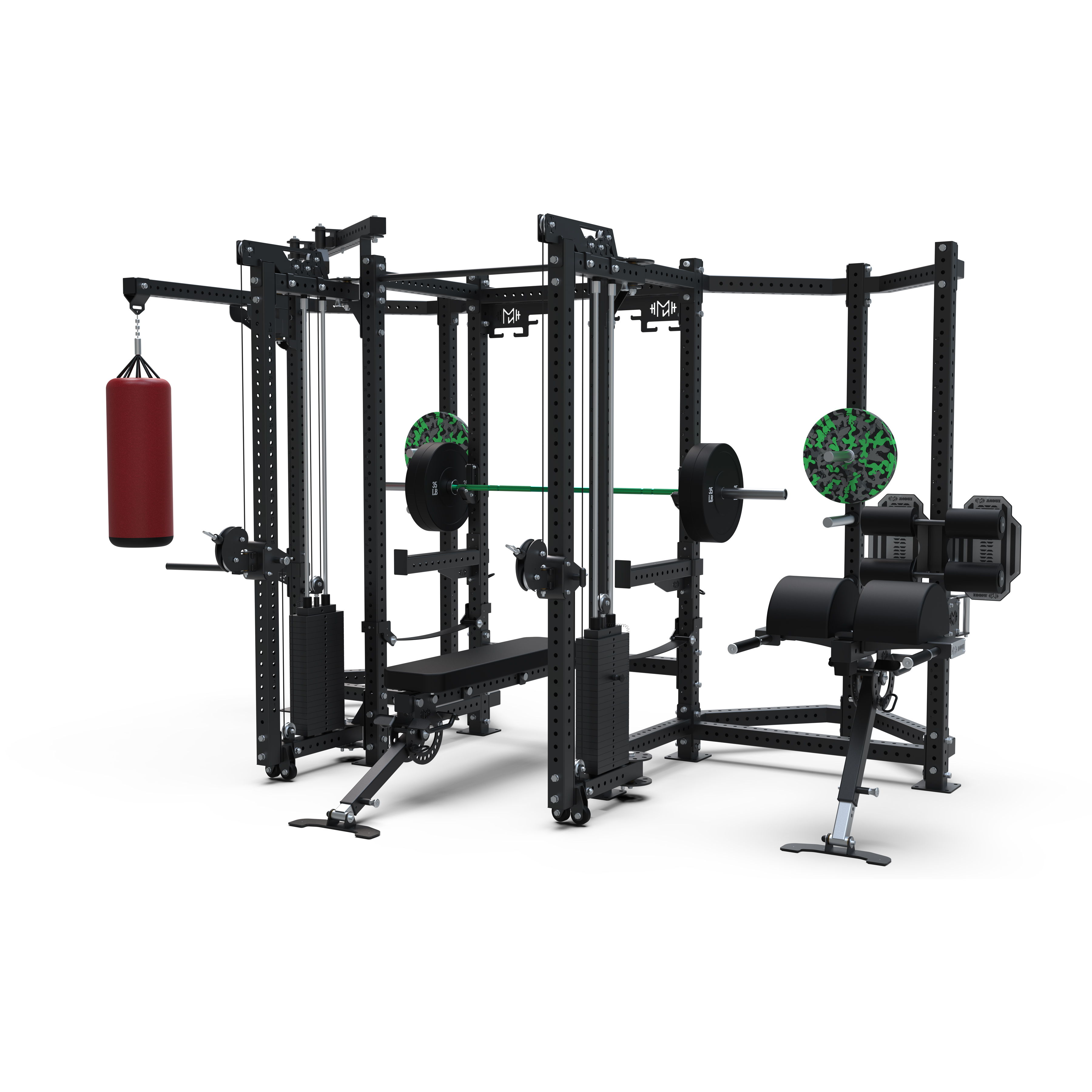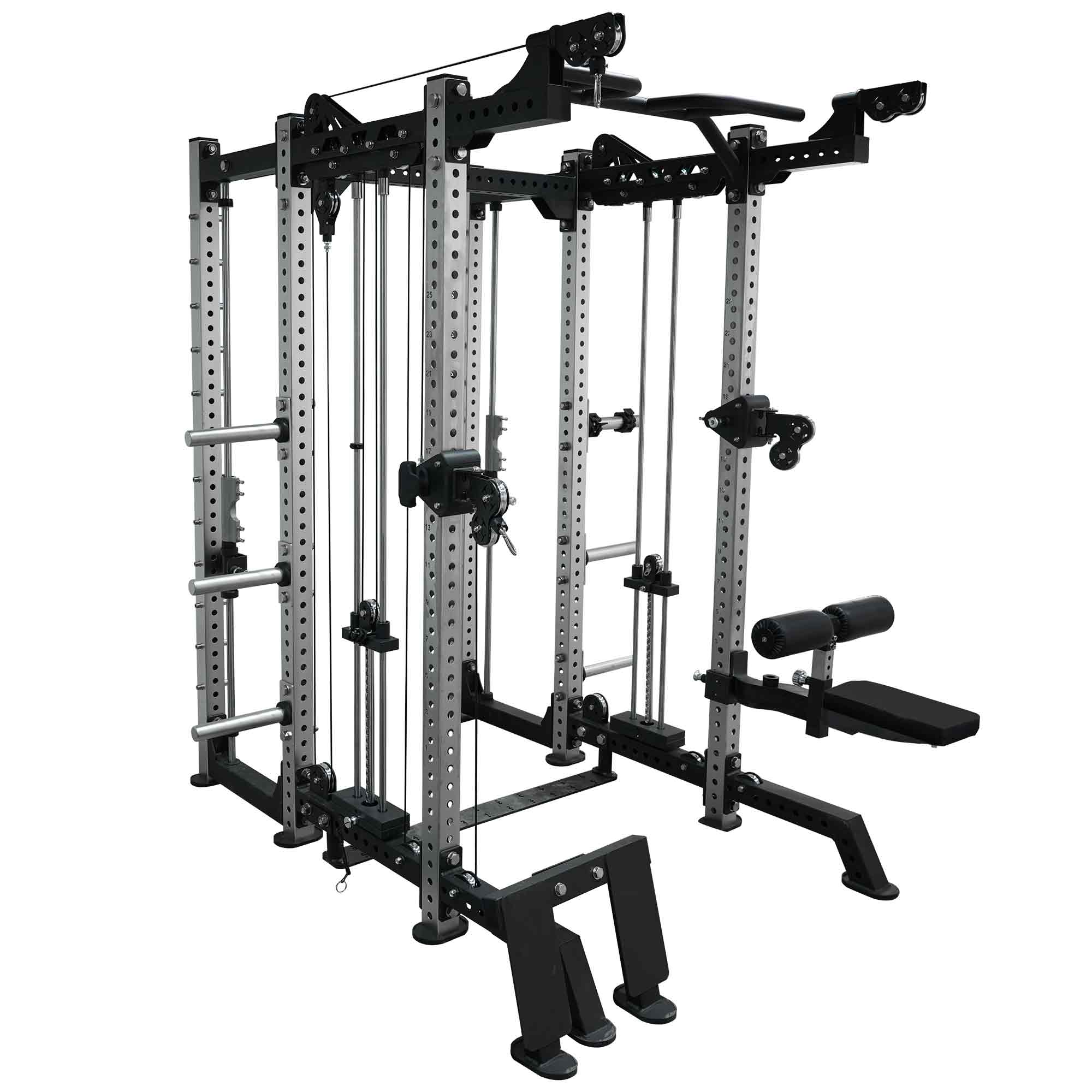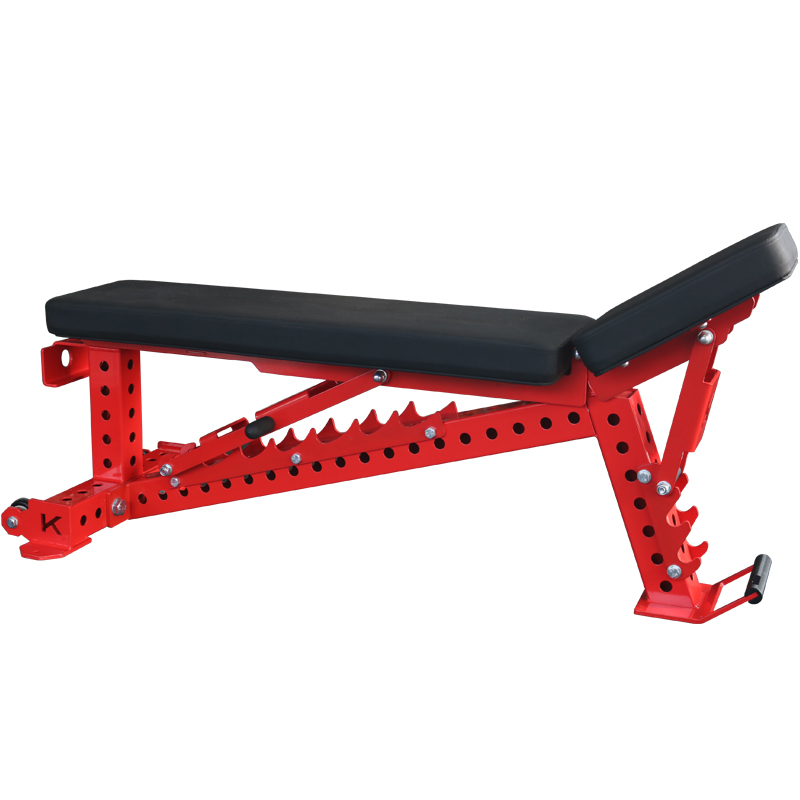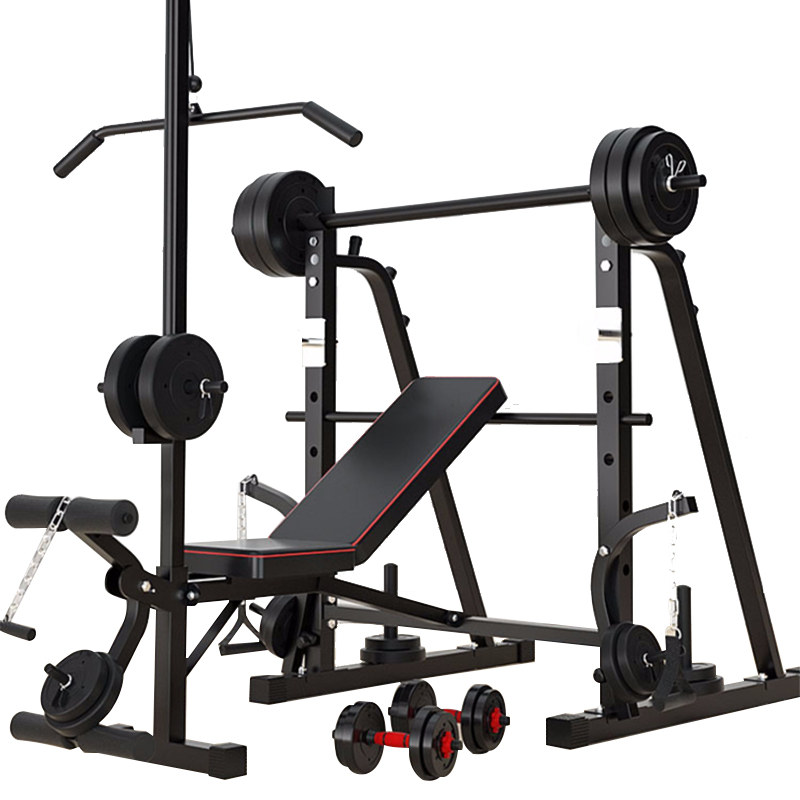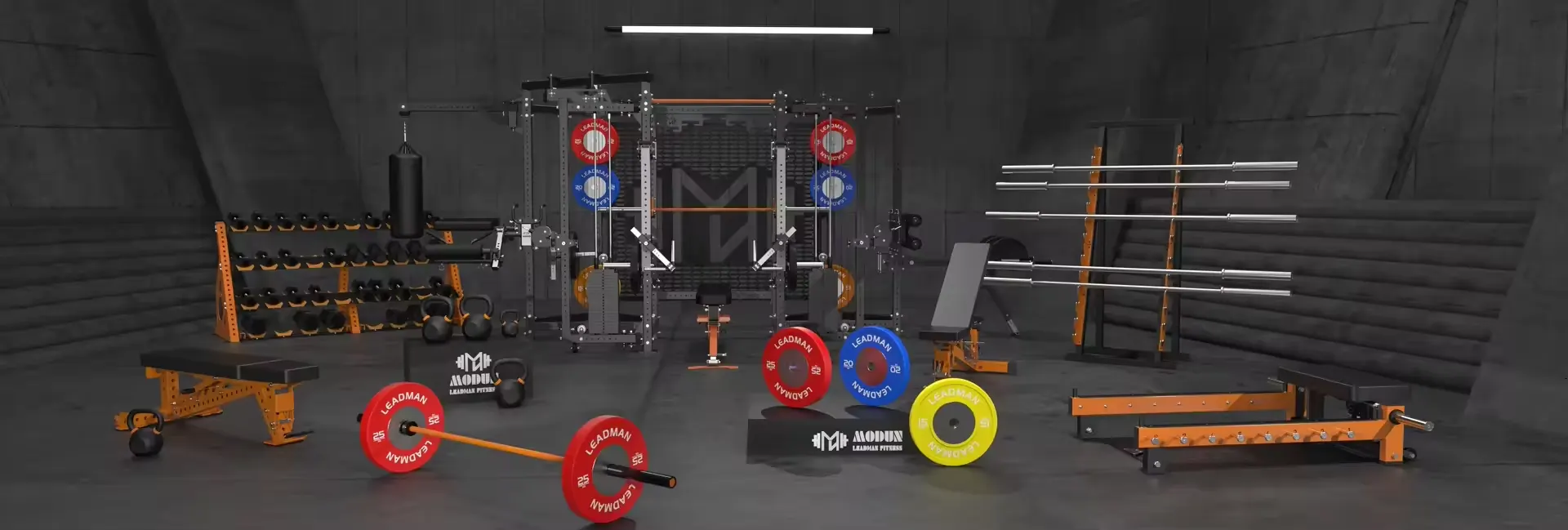
A gym equipment package bundles strength machines, cardio units, racks, benches, bars, plates, flooring, and accessories into a single procurement line item. Unlike ala carte purchasing, a package transfers space planning, equipment matching, delivery coordination, and installation management from buyer to provider. This simplification serves buyers without in-house fitness expertise—hotel managers, property developers, corporate wellness directors, and multi-unit housing operators.
Package quality varies by provider tier. Low-tier packages clear warehouse inventory without usage analysis. Mid-tier packages include basic space planning ensuring equipment fits allocated footprints. Top-tier packages incorporate detailed usage projections: peak-hour member-to-machine ratios, strength profiles determining weight stack selection, and cardio distribution matching facility usage patterns. Professional package designers also standardize plate diameters across all plate-loaded equipment, enabling members to move plates between stations without compatibility checks.
Weight selection within a package must match the target user population. Luxury hotel packages require lighter starting weights and smaller incremental jumps for untrained, infrequent users. Corporate gym packages serving primarily executives need moderate starting weights with progression room. University athletic center packages require heavy stacks and plate-loaded options exceeding 250kg on leg movements. Providers offering identical weight selection across all package tiers lack sufficient user analysis.
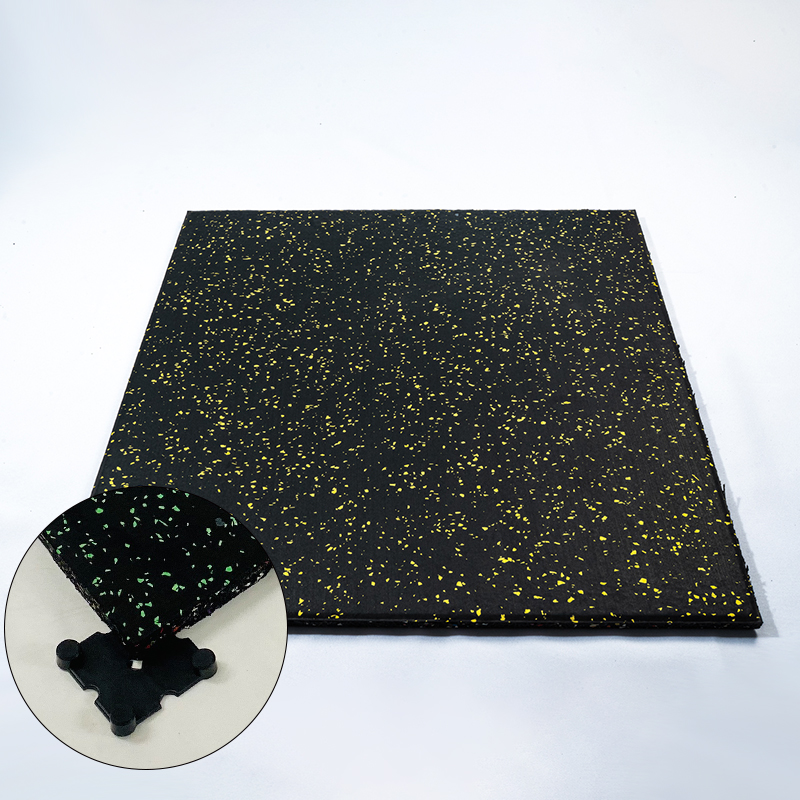
Flooring specifications within packages must match equipment demands. Deadlift platforms require thicker, higher-durometer rubber than selectorized machine zones. A 400kg leg press on 8mm rubber over concrete causes compression set and permanent depressions. Commercial packages require engineered rubber flooring with manufacturer-provided load deflection charts. Providers unable to produce these charts lack flooring qualification.
Installation scope varies significantly. Minimum acceptable packages include delivery to facility entrance and assembly. Higher-tier packages include interior delivery to designated room, anchor bolting for free-standing equipment, flooring installation, mirror placement, and post-installation testing. Top-tier packages include two-day on-site staff orientation covering basic maintenance, adjustment procedures, and safety checks. Buyers must understand installation inclusions before comparing package pricing.
Warranty terms within packages deserve scrutiny. Some providers reduce coverage for package equipment compared to ala carte purchases. The warranty document must explicitly state whether coverage differs. Buyers should also verify coverage includes labor and travel for service calls, not just parts. A parts-only warranty requiring buyer-paid technician installation is functionally worthless for most commercial operators.
Multi-location buyers require specification lock clauses preventing component substitution without approval. Providers who change suppliers or specifications without notice may deliver leg presses with different leverage ratios or plate diameters across locations, creating inconsistent user experiences. Contracts for multi-location packages should require provider notification and buyer approval before any component substitution.

Let our experts design the perfect gym solution for your business. Get a free consultation and quote today.