

Understanding the Engineering Gap: What Makes Commercial Strength Equipment Different
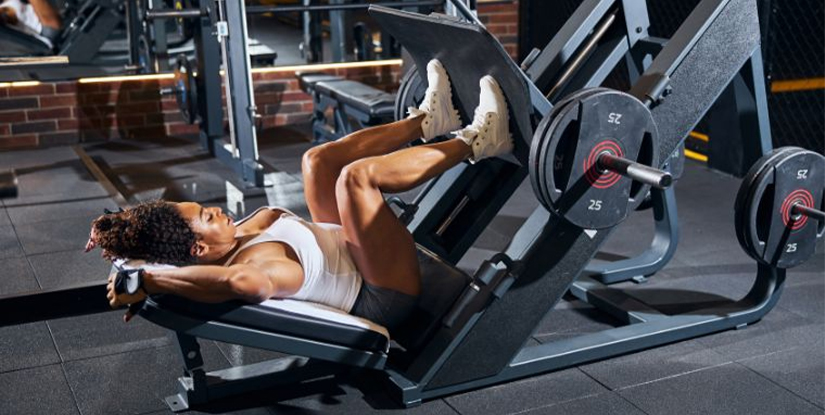
Structural Integrity and Material Selection Standards
Facility operators often face the frustrating reality of equipment failure shortly after deployment, leading to unexpected downtime and replacement costs. This issue is rarely a matter of bad luck; rather, it is a fundamental discrepancy in material selection. While residential-grade items focus on weight-to-cost ratios, commercial-grade equipment is engineered for continuous, high-frequency stress. Understanding the distinction in steel gauges and alloy compositions is the first step in avoiding premature capital depreciation.
Steel Gauge and Wall Thickness Benchmarks
A common failure mode in lower-tier equipment is the use of thin-walled tubing that buckles under lateral stress. Professional-grade machines typically utilize a 11-gauge or even 7-gauge steel construction for heavy-duty frames. When the steel is too thin, even slight oxidation or heavy use can lead to structural warping. Operators should verify the thickness of the tubing to ensure it meets the mechanical load requirements of their specific facility type.
| Component Type | Residential Specification | Commercial Standard | Failure Indicator |
|---|---|---|---|
| Frame Tubing | 14-16 Gauge Steel | 11-7 Gauge Steel | Visible bowing or weld fractures |
| Weight Plate Thickness | Standard thin steel | High-density cast iron/rubber | Plate wobble or uneven stacking |
| Adjustment Pins | Lightweight aluminum | Solid steel with locking mechanism | Bent pins or loose fitment |
Beyond the thickness of the steel, the chemical composition of the metal determines its long-term durability against corrosion. This structural foundation sets the stage for how moving parts and bearings will perform under heavy loads.
Tolerance Levels and Moving Part Precision
The structural rigidity described previously is meaningless if the moving parts lack precision. A recurring pain point for gym managers is the development of 'slop' or 'play' in machines—the rattling sound and loose movement that occurs when components begin to deviate from their intended path. This lack of precision is a direct result of varying manufacturing tolerances between equipment classes.
Bearing Systems and Load Paths
Commercial strength equipment relies on high-grade bearings and precision-machined shafts to maintain smooth kinetic energy transfer. In contrast, budget-friendly versions often use plastic bushings or low-grade bearings that degrade rapidly. When a bearing fails, the resulting friction not only slows the movement but also increases the risk of catastrophic mechanical failure. Operators must observe the smoothness of the motion; any hitch or jerk in a resistance machine indicates a tolerance issue that needs immediate attention.
- Smoothness Check: A machine should move fluidly through its entire range of motion without resistance spikes.
- Noise Profile: Listen for grinding or clicking, which often signals a misalignment in the guide rods or bearing housings.
- Center of Gravity: Precision-engineered machines maintain a consistent center of gravity throughout the lift to prevent uneven wear.
Maintaining this level of precision requires more than just high-quality parts; it requires a rigorous approach to the mechanical components that drive the user experience. This brings us to the necessity of high-performance upholstery and contact points.
Upholstery Composition and Contact Point Longevity
Even the most robust steel frame cannot compensate for poor user-facing components. Many operators find that while the machine remains functional, the aesthetic and tactile quality of the upholstery degrades, leading to a 'cheapened' facility feel. This is often the first sign of a lack of true commercial engineering, as high-use environments demand specific resistance to chemical cleaners and physical abrasion.
Abrasion Resistance and Hygiene Compliance
Commercial upholstery is typically made from high-density, medical-grade vinyl or specialized synthetic leather designed to withstand constant friction and frequent sanitation. A common mistake is purchasing equipment with standard polyurethane foam that easily collapses or tears. Once the foam loses its shape, the user's biomechanics are compromised, often leading to injury. Verification should involve a physical check of the foam density and the seamlessness of the stitching.
| Upholstery Feature | Low-Grade Spec | Commercial Grade Spec | Verification Method |
|---|---|---|---|
| Foam Density | Soft, low-resilience | High-density, high-resilience | Feel for 'bottoming out' under pressure |
| Surface Material | Standard PVC | Reinforced Vinyl/Synthetic Leather | Check for cracks or peeling after cleaning |
| Stitching Integrity | Double-reinforced/Concealed | Look for loose threads or seam separation |
As these contact points undergo constant wear, the internal mechanical systems must continue to provide consistent resistance. The transition from surface durability to kinetic resistance is where high-end engineering truly shines.
Resistance Consistency and Kinetic Smoothness
Whether the resistance is provided by weight stacks, plate loads, or pneumatic systems, the consistency of that resistance is what defines the quality of a professional workout. A common problem in lower-tier machines is 'uneven resistance,' where the load feels heavier at certain points in the repetition. This inconsistency can disrupt a user's training rhythm and potentially cause injury due to sudden changes in momentum.
Weight Stack Alignment and Cable Tension
In selectorized machines, the weight stack must move freely along perfectly vertical guide rods. If the rods are slightly bent or the guide bushings are of poor quality, the stack will rub or catch. This creates a jagged resistance curve. Operators should perform a 'resistance sweep'—moving the weight through its full range multiple times—to ensure the load is constant. If the cable feels 'budgy' or 'jumpy,' the tensioning system or the guide rod integrity is likely compromised.
- Cable Integrity: Inspect cables for fraying or kinking; commercial cables are often aircraft-grade steel with high tensile strength.
- Pulley Efficiency: High-quality pulleys use precision bearings to ensure the cable transitions through the turn without friction.
- Weight Stack Smoothness: Ensure the weight plates do not strike one another unevenly during rapid movements.
Consistent resistance is heavily dependent on the precision of these components, but it is also influenced by the overall stability of the machine's footprint during high-intensity use.
Footprint Stability and Floor Interface Engineering
A machine that is structurally sound but lacks a stable footprint becomes a liability during high-velocity or high-impact exercises. A frequent complaint from professional trainers is 'machine drift'—where the equipment shifts slightly on the floor during use. This is a critical safety issue, particularly for heavy-duty lifting platforms or high-intensity interval training (tubs).
Vibration Dampening and Floor Anchoring
Commercial strength equipment is engineered with specialized footings designed to distribute weight and absorb vibration. This might include heavy-duty rubber leveling feet or integrated weight-distribution plates. A common mistake is neglecting the floor interface, leading to excessive noise and movement. To verify stability, an operator should observe the machine during a heavy set; any detectable rocking or sliding indicates that the footprint or the floor-to-machine connection is insufficient.
Decision Criteria for Floor Setup:
1. Surface Compliance: Is the flooring capable of supporting the static load without excessive deflection?
2. Leveling Accuracy: Are all feet in full contact with the surface? Even a 1mm gap can cause significant vibration.
3. Dampening Layers: Are high-density mats being used to protect both the machine and the facility floor?
Ensuring a stable base is merely one part of the larger equation; the ability to maintain this stability over years of use depends entirely on a structured maintenance and inspection regime.
Maintenance Protocols for Long-Term ROI
The total cost of ownership (TCO) is often a better metric than the initial purchase price. Equipment that is cheaper upfront but requires frequent replacement will ultimately devastate a facility's budget. A proactive maintenance culture is the only way to ensure that the superior engineering of commercial-grade equipment translates into long-term ROI. Without it, even the best machines will eventually succumb to the elements of high-use environments.
Routine Inspection Checklist for Operators
To prevent the common failures mentioned in previous sections, such as 'slop' in the movement or structural fatigue, facility managers should implement a tiered inspection schedule. This prevents small issues from becoming expensive repairs.
| Frequency | Task | What to Look For |
|---|---|---|
| Daily | Visual Check | Loose bolts, torn upholstery, or cable fraying |
| Weekly | Movement Test | Resistance inconsistencies or abnormal noise |
| Monthly | Mechanical Deep-Dive | Bolt torque levels, guide rod lubrication, and foot stability |
| Quarterly | Full Structural Audit | Weld integrity, frame rust, and bearing smoothnes |
By following a structured regimen, you move from a reactive 'fix-it-when-it-breaks' model to a predictive model that maximizes equipment uptime. This operational excellence leads to the final stage: verifying that your procurement decisions were indeed sound.
Verification of Procurement Quality and Final Assessment
Ultimately, the difference between commercial and non-commercial equipment is found in the ability to verify performance through standardized testing and specification sheets. As an operator or buyer, you must look beyond marketing jargon and demand technical evidence of build quality. If a supplier cannot provide specific details on steel gauge, bearing type, or upholstery fire ratings, it is a red flag regarding the overall engineering of the piece.
How to Verify Commercial-Grade Claims
When evaluating a potential purchase, use the following verification steps to ensure the equipment meets the rigorous demands of a professional environment. This ensures you are investing in assets rather than liabilities.
- Ask for Spec Sheets: Demand documentation regarding the steel thickness (gauge) and the tensile strength of the cables.
- Test Under Load: If possible, test the machine at 80% of its rated capacity to observe the resistance curve and structural stability.
- Analyze the Warranty Terms: A true commercial machine will come with a warranty that covers the structural frame for a significantly longer period than consumer-grade items.
- Observe the 'Feel': High-end machines possess a 'weight' and a 'smoothness' that can be felt instantly during a guided demonstration.
Understanding these technical nuances—from the metallurgical composition to the mechanical tolerances—allows you to make procurement decisions that favor long-term stability over short-term savings.