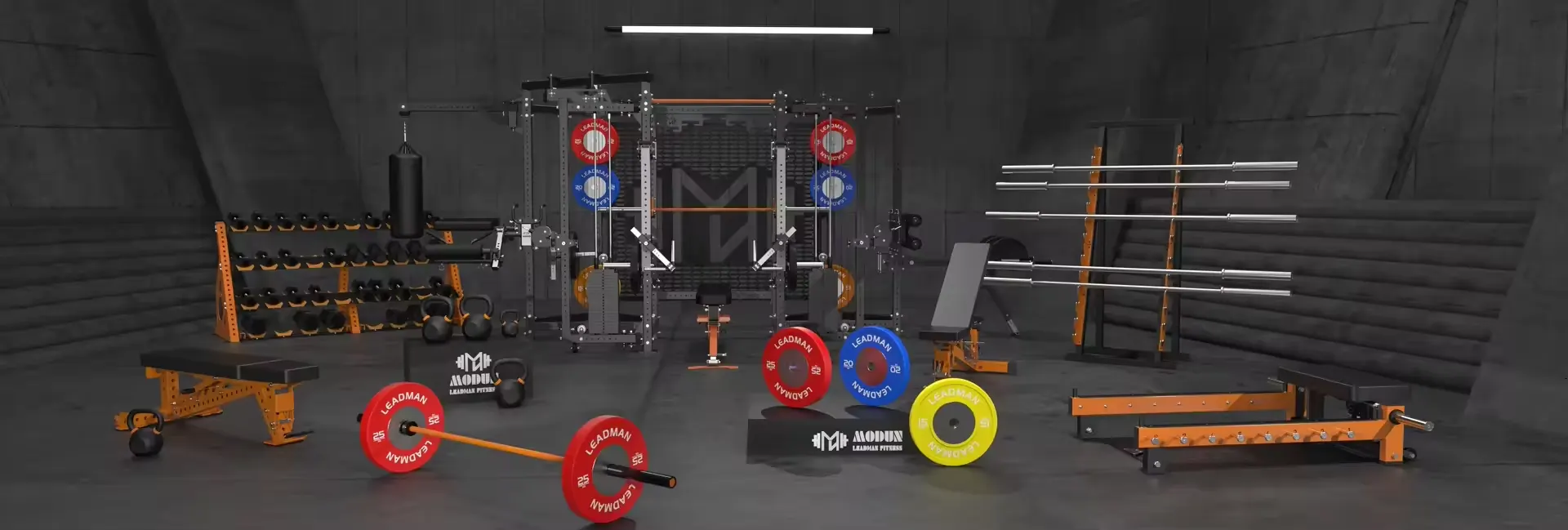
Assembling a comprehensive commercial gym equipment list is the foundational step for any fitness facility aiming to deliver a premium member experience. Far more than a simple inventory, this curation process directly influences member retention, operational efficiency, and the overall brand identity of a gym. A well-structured list balances strength training equipment with cardiovascular machines, functional training zones, and specialized accessories, ensuring every demographic—from beginner to elite athlete—finds value in the space. The strategic selection of commercial fitness equipment also impacts space utilization, requiring careful floor planning to avoid congestion while maximizing revenue-generating floor area.
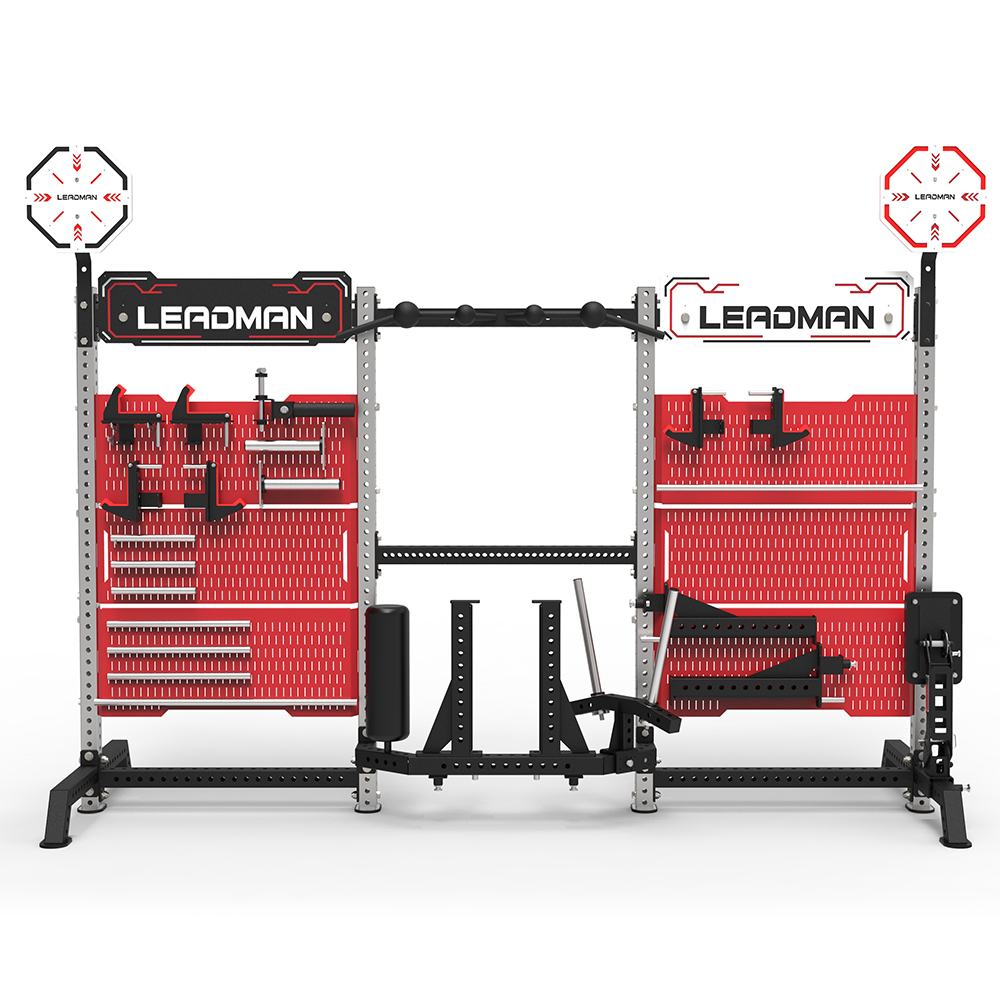
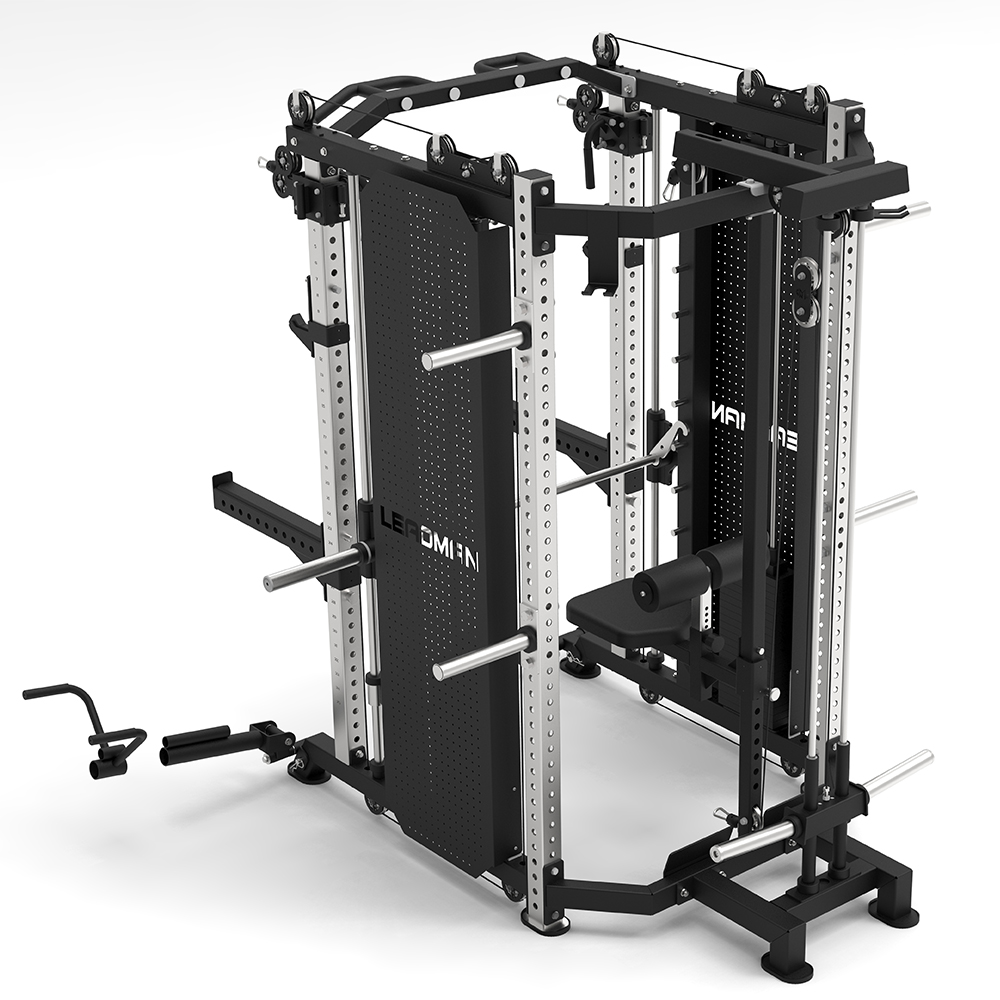
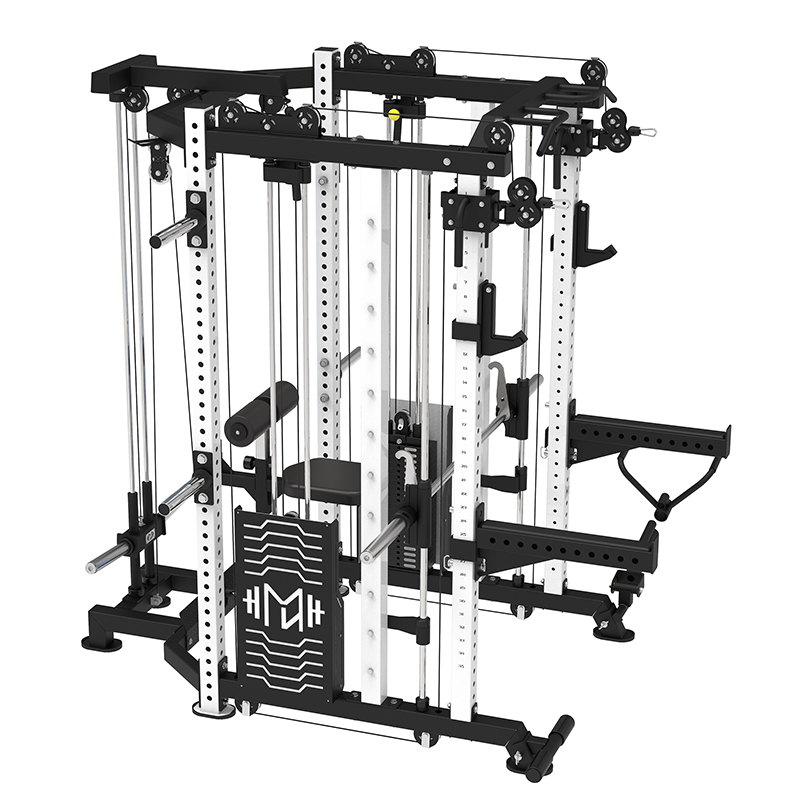
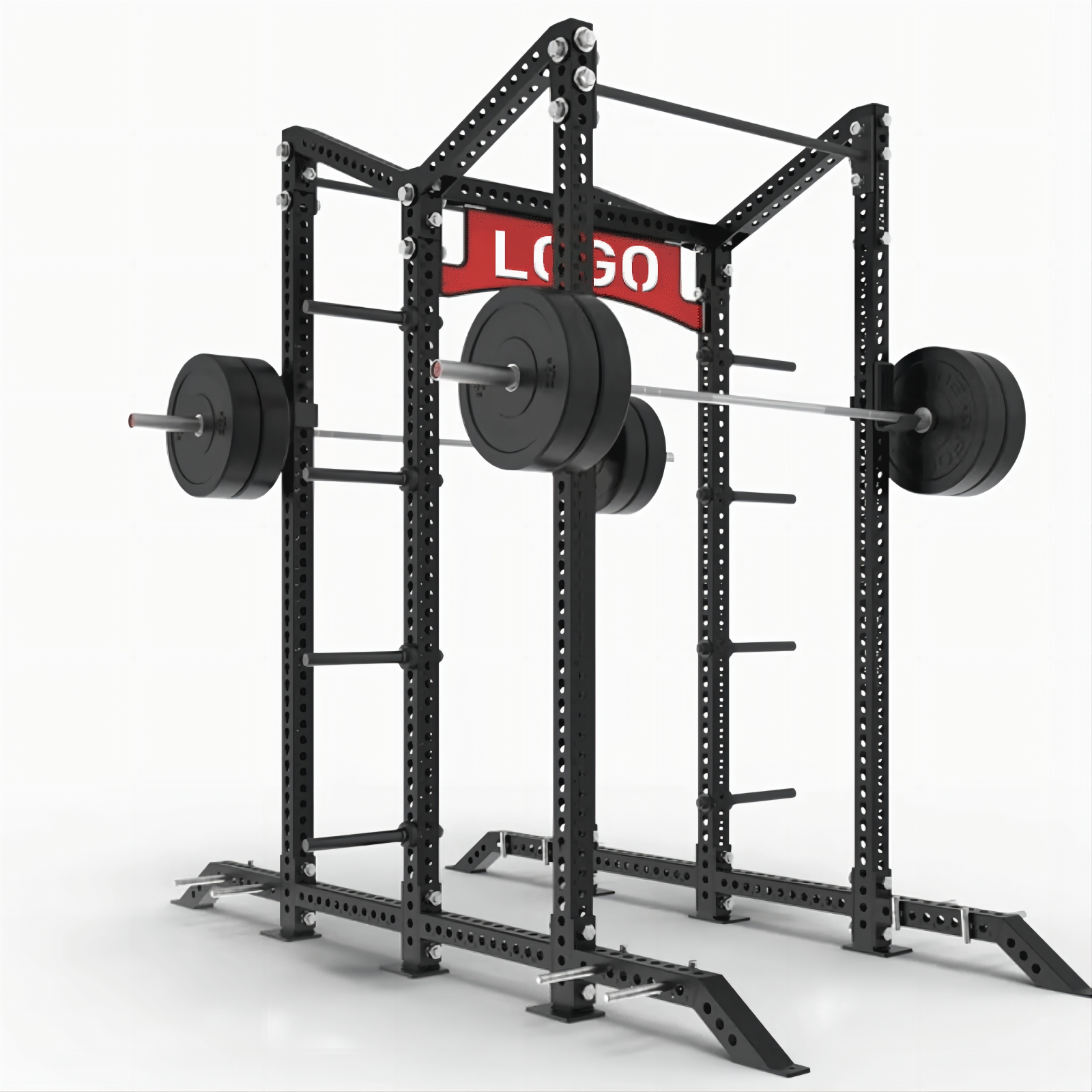
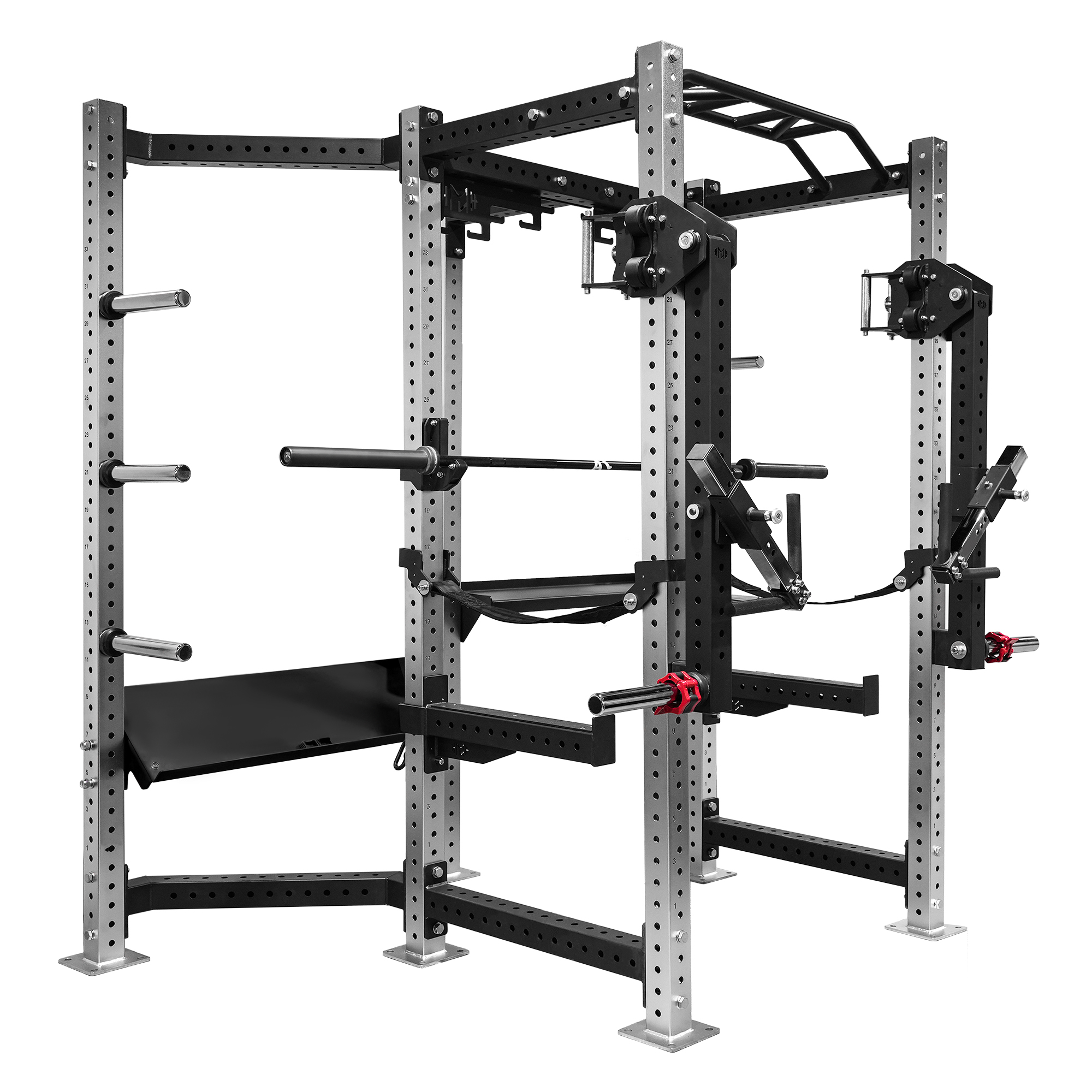
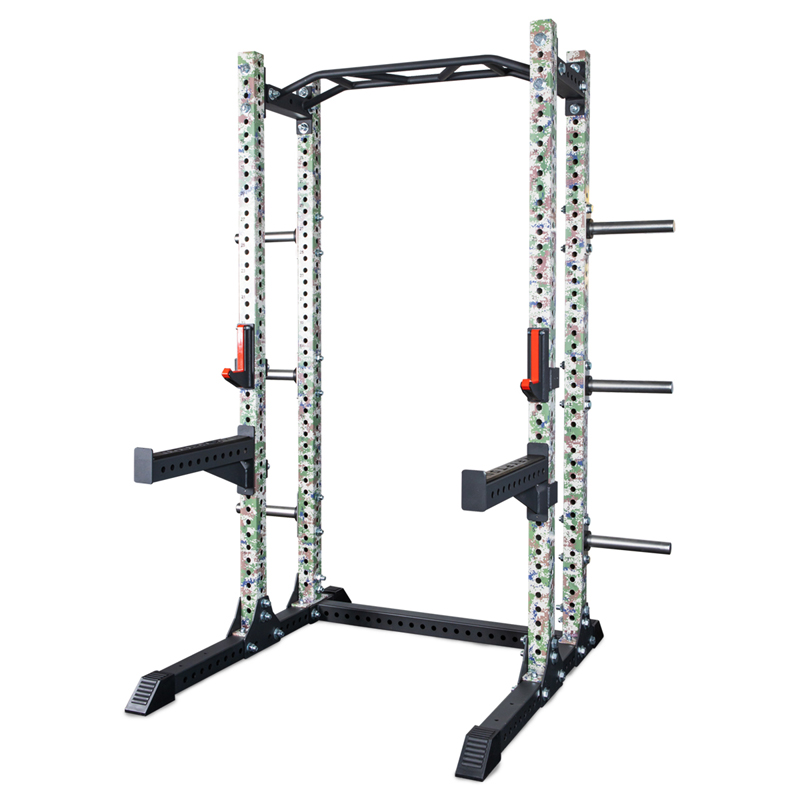
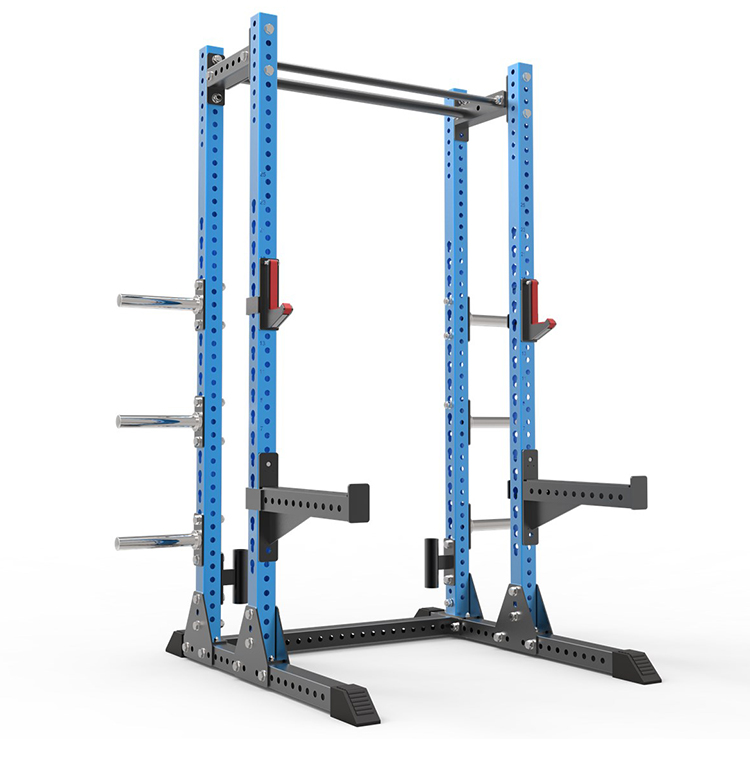
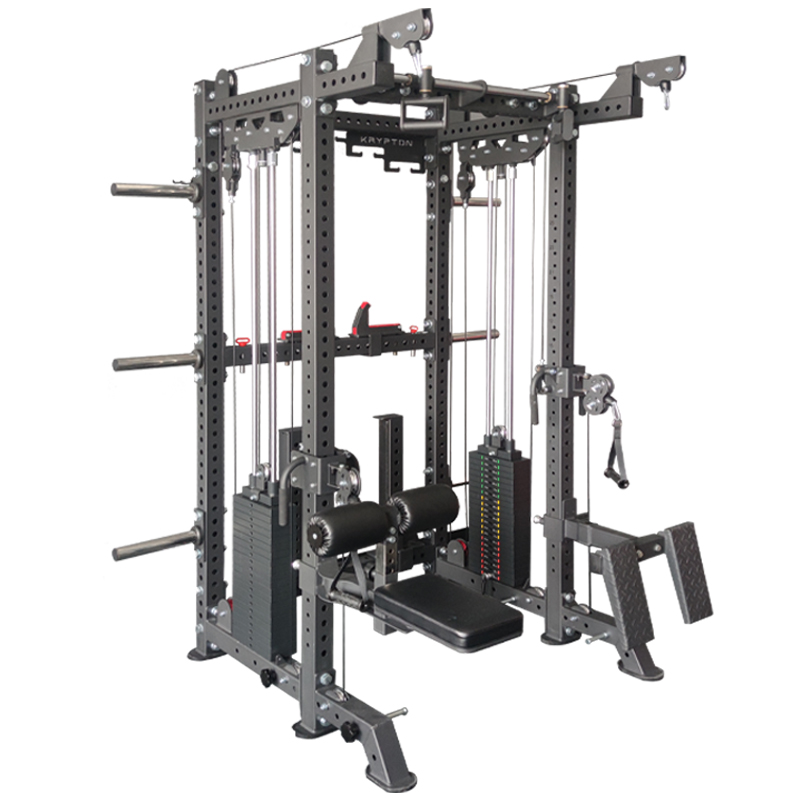
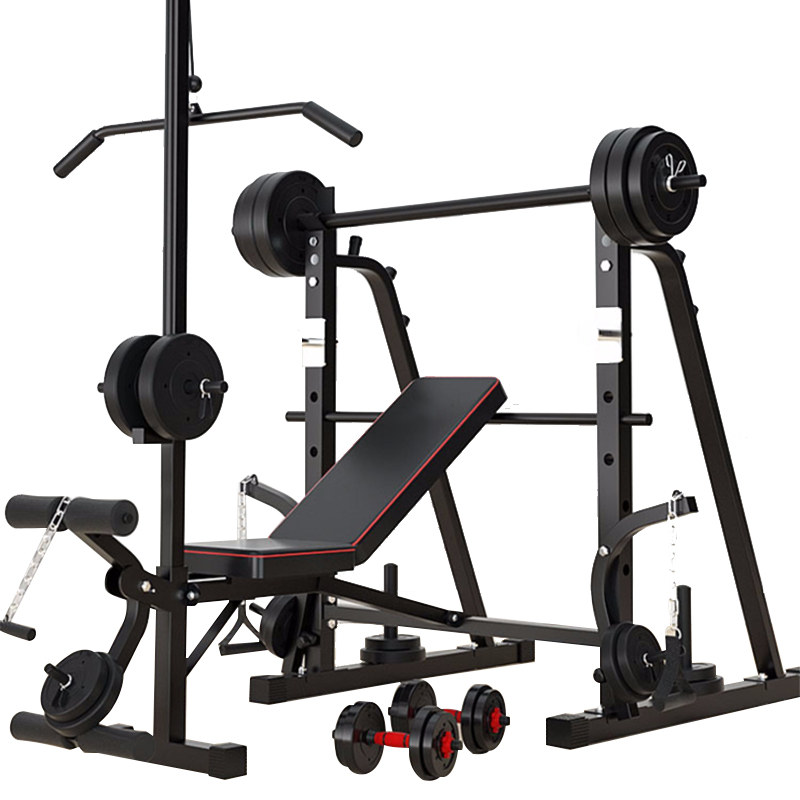
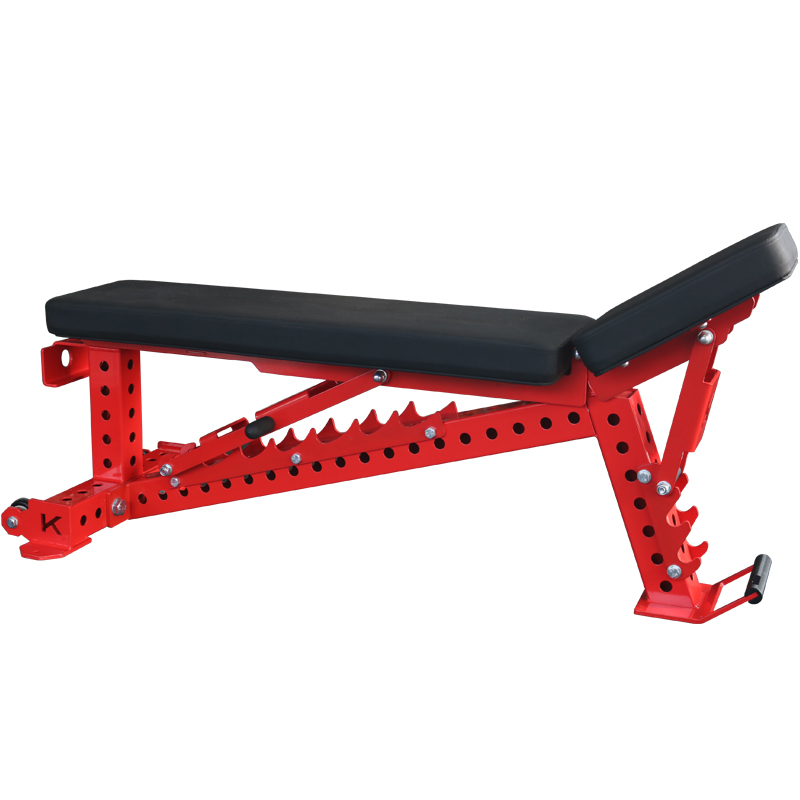
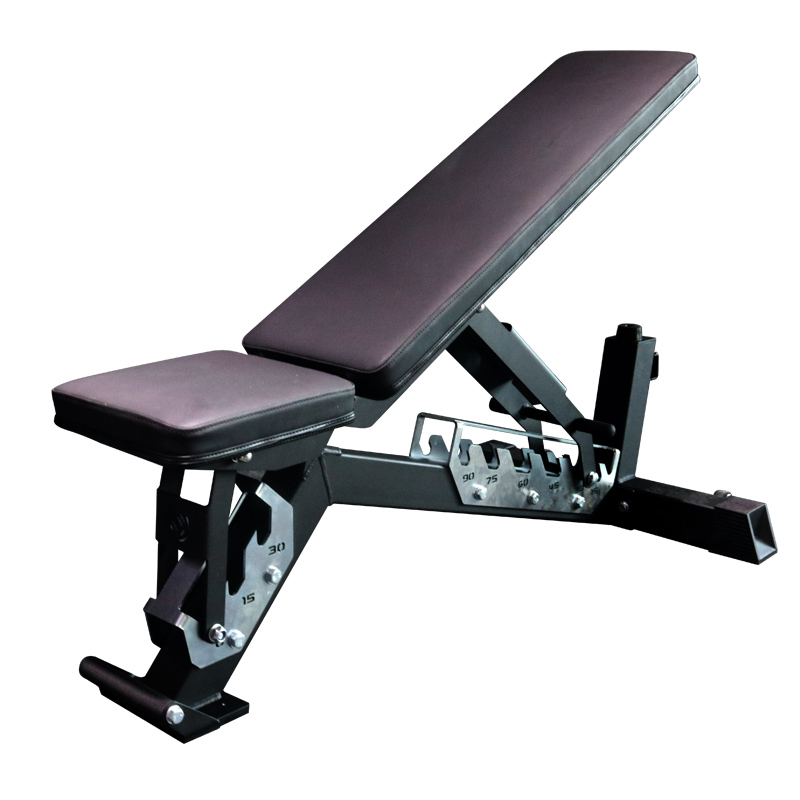
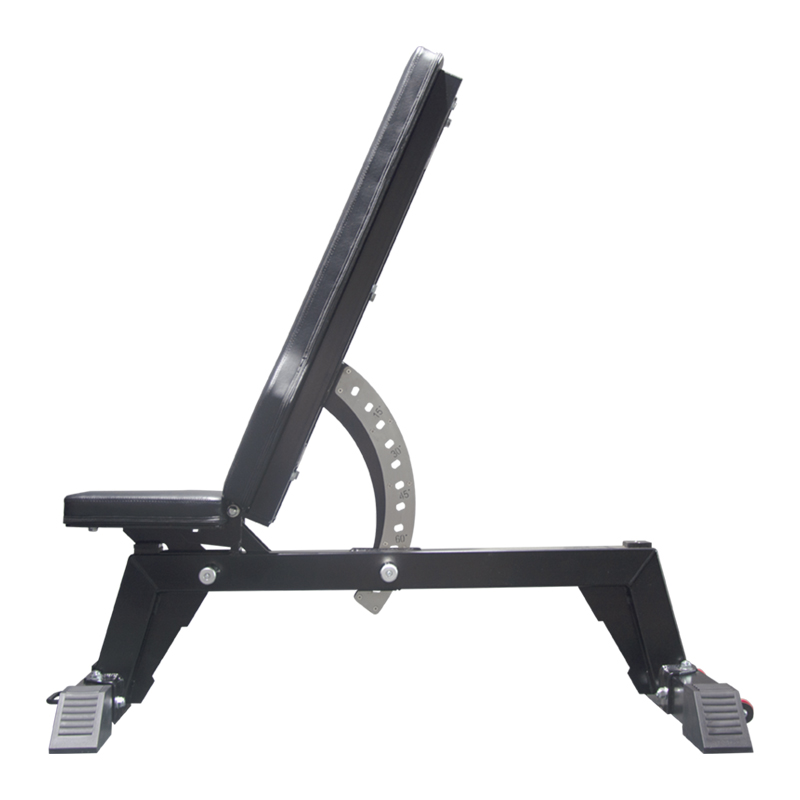
When evaluating gym equipment suppliers, facility owners must consider durability and serviceability as paramount criteria. Commercial-grade machines are engineered with heavier gauge steel, higher-rated bearings, and industrial upholstery designed to withstand 24/7 usage cycles. Key items on any fitness center equipment roster include selectorized machines for controlled isolation movements, free weight racks with Olympic barbells, and plate-loaded stations that appeal to strength enthusiasts. However, the trend towards functional training has elevated the importance of cable crossover systems, turf zones, and modular rigs that allow for endless exercise variations, catering to the growing demand for dynamic, sport-specific conditioning.
Procurement strategies for commercial strength equipment extend beyond initial capital expenditure. Facility managers increasingly prioritize equipment that offers low-maintenance designs, such as sealed bearing joints and powder-coated finishes that resist corrosion in humid environments. Another critical consideration is the integration of digital interfaces—many modern machines now feature built-in performance tracking screens, enabling data-driven workouts and enhancing member engagement through measurable progress metrics. This technological convergence represents a significant shift in how wholesale gym equipment is specified, with buyers demanding both mechanical robustness and smart functionality in a single package.
The financial modeling of equipment acquisition often involves comparing lease options against outright purchases, with many operators choosing flexible financing to preserve working capital for operational expenses. Industry benchmarks suggest allocating between 15% and 25% of total startup budget to equipment, with ongoing annual maintenance costs averaging 5-8% of the initial investment. A strategic commercial gym equipment list also accounts for future scalability—modular systems allow easy expansion without replacing core infrastructure, protecting the investment as facility needs evolve. Additionally, supplier partnerships that include free preventive maintenance visits, rapid parts replacement, and technical support significantly enhance long-term value, transforming equipment providers into strategic allies rather than mere vendors.

Let our experts design the perfect gym solution for your business. Get a free consultation and quote today.