

The Best Functional Fitness Equipment for Commercial Gyms
Market Dynamics and Procurement Risks in Functional Training
The shift toward high-intensity interval training (HIIT) and metabolic conditioning has fundamentally altered the capital expenditure profile for modern fitness facilities. While traditional resistance machines offer predictable wear patterns, the best functional fitness equipment for commercial gyms often involves complex, multi-planar movement patterns that place unique stresses on both the user and the machine. Operators frequently face the problem of rapid depreciation and unexpected downtime due to the high-impact nature of functional movements. This is often caused by selecting equipment that lacks the structural integrity required for high-volume, high-intensity commercial use.
To mitigate these risks, procurement decisions must move beyond aesthetic appeal and focus on the mechanical durability of the apparatus. A common failure mode in new facilities is the purchase of 'consumer-grade' functional tools—such as lightweight kettlebells or non-reinforced sleds—that cannot withstand the rigor of a commercial environment. To verify the quality of a potential purchase, operators should request technical specifications regarding steel gauge thickness and bearing types. Once the procurement framework is established, understanding the specific requirements for different categories of equipment becomes the essential next step.
The Cost of Under-Specification
Selecting equipment with insufficient load capacities leads to more than just broken parts; it leads to systemic operational inefficiencies. When a central piece of equipment, such as a rig or a functional trainer, goes out of service, it creates a bottleneck in the gym floor flow. This structural downtime is a direct result of failing to account for the 'dynamic load'—the force exerted during explosive movements which far exceeds the static weight of the plates.
| Equipment Type | Typical Failure Mode | Mitigation Strategy |
|---|---|---|
| Rig/Rack Systems | Weld fracture at high-stress joints | Verify structural load ratings and weld quality certifications. |
| Sleds/Push-Pull | Bearing seizure or rail misalignment | Select models with heavy-duty, sealed industrial bearings. |
| Suspension Trainers | Anchor point fatigue or strap fraying | Ensure load-bearing walls are reinforced and inspect straps weekly. |
By prioritizing structural integrity over initial purchase price, operators can achieve a much higher return on investment through extended lifecycles. This foundational understanding of equipment durability leads directly into the specialized requirements for strength-based functional tools.
Durability Standards for High-Impact Strength Equipment
Building on the necessity of high-grade materials, the strength segment of functional fitness requires even more stringent oversight. The primary problem encountered by gym managers is the 'rattle effect'—where equipment becomes loose or noisy due to repeated impact. This is caused by poor tolerance levels in the assembly and a lack of heavy-duty fastening systems. A vibrating or rattling rig is not just a nuisance; it is a sign of impending structural fatigue.
To prevent this, operators must demand equipment that utilizes high-tensile steel and specialized coatings. For example, when sourcing barbells and bumper plates, the metal composition and the density of the rubber are critical. If the density is too low, the plates will deform under repeated drops, leading to uneven weight distribution and potential injury. Verification of this quality can be done by inspecting the 'rebound' characteristic of the plates during a controlled drop test.
Material Selection for Longevity
When auditing your inventory, use the following technical benchmarks to ensure you are purchasing professional-grade assets:
- Steel Gauge: For commercial rigs, a minimum of 11-gauge steel is the industry benchmark for stability and long-term resistance to bending.
- Powder Coating: Ensure coatings are resistant to high-friction environments and sweat acidity to prevent rust and chipping.
- Bearing Quality: Machines with moving parts should feature high-grade ball bearings rather than simple bushings to ensure smooth, consistent resistance under heavy loads.
Selecting the right materials ensures that the equipment maintains its performance over years of heavy use. However, even the highest quality metal components require a structured oversight process to maintain their integrity, which brings us to the importance of routine maintenance.
Explore the complete technical specifications:
Functional Patterns Workout: Principles, Exercises, and Programming
Operational Maintenance Protocols for Functional Zones
The durability of the best functional fitness equipment for commercial gyms is only as good as the maintenance regimen supporting it. A common mistake among facility managers is treating functional zones as 'set-and-forget' areas. Unlike stationary cardio machines, functional equipment like sleds, ropes, and rigs undergo highly irregular stress patterns that require a more nuanced inspection cadence.
The cause of most functional equipment failure is not the initial build, but the cumulative effect of unaddressed wear. For instance, a slightly loose bolt in a power rack can, over time, create a harmonic vibration that eventually compromises the entire structure. To fix this, operators must implement a tiered maintenance schedule that separates daily visual inspections from monthly mechanical deep-dives.
Recommended Inspection Cadence
| Interval | Action Item | Verification Method |
|---|---|---|
| Daily | Visual check for loose bolts, torn straps, or surface damage. | Physical walk-through by floor staff. |
| Weekly | Functional testing of moving parts (e.g., sled rails, cable paths). | Manual movement through full range of motion. |
| Monthly | Torque testing on all structural fasteners and weld inspection. | Use of a calibrated torque wrench and flashlight inspection. |
| Quarterly | Deep cleaning of bearings and lubrication of all friction points. | Observe for smoothness and absence of friction noise. |
A documented maintenance log serves as both a tool for prevention and a record for liability protection. While regular maintenance preserves the equipment, the layout and spacing of these items are what ultimately ensure the safety of the users.
Optimizing Facility Layout and Safety Clearances
While maintaining equipment is vital, the physical placement of functional tools within the gym floor is a separate, critical safety concern. The problem often seen in crowded facilities is 'collision-prone zoning,' where high-velocity movements overlap with stationary lifting zones. This is caused by a lack of a dedicated 'dynamic footprint' during the initial floor planning phase.
To prevent accidents, operators must define the maximum operational diameter for each piece of equipment. A person using a battle rope or a medicine ball throw occupies more space than their body width suggests. The fix is to implement a mandatory buffer zone around all functional stations. To verify that your layout is safe, use the 'shadow method': trace the furthest reach of an athlete during their most explosive movement and ensure no other equipment or person enters that shadow.
Common Layout Mistakes to Avoid
A successful layout strategy must address these three frequent errors during the design phase:
- Overlapping Dynamic Zones: Placing a heavy sled track too close to a weight bench or a high-traffic walkway.
- Insufficient Ceiling Height: Failing to account for the vertical reach of jump ropeers, overhead climbers, or kettlebell swings.
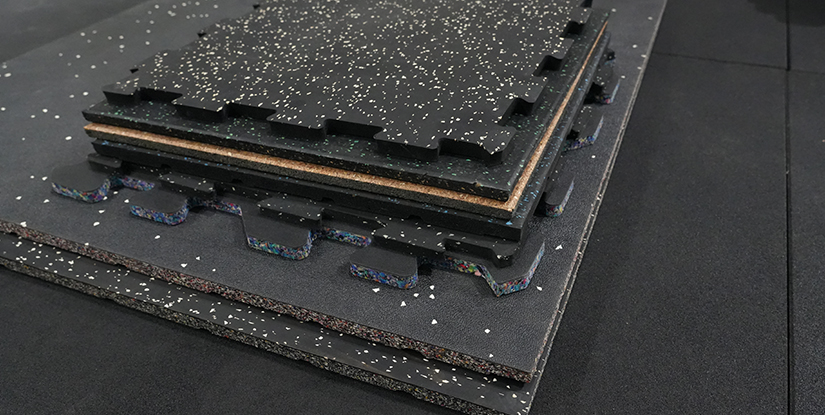
- Poor Flooring Transition: Moving from a high-impact rubber mat to a low-traction surface near a high-intensity zone, which can cause trips.
Proper zoning ensures that the high-intensity nature of functional training does not compromise the safety of the broader gym population. This leads us to the final considerations regarding long-term value and equipment evolution.
Lifecycle Management and Future-Proofing the Gym
As part of a comprehensive strategy, understanding the lifecycle of the best functional fitness equipment for commercial gyms is essential for long-term profitability. The industry moves quickly, and what is considered cutting-edge today may be obsolete or physically worn out in three years. The problem is that many operators fail to budget for the replacement of high-wear items, leading to a gradual decline in facility quality.
To future-proof a facility, one must look for modularity. A modular rig system, for example, allows you to add attachments (like dip bars, pull-up bars, or landmines) as your training programs evolve without needing to purchase a new structure. This adaptability reduces the total cost of ownership over time. When evaluating the long-term value, always weigh the cost of a modular, high-grade system against the frequent replacement costs of a cheaper, static alternative.
Strategic Investment Summary
Ultimately, the goal is to transition from a reactive 'repair' mindset to a proactive 'asset management' mindset. This means viewing your functional equipment not as a one-time expense, but as a long-term operational asset that requires continuous investment in both quality and care.
- Phase 1: Focus on structural density and high-grade materials.
- Phase 2: Implement rigid maintenance and inspection protocols.
- Phase 3: Optimize layout for safe, high-intensity movement.
- Phase 4: Plan for modular upgrades to stay current with industry trends.
By adhering to these professional standards, commercial gym operators can provide a world-class functional training experience that is both safe and highly profitable.