Functional Patterns has emerged as a distinct paradigm in the fitness industry, challenging the traditional machine-based and split-routine approaches with a philosophy grounded in human biomechanics and real-world movement efficiency. The functional patterns workout emphasises multi-planar, integrated movement sequences that train the body as a unified system rather than isolating individual muscles. This methodology prioritises gait mechanics, rotational power, and force transmission through fascial slings—concepts largely ignored by conventional bodybuilding protocols, yet essential for athletic performance, injury prevention, and everyday functional capacity.
The biomechanical foundation of functional patterns training diverges from traditional strength programming through its focus on spiral and contralateral loading patterns. Unlike sagittal-plane dominance common in conventional gym programming, the functional patterns approach systematically addresses frontal and transverse planes, incorporating functional exercise variations such as rotational lunges, diagonal chops, and contralateral reaches. This multi-dimensional training stimulates proprioceptive adaptation across multiple joint axes, developing movement competency that transfers to athletic activities—running, throwing, striking—more effectively than isolated joint movements. Research indicates that integrated movement patterns improve inter-muscular coordination, reducing force leak and enhancing power output in sport-specific contexts.
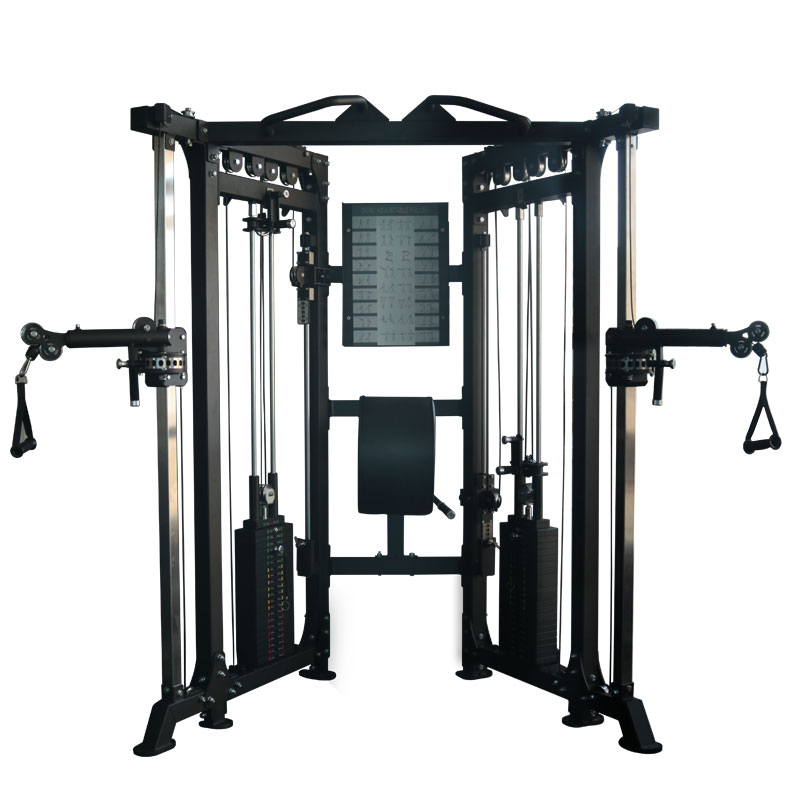
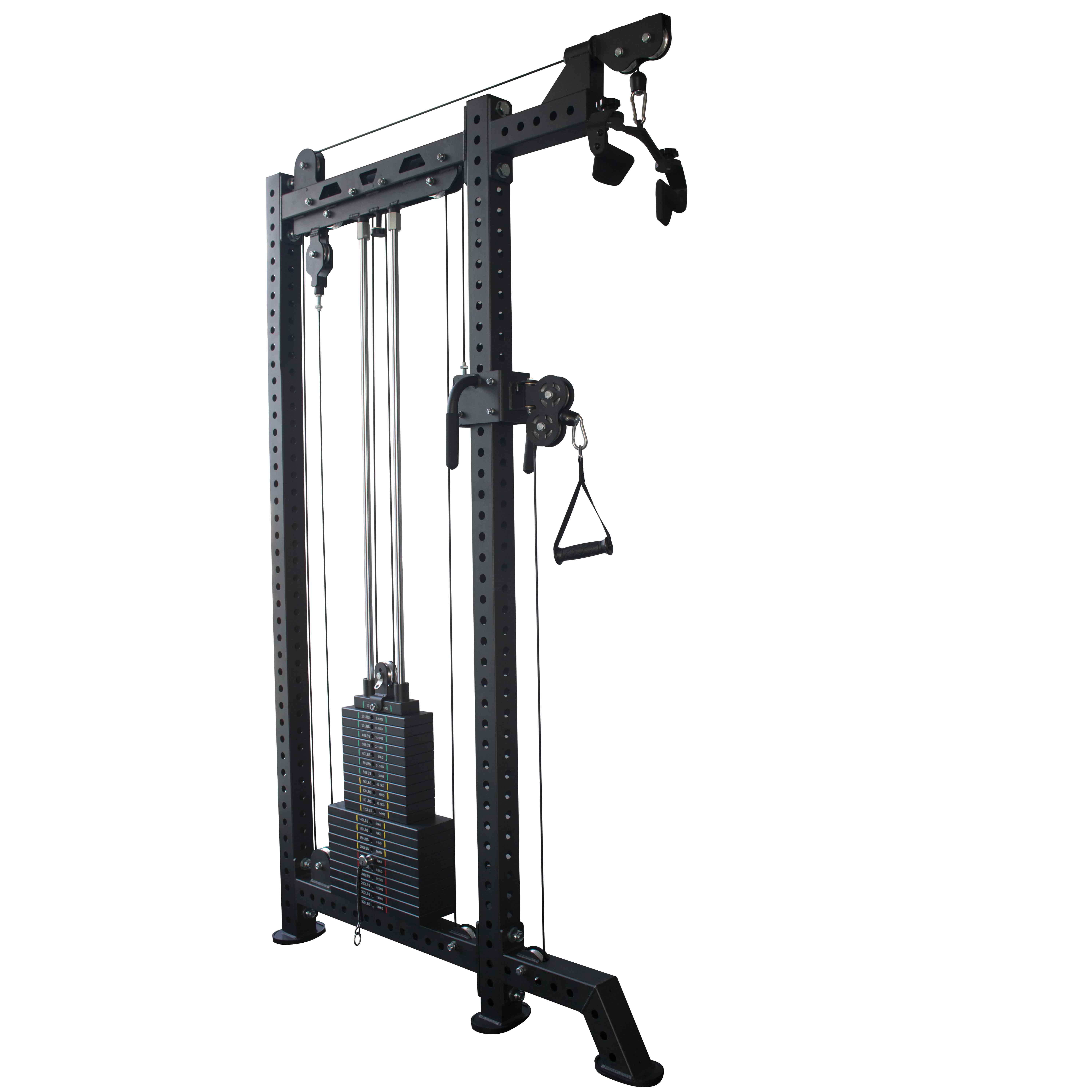
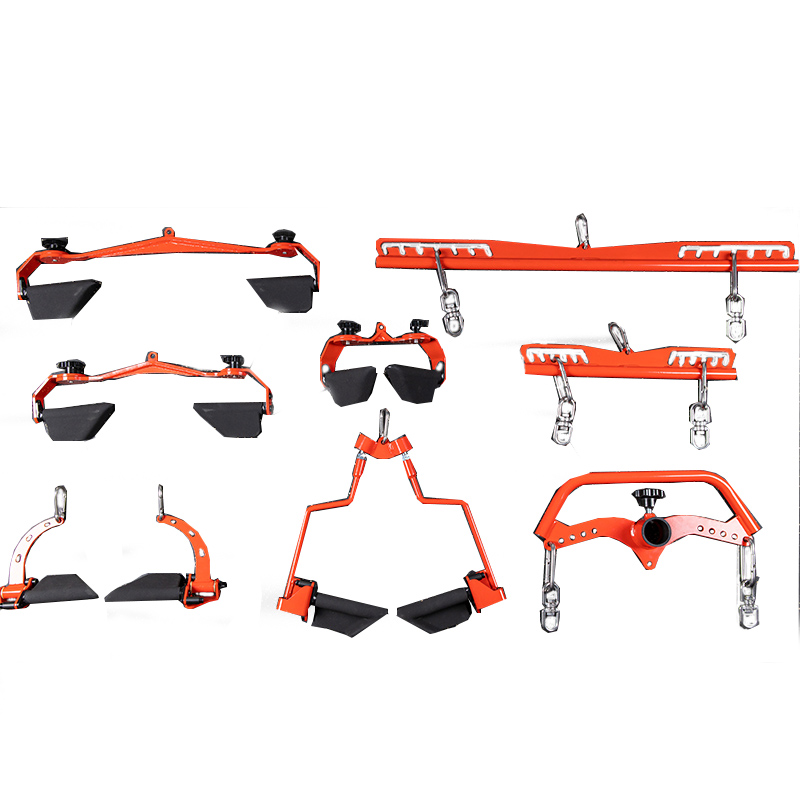
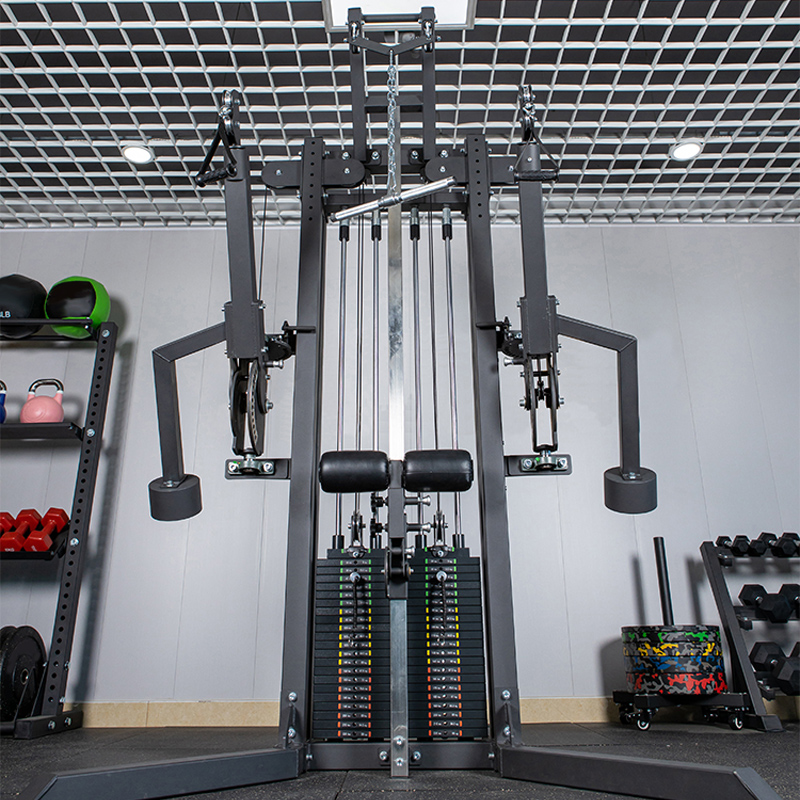
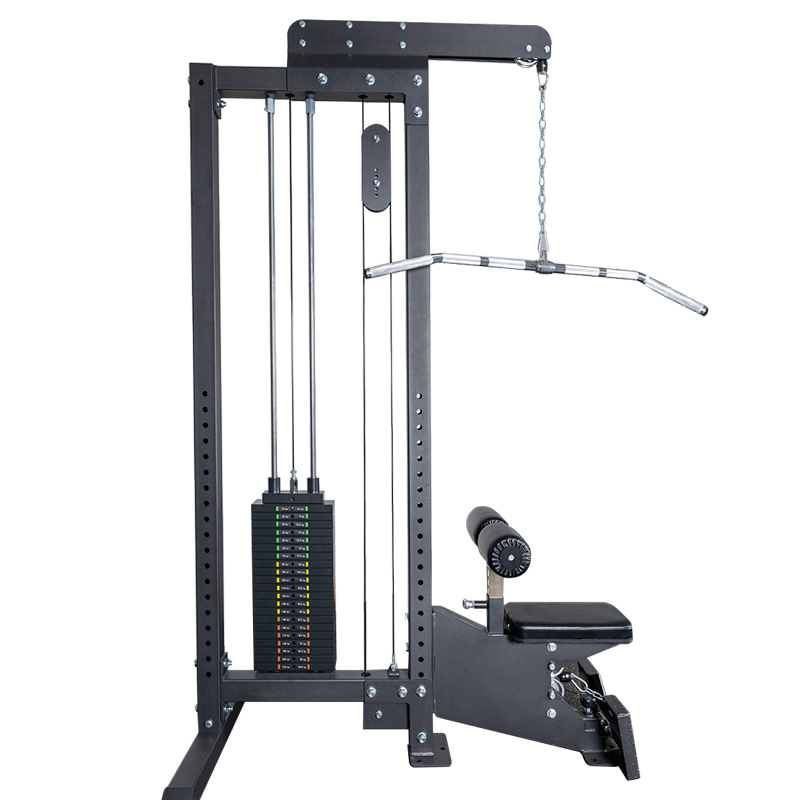
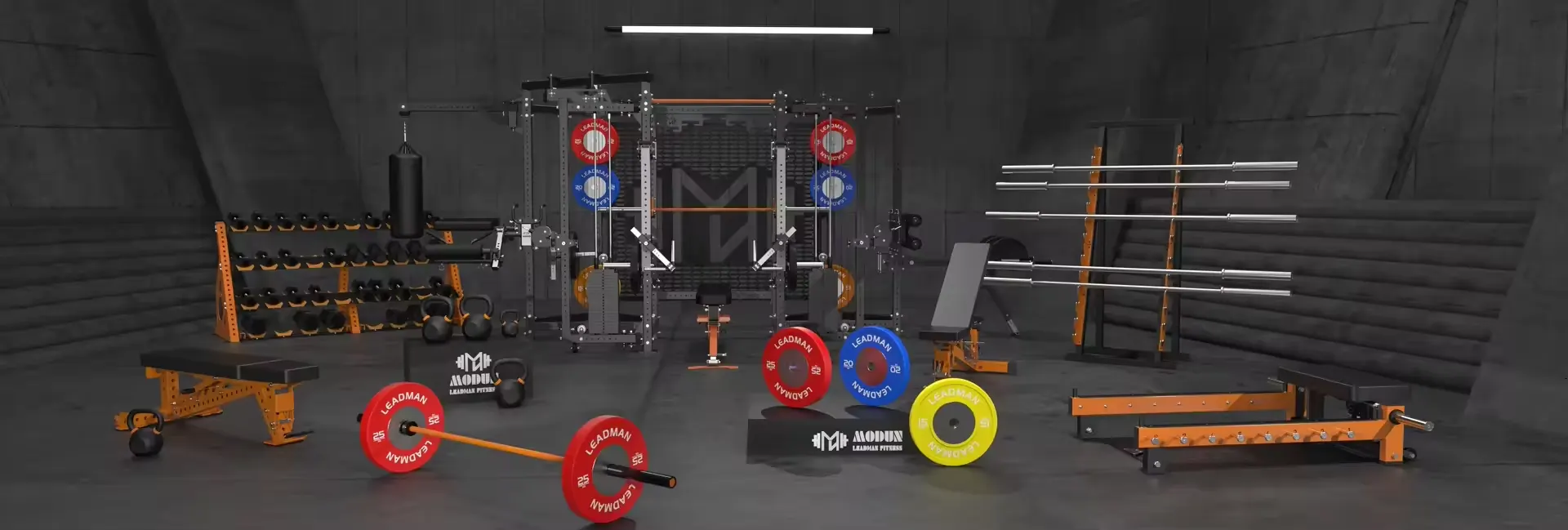
A typical functional patterns workout eschews traditional straight-line resistance in favour of asymmetrical loading and variable resistance profiles. Exercises such as the rotational deadlift, single-leg Romanian deadlift with contralateral reach, and standing cable rotations with spinal articulation dominate the session structure. Protocols incorporate unstable surface elements and unpredictable load vectors, maximising stabiliser recruitment and neuromuscular adaptation. Facilities design dedicated zones with cable columns, landmine stations, suspension trainers, and medicine balls for implementation. The workout's "moving the body, not just moving weights" principle ensures each exercise challenges coordination and body awareness, delivering transformative functional capacity improvements.
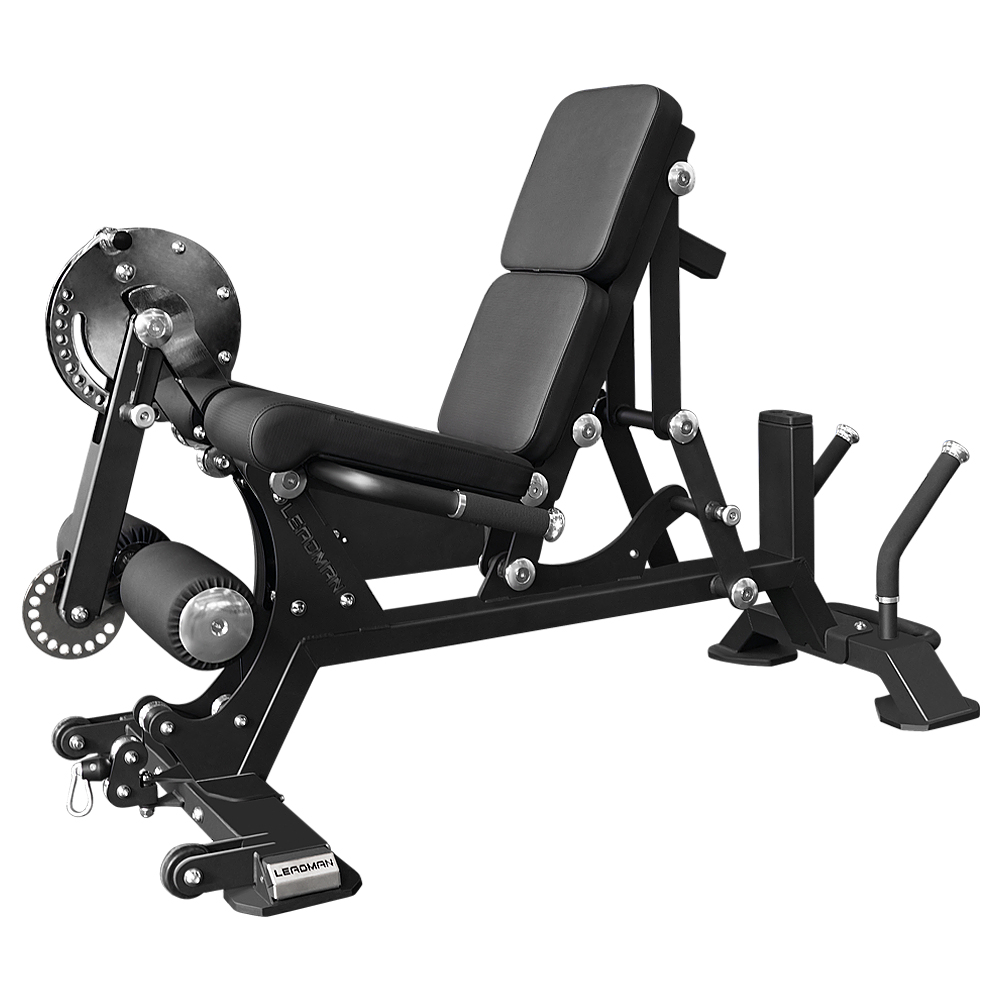
Commercial gyms increasingly incorporate functional patterns zones to satisfy evolving member expectations for holistic, integrated programming. The required infrastructure—functional trainers, cable crossover stations, turf zones, open space for rotational drills—represents significant capital but enhances facility differentiation and member retention. Training a 30-person class demands space allocation of 15–20 square metres per participant and qualified instructors skilled in movement assessment and correction. As the functional fitness movement continues evolving, facilities that integrate these principles position themselves at the forefront of evidence-based training delivery, attracting members seeking sustainable, performance-driven fitness solutions that bridge gym performance and functional longevity.

Let our experts design the perfect gym solution for your business. Get a free consultation and quote today.