

Understanding Strength Training Equipment Manufacturers: A Technical Production Guide
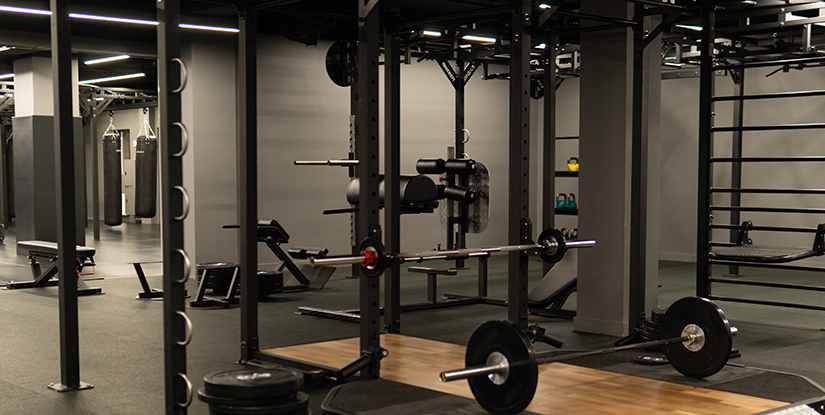
The Lifecycle of High-Performance Fitness Hardware
The journey of a piece of strength equipment begins long before it reaches a gym floor. For procurement professionals and facility operators, understanding the lifecycle of these assets is critical for calculating total cost of ownership and ensuring long-term safety. The process starts with rigorous conceptual engineering, moves through material selection and precision fabrication, and concludes with assembly and rigorous quality testing. A failure to understand this lifecycle often leads to premature mechanical failure or unexpected maintenance costs.
A well-designed piece of equipment follows a predictable trajectory: design specification, raw material procurement, metal fabrication, component manufacturing, assembly, and finally, the deployment phase. By recognizing where a manufacturer sits within this value chain, buyers can better assess the quality of the final output. This technical overview will detail the complexities of the production process to provide a benchmark for your next procurement cycle.
Material Selection and Raw Input Standards
Before a single cut is made, the quality of the output is dictated by the caliber of the raw inputs. Strength training equipment must withstand high-impact loads and constant repetitive stress, making material selection a foundational technical hurdle. Choosing inferior steel or substandard coatings can lead to structural fatigue and aesthetic degradation within months of use.
Steel Grade and Tubing Specifications
Most high-end manufacturers utilize carbon steel for the primary chassis of machines and racks. The gauge of the steel—the thickness of the wall—is a primary indicator of durability. A common mistake is failing to verify the wall thickness of the steel tubing, which can lead to buckling under heavy weight. Professional-grade equipment typically utilizes heavy-gauge steel to ensure structural integrity during high-intensity lifting.
Urethane vs. Rubber Component Selection
The choice between urethane and rubber for weight plates or bumper coatings is a significant decision point for operators. While rubber is more cost-effective, urethane offers superior durability and resistance to environmental degradation. Below, we outline the typical characteristics of these materials to assist in procurement decisions.
| Material Property | Urethane Components | Rubber Components |
|---|---|---|
| Durability/Lifespan | Exceptional; resistant to cracking | Moderate; prone to degradation |
| Impact Absorption | High; maintains shape | Very High; absorbs shock well |
| Odor Profile | Low/Neutral | Often strong chemical odor |
| Cost Factor | Higher initial investment | Lower initial investment |
Selecting the right raw materials establishes the baseline for mechanical longevity. Once the material standards are set, the focus shifts to the transformative processes that give the metal its shape.
Precision Fabrication and Structural Integrity
Once the raw materials are sourced, the fabrication stage begins, where the raw steel is transformed into the structural components of the machine. This phase is where the structural engineering is brought to life through cutting, bending, and welding. Errors in this stage are often catastrophic, resulting in machines that are unlevel or structurally unsound.
CNC Cutting and Bending Accuracy
Modern manufacturing relies heavily on Computer Numerical Control (CNC) technology to ensure consistency. CNC plasma or laser cutting must be used to achieve high-precision edges. If the cuts are imprecise, the subsequent welding processes will suffer, leading to weak points in the frame. Bending machines must also adhere to strict tolerances to ensure that every component aligns perfectly during assembly.
The Role of Advanced Welding Techniques
Welding is perhaps the most critical step in the fabrication of strength equipment. A weak weld is a significant failure mode that can lead to sudden structural collapse. Manufacturers often employ MIG (Metal Inert Gas) welding for its consistency and strength in steel fabrication. A professional buyer should look for evidence of full-penetration welds rather than surface-level aesthetics.
- Common Defect: Porosity in welds, which creates microscopic holes and weakens the joint.
- Verification Method: Visual inspection for smooth, continuous beads and checking for undercut or slag.
The precision of these mechanical bonds dictates how the machine will behave under heavy load. Once the skeleton of the machine is perfected, the manufacturer must address the surface and the moving parts.
Explore the complete technical specifications:
Surface Finishing and Corrosion Resistance
A steel frame is highly susceptible to oxidation and corrosion, especially in humid gym environments. Therefore, the finishing process is not merely an aesthetic choice but a functional requirement for longevity. Effective coating methods protect the metal and provide the durability needed for heavy-duty use.
Powder Coating vs. Liquid Painting
Powder coating is the industry standard for commercial strength training equipment. Unlike liquid paint, powder coating involves applying a dry powder that is then cured under heat to create a hard, durable skin. This process provides much better resistance to scratches, impacts, and chemical cleaners.
Electrostatic Application Standards
The application of the coating must be uniform. Inconsistent thickness can lead to uneven weight distribution or areas where the metal remains unprotected. A common failure mode is "orange peel" texture or thin spots that allow moisture to reach the substrate. A professional should verify that the finish is smooth and uniform across all edges and joints.
| Finish Type | Pros | Cons |
|---|---|---|
| Powder Coating | Highly durable, chemical resistant | Higher cost, longer curing time |
| Liquid Paint | Lower cost, faster application | Prone to chipping and peeling |
| Chrome Plating | Premium aesthetics, easy to clean | Can peel if improperly applied |
A high-quality finish protects the structural integrity established during fabrication. This protection must extend to the internal moving parts and bearings to ensure smooth operation.
Explore the complete technical specifications:
Mechanical Integration and Component Engineering
After the frame is coated, the manufacturer integrates the complex moving parts, such as cables, pulleys, bearings, and weight stacks. This stage is where the "feel" of the machine is determined. If the mechanical integration is poor, the user will experience friction, jerky movements, or uneven resistance.
Bearing and Pulley System Optimization
The smooth movement of a cable machine depends heavily on the quality of the bearings and pulleys. High-quality manufacturers use sealed bearings to prevent dust and debris from entering the mechanism. A common problem in lower-quality equipment is the use of unsealed, nylon-only pulleys which wear out quickly and create excessive noise.
Cable Tension and Strength Calibration
Cables are the primary points of failure in many strength machines. Manufacturers must specify the appropriate gauge and coating (such as nylon or steel) for the cables. If the tension is incorrectly calibrated during assembly, the machine may feel inconsistent or even dangerous to the operator. A professional should check for smooth cable travel without any "snagging" points during inspection.
Proper mechanical integration ensures that the user's strength is accurately translated through the machine. However, even a perfectly assembled machine can fail if the quality control processes are ignored.
Explore the complete technical specifications:
Stringent Quality Control and Testing Protocols
The final step in the manufacturing process is a series of rigorous quality control (QC) checks. This is the last line of defense between a functional piece of equipment and a liability. A manufacturer's commitment to QC determines the reliability of their products in high-traffic environments.
Load Testing and Stress Analysis
High-quality equipment undergoes stress testing to ensure it can handle its rated capacity. This often involves applying weight significantly above the stated limit to observe how the structure reacts. A critical failure mode is the lack of periodic load testing, which leads to machines that cannot handle real-world, high-intensity use.
Dimensional Tolerance Verification
Each component must be measured against its design specification. If a machine is off by even a few millimeters, it can cause misalignment in the pulleys or cables. The following checklist is useful for on-site verification:
- Checklist for On-Site Inspection:
- Verify all bolts are torqued to specification (no loose connections).
- Ensure all moving parts move smoothly without friction.
- Inspect the frame for any signs of weld deformation or porosity.
- Check that the powder coating is uniform and free of chips.
- Confirm that the weight stack travels through its full range without hitting obstructions.
A robust QC process ensures that the machine is ready for the rigors of the gym. Once the machine leaves the factory, the focus shifts to the end-user's responsibility: maintenance.
Explore the complete technical specifications:
Operational Maintenance and Longevity Strategies
Even the best-manufactured equipment requires a proactive maintenance schedule to prevent degradation. For facility managers, understanding the maintenance needs is part of the long-term operational strategy. Neglecting maintenance leads to increased downtime and higher replacement costs.
Lubrication and Part Replacement Cycles
Moving parts like pulleys and cables require periodic lubrication to prevent friction and wear. A standard mistake is using the wrong type of lubricant, such as a heavy grease that attracts dust, which actually accelerates wear. Using a dry silicone spray or a specific technical lubricant is often recommended for cable systems. Additionally, cables should be replaced on a predetermined cycle, regardless of visual appearance, to avoid snap-breaks.
Environmental Control and Cleaning Protocols
The environment in which the equipment is kept significantly affects its lifespan. In high-humidity areas, the integrity of the powder coating is paramount. Using harsh, acidic cleaning agents can degrade the finish and potentially cause rust on exposed metal parts. Operators should utilize pH-neutral cleaners to maintain the equipment's appearance and structural safety.
Explore the complete technical specifications:
Identifying the Best Fitness Manufacturer for Commercial Use
Evaluating Manufacturer Capability and Reliability
When selecting a partner, it is essential to look beyond the product and evaluate the manufacturer's actual production capacity and technical standards. A manufacturer's reputation is built on their ability to maintain consistency across thousands of units.
Assessing Manufacturing Infrastructure
A professional buyer should inquire about the manufacturer's investment in automation and high-precision machinery. A facility that utilizes CNC technology and automated welding is far more likely to produce consistent results than one relying heavily on manual processes. Furthermore, a manufacturer that maintains in-house material testing is a superior choice for long-term partnerships.
Analyzing Total Cost of Ownership (TCO)
The lowest purchase price is often a false economy in strength training equipment. When calculating the TCO, one must account for the frequency of repairs, the cost of replacement parts, and the potential downtime of a facility. A high-quality machine with a higher initial cost often has a much lower T-C-O over a five-year period due to its durability and minimal maintenance requirements.
Understanding these technical nuances allows procurement professionals to move from being simple buyers to informed technical evaluators. By focusing on the production process, you ensure that your facility is equipped with the safest and most durable assets available.