

Optimizing Training Performance with Sqmize Bumper Plates
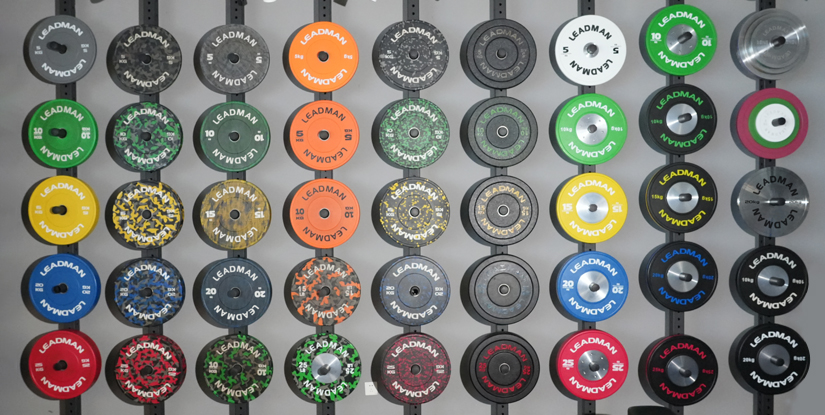
The Fundamentals of High-Impact Resistance Training
In high-performance strength environments, the choice of resistance equipment dictates not only the safety of the athlete but also the long-term durability of the facility floor and weightlifting platforms. Many operators struggle with premature material degradation and inconsistent weight distribution, which can lead to costly replacement cycles. Selecting professional-grade equipment like Sqmize Bumper Plates requires an understanding of material density, shock absorption, and calibration accuracy.
Standard weight plates often fail under the extreme kinetic energy of dropped heavy lifts. This failure usually stems from low-grade rubber compounds that either become too brittle in cold environments or too soft in high-temperature settings. To mitigate these issues, professionals must evaluate the shore hardness and the density of the rubber used in the construction of the plates. Understanding these variables is the first step in building a resilient training environment.
Material Selection and Density Calibration
Selecting the right density is a critical decision that directly impacts how a weight plate behaves during a high-velocity drop. If a plate is too dense, the kinetic energy is transferred directly to the floor, increasing the risk of subfloor damage. Conversely, if it is too soft, the plate may deform or 'mushroom' over time, leading to an uneven surface and inaccurate weight readings.
Understanding Rubber Compression and Hardness
A professional selection process must account for the different types of rubber composition available in the industry. For example, high-density rubber is often preferred for heavy lifting cycles where stability is paramount, whereas slightly softer profiles may be better suited for general functional training. Operators should look for specific material benchmarks to ensure long-term consistency.
| Material Attribute | High-Density Profile | Standard Performance Profile |
|---|---|---|
| Primary Use Case | Olympic Weightlifting / Heavy Drops | Cross-Training / General Strength |
| Impact Surface | Rigid, minimal bounce | Moderate bounce, higher shock absorption |
| Durability Focus | Resistance to compression/deformation | Resistance to surface cracking |
| Floor Impact | High energy transfer | Distributed energy transfer |
By matching the material profile to the intended training discipline, operators can prevent the common mistake of using overly rigid plates on platforms not designed for high-impact loads. Once the material properties are understood, the focus shifts toward the structural integrity of the internal ring and center bore.
Structural Integrity: The Core and Bore Tolerance
While the outer rubber casing provides the shock absorption, the inner ring is the mechanical heart of the plate. A common failure mode in lower-quality equipment is a mismatch between the internal steel ring and the rubber casing, which causes the two components to separate after repeated high-velocity drops. This separation is often caused by poor adhesion techniques or thermal instability during the molding process.
Verifying Center Bore Precision
Operators should verify the precision of the center bore to ensure a smooth fit on the barbell sleeve. A bore that is too tight will cause friction and uneven loading, while a bore that is too loose can cause the plate to wobble, leading to uneven wear on the barbell. Use the following checklist to verify core quality during procurement:
- Bore Diameter Consistency: Does the plate fit the barbell sleeve without excessive play?
- Internal Ring Stability: Is the steel ring centered and securely bonded to the rubber?
- Weight Uniformity: Does the plate maintain its weight tolerance across multiple diameter sizes?
Maintaining these tolerances ensures that the centrifugal forces generated during complex lifts do not destabilize the barbell. This structural reliability serves as the foundation for the subsequent stage of operational maintenance.
Explore the complete technical specifications:
Bumper Plates Per Pound: Cost Analysis, Material Tiers, and Procurement
Daily Inspection and Maintenance Protocols
Even the highest quality equipment requires a systematic inspection cadence to remain safe for heavy use. Neglecting basic maintenance can lead to hidden defects, such as hairline fractures in the rubber or loosening of the internal ring, which can become dangerous during a lift. A proactive approach to inspection saves both money and prevents injury.
The Systematic Inspection Checklist
Facility managers should implement a weekly inspection protocol that targets specific areas of wear. This ensures that subtle changes in the equipment's behavior are caught before they become catastrophic failures.
| Inspection Target | What to Look For | Action Required if Faulty |
|---|---|---|
| Surface Integrity | Hairline cracks or 'bubbling' | Monitor closely; replace if cracks deepen |
| Bore Interface | Deformation around the center hole | Replace plate immediately to protect barbell |
| Edge Condition | Chipping or crumbling rubber | Check for impact surface suitability |
| Weight Accuracy | Significant deviation from labeled weight | Recalibrate or replace to ensure training consistency |
Regularly following these protocols ensures that Sqmize Bumper Plates continue to perform at peak levels. Once a rigorous maintenance schedule is established, the next logical step is to address the environmental factors that influence equipment longevity.
Explore the complete technical specifications:
Cluster Bumper Plates: Durable Urethane Plates for Olympic Lifting
Environmental Impact on Equipment Longevity
The environment in which your equipment is used plays a massive role in its degradation rate. Temperature fluctuations and humidity levels can significantly alter the chemical properties of the rubber, affecting its ability to absorb shock and its overall shape. This is why an indoor facility in a controlled climate will see much longer equipment life than an outdoor or semi-exposed training area.
Temperature and UV Exposure Risks
High heat can cause the rubber to soften and become prone to 'mushrooming,' where the edges of the plate begin to bulge outward. Conversely, extreme cold can make the rubber more brittle, increasing the likelihood of cracking during a drop. If you are operating in an environment with significant temperature swings, you must adjust your inspection frequency accordingly.
- Heat Management: Avoid leaving equipment in direct sunlight or near heating vents.
- Moisture Control: Ensure the storage area is dry to prevent oxidation of any internal metal components.
- UV Protection: For semi-outdoor setups, ensure the rubber has high UV resistance to prevent rapid drying and cracking.
Understanding these environmental stressors allows an operator to implement better storage and placement strategies. Effective environmental management directly correlates with the return on investment for your specialized strength equipment.
Explore the complete technical specifications:
45 lb Rubber Bumper Plates | 450mm Diameter Weight Plates for Deadlifts
Troubleshooting Common Operational Issues
When equipment behaves unexpectedly, it is usually a symptom of an underlying cause rather than an isolated incident. For instance, if a barbell starts to feel uneven during a lift, the problem might not be the bar itself, but rather the way the plates are reacting to the movement or the environment.
Diagnosing Uneven Loading and Bounce
If you notice an increase in the 'bounce' of a barbell during a drop, it is often a sign that the rubber has reached its limit of elastic deformation. This can be caused by excessive usage or by the plates being used in an environment that is too warm. Follow this troubleshooting logic to identify the root cause:
| Observed Symptom | Potential Cause | Recommended Fix |
|---|---|---|
| Excessive Bounce | High ambient temperature or material fatigue | Move to a cooler area or replace older plates |
| Unbalanced Barbell | Asymmetric weight distribution or bore mismatch | Check plate calibration and bore diameter |
| Floor Vibration | Hard surface without adequate padding | Install a high-quality lifting platform |
| Noisy Drops | Loose internal ring or dry surface | Inspect internal structure and check surface debris |
By systematically ruling out these common causes, facility managers can resolve issues quickly without unnecessary expenditures. This level of troubleshooting capability is what distinguishes a professional facility from a casual training space.
Explore the complete technical specifications:
Bumper Plates Guide | Rubber & Urethane Weights for Olympic Lifting
Optimization of Training Surfaces and Setup
The performance of any bumper plate is intrinsically linked to the surface it strikes. A high-quality plate used on an inadequate surface will result in premature wear for both the equipment and the flooring. To get the most out of your investment, you must design a complete system that includes the plate, the barbell, and the platform.
The Role of Subfloor Dampening
A professional lifting platform is not just a single layer of wood; it is a tiered system designed to manage kinetic energy. The subfloor acts as the primary shock absorber, while the top layer (usually plywood or high-density rubber) provides the stable striking surface. This synergy is essential for protecting the structural integrity of the building and the longevity of the weights.
- Layering Strategy: Use a dense rubber base layer to absorb low-frequency vibrations.
- Surface Hardness: Ensure the top striking surface is consistent in hardness to prevent uneven plate bounce.
- Edge Protection: Use platform edges that are slightly more forgiving to protect the plates from hard-edge strikes.
A well-constructed platform ensures that the impact energy is handled gracefully, which in turn preserves the shape and calibration of your Sqmize Bumper Plates. With a solid setup in place, you can now look toward long-term procurement and scaling strategies.
Explore the complete technical specifications:
Laoch Bumper Plates: Virgin Rubber, Durometer 85-90 & Hub Retention
Future-Proofing Your Equipment Procurement
As a facility grows, the complexity of managing weight inventories increases. Future-proofing your procurement strategy involves looking beyond the initial purchase price and focusing on the total cost of ownership (TCO). This includes the cost of maintenance, the frequency of replacement, and the impact of the equipment on your facility's overall reputation.
Building a Durable Equipment Inventory
When scaling a facility, it is tempting to buy the most affordable option available. However, in the long run, the cost of replacing low-quality plates and repairing damaged flooring often exceeds the initial savings. A professional procurement strategy focuses on standardized, high-durability equipment that can be easily integrated into existing routines.
When selecting new additions to your inventory, always prioritize items that offer consistent technical specifications. This allows for easier mixing of different weight sets and ensures that your training environment remains predictable and safe for all users. By maintaining high standards in selection, maintenance, and setup, you ensure a high-performing and durable training ecosystem.