

Strategic Approaches to Selecting a Dumbbell Supplier for Commercial Gyms
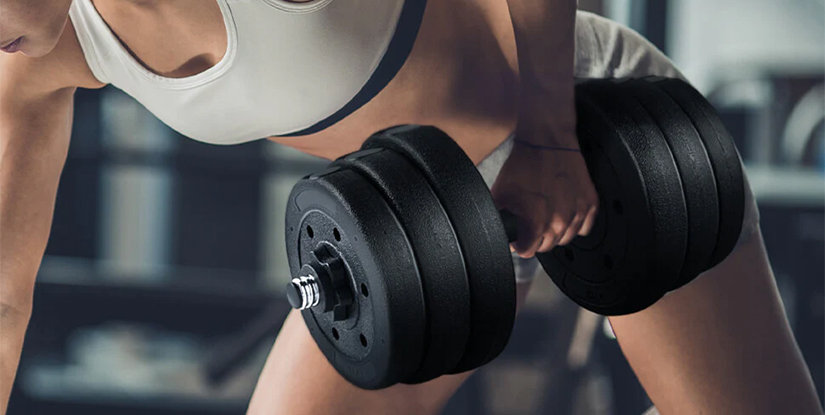
The procurement of free weights is often underestimated as a routine purchasing task, yet for a high-traffic fitness facility, it represents one of the most significant long-term capital investments. A poorly vetted supplier choice leads to more than just aesthetic inconsistencies; it introduces operational risks ranging from uneven weight distribution to premature surface degradation. When selecting a dumbbell supplier for commercial gyms, the objective is to move beyond the initial purchase price and evaluate the total cost of ownership and the technical reliability of the equipment supplied.
Evaluating Material Composition and Manufacturing Precision
The foundational error in procurement is focusing solely on the weight number while ignoring the metallurgical and structural integrity of the unit. A dumbbell that is nominally 20kg but fluctuates significantly due to poor casting will frustrate professional athletes and lead to client dissatisfaction. High-quality commercial dumbbells must maintain strict tolerance levels to ensure consistency across a full set.
Metal Core Integrity and Casting Standards
A common failure mode in low-tier equipment is the use of hollow or low-density cores that lead to unbalanced weight distribution. This imbalance creates a torque effect during movement, increasing the risk of wrist injury for the user. To verify quality, operators should request documentation regarding the casting process and weight tolerance thresholds.
| Feature | Standard Commercial Requirement | Low-Tier Risk |
|---|---|---|
| Weight Tolerance | ±1% to 2% variance | High variance (unbalanced feel) |
| Core Construction | Solid steel or high-density iron | Hollow or inconsistent fill |
| Handle Material | Knurling-ready precision steel | Soft or uneven knurling |
| Coating Adhesion | High-grade polymer or urethane | Peeling or cracking under heat |
Ensuring that the physical properties of the weight meet these standards prevents the premature replacement of equipment. Once the material quality is established, the next critical factor involves the durability of the exterior coating.
Analyzing Surface Finishes and Impact Resistance
The exterior finish of a dumbbell serves two primary functions: protection for the user's hands and protection for the equipment itself against the inevitable impacts of a gym environment. Choosing a supplier with inferior coating technology results in a facility that looks aged and neglected within months of opening.
Urethane vs. Neoprene vs. Rubberized Finishes
Different training environments demand different surface characteristics. A high-intensity functional training zone requires a different specification than a traditional bodybuilding studio. A common mistake is purchasing neoprene-coated weights for a heavy-duty lifting area, as neoprene lacks the impact resistance required for high-velocity drops.
- Urethane Coatings: Highly durable, resistant to chemical cleaning agents, and less prone to denting. Ideal for heavy commercial use.
- Rubber Encased: Excellent impact absorption, reducing noise and floor vibration, but can be susceptible to tearing if the rubber quality is low.
- Neoprene: Often used in lighter sets; soft to the touch but lacks the structural durability for high-impact commercial environments.
Selecting the correct finish protects the long-term visual appeal of your facility and reduces the frequency of maintenance. This durability directly impacts the ROI, provided the supplier can also meet your requirements for handle ergonomic standards.
Explore the complete technical specifications:
Best Commercial Dumbbells | Durable Urethane & Rubber Sets for Gyms
Ergonomic Specifications and Handle Durability
The interface between the user and the weight is the handle. A supplier that provides inconsistent knurling patterns or substandard steel thickness creates a significant liability. The handle is often the first component to fail via snapping or deformation under extreme loads.
Knurling Precision and Grip Longevity
ext로In a commercial setting, the grip must remain consistent despite constant contact with sweat, chalk, and skin oils. High-quality suppliers use precision-machined knurling that provides traction without being overly aggressive or abrasive to the skin. If a supplier utilizes a "one-size-fits-all" knurling approach, you may find that the grip is either too smooth for heavy lifting or too harsh for high-repetition metabolic conditioning.
Verification Checklist for Handles:
- Verify the steel grade used for the central shaft.
- Inspect the depth and consistency of the knurling pattern.
- Check for the presence of end-caps or specialized seals to prevent internal rust.
- Ensure the diameter remains consistent throughout the entire length of the handle.
A robust handle design ensures that the equipment remains safe and functional through years of heavy usage. With the physical construction verified, the focus must shift toward the logistical reliability of the supplier themselves.
Logistical Capability and Supply Chain Reliability
Technical specifications mean very little if the supplier cannot deliver on time or provide replacement parts when a single unit fails. For a gym manager, the ability to scale a set or replace a broken component is vital for maintaining a professional standard of service.
Scaling Sets and Uniformity of Supply
A common pain point for growing fitness centers is the inability to add weight increments to an existing set because the supplier has changed their manufacturing mold or material. This leads to a mismatched look and weight imbalance across the gym floor. You must confirm that the supplier can guarantee long-term availability of specific weight increments.
| Supplier Attribute | Ideal Commercial Partner | Warning Signs |
|---|---|---|
| Inventory Consistency | Guaranteed production runs for standard increments | Frequent stockouts or changing product designs |
| Shipping Logistics | Specialized heavy-weight freight handling | Standard parcel shipping with high breakage risk|
| Lead Time Transparency | Documented timelines and regular updates | Vague or inconsistent delivery estimates |
A reliable supply chain minimizes downtime and prevents the visual fragmentation of your weight sets. However, even the best logistics cannot compensate for a lack of ongoing support and maintenance guidance.
After-Sales Support and Lifecycle Management
The relationship with a supplier should not end at the point of delivery. High-quality equipment requires a maintenance framework to ensure longevity. A supplier that offers technical support and maintenance protocols is a far superior investment than one that offers only a one-time transaction.
Maintenance Protocols and Warranty Veracity
Many operators fail to realize that even heavy-duty dumbbells require periodic inspections. A supplier should provide a framework for what to look for during a routine check. For instance, checking for hairline cracks in the coating or signs of oxidation around the handle-to-weight junction. When a supplier offers a detailed warranty, ensure the terms are clear regarding "wear and tear" versus "manufacturing defects.'
Common Maintenance Oversight: Neglecting to clean sweat and salt from handles can lead to microscopic corrosion that eventually compromises the structural integrity of the steel. A proactive supplier will recommend specific cleaning-safe materials to prevent this.
Understanding these maintenance nuances allows you to manage the lifecycle of your equipment more effectively. This leads to the final, and perhaps most critical, consideration: the long-term financial impact of your selection.
Calculating Total Cost of Ownership (TCO) vs. Initial Price
The lowest bid in a procurement process is rarely the most economical choice over a five-year period. The Total Cost of Ownership (TCO) accounts for the initial purchase, the frequency of replacement, and the cost of labor for maintenance and replacement. Selecting a dumbbell supplier for commercial gyms requires a holistic view of these variables.
The Hidden Costs of Low-Quality Equipment
Low-tier equipment may save 20% on the initial order, but if the coating peels in 18 months or the handles become bent, the cost of replacing the entire set—including shipping and labor—will far exceed the original savings. Furthermore, the indirect costs of customer turnover due to suboptimal equipment are difficult to quantify but highly impactful on revenue.
Financial Comparison Model:
- Low-Cost Option: Low initial CAPEX + High frequency of replacement + High maintenance labor + Potential loss in member retention.
- Premium Supplier Option: High initial CAPEX + Low replacement frequency + Standardized maintenance + High brand perception/reliability.
By shifting the focus to TCO, you ensure that your procurement decisions align with the long-term profitability of your fitness facility. This strategic perspective is what separates successful gym operators from those who struggle with constant operational overhead.
Standardizing Equipment for Long-Term Operational Success
As a final directive, once you have selected a supplier, the goal moves from procurement to standardization. Ensuring that every piece of equipment follows a predictable pattern is the key to operational excellence. This involves setting internal protocols for inspection and ensuring that any future additions to the gym are perfectly compatible with the existing inventory.
Consistency in your weight sets—both in appearance and in weight accuracy—builds a culture of professionalism in your facility. It shows members that you value precision and quality, which in turn supports your ability to maintain premium membership rates. The process of selecting a dumbbell supplier for commercial gyms is, ultimately, the process of selecting a partner in your facility's long-term growth and operational stability.