

The Professional Guide to Specifying and Maintaining Personalized Bumper Plates
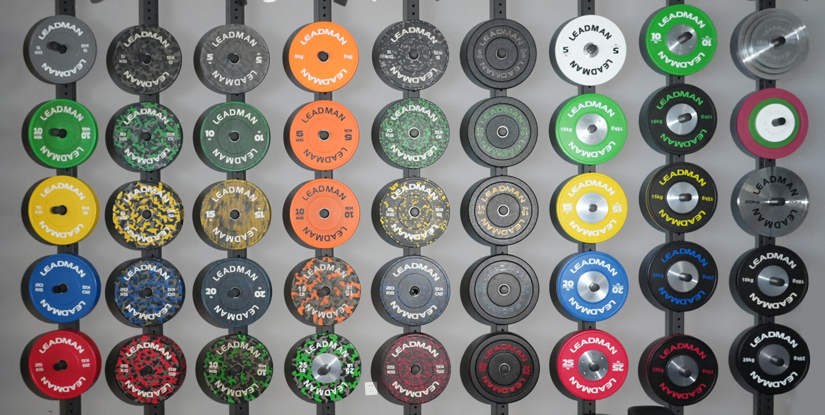
The Utility and Precision of Personalized Bumper Plates
In high-performance training environments, equipment serves as more than just weight; it serves as a tool for identity and brand consistency. Personalized Bumper Plates are often perceived by novice buyers as a purely aesthetic luxury, but for professional facility operators, they represent a critical component of brand authority and equipment management. The transition from standard, generic plates to customized units often reveals hidden technical complexities regarding durability and visual consistency.
The primary pain point for most procurement officers is the degradation of the customized surface over time. When a logo or specific color design is applied, it is not merely a superficial layer; it is an integral part of the plate's outer skin. If the application method is incorrect, the design will crack or peel under the high-impact stress typical of heavy lifting. Understanding the intersection of high-quality rubber compounds and advanced printing techniques is the first step in avoiding a failed investment.
Why Design Integrity Matters
A custom design that fails is more than a visual nuisance; it can create uneven surfaces or trap debris that affects the plate's balance. Professional operators must ensure that the customization process does not alter the center of gravity or the uniform density of the bumper plate. A well-specified custom plate should maintain its weight tolerance and impact absorption even after thousands of drops.
Establishing these baseline expectations for material quality ensures that the next phase of the process—selecting the right manufacturing method—is approached with technical rigor.
Mitigating Surface Degradation and Print Failure
Once the decision to move toward custom designs is made, the immediate technical challenge becomes the longevity of the artwork. Standard ink printing often fails on high-density rubber because the material expands and contracts slightly during temperature shifts and heavy impacts. This mismatch between the rigid ink layer and the flexible rubber substrate is the leading cause of design failure.
To prevent this, operators must distinguish between superficial surface printing and deep-integration methods. When reviewing specifications, look for terms related to the way the pigment is bonded to the rubber. A common mistake is assuming that a high-resolution image guarantees long-term durability; without the correct chemical bonding, even the most detailed design will flake off within months of heavy use.
Common Failure Modes in Plate Graphics
| Failure Mode | Primary Cause | Visible Indicator | Corrective Action |
|---|---|---|---|
| Ink Flaking | Low elasticity in the pigment layer | Small, jagged pieces of color missing | Request UV-resistant, elasticized ink specification |
| Color Fading | UV exposure and oxidative stress | Dull or washed-out aesthetics | Specify UV-stabilized rubber compounds |
| Edge Peeling | Poor adhesion at the plate rim | The design lifting away from the edge | Verify edge-to-surface transition smoothness |
By identifying these failure modes during the procurement phase, you can demand higher-grade manufacturing standards that protect your investment. This technical understanding of surface integrity leads directly into the critical decision of selecting the appropriate material composition.
Material Selection for High-Impact Longevity
The durability of your customized equipment is fundamentally limited by the quality of the base material. While all bumper plates are designed for impact, the degree of customization can actually influence the structural integrity of the plate if the material is not chosen correctly. Most high-quality plates utilize high-density virgin rubber or high-grade recycled rubber, but the density level must be compatible with the custom weight markings.
Comparing Material Profiles
Choosing between different rubber grades involves a trade-off between impact absorption and dimensional stability. A plate that is too soft may deform excessively under heavy loads, which can cause the custom branding to stretch and crack. Conversely, a plate that is too hard may lack the necessary 'bounce' required for Olympic lifting environments.
| Material Type | Durability Level | Impact Characteristics | Best Use Case |
|---|---|---|---|
| Virgin Rubber | Highest | Excellent energy absorption | Professional competitions/High-end gyms |
| Recycled Rubber | High | Predictable, moderate bounce | Commercial training facilities |
| Mixed Compound | Moderate | Varies by batch | Budget-conscious or home gym setups |
A professional operator must verify that the chosen material density aligns with the desired thickness and weight tolerance. Once the material profile is finalized, the focus must shift to the precision of the dimensional tolerances.
Explore the complete technical specifications:
Bumper Plates Per Pound: Cost Analysis, Material Tiers, and Procurement
Ensuring Dimensional Tolerance and Weight Accuracy
A common frustration when ordering Personalized Bumper Plates is discovering that the customization has introduced weight variances. Because the addition of color pigments or specialized coatings can slightly alter the mass, it is vital to demand strict adherence to weight tolerances. In a professional setting, even a 1% variance can lead to imbalances in heavy barbell sets.
Verification Checklist for Incoming Shipments
- Weight Deviation Check: Weigh each plate on a calibrated scale to ensure it stays within the ±1% to ±3% industry standard.
- Diameter Uniformity: Use calipers to verify that the diameter remains constant across the entire set, preventing uneven barbell loading.
- Center Hole Precision: Confirm the internal diameter (typically 50.4mm or 50.8mm) is consistent to allow smooth barbell rotation.
- Visual Alignment: Inspect the symmetry of the custom logo to ensure it is not centered off-axis, which can affect the plate's visual balance.
Strict verification upon receipt prevents the long-term headache of uneven barbell distribution. However, even perfectly weighted plates require a rigorous maintenance and inspection schedule to remain safe for use.
Explore the complete technical specifications:
Cluster Bumper Plates: Durable Urethane Plates for Olympic Lifting
Standard Operating Procedures for Maintenance and Inspection
Even the highest quality custom plates require regular oversight to ensure they remain safe and visually professional. Unlike standard black plates, customized plates often require more specific cleaning protocols to prevent the degradation of the graphics. Improper cleaning is a frequent cause of premature aesthetic failure in premium gym equipment.
Cleaning and Care Protocols
The chemical components in many standard gym cleaners can be abrasive to custom-printed surfaces. Using high-strength degreasers or acidic solutions can strip the pigment or weaken the bond between the ink and the rubber. Operators should implement a standardized cleaning procedure to maintain both the safety and the appearance of the equipment.
- Approved Cleaners: Use only mild soap and water solutions or specialized rubber-safe cleaners.
- Application Method: Always use a damp cloth rather than a high-pressure spray to avoid forcing liquid into the center hole or edge seams.
- Drying Procedure: Ensure plates are completely dry before stacking to prevent moisture entrapment, which can lead to mold or rubber degradation.
Consistent adherence to these protocols will extend the life of the graphics significantly. Following these care steps ensures that your facility remains in peak condition, but it also requires you to stay vigilant about physical wear and tear.
Explore the complete technical specifications:
45 lb Rubber Bumper Plates | 450mm Diameter Weight Plates for Deadlifts
Identifying and Managing Physical Wear Patterns
Despite excellent maintenance, constant use in a high-traffic facility will eventually result in physical wear. The goal for an operator is not to prevent all wear, but to identify when wear moves from 'aesthetic' to 'structural.' Recognizing these transitions is essential for maintaining a safe training environment.
Distinguishing Aesthetic vs. Structural Damage
As the plates are used, the custom markings will inevitably face friction. It is important to define a threshold for replacement so that equipment is not discarded too early, nor used too long in an unsafe state.
| Wear Type | Description | Action Required |
|---|---|---|
| Surface Scuffing | Light scratches or slight color loss | No action required; purely aesthetic. |
| Edge Cracking | Small fissures appearing on the outer rim | Monitor closely; replace if cracks deepen. |
| Deformation | Permanent 'flat spots' or bulging shapes | Immediate replacement; indicates structural failure. |
| Internal Delamination | Layers of rubber separating under the surface | Immediate replacement; high risk of shattering. |
Regularly auditing these wear patterns allows for proactive procurement rather than reactive emergency spending. This systematic approach to equipment management completes the lifecycle of the customized asset.
Explore the complete technical specifications:
Bumper Plates Guide | Rubber & Urethane Weights for Olympic Lifting
Long-Term ROI and Lifecycle Management
The final consideration for any buyer is the long-term return on investment. While Personalized Bumper Plates carry a higher upfront cost than standard equipment, their value lies in their ability to build brand equity and professionalize a space. When managed through the technical rigors outlined in this guide, they become durable assets rather than ephemeral expenses.
Calculating the True Value of Custom Equipment
When evaluating the ROI of custom plates, move beyond the initial purchase price. Consider the cost of equipment replacement frequency, the branding impact on client retention, and the efficiency of weight identification. A high-quality custom set with distinct colors for different weights can actually speed up training transitions and reduce errors in high-volume environments.
By prioritizing technical specifications—from pigment elasticity to weight tolerance—operators can ensure that their customized equipment provides both visual impact and long-term operational reliability. With these protocols in place, your facility is prepared to maintain a professional, high-performance standard for years to come.