

Optimizing Weightlifting Gym Equipment for Diverse Training Needs
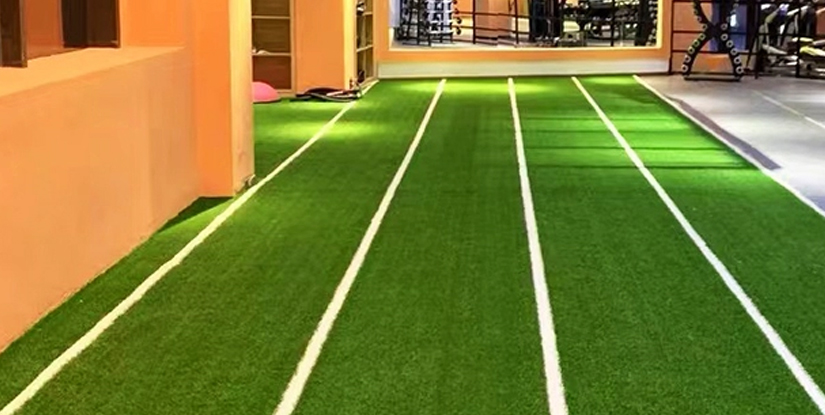
Defining Selection Standards for Diverse Training Modalities
Selecting weightlifting gym equipment for diverse training needs requires moving beyond simple aesthetics to a rigorous analysis of mechanical durability and versatility. Facility operators often face the dilemma of purchasing equipment that is either too specialized for a general population or too rudimentary for high-performance athletes. This imbalance often leads to premature mechanical fatigue or underutilization of floor space. To mitigate this, a structured selection framework must prioritize multi-functional geometry and material grade over low initial procurement costs.
Core Selection Parameters for Facility Managers
When evaluating equipment, professionals must categorize assets based on their intended primary load profile. A barbell designed for Olympic weightlifting requires different knurling specifications and shaft whip than a standard powerlifting bar. Identifying these nuances early prevents the common mistake of using non-compliant gear for high-velocity movements, which can lead to sudden structural failure.
| Equipment Category | Primary Training Need | Key Technical Spec to Verify | |
|---|---|---|---|
| Olympic Weightlifting | Explosive, High-Velocity | High shaft whip, precision bearings | |
| Powerlifting | High Absolute Load | Rigid shaft, aggressive knurling | High tensile strength |
| General Strength | Hypertrophy & Stability | Standardized knurling, moderate whip | Durable coating |
Establishing these baseline standards ensures that the facility can accommodate both strength-focused and speed-focused athletes without constant replacement cycles. Once the selection criteria are established, the focus must shift to the physical installation and structural integrity of the items.
Evaluating Structural Integrity and Load-Bearing Tolerances
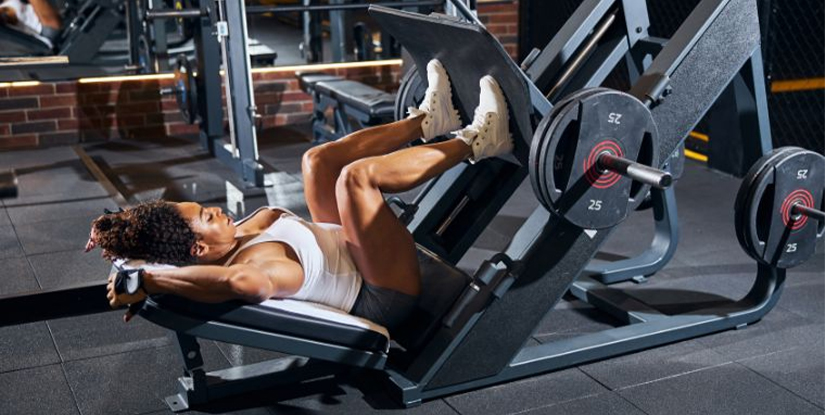
The selection process provides the blueprint, but the actual operational longevity of weightlifting gym equipment for diverse training needs is determined by structural tolerances. A common failure mode in mid-tier facilities is the use of weight racks or platforms with insufficient gauge steel. Under heavy load, sub-standard steel can suffer from permanent deformation or 'bowing,' which compromises user safety and machine precision. Verification of these tolerances is a non-negotiable step during both procurement and monthly inspections.
Identifying Material Defects and Deformation
Operators should monitor for signs of metal fatigue, particularly around weld points and adjustment pins. A common mistake is overlooking micro-fractures in high-stress areas like the uprights of a power rack. If a rack shows even slight signs of bowing under weight, it is no longer safe for progressive loading. Verification involves checking the verticality of the uprights and the flush fit of the J-cups against the bar.
- Checklist for Upright Stability:
- Verify all adjustment pins are seated fully in their designated holes.
- Inspect weld points for discoloration or hairline cracks.
- Ensure the base of the rack is flush with the flooring without wobbling.
- Measure the distance between uprights to ensure symmetry.
A stable foundation is essential for preventing secondary damage to the surrounding floor and equipment. Ensuring the structural stability of the rack leads directly into the necessity of proper surface-level cushioning.
Optimizing Surface Interfaces with Impact-Absorbent Flooring
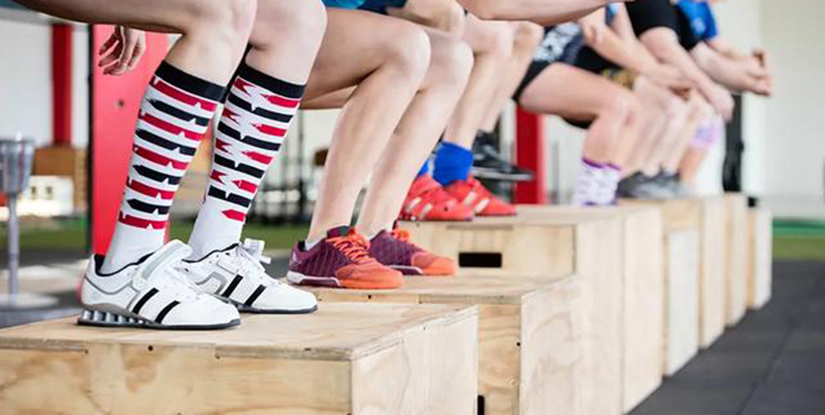
Even the most robust weightlifting gym equipment for diverse training needs can be rendered ineffective—or even dangerous—without a compatible flooring interface. The failure to implement appropriate impact absorption leads to two primary problems: damage to the subfloor and decreased equipment lifespan due to vibration-induced mechanical loosening. High-impact movements like heavy cleans or snatches create significant kinetic energy that must be dissipated before it reaches the building'ality foundation.
Comparing Flooring Densities for Different Training Loads
Not all rubberized surfaces are created equal. While a thin yoga mat might suffice for light stretching, it will fail instantly under a heavy barbell drop. Professionals must match the density of the flooring to the specific kinetic energy of the intended training modality.
| Flooring Type | Ideal Use Case | Durability Rating | Maintenance Requirement |
|---|---|---|---|
| Standard Rubber Roll | General Strength/HIIT | Medium | Low (Standard vacuum) |
| High-Density Drop Pads | Olympic Weightlifting | Very High | Moderate (Periodic cleaning) |
| Multi-Layer Composite | Full-Scale Training Hubs | Maximum | Medium (Moisture control) |
By selecting the correct density, operators reduce the 'bounce-back' effect and the long-term fatigue on the building's structure. With the surface properly managed, the focus shifts to the maintenance of the mechanical components themselves.
Preventative Maintenance for Mechanical and Moving Components
The longevity of high-performance equipment relies heavily on the maintenance of its moving parts, such as barbell bearings, plate load pins, and adjustable pulleys. A common problem is the degradation of smooth rotation in barbells, which is often caused by dust ingress or lack of lubrication. This resistance not only hampers athlete performance but can also lead to uneven torque distribution, increasing the risk of wrist or elbow injuries.
The Protocol for Bearing and Pulley Care
To maintain peak performance, maintenance must be proactive rather than reactive. A standard procedure involves a monthly inspection of all rotating interfaces. For barbells, this means inspecting the bushings or bearings for any grit or resistance during rotation. For cable machines, it involves checking for fraying in the steel cable and ensuring the pulley wheels spin freely without lateral wobble.
- Maintenance Step 1: Clean all metal surfaces with a dry microfiber cloth to remove sweat and dust.
- Maintenance Step 2: Inspect barbell knurling for smoothed-out edges or rust.
- Maintenance Step 3: Lubricate non-contacting sliding parts (like weight selector pins) with a dry-film lubricant to avoid dust buildup.
- Maintenance Step 4: Test cable tension and look for any 'kinks' or fraying in the wire.
Following a strict maintenance cadence ensures that mechanical failures are identified before they manifest as equipment downtime. This systematic approach to upkeep is the logical next step toward a full-facility safety inspection protocol.
Standardized Safety Verification and Inspection Protocols
Safety is not a static state but a continuous process of verification. Even with a rigorous maintenance schedule, the operator must conduct regular safety audits to ensure that the weightlifting gym equipment for diverse training needs remains within safe operational bounds. A failure to implement a formal verification process often results in 'normalization of deviance,' where small issues (like a slightly loose bolt) are ignored until they cause a critical failure.
Implementation of Daily and Weekly Safety Audits
Facility managers should implement a tiered inspection system. Daily checks are quick visual sweeps, while weekly audits are more granular and technical. These protocols should be logged to maintain a record of compliance and to track the aging of specific assets.
Daily vs. Weekly Verification Tasks
Daily (Visual/Tactile):
- Check for loose bolts on benches and racks.
- Ensure all weights are stored correctly in their designated areas.
- Inspect for spilled liquids or debris that could cause slips.
Weekly (Technical/Structural):
- Test the weight-bearing capacity of adjustable settings (e.g., bench incline pins).
- Examine the texture of barbell knurling for unevenness.
- Check the integrity of floor mats at the impact zones.
Consistently documenting these checks provides a defensive layer for the facility against liability and ensures a high standard of athlete care. With safety protocols established, the final stage is optimizing the physical layout for maximum efficiency.
Optimizing Spatial Layout for Diverse Training Workflows向
Once safety and maintenance are secured, the focus shifts to the spatial organization of the equipment. A poorly planned layout can create 'traffic jams' in a busy facility, leading to collisions or the misuse of equipment. The goal is to create distinct zones that accommodate the diverse training needs of different athlete profiles without interfering with one another.
Zoning Strategies for High-Traffic Facilities
To avoid congestion, operators should group equipment by its kinetic footprint. For example, an Olympic lifting station requires a larger 'buffer zone' than a stationary dumbbell area due to the higher probability of dropped weights and the need for lateral movement. By segmenting the floor into high-impact, strength, and mobility zones, you can manage the flow of users more effectively.
- High-Impact Zone: Reserved for barbells, lifting platforms, and heavy medicine balls.
- Stationary Strength Zone: Allocated for racks, benches, and machines.
- Mobility/Recovery Zone: Designated for stretching, foam rolling, and light accessory work.
A well-zoned layout facilitates smoother transitions between exercises and improves the overall user experience. This spatial intelligence, combined with regular maintenance, ensures the facility operates at peak potential.
Strategic Procurement and Long-Term ROI Analysis
Effective management of weightlifting gym equipment for diverse training needs concludes with a strategic approach to procurement. many operators focus solely on the initial purchase price, failing to account for the Total Cost of Ownership (TCO). A cheaper piece of equipment that requires frequent repair or replacement will eventually become more expensive than a premium asset with a lower annual maintenance cost.
Calculating Total Cost of Ownership (TCO)
When comparing two pieces of equipment, do not just look at the price tag. Consider the following variables to determine the true long-term impact on your budget:
| Factor | Low-Cost Option | Premium/Commercial Option |
|---|---|---|
| Lifespan | 2–4 years (High turnover) | 8–12+ years (High durability) |
| Maintenance Frequency | Monthly/Quarterly (Higher labor) | Bi-annually (Low labor) |
| Replacement Cost | Frequent (High capital outlay) | Infrequent (Stable capital) |
| Residual Value | Near zero at end of life | High (Good secondary market) |
By analyzing these factors, facility managers can make data-driven decisions that favor long-term stability and professional-grade performance. Understanding these economic realities allows for a more sustainable approach to building a top-tier training environment.
Future-Proofing Your Training Environment
The evolution of training modalities means that the equipment you purchase today must be capable of supporting the methods of tomorrow. As training trends shift from pure strength toward more functional and dynamic movement patterns, the versatility of your assets becomes your greatest competitive advantage. A commitment to high-quality selection, rigorous maintenance, and strategic layout ensures that your facility remains a premier destination for athletes of all levels.