

Understanding The Value Proposition of Plate Loaded Commercial Gym Equipment
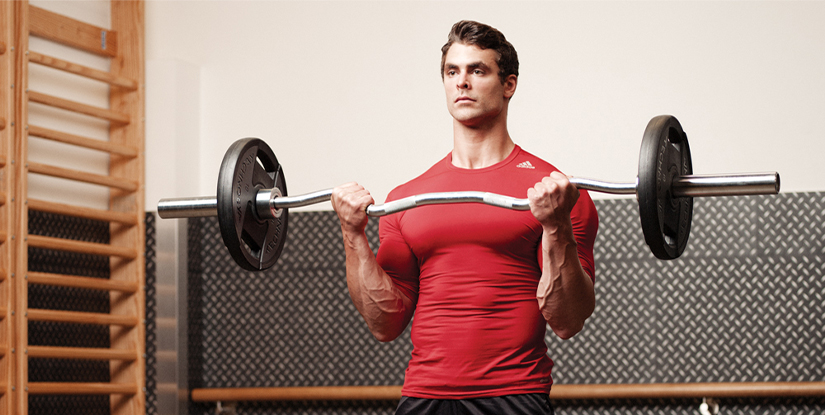
Facility operators often face a critical dilemma when designing high-performance training environments: the choice between selectorized machines and plate-loaded alternatives. While selectorized machines offer speed and ease of use, they often fail to meet the demands of advanced strength athletes who require progressive resistance and variable load increments. The core problem arises when a facility's equipment fails to provide the necessary mechanical stimulus or lacks the durability to withstand heavy, repetitive loading. This guide examines the technical and economic advantages of selecting plate-loaded systems to resolve these operational inefficiencies.
The Mechanical Superiority of Constant Tension Loading
Understanding the value proposition of plate loaded commercial gym equipment begins with the fundamental physics of resistance. Unlike selectorized machines, which rely on a fixed weight stack and a specific cam profile, plate-loaded machines allow for a more organic resistance curve tailored to the user's specific strength profile.
The primary mechanism of advantage here is the ability to manipulate the resistance curve through plate placement and the inherent properties of gravity-driven loading. In a selectorized machine, the resistance is dictated by the manufacturer's cam design; if that design does not perfectly match the user's strength curve, the user may experience 'dead spots' or excessive resistance at inappropriate phases of the lift. Plate-loaded equipment mitigates this by providing a linear or customized resistance path that feels more natural to the human musculoskeletal system.
Analyzing Resistance Profiles
When selecting equipment, operators must differentiate between these two primary resistance types to ensure long-term user satisfaction:
| Feature | Selectorized Machines | Plate Loaded Equipment |
|---|---|---|
| Resistance Increments | Fixed by weight stack (usually 5lb or 10lb) | Variable based on plate denominations (2.5lb to 45lb+) |
| Resistance Curve | Predetermined by cam shape | Determined by weight placement and gravity |
| Mechanical Feel | Highly consistent but can feel 'artificial' | Highly natural and weight-based |
| Cost per Unit | Higher initial investment | Generally lower initial investment |
By understanding these resistance profiles, operators can strategically place plate-loaded units in high-performance zones. This foundational understanding of resistance types leads directly into the necessity of structural integrity and material selection.
Structural Durability and Material Selection Standards

As established with the mechanical advantages of resistance, the structural capacity of the machine is the next critical variable. The high-intensity nature of plate loading—often involving significant momentum and heavy weights—requires a higher standard of steel and welding than standard fitness equipment.
A common failure mode in low-tier facilities is the development of 'frame fatigue.' This occurs when the steel gauge is insufficient to handle the lateral forces exerted during heavy lifts. When a user drops a heavy load onto a peg or swings a weight, the resulting vibration can cause microscopic fractures in the weld joints over time. To prevent this, operators should prioritize equipment with heavy-duty steel tubing and reinforced welding points.
Material Verification Checklist
Before finalizing a procurement order, use the following criteria to verify the structural integrity of potential units:
- Steel Gauge: Verify that the main frame uses a minimum of 11-gauge or 7-gauge steel for high-load sections.
- Weld Quality: Inspect for continuous, smooth welds rather than 'tack' welds, which are prone to cracking under stress.
- Bearing Surfaces: Ensure pivot points use high-grade bushings or sealed bearings to prevent friction-induced wear.
- Loading Pegs: Check that the weight pegs are welded directly to the frame rather than being bolted on, which can lead to structural instability.
Once the structural integrity is confirmed, the operator must turn their attention to the longevity of the moving parts, as the resistance is only as good as the smooth motion of the machine.
Optimizing Maintenance Cycles for Moving Components
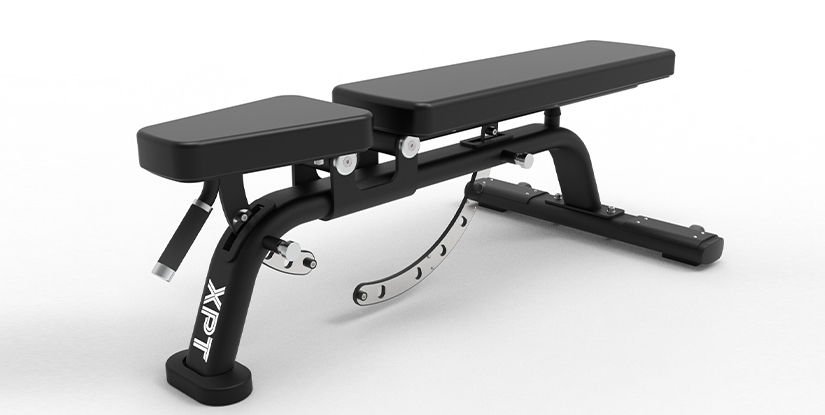
Even the highest-quality plate-loaded machine will eventually suffer from performance degradation if a maintenance protocol is not strictly followed. Because these machines rely heavily on physical weight and gravity, the pivot points and bearings are under constant, high-pressure contact.
The primary cause of 'jerky' movement in plate-loaded machines is the buildup of oxidation or the depletion of lubricants within the pivot bearings. This is not merely a maintenance inconvenience; it is a safety risk. A machine that hitches mid-repetition can cause a user to lose balance or suffer a muscle strain. To prevent this, a proactive lubrication schedule must be implemented. A common mistake is applying too much grease, which can actually attract dust and grit, creating an abrasive paste that accelerates wear.
Routine Maintenance Frequency Guide
| Component Type | Action Required | Frequency | Verification Method |
|---|---|---|---|
| Pivot Bearings/Bushings | Dry Lubricant/Silicone Spray | Quarterly | Check for smooth, continuous motion without 'notches' |
| Fasteners/Bolts | Torque Check | Bi-Annually | Verify with a torque wrench to manufacturer specs |
| Weight Pegs | Visual Inspection | Monthly | Check for bending or weld hairline cracks |
| Upholstery/Padding | Cleaning/Inspection | Weekly | Check for tears or moisture absorption |
Maintaining these components ensures that the mechanical superiority discussed earlier is not lost to friction and wear. With a reliable maintenance plan in place, the operator can move toward a strategic understanding of floor space and equipment layout.
Spatial Efficiency and Floor Plan Integration
While we have discussed the mechanical and maintenance aspects of the equipment, the physical footprint of plate-loaded machines is a unique variable in facility design. Since these machines require the addition of external weight plates, the actual 'usage area' is significantly larger than the machine's base footprint.
A frequent failure in gym layout planning is the 'shadow footprint' oversight. This occurs when an operator calculates space based on the machine's frame but fails to account for the space required for the user to load and unload plates, or the swing radius of the moving arms. This leads to cramped environments where users collide or struggle to access the equipment. To solve this, the total footprint must be calculated as the machine base plus a 36-120cm clearance zone around all loading areas.
Determining Total Usage Footprint
To ensure a professional and safe environment, follow this calculation methodology for every plate-loaded unit in your facility:
- Base Footprint: Measure the L x W of the stationary machine frame.
- Loading Buffer: Add 60cm to each side of the weight pegs to allow for plate movement and user access.
- Dynamic Range: Measure the maximum distance the weight arm or carriage travels during a full range of motion.
- Safety Clearance: Add an additional 30cm around the entire dynamic range to ensure no collisions with other equipment or users.
By mastering the spatial requirements, you ensure that the technical benefits of the equipment are actually accessible to the end-user without logistical friction.
Economic Value and Long-Term ROI Analysis
The decision to invest in plate-loaded machines is often a financial one as much as a performance-driven one. When evaluating the true value proposition of plate loaded commercial gym equipment, one must look beyond the initial purchase price and consider the total cost of ownership (TCO) and the return on investment (ROI) regarding user retention.
The technical advantage of plate-loaded equipment is its longevity and versatility. Because the resistance is provided by external plates, the 'internal' components (cables, pulleys, and cams) are under less stress than in selectorized machines, where the entire weight stack is in constant motion. This translates to a longer lifespan and lower replacement frequency. Furthermore, the ability to use the same weight plates across multiple different machines provides an economy of scale for the facility operator.
The Cost-Benefit Paradox
Many operators erroneously believe that selectorized machines are more cost-effective because they are 'simpler.' However, the high-performance segment of the market—specifically serious lifters and professional athletes—prefer plate-loaded equipment. Losing this demographic due to a lack of high-quality, heavy-duty machinery can lead to significant membership churn. Therefore, the ROI is found in the increased retention of high-value members who demand premium training tools.
With the financial and spatial considerations understood, the final step for any operator is the establishment of a rigorous safety verification protocol to ensure the equipment remains a professional asset rather than a liability.
Safety Protocols and End-User Verification
A professional-grade facility is defined by its safety standards. Because plate-loaded machines involve heavy, external weights that can be moved rapidly, the potential for high-impact accidents is a real variable that must be managed through constant vigilance and clear protocols.
The primary cause of accidents on plate-loaded machines is user error, such as overloading a single side or failing to secure a plate properly. However, the operator's role is to ensure the machine is capable of handling these errors safely. This means verifying the 'fail-safes' of the equipment regularly. For example, if a machine is designed with a stop mechanism to prevent the weight from hitting the floor or the frame too hard, that mechanism must be functional and uncomprommed.
The Operator’s Daily Safety Checklist
To maintain a high standard of operation, implement this daily walkthrough for all plate-loaded sections:
- Weight Peg Stability: Ensure no pegs are bent or showing signs of structural movement.
- Visual Inspection for Obstructions: Clear any debris or discarded plates from the movement path of the arms or carriages.
- Bushing Integrity: Listen for any unusual grinding or squeaking sounds during a test rep (performed by staff).
- Upholstery Integrity: Check that no rips are present that could lead to skin contact with the underlying foam or metal.
By treating safety as a continuous process rather than a one-time check, you protect both the users and the long-term value of your investment.
The Future of Resistance: Hybrid Loading Trends
As we look toward the future of gym design, the value proposition of plate-loaded commercial gym equipment is being reshaped by hybrid technology. While the classic mechanical simplicity of gravity-driven loading remains the gold standard for strength athletes, new developments are emerging that combine the two worlds.
We are seeing an increase in machines that utilize modularity—allowing a user to switch between a standard weight-stack and a plate-loading system. This versatility is the next step in solving the problem of space-versus-performance. For the professional operator, the goal remains the same: providing a machine that is durable, mechanically superior, and easy to maintain. Whether sticking to traditional plate-loaded setups or exploring hybrid models, the principles of structural integrity and regular maintenance remain the unshakeable foundations of a successful training facility.