

Understanding the Capacity of Heavy Weight Gym Equipment
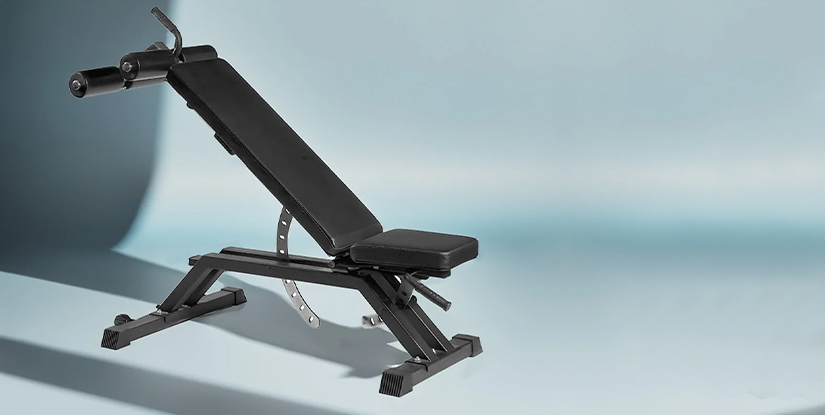
Facility managers and high-performance trainers often encounter a recurring, high-stakes issue: the discrepancy between rated equipment capacity and actual operational load. When a piece of heavy-duty equipment—be it a multi-station cable machine or a heavy-duty power rack—fails under load, the cause is rarely a single catastrophic event. Instead, it is usually the cumulative result of exceeding load tolerances, neglected maintenance, or improper setup. This guide focuses on understanding the technical nuances of load-bearing limits to ensure long-term equipment safety and operational efficiency.
Analyzing the Mechanical Stress Limits of Strength Machines
Before addressing maintenance, it is essential to understand that weight capacity is not a static number; it is a dynamic threshold determined by the weakest link in the machine's mechanical chain. A strength machine's capacity is a composite of its structural steel integrity, the tensile strength of its cables or chains, and the durability of its pulley systems.
Primary Load-Bearing Components
When assessing a machine's capacity, operators must look beyond the weight stack. The true limit often lies in the peripheral components. For instance, a machine might have a 500lb weight stack, but if the nylon-coated steel cable is rated for only 400lbs of dynamic tension, the stack capacity is effectively irrelevant. Understanding these distinctions prevents premature component failure.
| Component Type | Common Failure Mechanism | Verification Parameter |
|---|---|---|
| Steel Framework | Weld fractures or frame warping | Visual inspection for hairline cracks or alignment shifts |
| Cables and Wires | Fraying, core snapping, or coating degradation | Feel for roughness or visible wire strands |
| Pulley Systems | Bearing seizure or groove wear | Smoothness of rotation under low load |
| Selector Pins | Shearing or bending under heavy impact | Rigidity and fit within the weight stack guide |
By identifying these critical components, operators can transition from a reactive mindset to a proactive one. Recognizing these mechanical constraints leads directly to the necessity of a structured inspection and maintenance routine.
Establishing a Systematic Inspection Cadence for Heavy Equipment

Once the primary components are understood, the next logical step is defining how often they must be checked. Relying on visual cues alone is a common mistake; professional operators use a scheduled cadence to detect issues before they manifest as failures. A lack of a formal schedule often leads to "over-reliance fatigue," where equipment looks functional but is structurally compromised.
Tiered Inspection Protocols
To optimize labor and safety, inspections should be divided into daily, weekly, and monthly tiers. This tiered approach ensures that high-wear items are checked frequently without overwhelming maintenance staff.
- Daily Operational Check: Focus on immediate safety indicators like loose bolts, visible cable fraying, and basic lubrication levels.
- Weekly Detailed Inspection: Examine secondary connections, such as the tension of adjustment pins and the smoothness of sliding rails.
- Monthly Deep Audit: Perform a comprehensive audit of structural welds, bolt torque levels, and advanced component wear.
Implementing this cadence moves the facility from a culture of 'fixing things when they break' to one of 'preventing the break.' This systematic approach requires a deeper look at the specific tools and methods used during these audits.
Verifying Structural Integrity via Bolt Torque and Weld Audits
A rigorous inspection cadence is only as good as the verification methods used. A common failure mode in heavy weight gym equipment is the gradual loosening of fasteners due to constant vibration and dynamic loading. Without specific torque verification, a machine may appear stable while its primary structural integrity is slowly degrading.
Techniques for Fastener and Weld Verification
Operators should not simply check if a bolt is present; they must verify that it is secured to the intended tension. This requires specific tools and a defined set of criteria to ensure the machine remains within its engineered tolerance.
The Bolt Torque Check: Use a calibrated torque wrench to ensure that structural bolts meet the manufacturer's specifications. Do not over-tighten, as this can strip threads or crack cast parts. A common mistake is tightening only by hand without measuring the actual torque value. A proper threshold involves checking both primary load-bearing bolts and secondary stabilizer bolts.
The Weld Inspection Method: Weld failures are often invisible to the untrained eye. A professional check involves using high-intensity light to scan for hairline fractures in the joints of a power rack or weight bench. If a weld shows signs of discoloration or a separation gap, the equipment's capacity is compromised and it must be decommissioned immediately.
Verifying these structural elements is critical, but even a perfectly built machine can fail if the lubrication and surface interfaces are neglected.
Optimizing Pulley and Cable Performance through Lubrication
Effective structural verification is only one side of the coin; the kinetic parts of the machine, such as pulleys and cables, require specialized care to maintain their load-bearing capacity. Friction is the enemy of heavy-duty equipment. When pulleys become dry or contaminated, the increased resistance can cause unexpected spikes in tension, leading to cable snap or motor strain in electronic machines.
Lubrication Standards for Dynamic Components
Choosing the wrong lubricant can be just as damaging as using no lubricant at all. For example, using a heavy grease on a high-speed pulley can actually attract dust and create an abrasive paste that accelerates wear. Selection must be based on the specific material of the component.
| Component | Recommended Lubricant Type | Common Mistake |
|---|---|---|
| Steel Cables | Dry Silicone or Specialized Cable Spray | Using heavy oil that attracts grit and dust |
| Linear Slides/Rails | Lithium-based Grease or Silicone Oil | Over-applying, causing weight buildup and debris stick |
| Pulleys/Bearings | Light Machine Oil | Using WD-40 (which is a cleaner/solvent, not a long-term lubricant) |
Selecting the correct medium ensures that the machine operates smoothly within its intended capacity. However, even with perfect lubrication, improper user behavior can override all technical precautions.
Mitigating User-Induced Load Spikes and Misuse
Technical capacity is often exceeded not by the weight on the machine, but by how that weight is applied. A machine designed for steady, controlled resistance might fail if subjected to sudden, ballistic movements or eccentric loading that exceeds its dynamic capacity. This is a major pain point for commercial gym operators managing high-intensity training environments.
Identifying High-Risk Usage Patterns
Understanding how users interact with the equipment allows operators to implement better signage and coaching. A machine rated for a 300lb stack might technically hold the weight, but the sudden drop of a 300lb weight can create a momentary impact force that is significantly higher than the static weight.
- Dynamic Loading: Sudden, explosive movements that create high-velocity tension on cables.
- Improper Loading: Placing uneven weight on asymmetrical machines, which can lead to frame twisting.
- Off-Label Use: Using a machine for an exercise it was not designed for (e.g., using a leg press as a bench press).
Recognizing these patterns is the first step toward prevention. By addressing both technical capacity and user behavior, a facility can ensure its longevity. This brings us to the final overview of how to maintain a high-standard operation.
Evaluating Environmental Impacts on Equipment Capacity
Beyond the immediate physical load, the environment in which the equipment resides plays a massive role in its long-term capacity. Factors such as humidity, temperature fluctuations, and airborne particulates can degrade components faster than standard usage patterns suggest. A machine sitting in a humid, unconditioned space will face much higher risks of oxidative stress and mechanical resistance.
Environmental Risk Factors
To maintain peak capacity, facility managers must monitor the ambient conditions. An unmonitored environment can lead to 'hidden degradation' where the machine's structural integrity is compromised by the atmosphere before it is ever subjected to an overweight load.
- Humidity and Oxidation: High humidity accelerates the rusting of weight stacks and adjustment pins, which can seize parts and create brittle points in the steel.
- Temperature Fluctuations: Drastic changes in temperature can cause thermal expansion and contraction in metal parts, potentially loosening fasteners over time.
- Particulate Contamination: In environments like dusty garage gyms or industrial settings, dust can enter pulley bearings, creating a grinding effect that increases friction and reduces load capacity.
Controlling these variables is a crucial layer of the management strategy. This final control loop leads us to the definitive operational summary.
Final Checklist for Equipment Capacity Management
Managing the capacity of heavy weight gym equipment requires a holistic view that combines engineering specs, meticulous maintenance, and active oversight. To ensure your facility remains safe and compliant, follow this final synthesis of the technical guide.
The Comprehensive Operator Checklist:
- Verify: Compare the weight stack capacity against the dynamic load limit of the cables.
- Audit: Conduct a monthly torque check on all major structural fasteners.
- Inspect: Look for hairline weld fractures under bright light during deep audits.
- Maintain: Apply only manufacturer-recommended lubricants to pulleys and rails.
- Monitor: Watch for users employing high-velocity movements on machines with limited dynamic thresholds.
- Environment: Ensure humidity and temperature levels are within a range that prevents oxidation.
Consistent application of these protocols will extend the lifespan of your assets and, more importantly, ensure the safety of everyone in the facility. Proper capacity management is an investment in both reliability and human safety.