

Optimizing Lifespan and Performance of Rubber Bumper Plates
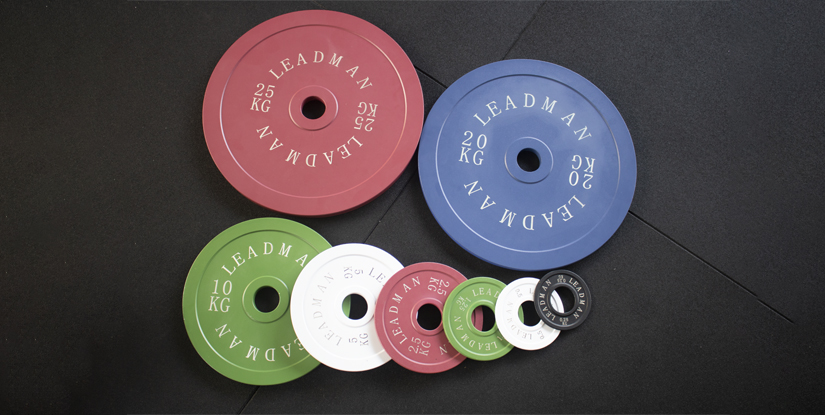
Addressing Material Degradation in Rubber Bumper Plates
In high-volume strength and conditioning environments, the most frequent cause of premature equipment failure is not mechanical breakage, but the gradual degradation of the outer shell. When operators notice cracking, crumbling, or uneven surface textures, they are often seeing the direct result of environmental exposure or substandard material density. This degradation is rarely sudden; it is a creeping failure mode that begins with micro-fractures in the high-density rubber compound. If left unaddressed, these small cracks expand under the stress of repeated impact, eventually leading to significant chunks of material breaking away, which creates a safety hazard for users and uneven weight distribution on the barbell.
Understanding the Core Causes of Cracking
The primary mechanism behind the deterioration of Rubber Bumper Plates is the interplay between impact energy and material elasticity. High-quality plates utilize a high-density virgin rubber or a highly controlled recycled blend designed to absorb energy rather than reflect it. When a plate is dropped from a significant height, the kinetic energy must be absorbed by the core and the skin. If the rubber lacks sufficient elasticity or has been subjected to extreme temperature fluctuations, the material becomes brittle. This brittleness makes the plate unable to withstand the compression cycles inherent in heavy lifting, resulting in the aforementioned surface failure.
| Failure Symptom | Primary Cause | Mitigation Strategy |
|---|---|---|
| Surface Cracking | UV exposure or extreme temperature cycles | Store in temperature-controlled environments |
| Edge Chipping | Low-density recycled rubber blend | Specify high-density virgin rubber for high-impact zones |
| Weight Drift | Core deformation from excessive dropping | Monitor drop heights and use compliant flooring |
| Odor Issues | Low-grade chemical additives in recycled rubber | Request material safety data sheets (MSDS) during procurement |
Recognizing these early indicators allows facility managers to transition from reactive replacement to proactive maintenance. Understanding the fundamental material properties is the prerequisite for selecting the right equipment, which leads us to the critical technical specifications required during the procurement phase.
Material Selection Criteria and Density Standards
Once the risks of material degradation are understood, the focus must shift to the selection process. A common mistake made by facility buyers is prioritizing price over density and composition, often resulting in plates that suffer from rapid weight drift or premature cracking. To ensure long-term ROI, one must look beyond the surface aesthetics and evaluate the internal engineering of the plate. The way a plate is constructed determines how it will behave after 10,000 drops, and verifying these specifications is essential for operational longevity.
Density vs. Weight Uniformity
A high-quality bumper plate must maintain strict weight tolerances. In professional settings, a tolerance of < 1% is often the benchmark for high-end equipment, whereas lower-tier products may see much higher variances. This variance is often caused by uneven distribution of the rubber compound during the molding process. If the density is not uniform, the plate will develop an imbalance, affecting the barbell's center of gravity during complex movements like cleans or snatches. Operators should look for plates that utilize a steel or high-density polyurethane core to ensure the weight remains stable even as the outer rubber undergoes stress.
The Role of Virgin vs. Recycled Rubber
The decision between virgin and recycled rubber is a significant one for both performance and environmental impact. While recycled rubber is often more cost-effective, it can introduce variability in texture and scent. Virgin rubber, conversely, offers superior consistency and a predictable coefficient of friction. When evaluating options, consider the following technical differentiation:
- Virgin Rubber: Higher elasticity, cleaner scent, more consistent density, better resistance to UV/temperature.
- Recycled Rubber: Variable texture, potential for odor, higher cost-savings, potential for micro-impurities.
By establishing these benchmarks during the selection phase, you minimize the risk of purchasing equipment that fails to meet the demands of a professional training environment. However, even the highest-quality plates require a rigorous operational protocol to maintain their integrity.
Operational Best Practices for Impact Management
Having selected the appropriate density and material composition, the next step is ensuring that the daily usage of the equipment does not exceed its designed operational limits. Even the most durable Rubber Bumper Plates can be damaged by improper handling and inadequate environmental control. The goal is to manage the energy transfer from the barbell to the floor to prevent the plate from absorbing excessive shock that could compromise its structural bond.
Optimizing the Impact Surface
The surface upon which the plates are dropped is just as important as the plates themselves. Dropping weight directly onto concrete or thin, non-compliant mats significantly increases the peak impact force. This excessive force travels back up through the plate, often causing the internal core to separate from the outer rubber shell—a failure known as delamination. To prevent this, facility operators must implement a standardized flooring system that provides adequate shock absorption.
| Floor Type | Impact Absorption | Recommended Usage |
|---|---|---|
| Polished Concrete | Negligible | Not recommended for heavy drops |
| Standard Foam Tiles | Low to Moderate | Light lifting and warm-ups only |
| High-Density Rubber Stall Mats | Moderate | General strength and conditioning |
| Dedicated Lifting Platforms | High | Heavy Olympic lifting and high-volume use |
Implementing these flooring standards ensures that the kinetic energy is dissipated efficiently, protecting both the equipment and the facility structure. When the physical environment is controlled, the focus can shift to the regular inspection routines necessary to catch wear before it becomes a safety issue.
Explore the complete technical specifications:
Bumper Plates Guide | Rubber & Urethane Weights for Olympic Lifting
Inspection Protocols and Routine Maintenance
Effective facility management relies on a consistent inspection cadence to identify wear patterns before they lead to equipment failure. Because rubber is a dynamic material that responds to its environment, an inspection that is too infrequent may miss the early stages of fatigue. Operators should integrate these checks into their weekly or monthly facility walkthroughs to ensure that the training environment remains both safe and functional.
Step-by-Step Inspection Checklist
During a routine inspection, look for specific indicators of structural fatigue. A systematic approach ensures that no small detail is overlooked. Use this checklist to verify the condition of your inventory:
- Visual Surface Check: Scan for hairline cracks, chips, or peeling edges on the outer circumference.
- Compression Test: Press the center of the plate with a thumb; the material should feel firm but have a slight, uniform resilience.
- Core Integrity: Check the center ring for any widening gaps or movement between the metal insert and the rubber.
- Weight Verification: Occasionally weigh a sample of plates on a calibrated scale to check for significant weight drift.
- Odor and Residue Check: Note any unusual chemical scents or oily residue that could indicate material breakdown.
If a plate fails any of these checks—particularly the core integrity or surface cracking—it should be removed from service immediately. Maintaining this high standard of inspection is the final step in a full equipment lifecycle strategy, but sometimes issues arise despite these efforts.
Explore the complete technical specifications:
Laoch Bumper Plates: Virgin Rubber, Durometer 85-90 & Hub Retention
Troubleshooting Common Performance Issues
Even with the best selection and maintenance, certain performance issues may arise. Understanding whether a problem is caused by the equipment, the environment, or the user is crucial for determining the correct corrective action. Most issues can be traced back to a few predictable root causes that, once identified, are relatively easy to resolve through improved operational discipline.
Addressing Plate Imbalance and Wobble
When users report a "wobble" or an uneven feel during a lift, it is often not a failure of the plate itself, but a result of the barbell or the loading technique. However, if the imbalance is consistent across multiple bars, it is a sign of weight non-uniformity in the plates. To troubleshoot this, first verify the barbell's straightness and then check the weight of individual plates. If the plates are inconsistent, the issue is likely a density variance from the manufacturing stage, which requires replacing the entire batch rather than attempting a field fix.
Mitigating Surface Friction and Grip Issues
Some operators report that their plates become overly "grippy" or, conversely, excessively slick. A "grippy" texture is often caused by high humidity or the use of certain cleaning agents that leave a film on the rubber. A slick texture may indicate that the rubberament has worn down significantly, exposing the underlying core. To fix grip issues, use only water or a very mild, pH-neutral soap for cleaning, and avoid any chemical-heavy degreasers that can strip the essential oils from the rubber compound.
| Reported Issue | Possible Root Cause | Actionable Fix |
|---|---|---|
| Unpredictable Wobble | Uneven weight distribution | Verify weight on scale; replace batch if variance is high |
| Increased Friction | Humidity or chemical residue | Clean with water/mild soap; ensure dry environment |
| Core Separation | High-impact on hard surfaces | Upgrade flooring; remove compromised plates |
| Dimensional Variance | Diameter shrinkage (cold weather) | Ensure climate control; check diameter with calipers |
By following these troubleshooting steps, you can distinguish between a minor maintenance task and a fundamental equipment failure. This clarity is essential for maintaining high-performance standards and ensuring the longevity of your entire strength equipment inventory.
Explore the complete technical specifications:
Advanced Storage and Environmental Control
Beyond daily use and inspection, the long-term preservation of your equipment depends heavily on how it is stored when not in use. Improper storage can accelerate the degradation processes mentioned earlier, such as UV damage and temperature-induced brittleness. Creating a dedicated storage protocol is one of the most cost-effective ways to extend the life of your Rubber Bumper Plates.
Optimizing Storage Environments
Rubber is sensitive to both light and air quality. To prevent the rubber from drying out or cracking prematurely, avoid leaving equipment in direct sunlight or in areas with extreme temperature swings. If you are storing plates in a warehouse or a facility with limited climate control, implement a stacking strategy that minimizes physical stress on the bottom-most plates.
- UV Protection: Always store plates in a covered area or a dedicated equipment rack that is shielded from sunlight.
- Temperature Stability: Avoid storing equipment near high-heat sources like industrial heaters or exterior walls that experience extreme thermal shifts.
- Stacking Limits: Do not exceed the manufacturer-recommended stacking height, as the weight of upper plates can compress the rubber of lower plates, leading to permanent deformation.
Storage Checklist and Best Practices
Use the following criteria to evaluate your current storage setup. A lack of organization often leads to material damage that is difficult to repair.
| Storage Factor | Ideal Condition | Risk Factor |
|---|---|---|
| Light Exposure | Low/Zero UV exposure | Direct sunlight (causes cracking) |
| Humidity Level | Controlled/Dry | High moisture (can lead to mold/odor) |
| Physical Placement | Dedicated, dry racks | Floor-level near damp areas |
| Air Circulation | Good airflow | Stagnant air (traps odors) |
By integrating these advanced storage and environmental controls into your facility's standard operating procedures, you transition from simple equipment management to true asset preservation. This comprehensive approach ensures your investment remains functional and safe for years to come.