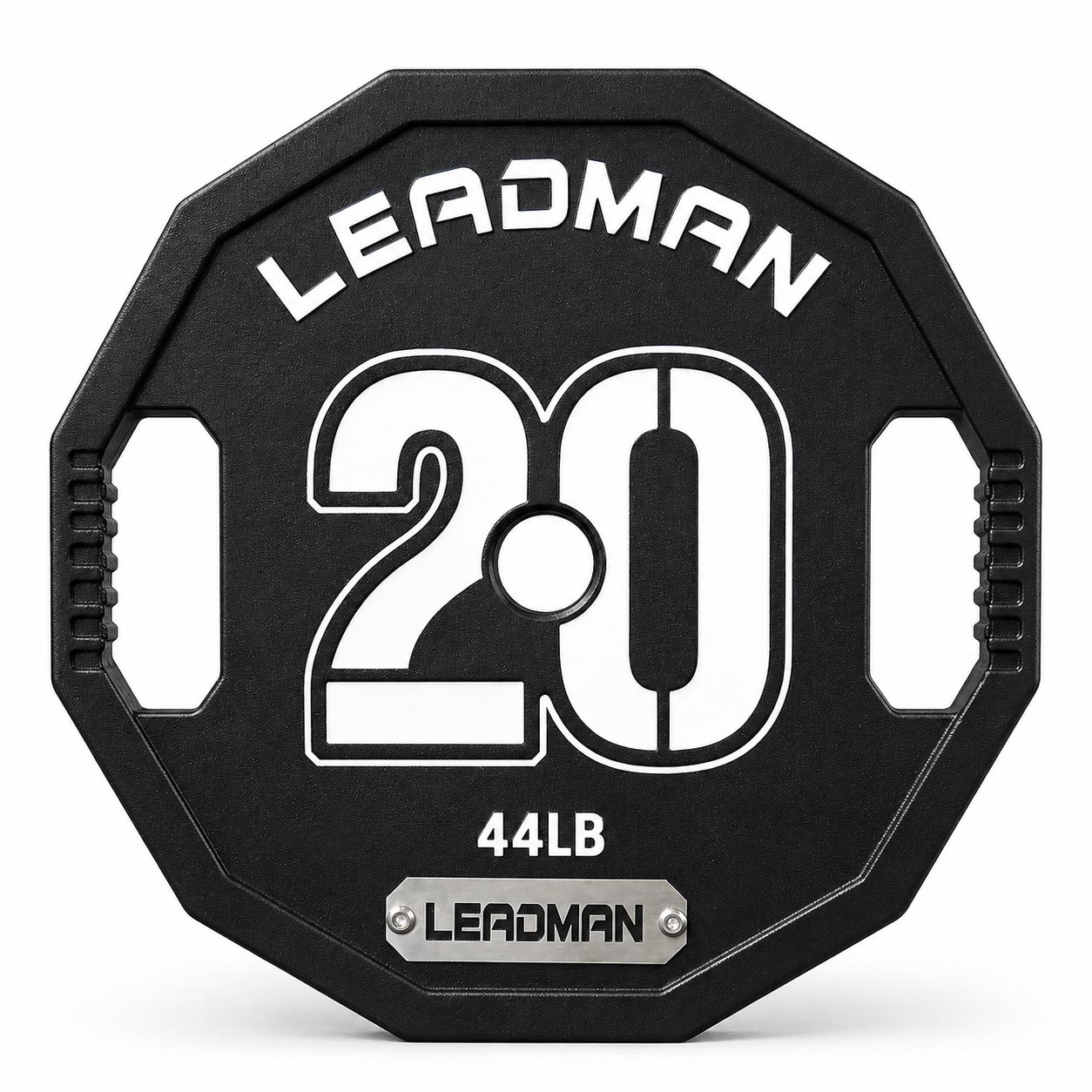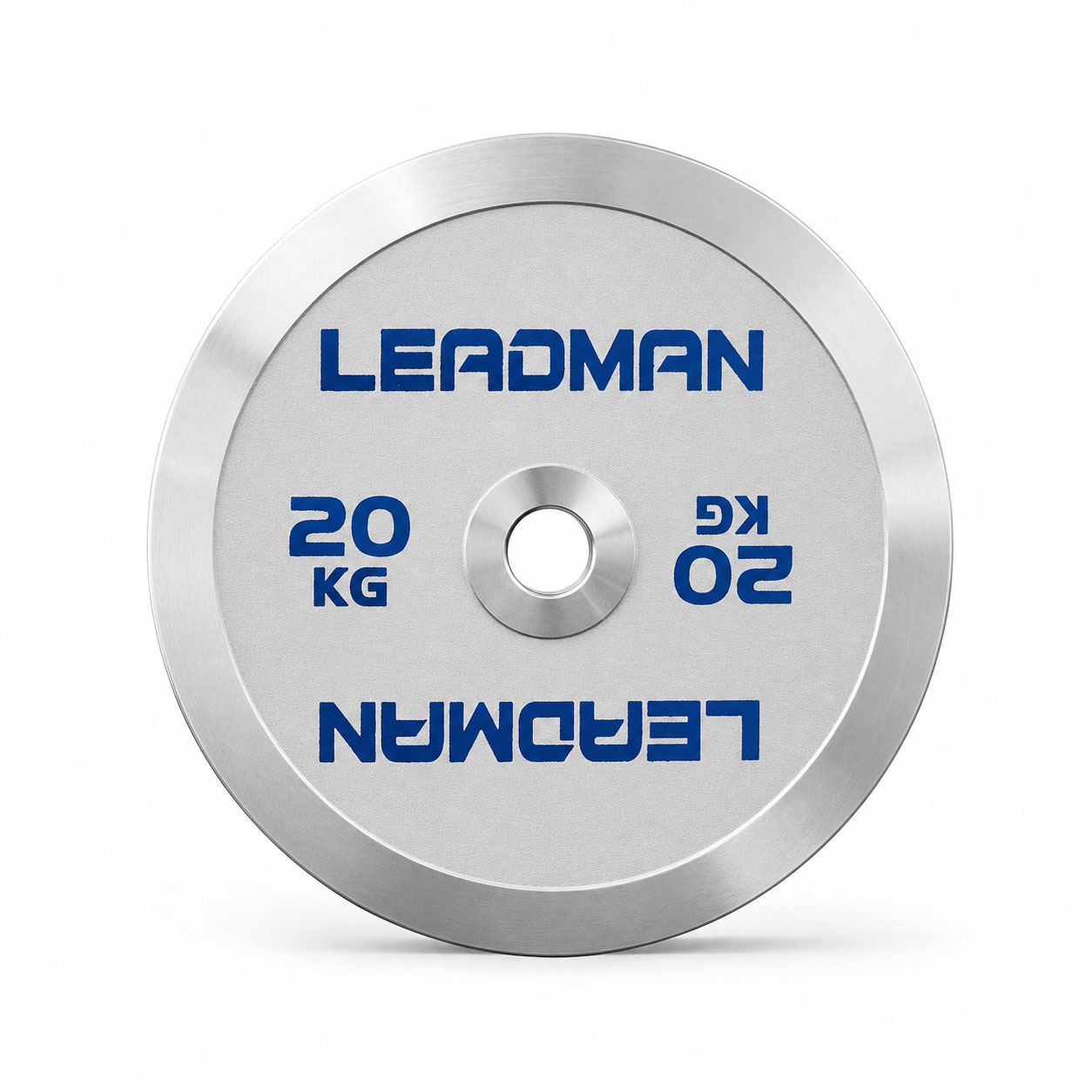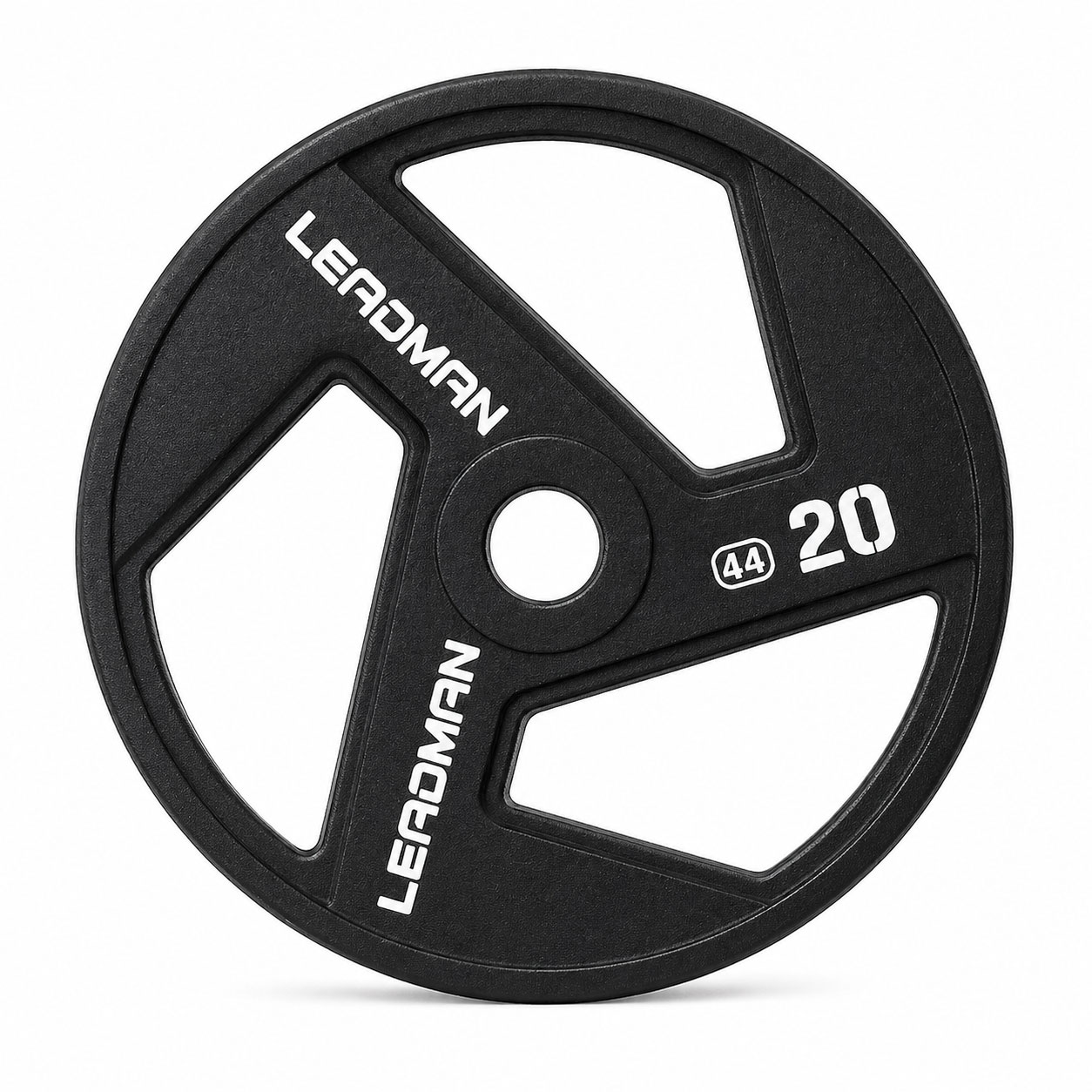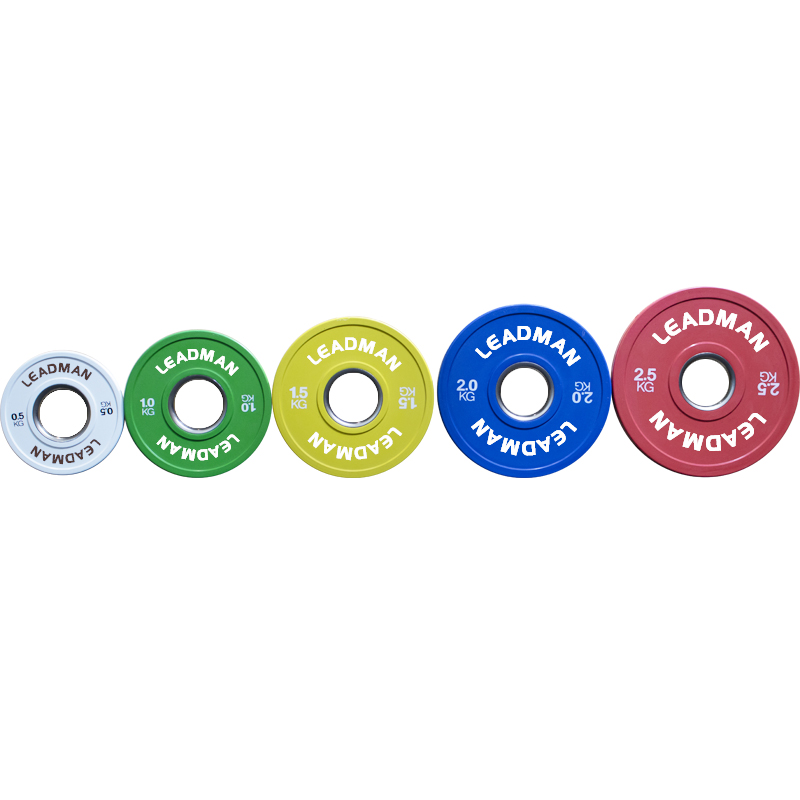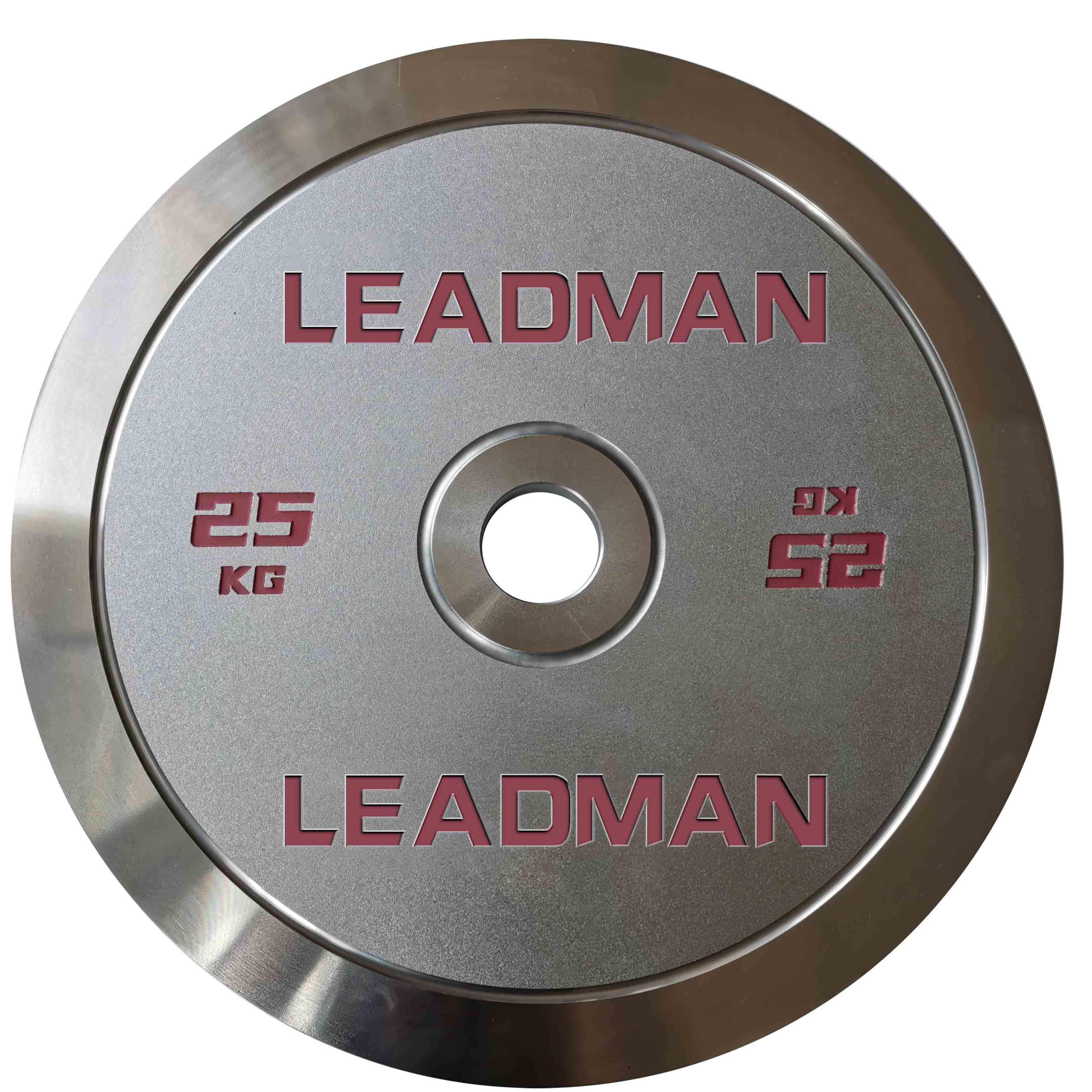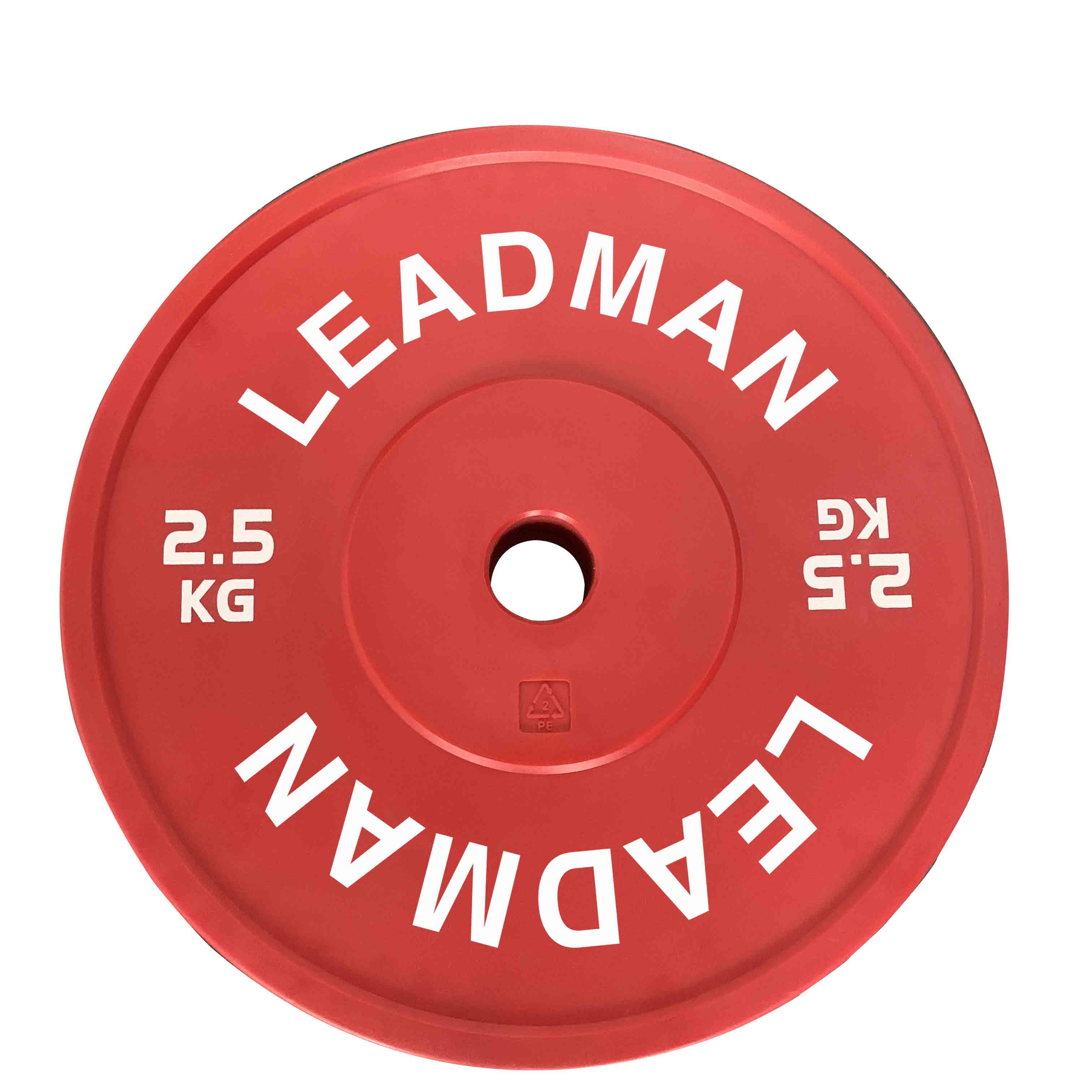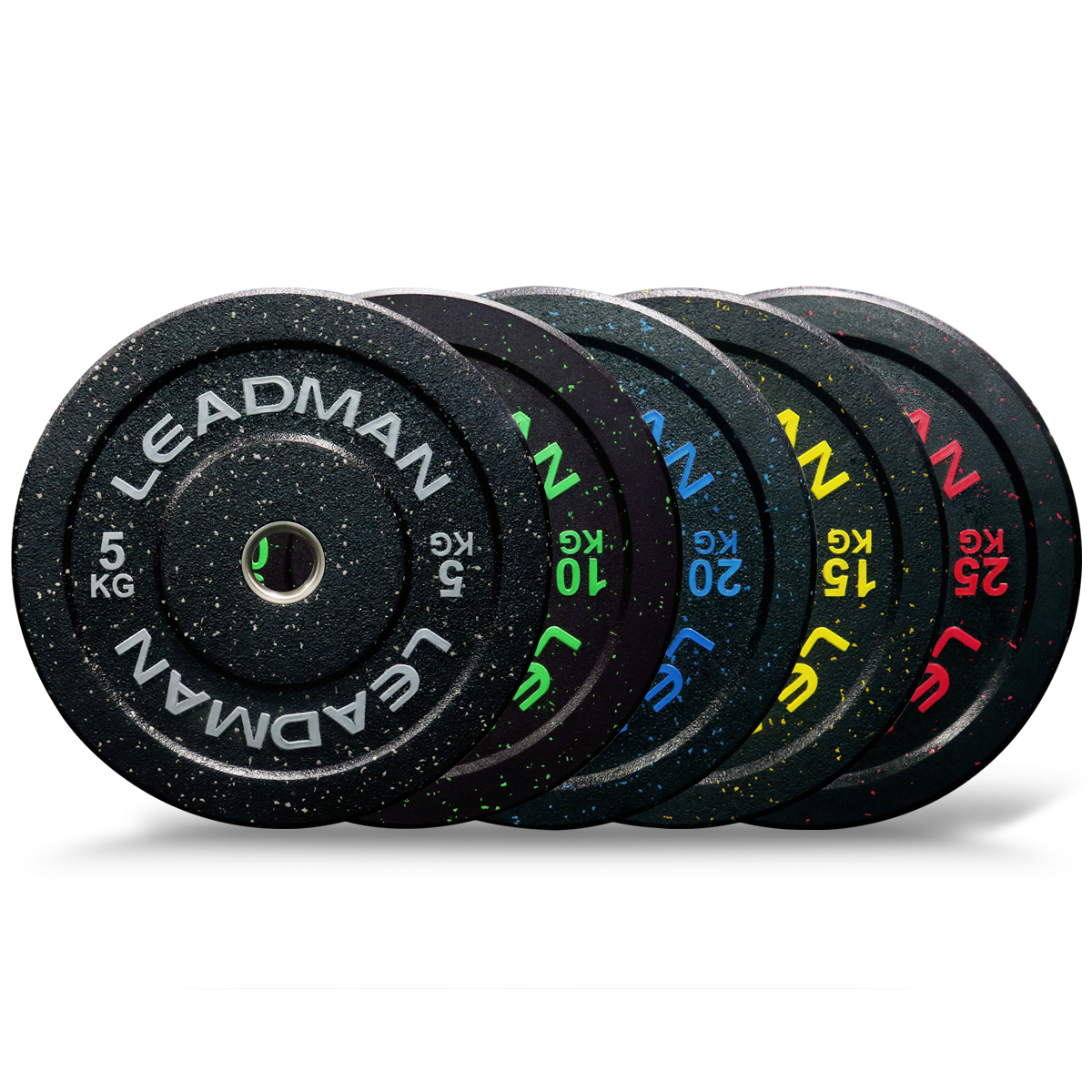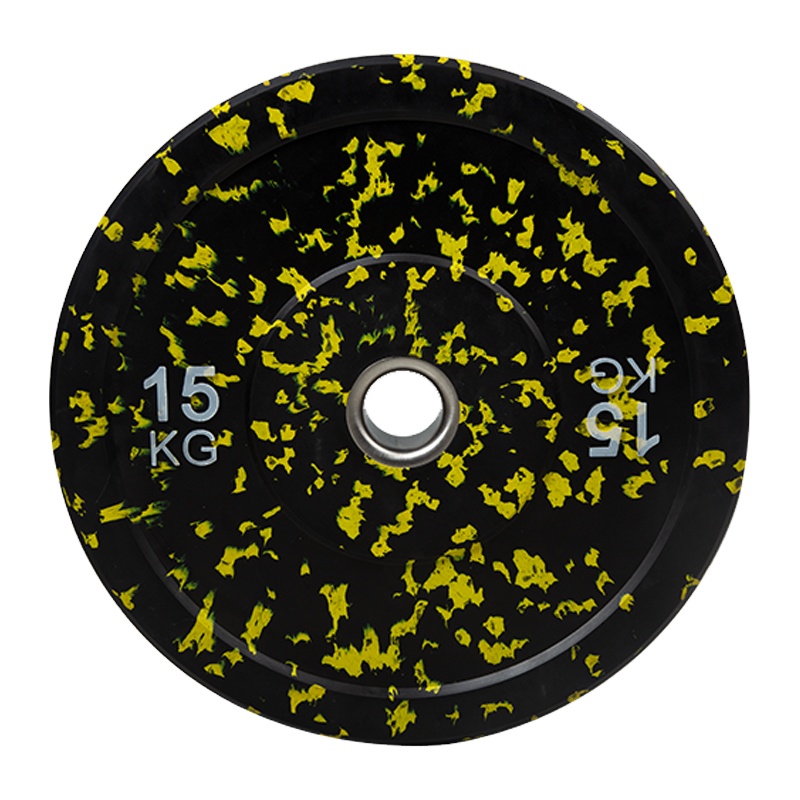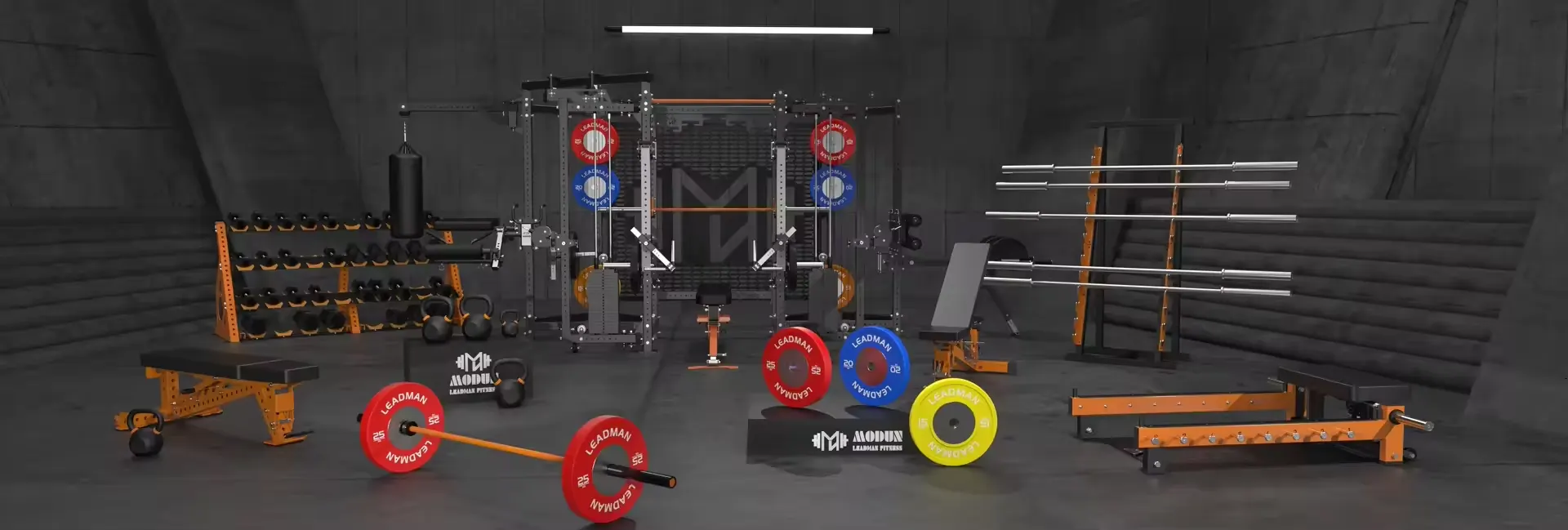
In the precision-driven world of weightlifting, the bumper plate 30mm specification often confuses procurement professionals because it refers to the hub opening diameter rather than the plate thickness. While Olympic-standard plates universally accept 50mm barbell sleeves, some specialty plates—particularly those designed for standard 1-inch bars or specific training protocols—feature a 30mm centre hole. This distinction is critical for facility operators managing multiple barbell types, as mismatched plates and bars compromise load stability, safety, and equipment lifespan. Understanding the applications, limitations, and availability of 30mm bumper plates prevents costly procurement errors and ensures seamless integration across training zones.
Plates with a 30mm centre bore are designed for standard barbell sleeves, commonly found in light commercial environments, rehabilitation centres, and select home gym configurations where space or load capacity constraints limit Olympic bar adoption. Unlike Olympic plates, these plates typically serve moderate-intensity training and are often manufactured with rubber encasement or solid cast iron to absorb limited impact. Manufacturers adhere to the 30mm specification to ensure a snug, rattling-free fit on standard bars, reducing eccentric wear caused by bore-sleeve play. However, as facility scales or programme complexity grows, transitioning to Olympic plate systems often becomes inevitable, making long-term inventory planning crucial.
Material composition of 30mm bumper plates varies widely, affecting durability and performance. Entry-level options use recycled rubber compounds with steel inserts bonded through vulcanisation. Mid-tier options employ virgin rubber with higher tensile strength and improved hub retention for enhanced performance. Premium urethane-encased plates deliver superior impact absorption, odour suppression, and colour retention, extending commercial service life by 2–3 times compared to basic rubber. Hub construction is critical; whether the steel insert is mechanically locked, chemically bonded, or compression-cast determines its drop-test survivability. Procurement professionals must insist on documented drop-test certifications—minimum 10,000 cycles—to verify hub retention and impact resistance.
When incorporating commercial bumper plates with 30mm bores, standardisation of plate counts and storage infrastructure must anticipate station configurations. Facilities should maintain sufficient stock across weight increments (5–25kg) to support member progression. Given the 30mm bore size's limited scalability, facilities planning expansion may consider multi-option inventory—smaller 30mm sets for specialised zones and Olympic-compatible plates for high-volume spaces. Proactive maintenance, including regular hub torque checks and bore diameter measurements, prevents sleeve wear and ensures safe training. Ultimately, selecting 30mm bumper plates demands alignment with programme requirements, member demographics, and growth projections to avoid equipment obsolescence.

Let our experts design the perfect gym solution for your business. Get a free consultation and quote today.