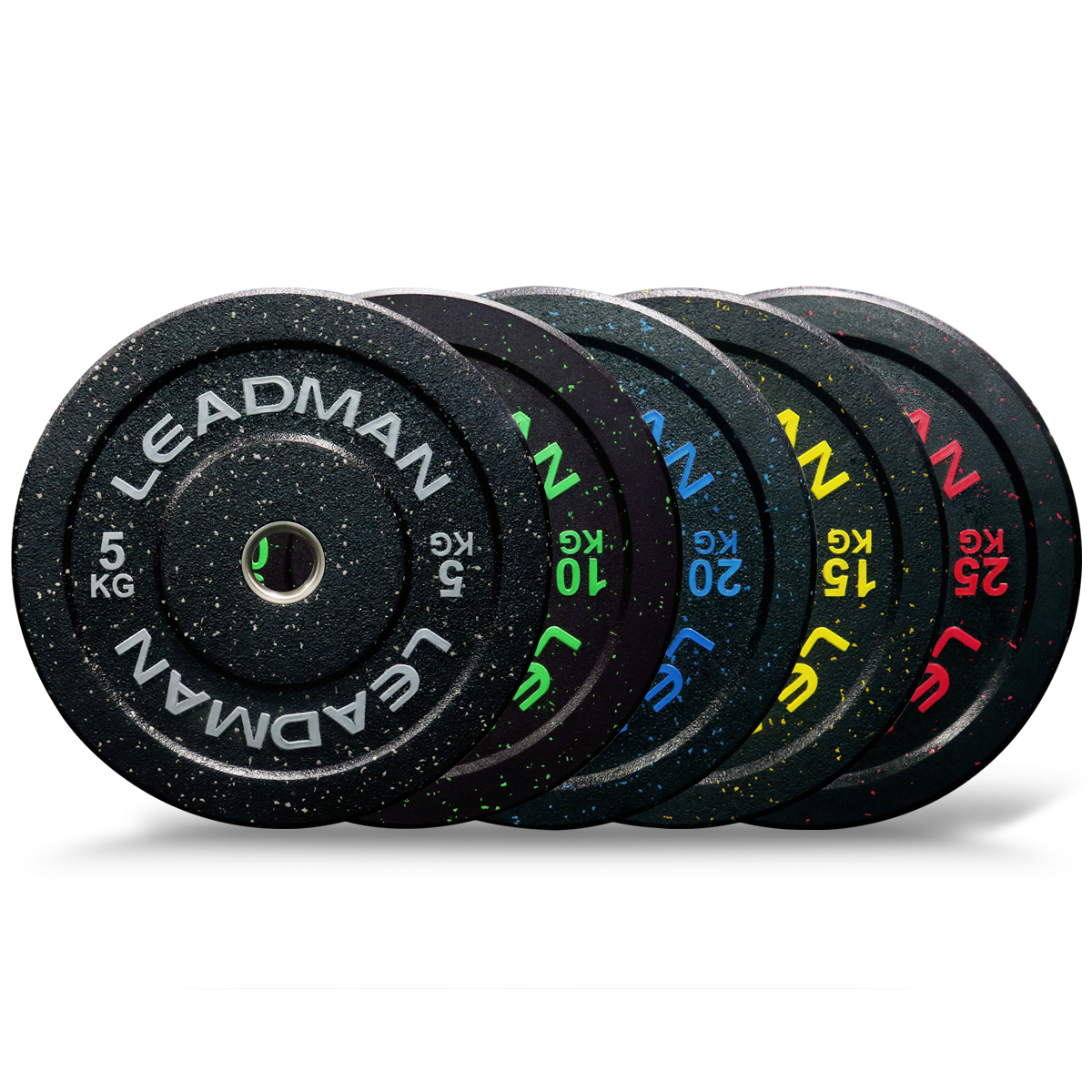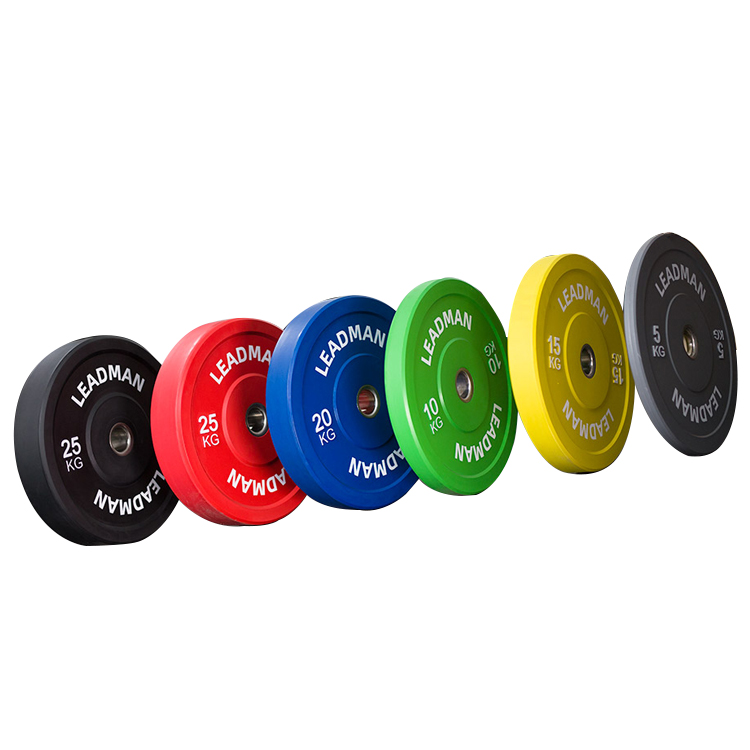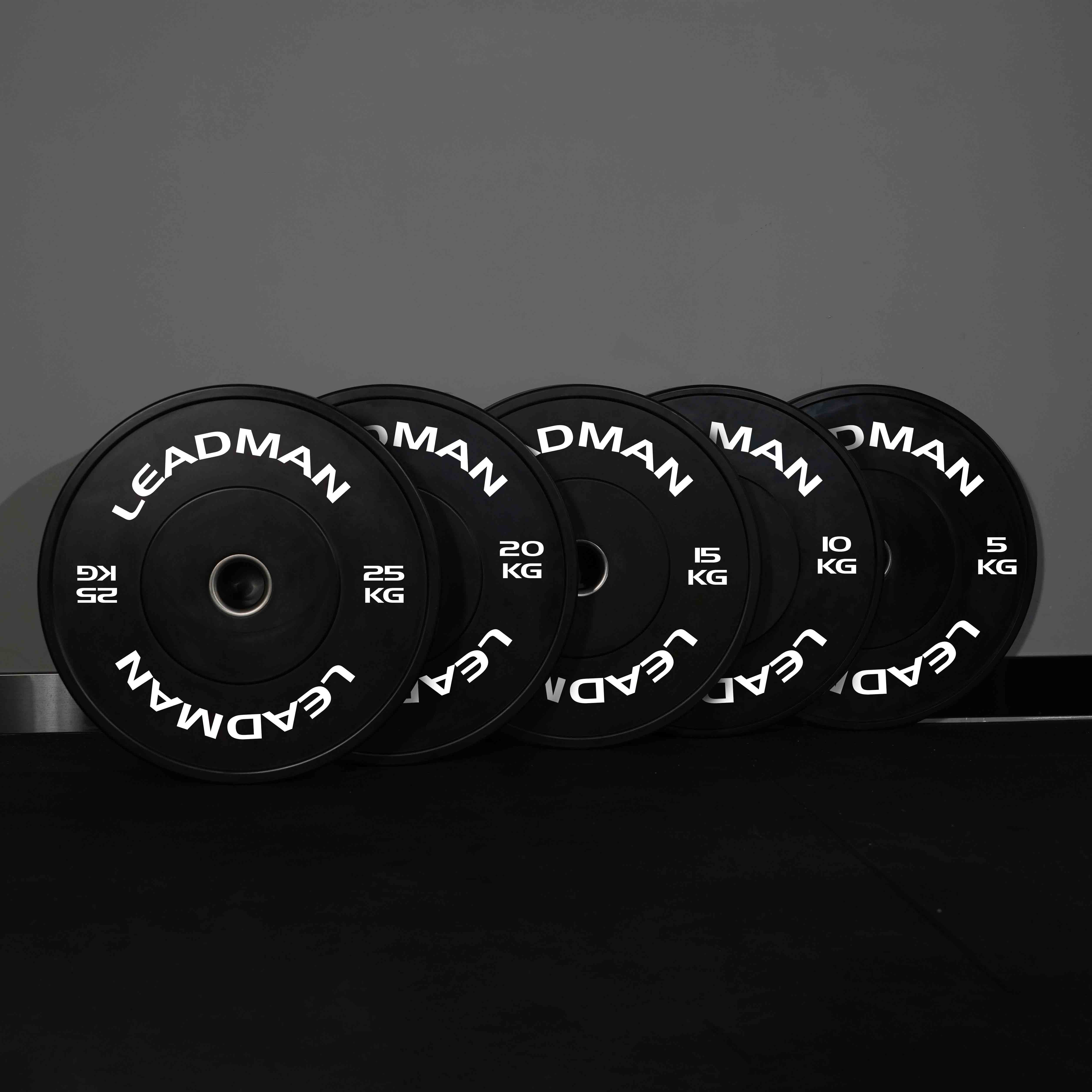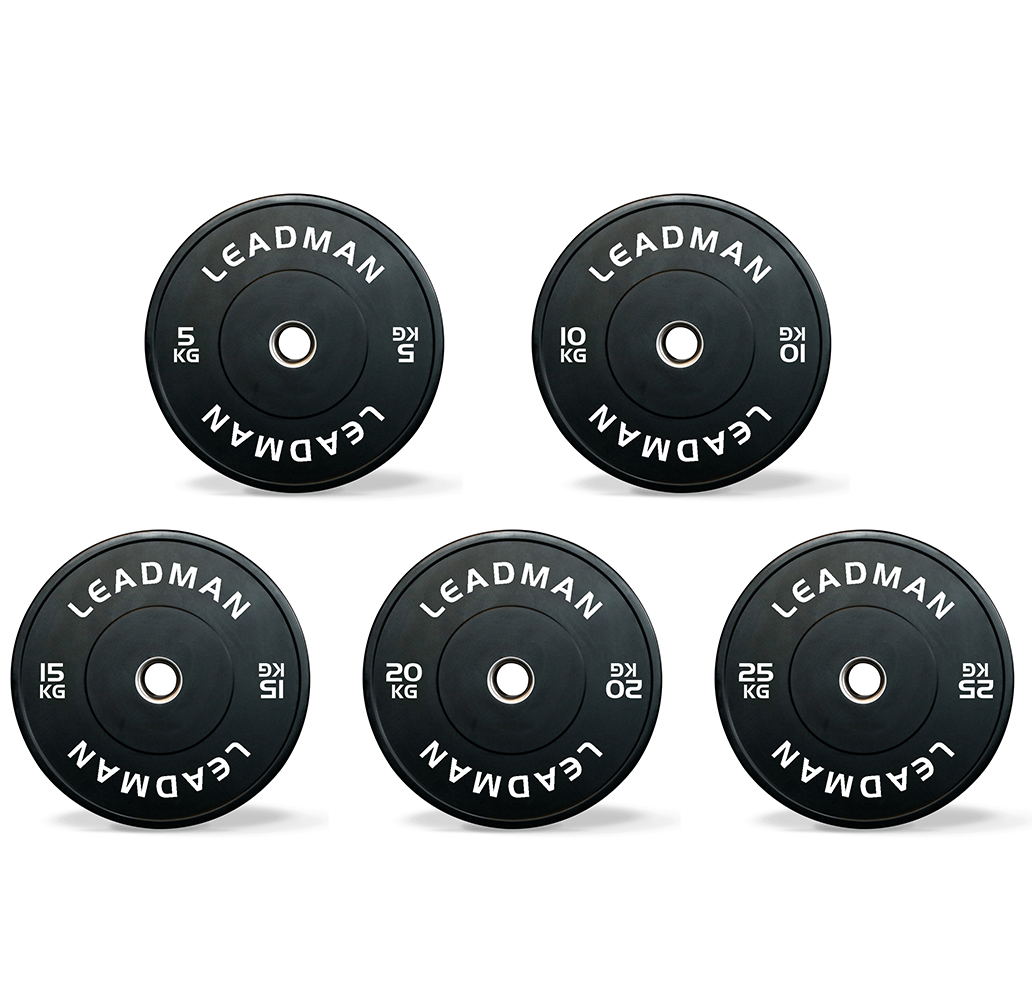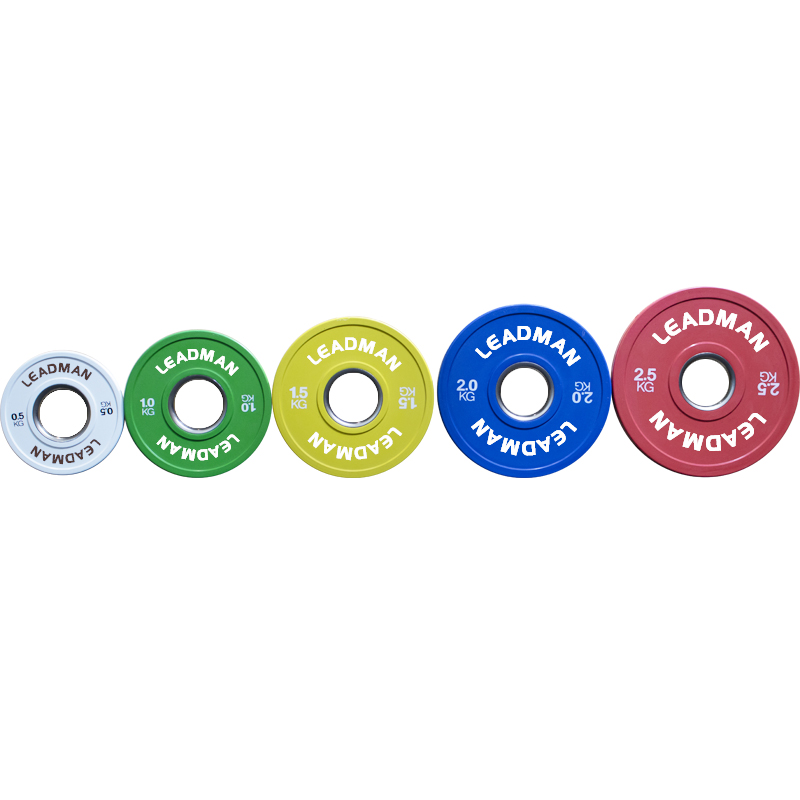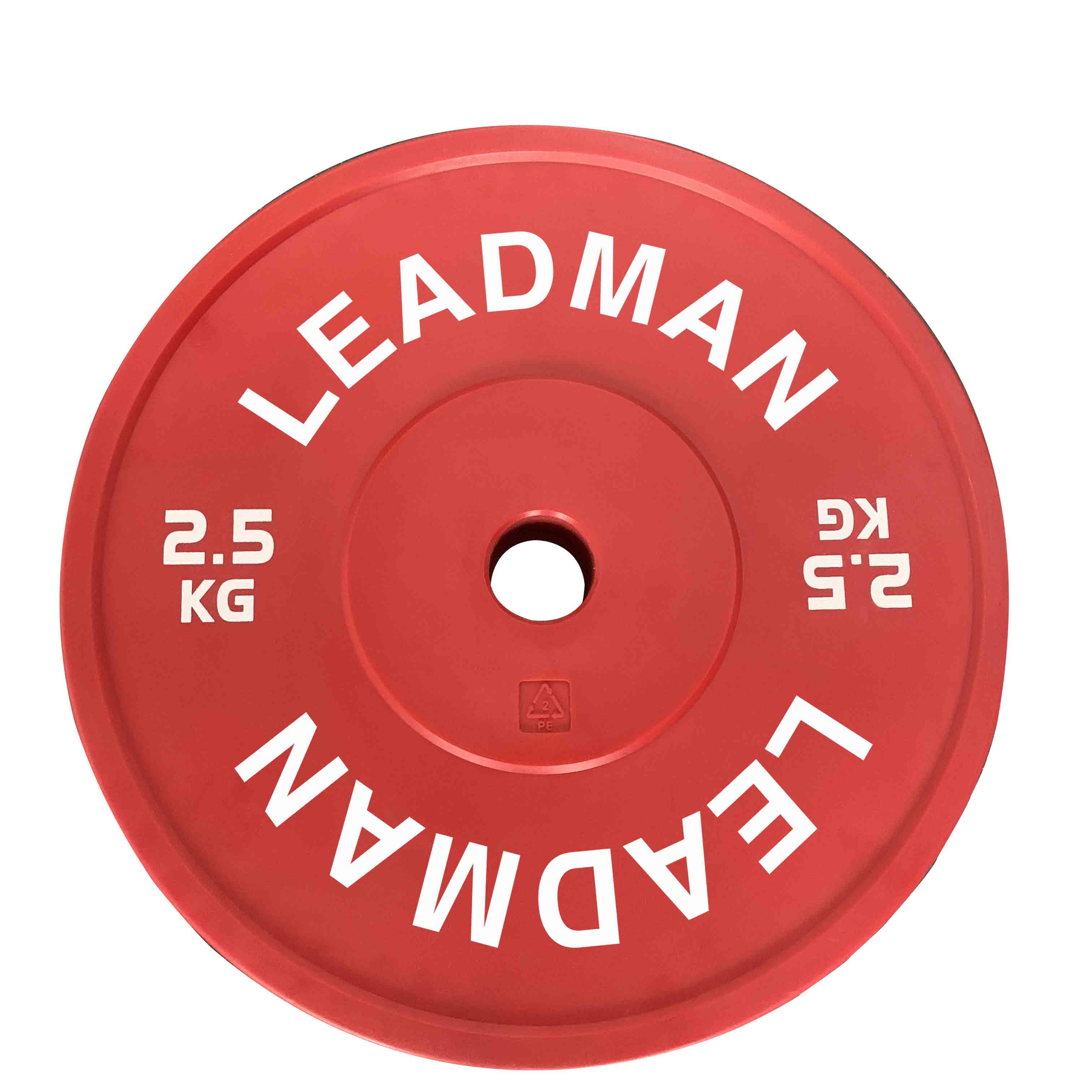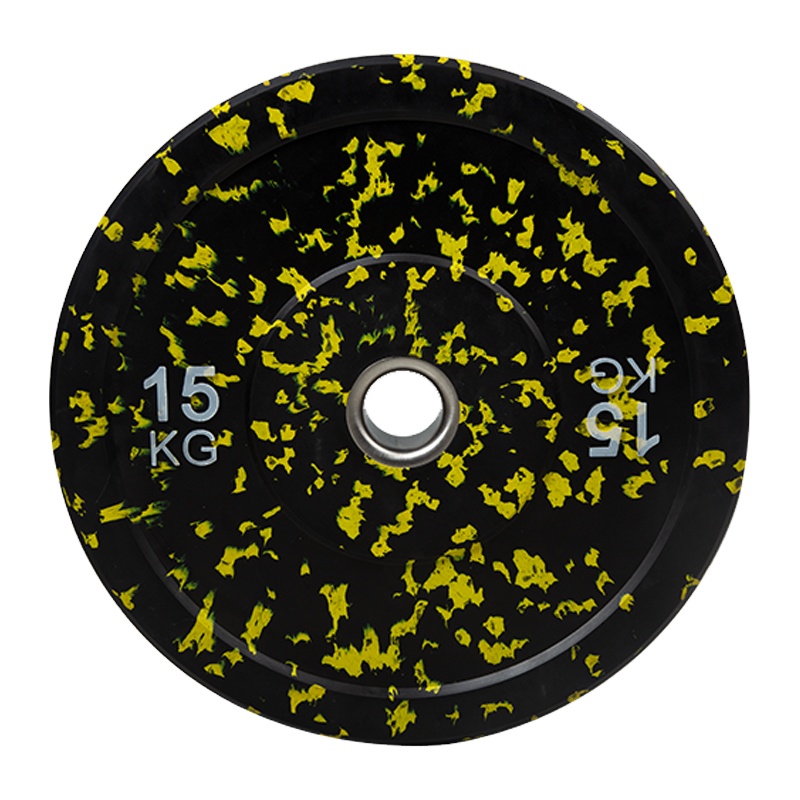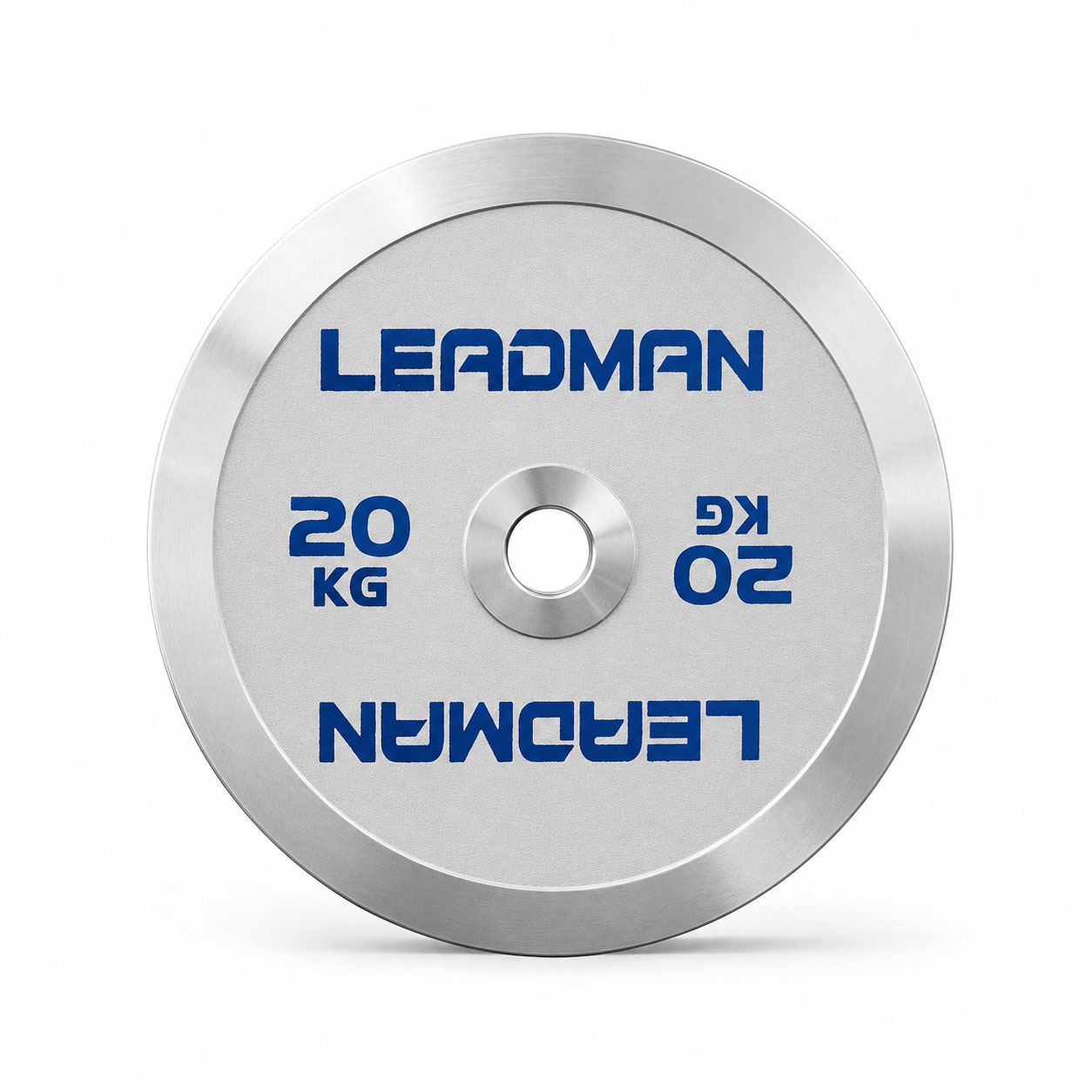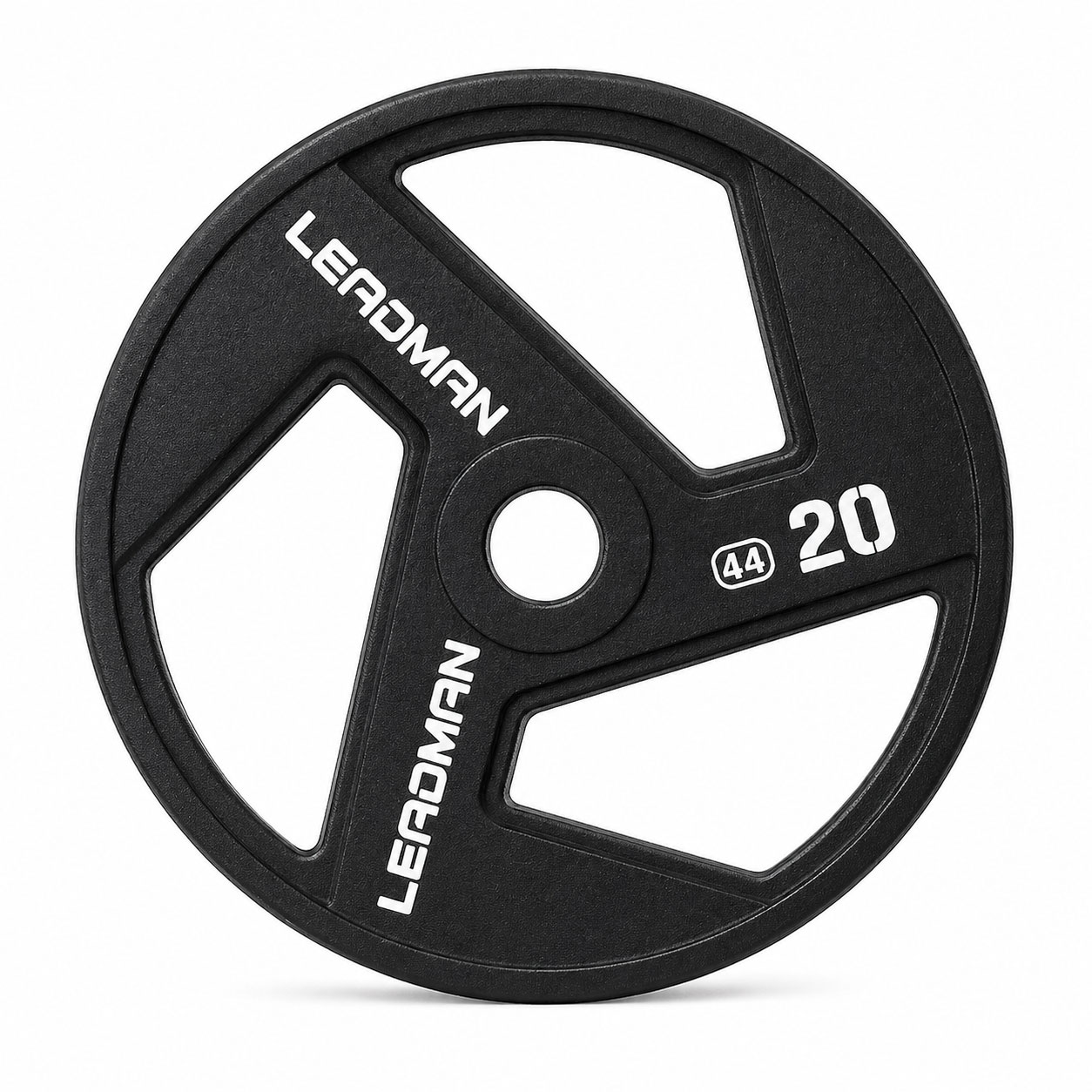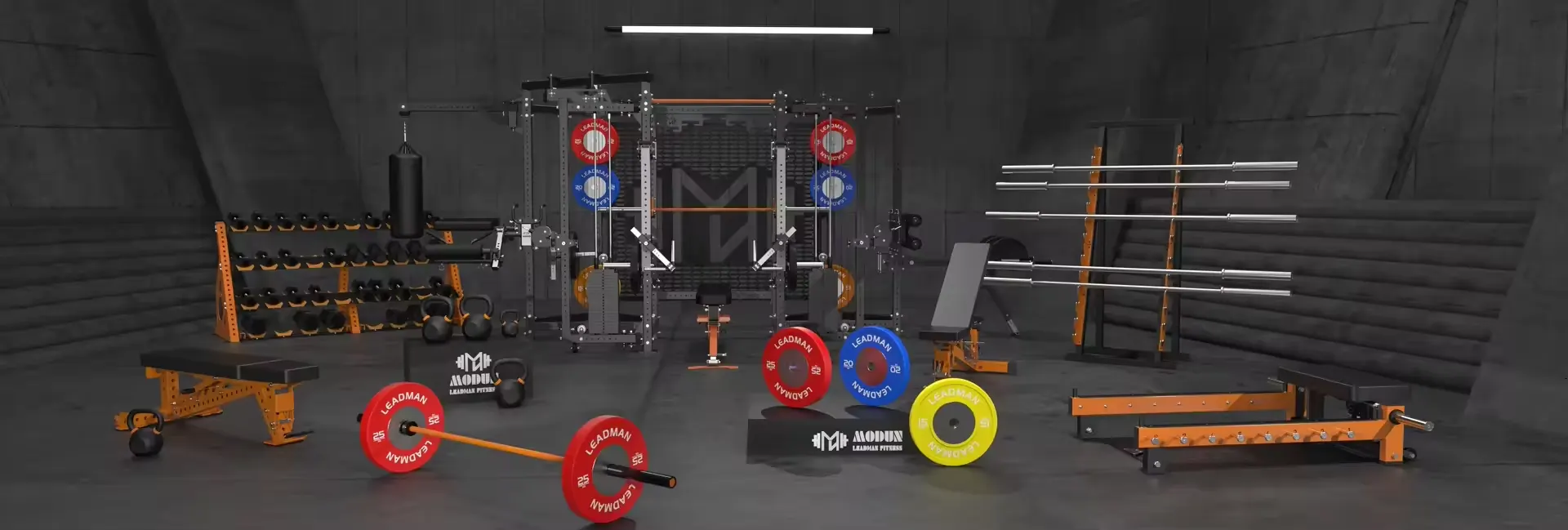
Gym plates rubber have become the default choice for commercial and home gyms seeking floor protection, noise reduction, and durability. Unlike cast iron plates, rubber bumper plates or rubber-coated iron plates absorb impact shock, protecting both flooring and the plates themselves from edge chipping or cracking.
The material science behind rubber gym plates centers on durometer rating and bonding method. Quality rubber plates use vulcanized virgin rubber with a durometer of 75-85 Shore A—firm enough to resist deformation under load yet soft enough to dampen sound. Inferior plates use recycled rubber crumb bonded with polyurethane, which crumbles at the edges within months. For bumper plates, the steel hub insert is critical: a machined, press-fit hub prevents the rubber from tearing away from the center hole during repeated drops.
Industry testing data shows that virgin rubber bumper plates withstand over 10,000 drops from waist height before showing structural failure, while recycled rubber plates fail at roughly 2,000 drops. For rubber-coated cast iron plates (often called "rubber hex" or "rubber grip plates"), the failure point is typically coating delamination at the handle cutouts. Premium coatings are compression-molded around the iron, whereas cheap versions are glued or sprayed on.
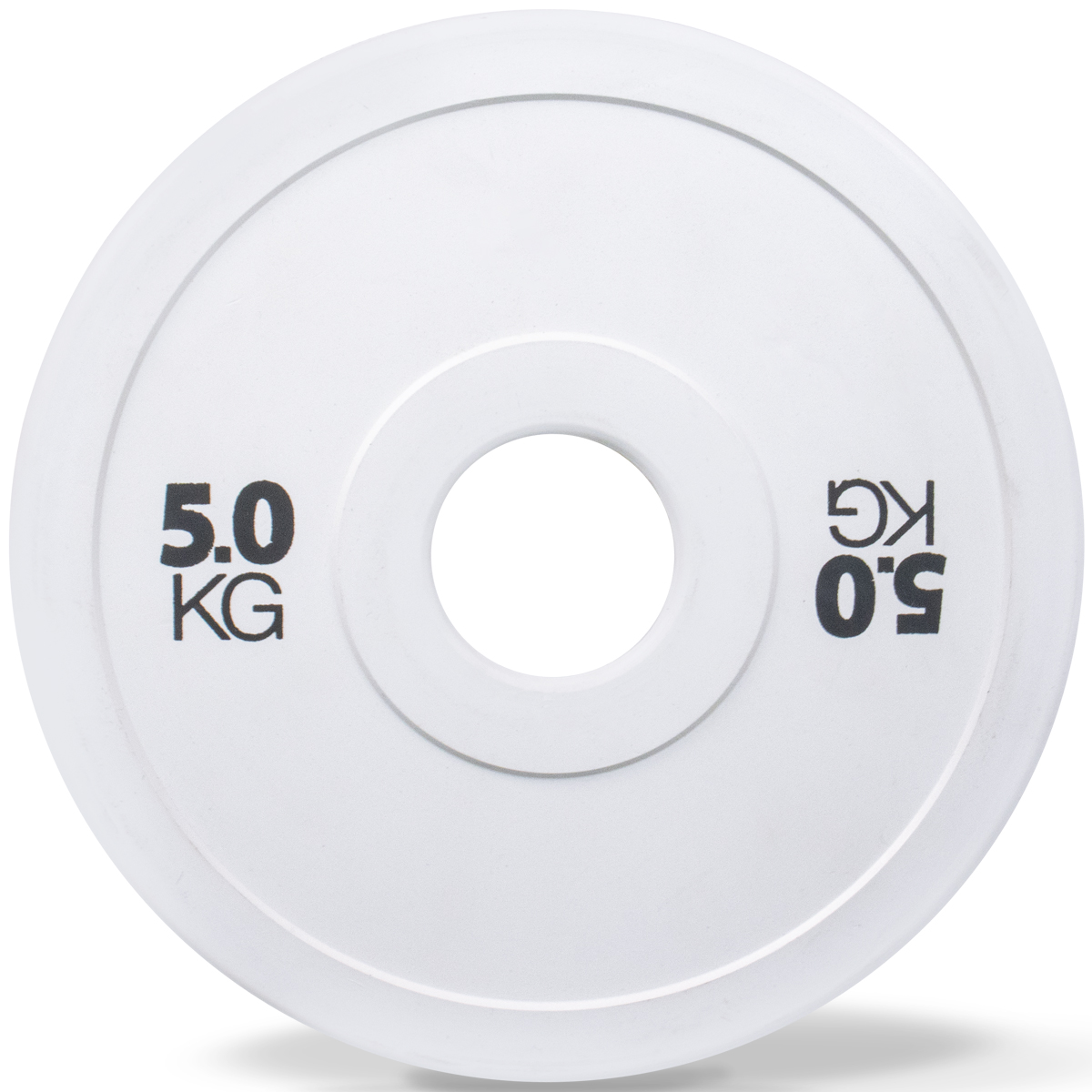
For buyers evaluating rubber gym plates, consider your training style. Bumper plates (uniform rubber thickness) are mandatory for Olympic lifting where plates are dropped overhead. Rubber-coated iron plates are thinner, allowing more weight on the sleeve, but should never be dropped from height—the iron core can crack flooring. Always verify weight tolerance (+/- 1% for competition grade, +/- 3% for fitness grade) and confirm the rubber odor level, as virgin rubber off-gasses significantly less than recycled material.
Let our experts design the perfect gym solution for your business. Get a free consultation and quote today.